How To Select The Right Face Moisturiser For Hot, Humid Or Dry Weather
A good moisturiser does more than soften skin. It syncs with the weather, your daily routine, and how your skin behaves through the seasons. This guide helps you choose the right moisturiser from the endless product labels.

How To Pick A Face Moisturiser That Matches Your Climate And Skin Routine.
A stroll through any beauty section can feel overwhelming. Shelves brim with moisturisers that promise glow, hydration, balance, or a magical mix of skincare. The right choice depends on more than skin type. Weather, pollution levels, lifestyle, water quality, and local temperatures influence how the skin reacts to products. A face Moisturiser that works in Pune's dry winters may feel greasy in Chennai's humid summers. One that keeps the skin supple in Bengaluru might fail during a family trip to Jaipur. This guide breaks down how to choose a moisturiser that works with both your climate and your routine. No complicated jargon.

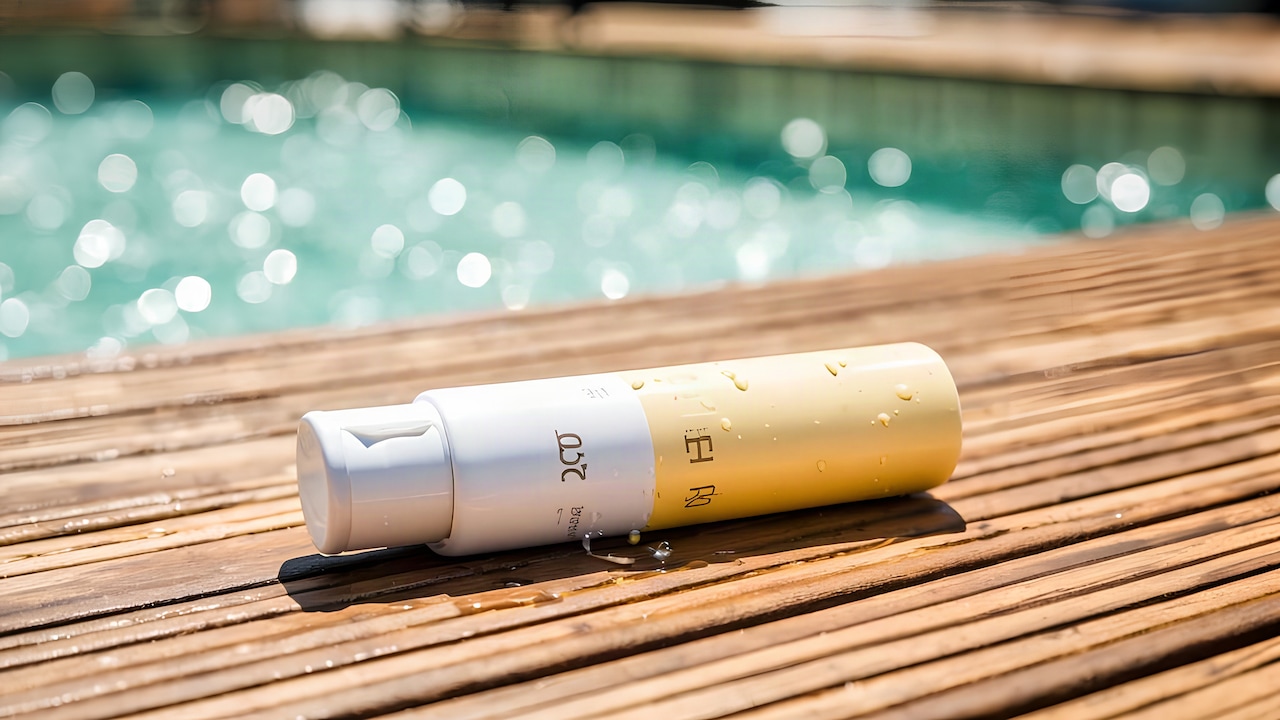
How To Select The Right Face Moisturiser For Hot, Humid Or Dry Weather; Photo Credit: Pexels
How Climate and Routine Influence Your Moisturiser Choice
1. Understand How Climate Shapes Your Skin's Daily Mood
Different climates push your skin in different directions. Hot and humid cities often leave the skin shiny by midday. Sweat mixes with excess sebum, and pores start to misbehave. Meanwhile, cooler or windy environments dry the skin faster than a hot pan absorbs oil. Even metros that seem moderate most of the year still swing between dry winters and sticky monsoons.
When the air gets humid, the skin holds on to moisture more easily. A thick cream can cling to the surface and feel heavy. Lightweight gel-based moisturisers step in beautifully here. They let the skin breathe and stop that swampy feeling. In contrast, dry or cold places pull moisture from the skin, leaving behind rough patches. Creams rich in ceramides, shea butter, or natural oils shield the skin from dehydration.
The goal stays simple: match the formula to the climate's mood swings. Keeping this connection in mind ensures your moisturiser works with your environment rather than fighting against it.
2. Know Your Skin's Seasonal Personality
Skin changes throughout the year. Someone with normal skin in summer may feel dryness creeping in by January. Those with oil-prone skin may enjoy a calmer T-zone during cooler months. Many experience combination skin most of the year, especially in regions where winter air turns crisp, and the monsoon triggers humidity spikes.
A good approach involves recognising these patterns. Observe how your skin behaves after cleansing, when stepping into the sun, or after hours in the AC at work. Dry patches hint that your current product doesn't replenish enough moisture. A greasy sheen by lunchtime signals that the formula may be too rich for the season.
Seasonal adjustments don't always demand a complete overhaul of your routine. Sometimes, replacing one product, like switching from a gel moisturiser to a cream or vice versa, restores balance. Listening to subtle skin changes helps you stay ahead of discomfort, breakouts, and dullness.
Also Read: Top 10 Face Moisturisers Under ₹1000 For Ultimate Hydration
3. Check Labels for Climate-Friendly Ingredients
Ingredients act like tiny workers that either support or overwhelm your skin. When heat and humidity rise, humectants such as hyaluronic acid, glycerin, and aloe vera help draw moisture without adding weight. They feel refreshing and stop the skin from suffocating under thick layers.
In dry climates, the skin needs both hydration and nourishment. Ceramides strengthen the skin barrier, while squalane, shea butter, and almond oil help lock in moisture. Niacinamide helps balance oil production, which becomes useful across seasons.
Avoid products loaded with synthetic fragrance or heavy mineral oils when living in warm coastal cities. They tend to clog pores more easily. On the other hand, soothing ingredients like oat extract or vitamin E support skin that deals with dryness or sudden cold snaps.
Reading labels may feel tedious at first, but once you recognise a few hero ingredients, the process becomes easier and even enjoyable.
4. Consider Water Quality in Your Area
Hard water, common in many cities and towns, strips the skin's natural moisture barrier. The skin may feel tight or rough after washing, no matter how gentle the cleanser claims to be. When water dries on the skin, it leaves behind mineral deposits that interfere with the skin's texture.
If you live in a place with hard water, you may need a more nourishing moisturiser. Look for formulas with ceramides, vitamin B5, or light oils that replenish the skin's barrier. Soft water areas, on the other hand, allow the skin to retain moisture more easily. Gel or lotion-based hydrants work well in such places.
Water quality shapes how your cleanser performs, too. You can support your skin by adjusting both products. This small tweak prevents unnecessary irritation and keeps dryness from sneaking in.

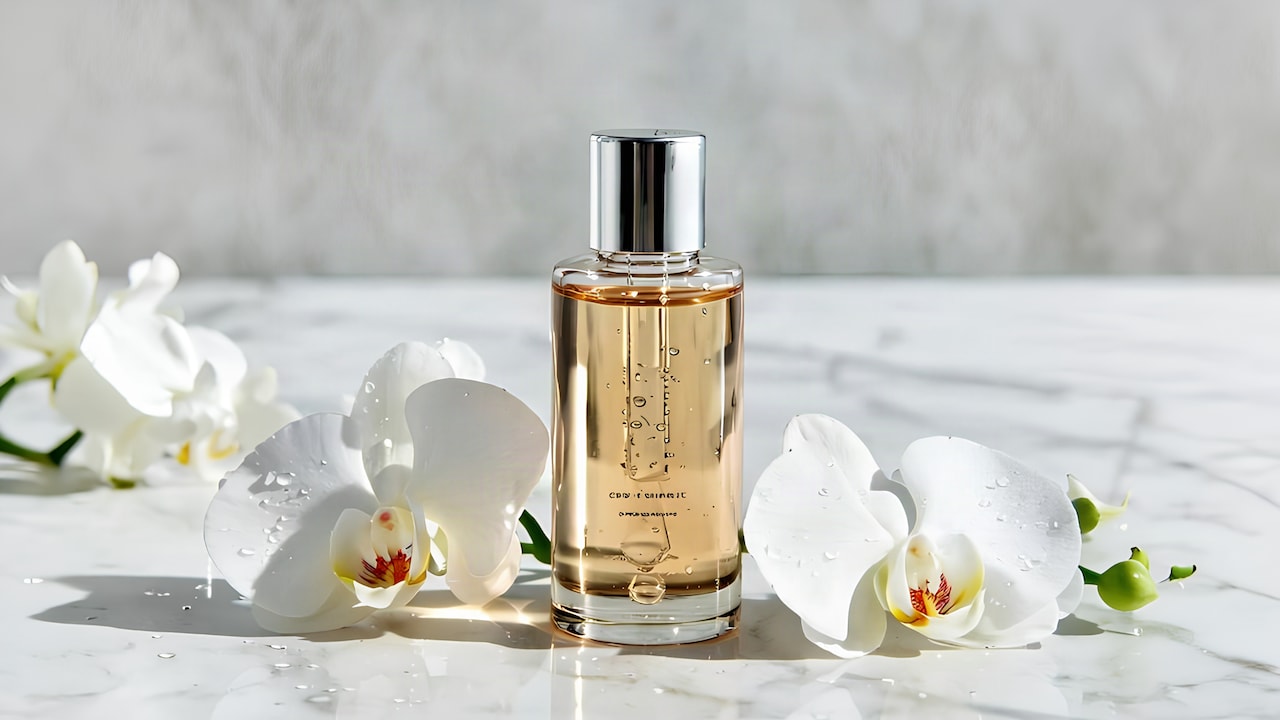
How To Select The Right Face Moisturiser For Hot, Humid Or Dry Weather; Photo Credit: Pexels
5. Balance Your Moisturiser With Your Daily Routine
A moisturiser should support your lifestyle rather than complicate it. Someone who spends long hours outdoors needs a product with added antioxidants and SPF during the day. Those who work indoors in air-conditioned spaces require hydration that withstands dry air without making the skin oily.
If makeup is part of your everyday routine, choose a moisturiser that absorbs quickly and sits smoothly under foundation. Lightweight gels, emulsions or water-based creams tend to blend well. Night routines, on the other hand, welcome richer textures. They repair the skin while you sleep and prepare it for the next morning.
A balanced routine feels effortless. Once your moisturiser aligns with your schedule, you'll notice smoother mornings and calmer evenings.
6. Factor in Pollution Levels
Pollution affects the skin more than most realise. Dust and microscopic pollutants cling to the face, worsening dullness and breakout cycles. A good moisturiser doesn't just hydrate, it forms a light protective layer that makes it harder for grime to settle.
Look for antioxidants like vitamin C, green tea extract, or centella asiatica. These help the skin fight environmental stress. Pollution-heavy cities benefit from barrier-repair ingredients like niacinamide or ceramides.
If your area faces frequent dust or construction activity, a lightweight moisturiser with antioxidants and a non-greasy finish works well during the day. At night, a repairing cream calms the effects of pollution the skin faced throughout the day.
7. Choose Between Gel, Lotion and Cream Textures Wisely
Product texture makes a world of difference. Gel-based moisturisers feel refreshing, absorb fast, and suit hot or sticky weather. Lotions sit somewhere in the middle, light but with enough richness to work in moderate climates. Creams deliver deep nourishment, ideal for cool, dry winter months or places with strong winds.
Think of texture as the “clothing” your skin wears. A gel acts like a cotton kurta, light and breathable. A cream behaves like a soft woollen shawl, comforting and protective. When the weather changes, your moisturiser's texture should change too.
Selecting the right texture saves your skin from feeling overloaded or under-nourished. It also reduces the chances of clogged pores, dry patches, or discomfort.

How To Select The Right Face Moisturiser For Hot, Humid Or Dry Weather; Photo Credit: Pexels
8. Pick Moisturisers Based on Skin Sensitivity and Reactions
Some people experience tingling, redness, or small bumps when they use certain products. Dermatologists often see this in cities with fluctuating temperatures or inconsistent air quality. Your moisturiser should soothe, not irritate.
If sensitivity shows up often, avoid strong fragrance, alcohol-heavy formulas, or unnecessary actives. Stick to simple ingredient lists. Aloe vera, oat extract, bisabolol and ceramides work well for sensitive skin. Patch testing helps prevent surprises. Apply a small amount on the jawline and wait 24 hours before using the product on the full face.
Climate-triggered sensitivity, like dryness from winter air or irritation from humidity, responds best to calming, uncomplicated formulas. When in doubt, choose minimalism.
9. Budget Without Compromising Skin Comfort
Great skincare doesn't always cost a fortune. The market offers plenty of moisturisers between ₹200 and ₹600 that perform beautifully. Many pharmacies and homegrown brands create effective, climate-friendly formulas with high-quality ingredients.
Higher-end moisturisers, often above ₹1,500, come with specialised ingredients or luxurious textures. They feel indulgent, but you don't need them to maintain healthy skin. What matters is consistency and understanding what your skin truly needs.
Spend smartly. Instead of splurging on multiple products, invest in one moisturiser that suits your climate and routine. Skin rewards consistency far more than price tags.
10. Let Your Skin Guide You, Not Trends
Trends change faster than weather patterns. One month, everyone raves about snail mucin. The next month, it's peptides. While some trends introduce wonderful ingredients, not every fad suits every climate or lifestyle.
The skin tells the truth long before influencers do. If a moisturiser makes the skin feel fresh, calm, and balanced throughout the day, then it's the right choice, regardless of what's trending. Trends come and go, but your skin remains your lifelong companion. Let it lead the conversation.
Products Related To This Article
1. Plum 2% Niacinamide & Rice Water Gel Cream Moisturizer
2. Minimalist Vitamin B5 Lightweight & Oil Free Moisturizer
3. DOT & KEY Dot & Key Barrier Repair Moisturizer For Normal + Dry +Combination & Sensitive Skin
4. Pilgrim Korean Rice Water Hydra Glow Light Gel Moisturizer With 5x Hydration
5. FoxTale Pure Bliss Nourishing Moisturiser with Niacinamide
6. Cetaphil Moisturising Cream for Face & Body with Niacinamide & Vitamin B5
7. FoxTale Foxtale Vitamin C Super Glow Moisturiser with Niacinamide & Peptides
Choosing the right moisturiser becomes easy when you understand your climate, skin behaviour, and daily routine. Weather shifts, pollution levels, water quality, and product textures all shape how your skin reacts. When you match these factors with the right formula, your skin responds with comfort, glow, and resilience.
The perfect moisturiser doesn't depend on price or popularity. It depends on the harmony between your environment, your habits, and your skin's needs. Once you find that balance, skincare stops feeling confusing and starts feeling simple, enjoyable, and refreshingly effective.
(Disclaimer: This article may include references to or features of products and services made available through affiliate marketing campaigns. NDTV Convergence Limited (“NDTV”) strives to maintain editorial independence while participating in such campaigns. NDTV does not assume responsibility for the performance or claims of any featured products or services.)