How To Store Makeup Properly During Humid Monsoon Months
Worried about makeup getting ruined during monsoon? Learn how to store cosmetics properly in humid weather to keep them fresh, hygienic and long-lasting.
How To Store Makeup Properly During Humid Monsoon Months
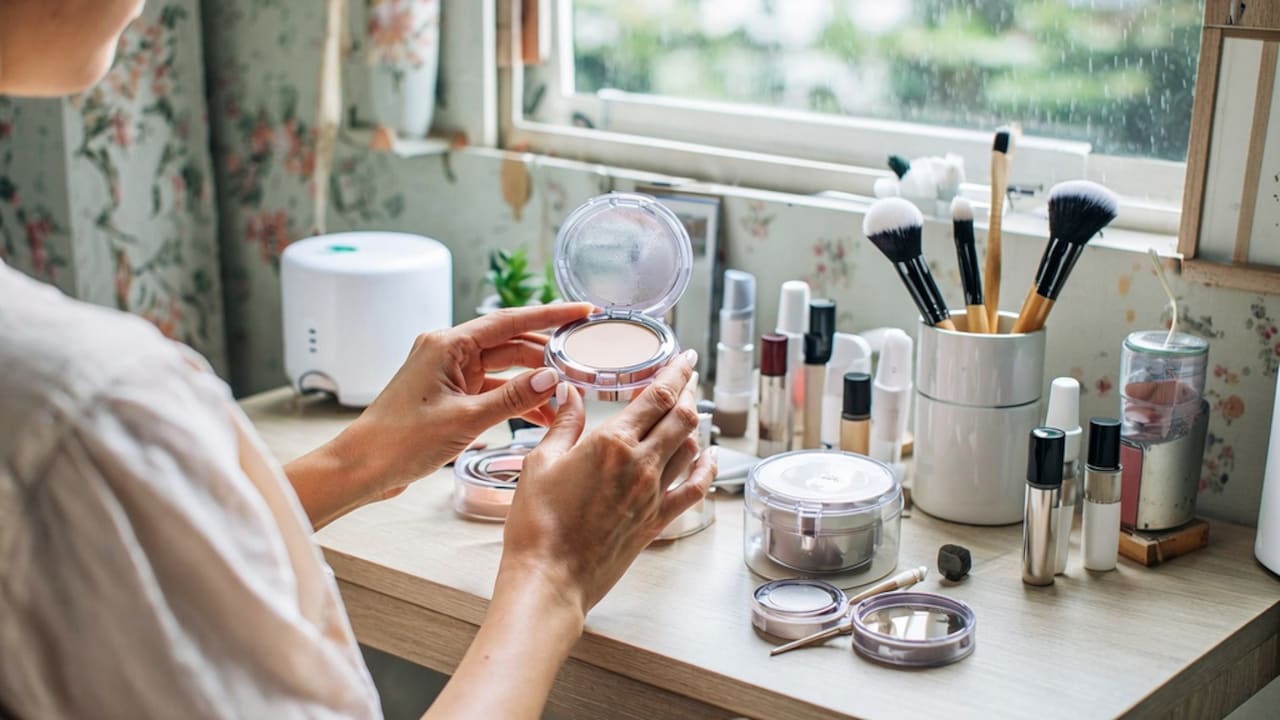
There is honestly nothing more frustrating than opening up your go-to compact powder or favourite foundation during the rainy season only to realise it's entirely changed. One day it glides on like a dream, and the next it's patchy, weirdly greasy, or just feels off. If your makeup acts up when humidity rises, you're not alone.
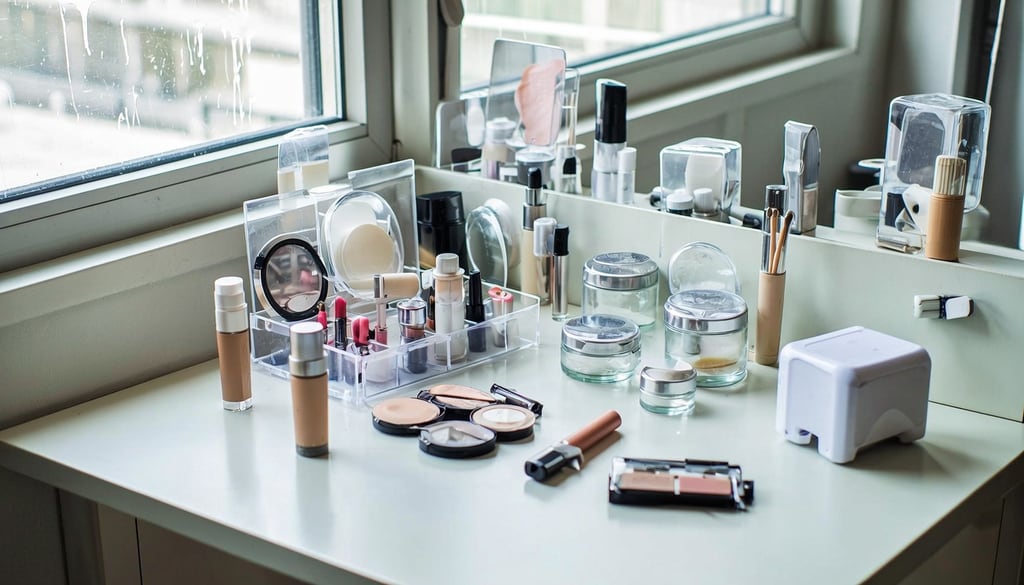
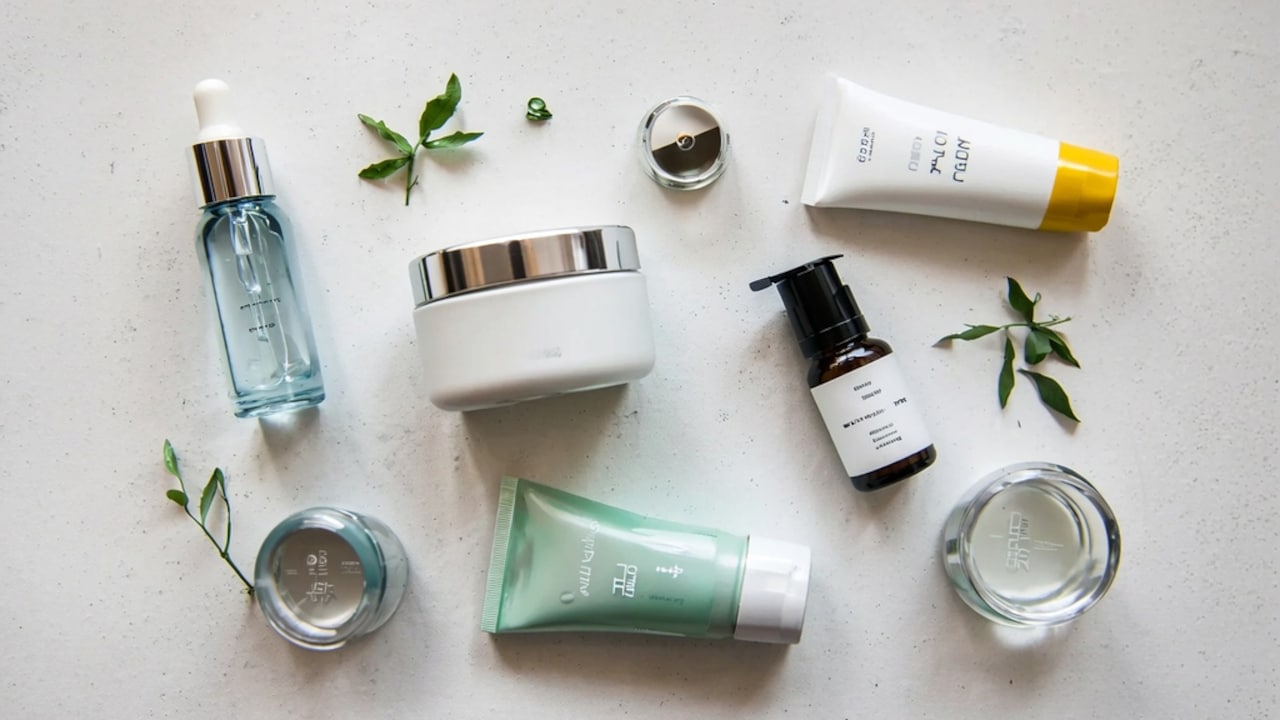
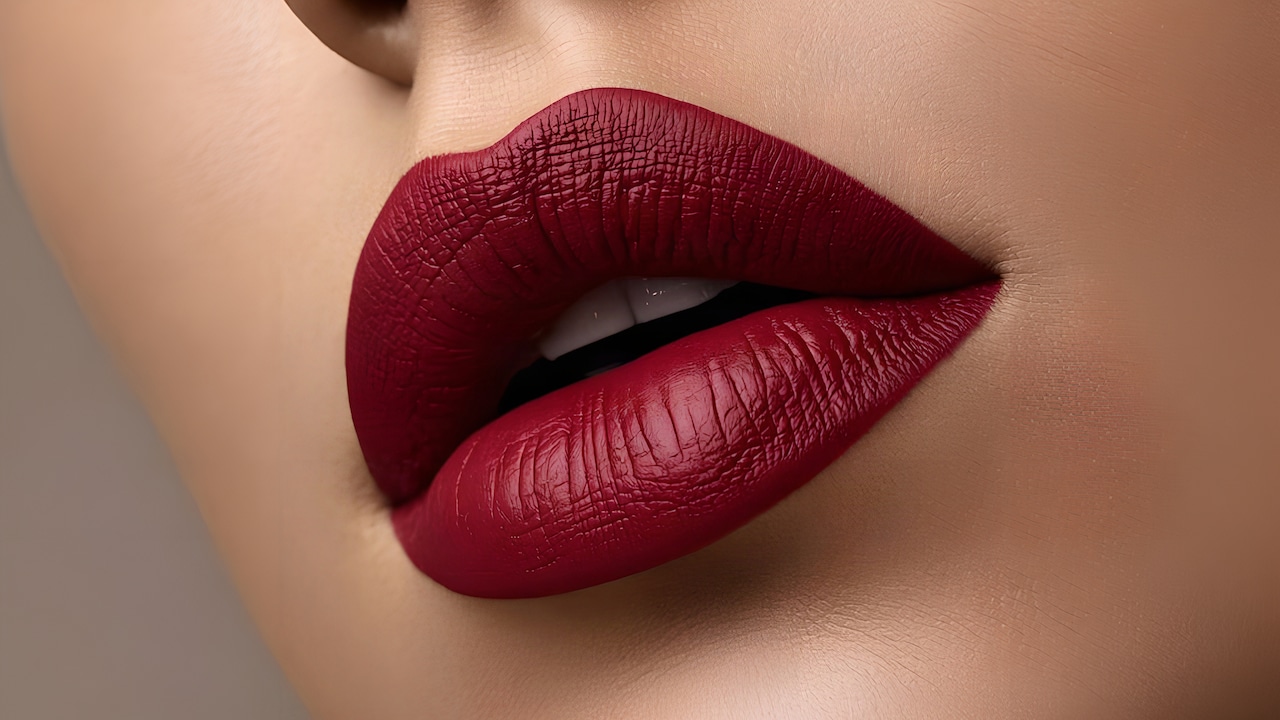
Keep makeup fresh, hygienic, and long lasting with proper cosmetic storage during humid monsoon months.
Photo Credit: AI Generated Image
The rainy season, while a welcome respite from the sweltering summer heat, certainly disrupts our beauty routines. That heavy, damp air doesn't just make your hair frizzy; it actively sabotages everything from your high-end foundations and concealers to your lipsticks, brushes, and blending sponges. Even premium, holy-grail products can quickly deteriorate when trapped in a high-moisture environment day after day.
But don't worry, you don't need to go out and buy a high-tech, expensive vanity setup to save your collection. Just changing up a few daily habits can protect your makeup, keep things totally hygienic, and make sure your favourite products actually do their job. Here is your ultimate guide to keeping your makeup safe and fresh throughout the humid monsoon months.
Why Humidity Can Damage Your Makeup Collection
A lot of us assume that makeup only goes bad when it hits its official expiration date, but the environment you keep it in matters just as much. When the monsoon hits, the amount of moisture floating around in the air skyrockets. This constant dampness disrupts cosmetic formulas, especially those you frequently open and use.
Just think about how your daily routine goes. Every single time you twist open a foundation bottle, pop open an eyeshadow palette, or click open a compact, you're exposing the formula to the air. If that air is heavy with humidity, your products can start to change, powders might get rock-hard, creams might turn into a runny mess, liquids can separate, and everything just stops applying the way it used to.
Worse, though, damp air is basically a VIP invitation for bacteria and mould to thrive, especially on tools like your makeup brushes and beauty sponges. Storing your makeup properly protects your skin from breakouts and irritation and saves you money.
How To Store Makeup Properly During Humid Monsoon Months
Keeping your makeup safe from the damp weather doesn't have to be a massive chore. Making a few quick, practical adjustments to your routine will easily double the lifespan of your collection.
1. Evict Your Makeup from the Bathroom
The steam from your showers can shorten your products' lifespan, even if it's convenient to prepare in front of the bathroom mirror. That "tropical rainforest" vibe ruins formulas fast. Move your kit to a bedroom drawer or a vanity where the air is way more stable and dry.
2. Swap Open Trays for Closed Boxes
Those aesthetic acrylic organisers are excellent until the humid air hits. During the rains, you want a barrier. Tuck your products into zippered pouches or solid vanity boxes. It adds a layer of defence against the dampness and, honestly, keeps everything looking much tidier.
3. Use Those Silica Packets
You know those little "do not eat" packets that come in new shoes? Start hoarding them. Toss a few into your makeup bag or drawer. They are moisture magnets that quietly soak up excess humidity, keeping your powders from getting clumpy.
4. Cap It Immediately
It's easy to leave everything uncapped while you're rushing through your routine, but during the monsoon, every second counts. Seal your liners, creams, and powders the moment you're done with them. It stops the damp air from settling into the product and prevents bacteria from moving in.
5. Deep Clean (and Properly Dry) Your Tools
Damp sponges are breeding grounds for mould when the sun isn't out. Wash your brushes more frequently, but make sure they dry in a breezy, well-lit spot.
Never toss a slightly damp blender into a dark drawer; that's just asking for a breakout.
Common Makeup Storage Mistakes People Often Make
Incorrect storage can ruin even the highest quality and most expensive makeup. Avoid these classic blunders:
1. Keeping Makeup In Direct Sunlight: Setting up your makeup station right by a window for the natural light is tempting, but the intense heat and UV rays will break down chemical formulas way faster than you think.
2. Storing Damp Beauty Tools: Shoving a slightly wet sponge or a damp brush back into a closed drawer is a recipe for mould growth, and that bacteria can easily migrate over to your actual makeup.
3. Ignoring Expiry Dates: Use the monsoon season as an excuse to do a thorough declutter. If something smells a bit off, has entirely changed colour, or has a weird new texture, do your skin a favour and toss it out.
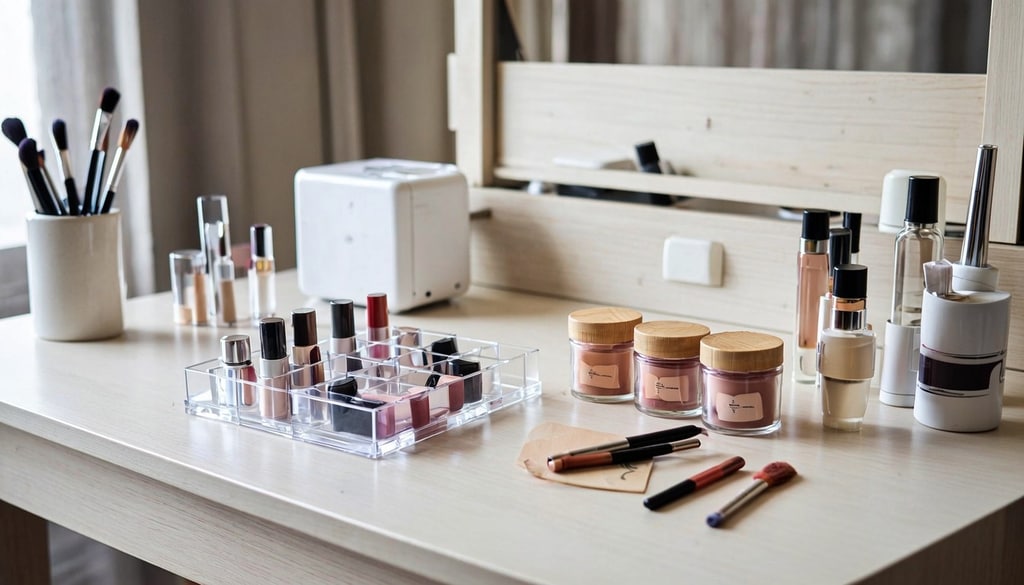
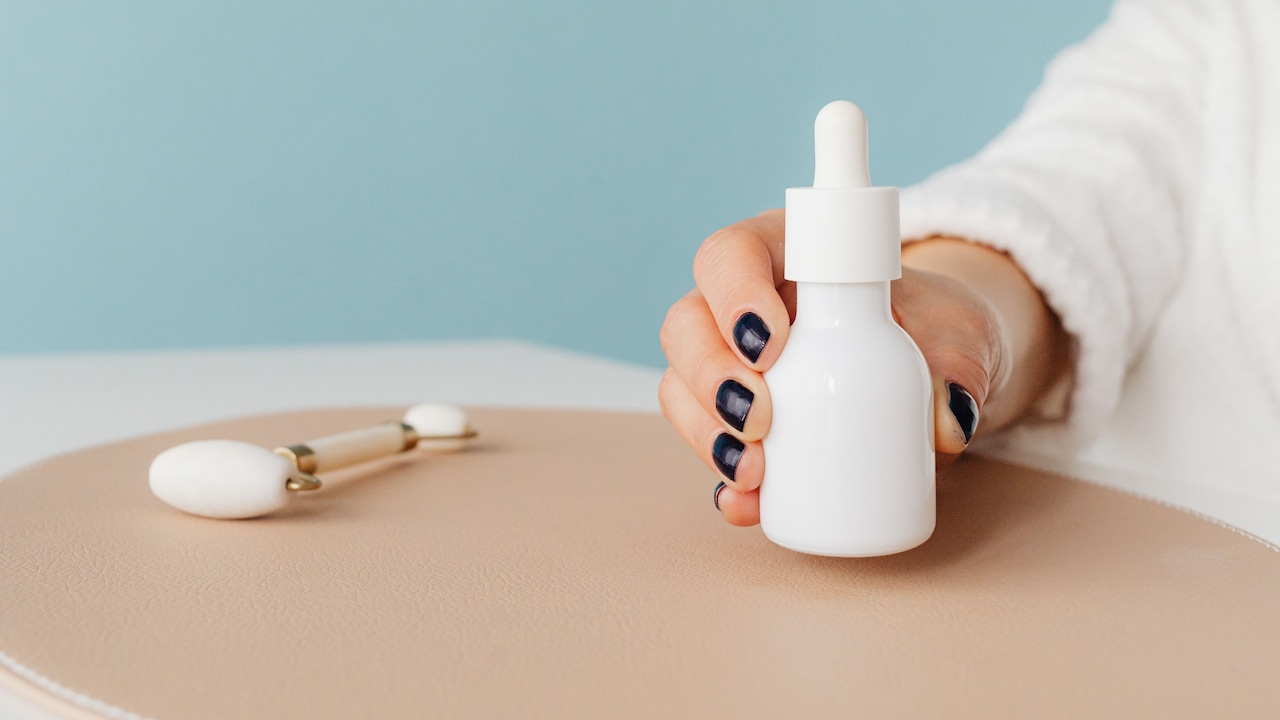
Protect cosmetics from humid monsoon weather by learning proper storage techniques for long lasting makeup.
Photo Credit: AI Generated Image
Some Makeup Storage Products You May Like
1. Amazon Basics Large-Capacity Makeup Organizer Box
2. House of Quirk Luxury Multi-Function Cosmetic Storage Box
3. Kuber Industries Jewellery Kit|Cosmetic Storage Box
4. Boniry Makeup Organizer Box, Countertop Cosmetic Organizer for Woman
5. INOVERA (LABEL) Nylon Makeup Organizer Bag for Women
6. Yagzon ABS Hard Shell Cosmetic Travel Hand Luggage Portable Carrying Makeup Case
7. SHAMAX Vanity Box Makeup Organiser Case (Waterproof) ABS Stylish Cosmetic Storage
8. Seagull flight of fashion Nylon Cosmetic Bag, Makeup Organizer Bag
In conclusion, storing your makeup properly during humid monsoon months is all about keeping products dry, clean, and protected from excess moisture. Opt for airtight containers, silica gel packs, and cool, shaded storage spaces to prevent bacterial growth and product spoilage. Regularly check expiry dates, clean your brushes, and avoid direct exposure to heat or damp areas like bathrooms. With these simple yet effective habits, you can maintain the quality of your makeup, ensure better skin hygiene, and enjoy long-lasting performance even in the stickiest weather.
Frequently Asked Questions (FAQs)
1. Can humidity ruin makeup products?
It absolutely can. High moisture levels can ruin makeup texture, mess with how the product applies, and significantly shorten its shelf life; creams and liquids are especially vulnerable.
2. Should makeup be stored in the bathroom?
Honestly, it's best not to. The constant steam from your shower creates a humid trap that can warp and degrade your cosmetic formulas over time.
3. How can I keep makeup dry during the monsoon?
Your best bet is to keep everything in closed containers and then add a few silica gel packets to soak up moisture. Also, keep your whole collection in a cool, dry room away from windows, because the air tends to be more humid at that time.
4. Do makeup brushes need extra care during humid weather?
Yes, brushes take longer to air dry in high humidity, so wash them often and wait until they are completely dry before putting them away. If you don't, you run the risk that bacteria will start to grow, and it can get messy.
5. How do I know if humidity has damaged my makeup?
Just watch for funky smells or odd colour shifts, such as separated liquids, clumpy textures, or any sign of fuzzy mould. If you spot it or you smell something off, then it's time to change it.
(Disclaimer: This article may include references to or features of products and services made available through affiliate marketing campaigns. NDTV Convergence Limited (“NDTV”) strives to maintain editorial independence while participating in such campaigns. NDTV does not assume responsibility for the performance or claims of any featured products or services.)