Hyaluronic Acid Mistakes You're Probably Making And Why Your Skin Still Feels Dry
Hyaluronic acid promises deep hydration, yet common skincare mistakes can leave skin drier than before. Discover the everyday habits that sabotage this popular ingredient, and how to fix them for lasting moisture.

Everyday Hyaluronic Acid Mistakes That Turn A Hydrating Ingredient Into A Dryness Nightmare.
Few skincare ingredients have achieved celebrity status quite like hyaluronic acid. Beauty shelves display it proudly, influencers praise it endlessly, and dermatologists recommend it for nearly every skin type. Promises sound irresistible: plump skin, reduced dryness, and a healthy glow without heaviness. With bottles ranging from ₹399 pharmacy finds to ₹3,500 luxury serums, hydration suddenly feels accessible to everyone.
Yet an odd paradox keeps appearing. Many people invest in hyaluronic acid products expecting dewy skin, only to notice the opposite. Tight cheeks by afternoon. Makeup clinging to dry patches. A persistent feeling that moisturiser simply disappears. Confusion follows. How can an ingredient famous for hydration create dryness instead?
The answer lies not in the ingredient itself but in how it is used. Hyaluronic acid behaves differently from traditional creams. It does not add moisture on its own; it attracts water. When routines ignore this simple science, the ingredient begins pulling hydration from deeper layers of skin instead of the environment. The result feels frustratingly counter-productive.
Modern skincare often encourages layering without understanding. Social media routines, trending activities, and rushed mornings make it easy to misuse even the gentlest ingredients. Small habits, applying products on dry skin, skipping moisturiser, or overusing actives, quietly undo the benefits.
Understanding these everyday mistakes changes everything. With a few thoughtful adjustments, hyaluronic acid returns to its true role: a reliable hydration partner rather than a dryness nightmare.
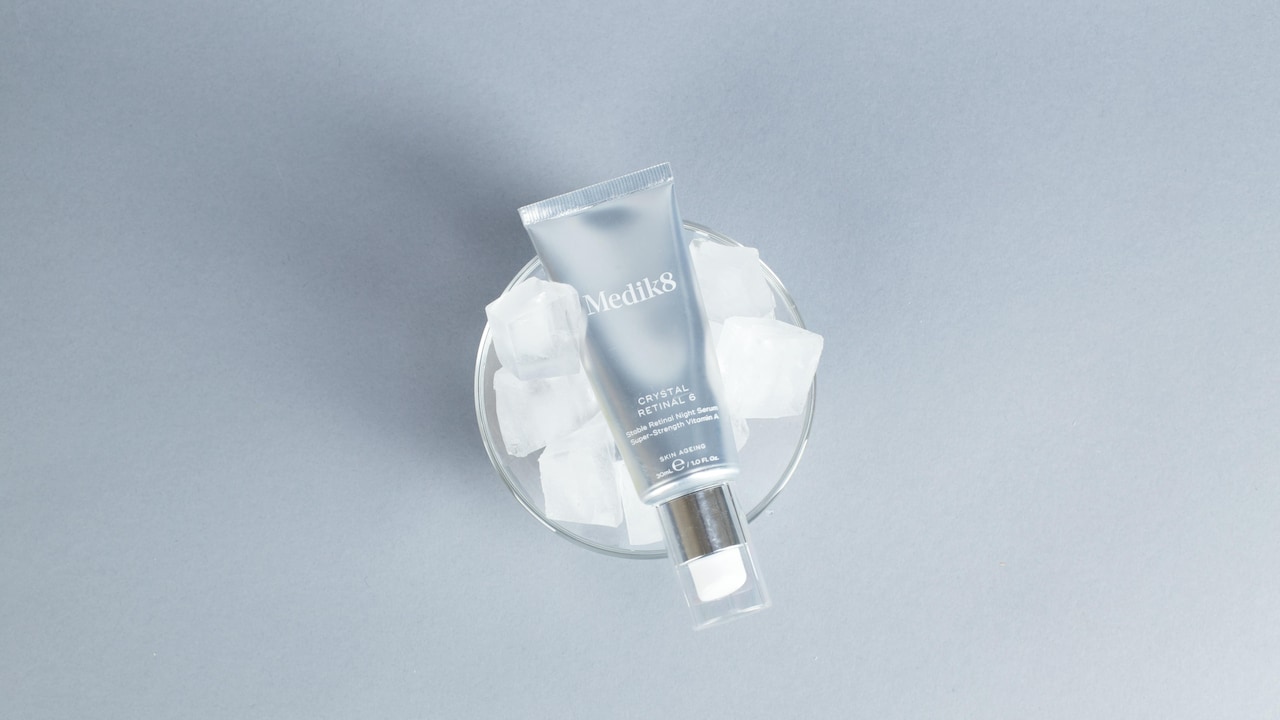
10 Common Hyaluronic Acid Mistakes That Are Secretly Drying Out Your Skin; Photo Credit: Pexels
Common Mistakes That Quietly Undermine Hyaluronic Acid's Hydrating Power
Applying Hyaluronic Acid On Completely Dry Skin
The most common mistake begins immediately after cleansing. Many people pat their face completely dry before applying serum, assuming skincare absorbs better on bare skin. With hyaluronic acid, this habit works against hydration.
Hyaluronic acid functions as a humectant, meaning it attracts water molecules. When applied to dry skin in an air-conditioned room or during dry weather, it struggles to find moisture in the environment. Instead, it pulls water from deeper skin layers, leaving the surface feeling tighter over time. The irony becomes clear: a hydrating ingredient quietly contributes to dehydration.
Consider a typical morning rush. After washing the face, a towel removes every drop of water. Serum follows immediately, then sunscreen, and the day begins. By lunchtime, cheeks feel stretched despite using a “hydrating” product. The issue lies not in quality but timing.
Applying hyaluronic acid onto slightly damp skin transforms its performance. A gentle mist of water or simply skipping the full towel-dry step gives the ingredient moisture to bind with. Skin feels instantly cushioned rather than squeaky.
This small adjustment often surprises people more than expensive product upgrades. Hydration depends less on price tags and more on technique. A ₹500 serum used correctly can outperform a luxury bottle used incorrectly.
Skipping Moisturiser After Application
Another widespread misunderstanding treats hyaluronic acid as a complete moisturiser. Lightweight textures feel refreshing, leading many to stop their routine right there. Unfortunately, this leaves hydration unfinished.
Hyaluronic acid attracts water but does not lock it in. Without a sealing layer, moisture evaporates quickly, especially in warm climates or air-conditioned offices. Skin initially feels plump but becomes dry within hours, creating the illusion that the ingredient “stopped working”.
Think of it like filling a steel water bottle without closing the lid. Water remains only briefly before escaping. Moisturiser acts as that lid, preventing transepidermal water loss.
A common evening routine illustrates this mistake. Serum goes on after cleansing, followed by scrolling through messages and heading to bed. Morning arrives with unexpected dullness. The missing step was not another active ingredient but a simple moisturiser.
Creams containing ceramides, squalane, or glycerine help seal hydration effectively. Even gel moisturisers work well for oily skin types. The goal is not heaviness but protection.
Pairing hyaluronic acid with moisturiser creates synergy. Without that partnership, hydration remains temporary, leaving skin chasing moisture repeatedly throughout the day.
Also Read: 5 Best Hyaluronic Acid Serums for Deep Hydration and Plump Skin Under ₹1,000
Using Too Much Product Expecting Faster Results
More product often feels like better care. Marketing encourages generous application, and the silky texture of hyaluronic acid makes overuse tempting. Yet excess serum frequently backfires.
Applying multiple layers creates a sticky film that interferes with absorption. Instead of penetrating smoothly, the product sits on the surface and begins drawing moisture outward unevenly. Skin may feel tacky, tight, or oddly greasy yet dehydrated underneath.
Morning routines sometimes turn into elaborate rituals involving three pumps of serum, followed by another layer “just in case”. Within an hour, sunscreen pills, foundation separates, and hydration feels inconsistent.
Hyaluronic acid works efficiently in small amounts. A pea-sized quantity spreads easily across damp skin. The ingredient already holds significant water-binding capacity; doubling the amount does not double hydration.
Overapplication also wastes money. Considering some serums cost ₹2,000 or more, unnecessary layering quietly drains wallets without improving results.
Consistency matters more than quantity. Gentle daily use allows skin to maintain balanced hydration without overwhelming its barrier. Skincare rewards patience far more than abundance.
Ignoring Climate And Environmental Conditions
Skincare advice often travels globally, but the climate dramatically affects how ingredients behave. Hyaluronic acid performs differently in humid coastal weather compared with dry indoor environments.
During monsoon months, atmospheric moisture helps the ingredient attract hydration easily. Skin feels naturally plump. However, during cooler seasons or in heavily air-conditioned spaces, environmental humidity drops significantly. Without available moisture, hyaluronic acid searches for water within the skin itself.
Office environments provide a perfect example. Eight hours under constant air conditioning can mimic desert-like dryness. Serum applied in the morning may gradually contribute to dehydration by the afternoon.
Adjusting routines according to surroundings makes a noticeable difference. Adding facial mists during the day or choosing richer moisturisers in dry conditions supports hydration balance.
Skincare rarely follows a one-size-fits-all rule. Observing how skin reacts to weather changes builds a better understanding than copying trending routines online.
Hydration depends not only on products but also on context. Recognising environmental influence turns hyaluronic acid into an adaptable ally rather than an unpredictable ingredient.

10 Common Hyaluronic Acid Mistakes That Are Secretly Drying Out Your Skin; Photo Credit: Pexels
Mixing With Too Many Strong Actives At Once
Modern skincare encourages multitasking ingredients. Vitamin C in the morning, retinol at night, exfoliating acids twice weekly, routines quickly become crowded. Hyaluronic acid often joins this mix as a calming addition, yet excessive actives can cancel its soothing benefits.
Strong exfoliants weaken the skin barrier temporarily. When hyaluronic acid is layered immediately after aggressive acids, compromised skin struggles to retain moisture effectively. Instead of calming irritation, dryness intensifies.
Imagine a weekend skincare reset involving exfoliating toner, resurfacing serum, and a new retinol cream purchased during a ₹1,200 sale. Hyaluronic acid follows, expected to prevent irritation. Instead, redness and tightness appear the next day. The barrier simply received too much stimulation at once.
Spacing active ingredients across different days allows skin recovery time. Hyaluronic acid performs best when supporting barrier repair rather than competing with multiple treatments simultaneously.
Balanced routines prioritise skin comfort over experimentation. Hydration thrives when skin feels stable, not overwhelmed.
Choosing The Wrong Molecular Weight Formula
Not all hyaluronic acid products behave identically. Formulations differ in molecular weight, which determines how deeply the ingredient penetrates skin layers. Many people unknowingly choose textures unsuitable for their needs.
High molecular weight hyaluronic acid sits near the surface, providing immediate smoothing and softness. Low molecular weight versions penetrate deeper, offering longer-term hydration but sometimes causing sensitivity for reactive skin.
A lightweight serum trending online may work beautifully for one person yet feel irritating for another. The mismatch often leads to abandoning hyaluronic acid altogether rather than adjusting formulation choice.
Skin prone to sensitivity often prefers multi-weight formulas that balance surface hydration with gentle penetration. These blends prevent the tight sensation sometimes associated with deeper-acting versions.
Reading ingredient descriptions helps decode product performance. Hydration should feel comfortable from application through the entire day, not briefly impressive followed by dryness.
Understanding formulation differences transforms skincare shopping from guesswork into informed selection, saving both frustration and unnecessary spending.
Applying It At The Wrong Step In The Routine
Order matters more than many realise. Hyaluronic acid performs best when applied after cleansing and before heavier creams. Misplacing it within routines reduces effectiveness.
Some routines apply oils first, followed by serum. Oils create an occlusive barrier that prevents humectants from accessing moisture properly. The serum ends up sitting on top rather than binding to hydration.
Others apply hyaluronic acid after thick moisturisers, expecting an extra boost. Unfortunately, the ingredient cannot penetrate effectively through dense layers.
Correct sequencing feels simple yet powerful. Cleanse, apply to damp skin, follow with moisturiser, then sunscreen during the day. This order allows hydration to build progressively.
Think of skincare layers like dressing for unpredictable weather. Lightweight layers go closest to the skin; heavier protection follows. Reversing the order rarely works comfortably.
Consistency in application order helps skin recognise routine patterns, improving overall hydration response over time.
10 Common Hyaluronic Acid Mistakes That Are Secretly Drying Out Your Skin; Photo Credit: Pexels
Expecting Instant Transformation Instead Of Gradual Improvement
Marketing often promises an overnight glow, creating unrealistic expectations. When results appear subtle, disappointment leads to overuse or frequent product switching.
Hyaluronic acid supports hydration gradually. Skin barrier improvement takes days or weeks, not hours. Immediate plumping comes from water retention, but lasting comfort develops through consistent use.
Switching between multiple products within weeks prevents skin from adapting. Drawers fill with half-used bottles worth thousands of rupees while hydration issues persist.
Patience remains an underrated skincare skill. Observing skin weekly rather than daily reveals genuine improvement. Reduced tightness, smoother makeup application, and balanced oil production signal progress.
Consistency also prevents irritation caused by constant experimentation. Sometimes the best routine feels almost boring, gentle, predictable, and reliable.
Hydration is a long conversation with skin, not a dramatic overnight event.
Forgetting Internal Hydration And Lifestyle Factors
Topical skincare receives most attention, yet internal habits strongly influence hydration levels. Hyaluronic acid cannot compensate for chronic dehydration, irregular sleep, or excessive caffeine.
Long workdays often involve multiple cups of chai or coffee with minimal water intake. Skin reflects this imbalance through dullness and tightness, regardless of expensive serums.
Balanced hydration from within supports topical products significantly. Adequate water intake, seasonal fruits, and consistent sleep patterns improve the skin's ability to retain moisture naturally.
Stress also plays a surprising role. High cortisol levels weaken the skin barrier, increasing water loss. During demanding weeks, even trusted skincare products may feel less effective.
Viewing hyaluronic acid as part of a broader lifestyle approach shifts expectations realistically. Skincare complements wellness; it cannot replace it.
When internal and external hydration align, results feel noticeably smoother and more sustainable.
Neglecting Sunscreen While Focusing On Hydration
Hydration and sun protection share a deeper connection than often acknowledged. Ultraviolet exposure damages the skin barrier, increasing moisture loss and undermining hydrating ingredients.
Many routines prioritise serums yet treat sunscreen as optional, especially during cloudy days or indoor work hours. Over time, sun exposure weakens collagen and reduces the skin's natural ability to retain water.
Imagine investing ₹2,500 in a premium hydrating serum while skipping daily sunscreen. The investment quietly loses effectiveness under UV stress.
Sunscreen preserves hydration gains achieved through skincare. Broad-spectrum protection prevents barrier disruption, allowing hyaluronic acid to function optimally.
Hydrated skin without sun protection resembles filling a bucket with small holes at the bottom. Moisture escapes faster than it accumulates.
Daily sunscreen completes the hydration cycle, ensuring efforts translate into long-term skin comfort rather than temporary improvement.
Products Related To This Article
1. She Derma Hyaluronic Acid Face Toner Plumping Skin Intense Hydration Men Women
2. Cosrx Hyaluronic Acid Hydra Power Essence For Dehydrated Skin Korean Skincare Men Women
3. Bifrrutant Hyaluronic Acid Powder Firm Skin Glow Enhancer
4. Nuerma Science Hyaluronic Acid Face Serum Vitamin C, E Peptide Illuminating Skin
5. Gleam Soul Hyaluronic Acid Jelly Mask Deep Nourishment Plump Skin Fresh Glow
Hyaluronic acid remains one of skincare's most reliable ingredients, yet its success depends almost entirely on usage habits. Misunderstandings, dry application, missing moisturiser, excessive layering, or unrealistic expectations quietly transform a hydration hero into a source of frustration.
The encouraging truth is that most mistakes require simple adjustments rather than expensive replacements. Slightly damp skin, thoughtful layering, environmental awareness, and patience allow the ingredient to perform as intended. Hydration becomes consistent rather than fleeting.
Skincare often feels complicated because trends prioritise novelty over understanding. Returning to basics reveals a calmer approach: support the skin barrier, observe environmental changes, and treat hydration as an ongoing relationship rather than a quick fix.
When used wisely, hyaluronic acid delivers exactly what it promises: comfortable, resilient skin that feels balanced from morning to night. The difference lies not in chasing new products but in mastering everyday habits that quietly transform results.
(Disclaimer: This article may include references to or features of products and services made available through affiliate marketing campaigns. NDTV Convergence Limited (“NDTV”) strives to maintain editorial independence while participating in such campaigns. NDTV does not assume responsibility for the performance or claims of any featured products or services.)