10 Reasons Foundation Turns Patchy Around The Nose And How To Keep The Base Smooth
Foundation turning patchy around the nose can come down to dry skin, excess oil, heavy layers or poor blending. Here are 10 common reasons your base separates around the nose, plus simple ways to keep foundation looking smooth.
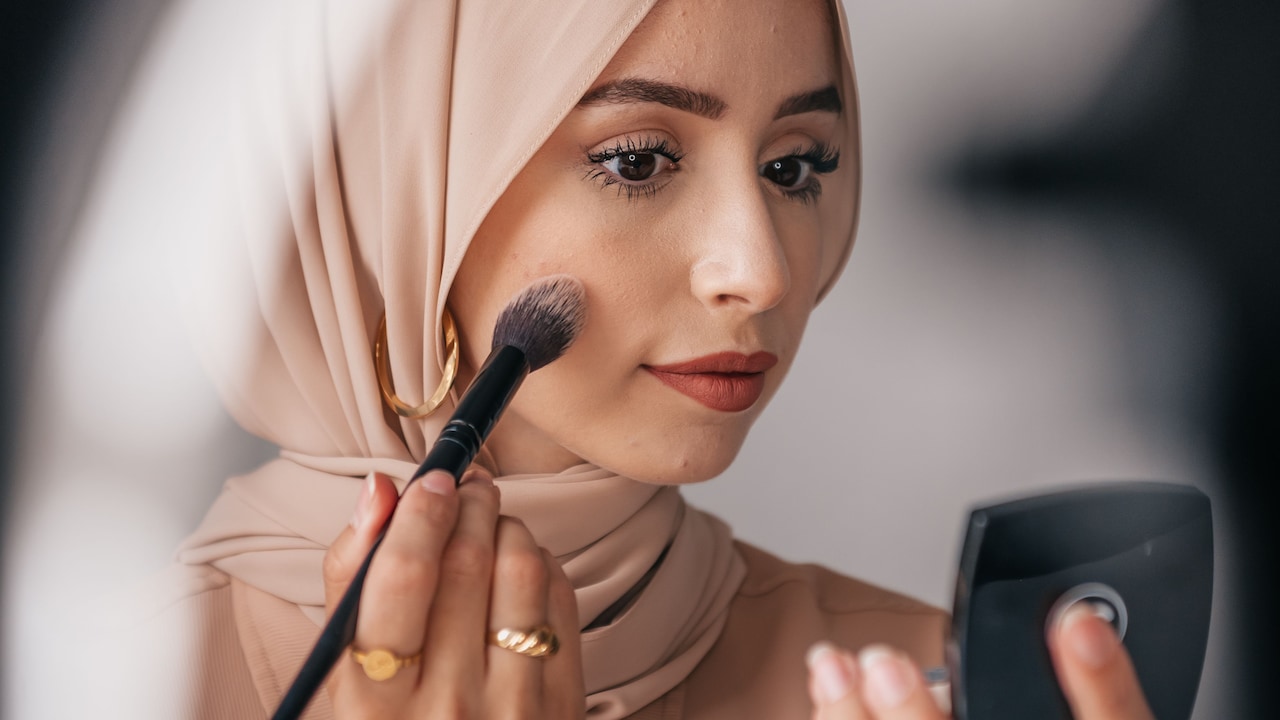
Common reasons why your foundation looks patchy upon application
Foundation can behave beautifully across the cheeks and forehead, then reach the nose and seemingly forget its job. Suddenly there are tiny flakes beside the nostrils, visible dots across the crease or a suspicious bare patch where the base disappeared within an hour. Even carefully applied makeup can struggle in this small but surprisingly demanding part of the face. The nose sits in a tricky middle ground. It can produce plenty of oil while simultaneously developing dry patches. There are curves, pores and creases to contend with, plus constant movement from talking, smiling, wiping sweat and touching the face. Add sunscreen, moisturiser, primer and foundation into the mix, and several layers have to cooperate in very little space.

Why does foundation look patchy and how to prevent it from separating
Photo Credit: Pexels
The good news? Patchiness around the nose rarely requires buying an entirely new makeup bag. Small changes to skin preparation, product quantity and application technique can make a noticeable difference. Here are 10 reasons foundation turns patchy around the nose and what can help keep the base looking smoother.
Also Read: Luxury Foundations That Are Worth Trying For Added Sun Protection
Why Foundation Turns Patchy Around The Nose And What Helps Keep It Smooth
1. Dry Skin Around The Nose Is Grabbing The Foundation
The nose may look oily from a distance while hiding dry, flaky skin around the nostrils. Foundation catches on these tiny rough patches and makes them far more visible. A barely noticeable flake suddenly becomes a miniature billboard once pigment settles around its edges.
Aggressive cleansing, weather changes, frequent face washing and strong skincare products can all leave this area dehydrated. Rubbing the nose repeatedly with tissues during allergies or a cold doesn't help either.
Rather than trying to cover the texture with more foundation, prepare the area gently. Use a mild cleanser and apply a light moisturiser around the nose before makeup. Give it a few minutes to settle. If obvious flakes remain, gentle exfoliation on an appropriate skincare day may help, but scrubbing immediately before makeup can create more irritation.
During foundation application, use thin layers. Press the product onto the skin rather than dragging a brush repeatedly across dry areas. Less pigment sitting on top of texture usually creates a smoother-looking result.
2. Too Much Moisturiser Is Making The Base Slide
Dryness causes trouble, but so can enthusiastic moisturising. When a generous layer of cream sits around the nose, foundation may struggle to grip the skin. Instead of forming an even film, it moves around, separates or collects in the creases beside the nostrils.
This often happens when makeup goes on immediately after skincare. The moisturiser hasn't had enough time to settle, especially if several products have already been layered underneath it.
Try applying only the amount of moisturiser the area actually needs. The cheeks might appreciate a richer layer while the nose requires much less. After skincare, allow several minutes before starting makeup. If the nose still feels slippery, gently press a clean tissue over it rather than rubbing everything away.
Foundation should then go on sparingly. Think of the nose as an area that needs strategic coverage rather than the same quantity used across the rest of the face. A thin veil often survives far better than a thick layer floating over moisturiser.
3. Your Sunscreen Has Not Fully Settled
Sunscreen deserves its place in a morning routine, but foundation doesn't always appreciate being applied over a freshly spread layer. Some formulas leave a rich, silicone-heavy or slightly tacky finish. When foundation goes straight on top, the two products may move together instead of forming separate, stable layers.
The result often appears first around the nose. Foundation may roll into tiny particles, separate beside the nostrils or vanish when a sponge passes over the same spot twice.
Give sunscreen enough time to form an even layer before makeup begins. Avoid aggressively rubbing foundation over it. Instead, use tapping or pressing motions, particularly around the nose.
Product quantity matters here too. Don't compensate for a slippery base by piling on extra powder or foundation. That can turn separation into visible texture.
If patchiness regularly appears only after sunscreen, test the combination at home. Apply the usual sunscreen to one section and foundation over it after allowing it to settle. Sometimes both products work perfectly well alone but simply don't layer comfortably together.
4. Foundation And Primer Formulas Are Fighting Each Other
Primer can make foundation look smoother, but it isn't automatically compatible with every base product. Different formulas contain different combinations of water, silicones, oils and film-forming ingredients. When layers don't sit comfortably together, foundation can bead, separate or appear uneven.
The nose tends to expose the problem quickly because there's less flat surface area and more movement. Applying several coats of primer can make matters worse.
Before blaming the foundation, test it without primer for a day. If the nose suddenly looks better, the pairing may be the issue rather than either product individually.
If primer is useful for enlarged-looking pores or excess shine, apply a tiny amount only where needed. Smooth it over the skin rather than continuously rubbing it in. Then allow it to settle before adding foundation.
There's no need to create a complicated chemistry experiment at the dressing table. The practical rule is simpler: fewer layers usually leave fewer opportunities for products to interfere with one another.
5. Too Much Foundation Is Collecting Around The Nostrils
The instinct when foundation looks patchy is often to add more. Around the nose, that can quickly backfire.
The nostrils contain folds and curves where excess product naturally gathers. Every additional pump creates more pigment that needs somewhere to sit. Instead of covering the skin smoothly, foundation begins forming visible ridges, particularly when facial movement starts.
Try applying foundation to the broader areas of the face first. Then use whatever remains on the brush or sponge around the nose. This creates a much thinner layer without leaving the area completely uncovered.
If extra coverage is necessary for redness, use a small amount of concealer exactly where needed rather than coating the entire nose again.
This technique can feel surprisingly minimal at first. Yet once the whole face is finished, the nose often looks more polished because there's less product available to crease, separate or rub away. With base makeup, especially around difficult areas, more coverage and more product aren't always the same thing.
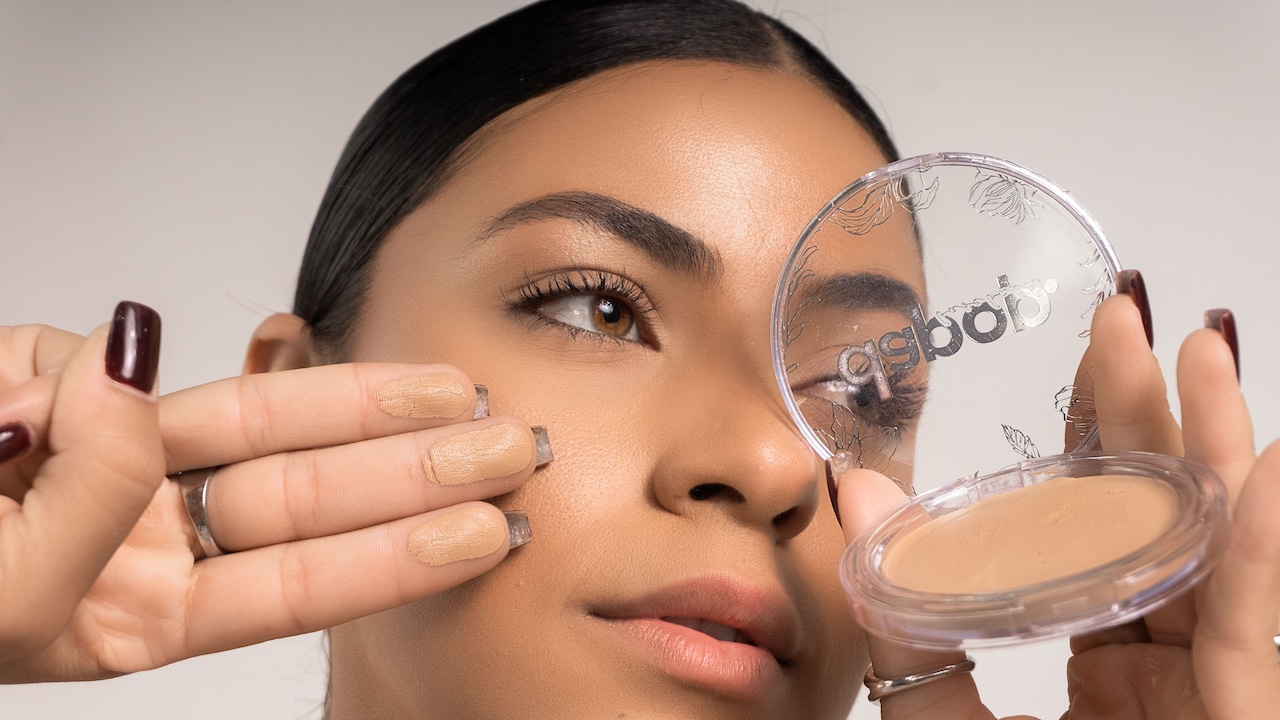
Using excess amount of the product can also make your foundation look patchy
Photo Credit: Pexels
6. Oil Is Breaking Down Foundation During The Day
A flawless morning base can become patchy by lunchtime because the nose often produces more oil than surrounding areas. Sebum mixes with foundation and gradually weakens the smooth film created during application. Certain spots disappear completely while pigment gathers around pores and creases.
Hot, humid days can make the effect even more obvious. Add sweat, a long commute or several hours outdoors and the nose may look very different from the cheeks by afternoon.
Heavy powder isn't the only answer. Start by using thinner layers of foundation around oily areas. A suitable mattifying primer can help if excessive shine is a recurring problem, but keep the application light.
During the day, blot excess oil before adding anything else. Pressing tissue or blotting paper against the nose removes shine without immediately piling another cosmetic layer on top.
If a touch-up is necessary afterwards, add only a tiny amount of powder or foundation. Applying fresh makeup directly over accumulated oil usually creates the very patchiness you're trying to fix.
7. Powder Is Making The Nose Look Dry And Cakey
Setting powder can improve foundation longevity, but the nose doesn't necessarily need a thick coat. Too much powder absorbs moisture and oil from the surface, leaving foundation looking dry, heavy or cracked. It can also settle around the nostrils, making normal skin texture appear exaggerated.
Loose powder can be particularly easy to overapply when using a large puff or sponge. The technique may work beautifully under the eyes while creating a noticeably chalkier finish around the nose.
Use a small brush or lightly loaded puff for better control. Press a minimal amount onto areas that genuinely become oily rather than covering every millimetre with the same quantity.
If the base already looks dry, repeatedly adding powder during the day won't restore smoothness. Blot first and reassess. Sometimes removing excess oil is enough.
The aim isn't to eliminate every trace of natural skin texture or shine. A small amount of natural dimension often looks fresher than an aggressively powdered nose that remains matte but visibly textured.
8. Your Sponge Or Brush Is Lifting Product Back Off
Sometimes foundation applies smoothly and then becomes patchy while you're still blending it. The culprit may be the tool rather than the formula.
Repeatedly bouncing a damp sponge over the same tiny area can start lifting foundation instead of blending it. A dense brush can do something similar when it gets pushed back and forth around the nostrils. Eventually, one section looks perfectly covered while the neighbouring section becomes strangely bare.
The nose needs surprisingly little blending once the foundation has spread evenly. Use light pressing motions and stop when the area looks smooth.
A small brush can help reach the creases around the nostrils without disturbing nearby product. If using a sponge, make sure it is damp rather than soaking wet. Excess water can thin foundation and interfere with coverage.
There is also such a thing as over-perfecting makeup. Continually returning to one tiny area often creates problems that weren't there initially. Blend, inspect from normal mirror distance and know when to leave the nose alone.
9. Pores And Texture Are Being Mistaken For Patchiness
Foundation can't remove pores, and trying to make them completely invisible can lead to far too much product around the nose. What looks like patchiness in a magnifying mirror may simply be normal skin texture becoming more noticeable because pigment has settled around pores.
Heavy foundation can exaggerate this effect. Powder then adds another layer, making each pore appear even more defined.
Instead of trying to fill every visible pore, keep the base thin. A smoothing primer may soften the appearance of texture for those who enjoy using one, but apply it sparingly. Pressing foundation over the area rather than brushing it aggressively back and forth can also help.
Most importantly, check makeup from a realistic viewing distance. Nobody encounters a face at the same magnification as a mirror positioned a few centimetres away.
The goal of foundation should be a more even-looking complexion, not a digitally blurred surface. Allowing a little real skin texture to remain visible often produces a more convincing and comfortable finish.
10. Touching And Wiping The Nose Is Removing Foundation
Even perfectly applied foundation can't withstand unlimited friction. Fingers, handkerchiefs, tissues, glasses and the occasional absent-minded nose scratch all remove small amounts of makeup throughout the day.
The effect becomes particularly obvious around the nostrils because foundation already sits across curved, mobile skin. One firm wipe can leave an obvious bare patch surrounded by intact makeup.
Instead of rubbing the nose when removing sweat or oil, gently press a tissue against the skin. The same approach helps during a runny nose, although expecting foundation to remain untouched through constant tissue use isn't particularly realistic.
Glasses can also disturb makeup along the sides and bridge of the nose. Applying less foundation beneath contact points usually creates a neater result than trying to build heavy coverage there.
For touch-ups, smooth the edges of the remaining foundation before adding a tiny amount of fresh product. Layering directly over a sharply rubbed-off patch can make the difference in texture even more noticeable.
Products Related To This Article
1. Maybelline New York 30H Longwear Super Stay Lumi-Matte Liquid Foundation 35ml
2. Pilgrim Dream Matte Serum Liquid Foundation
3. Lakme Xtraordin-airy Mattereal Mousse Foundation, Matte Finish - 01 Classic Ivory
4. FACES CANADA SPF30 All Day Hydra 3IN1 Mini Matte Foundation+Moisturizer - Absolute Ivory
5. Hilary Rhoda Radiant Long Lasting BB Foundation 60 g
6. LOreal Paris Infallible 24H Lightweight Dewy Tinted Serum Foundation 30ml
7. Be!Myn GlowKiss Lightweight Everyday Serum Foundation 20 ml
Patchy foundation around the nose isn't necessarily a sign that the foundation itself is bad. Dry flakes, oil, skincare layers, excessive powder and even enthusiastic blending can all disrupt the finish.
The simplest fix often involves doing less: lighter skincare layers, less foundation, less powder and fewer repeated blending motions. Once the skin has comfortable preparation and the base has less product to manage, that stubborn little area around the nose usually becomes much easier to work with.
(Disclaimer: This article may include references to or features of products and services made available through affiliate marketing campaigns. NDTV Convergence Limited (“NDTV”) strives to maintain editorial independence while participating in such campaigns. NDTV does not assume responsibility for the performance or claims of any featured products or services.)