Shampoos That Cause More Hair Fall: Sulphate Myths Vs Reality
Do sulphates in shampoos really cause hair fall, or is it just a myth? This article breaks down the science, clears common confusion, and helps you choose what truly works for your hair.
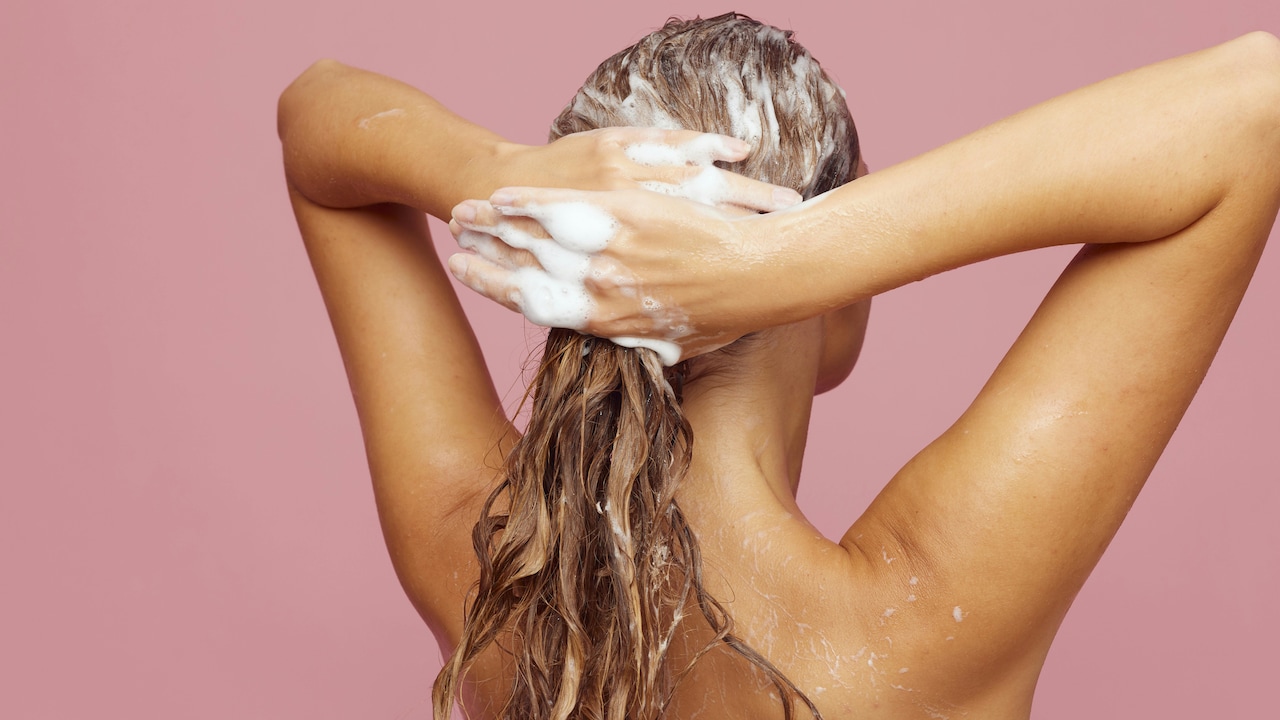
Read the hidden truth behind sulphate shampoos and hairfall
Hair fall has a way of sneaking into everyday conversations. It starts with a few strands on the pillow, then suddenly becomes a full-blown concern during every shower. Among the many culprits people point fingers at, shampoos, particularly those with sulphates, take centre stage. Shelves today boast “sulphate-free” labels as if they are a badge of honour, often priced ₹200–₹500 higher than regular options.
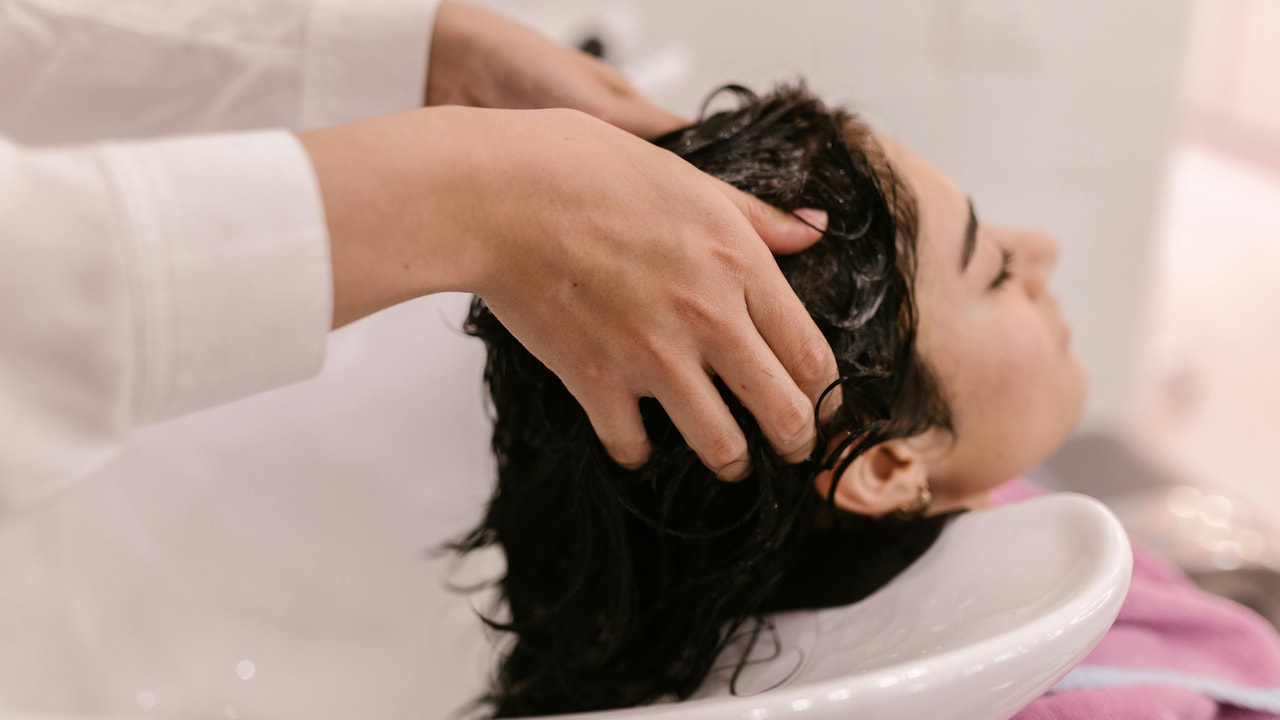
All about shampoos that can increase hair fall; Photo Credit: Pexels
But here's the thing: not everything that foams is harmful, and not everything that's labelled “free-from” is automatically better. The conversation around sulphates has become muddled with half-truths, marketing claims, and well-meaning advice from friends and family.
This article takes a closer look at shampoos and their role in hair fall, especially the sulphate debate. By the end, the aim is simple: to replace confusion with clarity and help readers make decisions that actually benefit their hair.
Also Read: Best Anti-Hair Fall Shampoos in India for Monsoon That Do Not Dry Out Your Scalp
Understanding Sulphates, Hair Fall, And The Truth Behind Shampoo Choices
What Are Sulphates And Why Are They Used In Shampoos
Sulphates sound intimidating, but they are simply cleansing agents. These ingredients, often listed as Sodium Lauryl Sulphate (SLS) or Sodium Laureth Sulphate (SLES), help remove dirt, oil, and product build-up from the scalp. Is that satisfying lather most people associate with a “good wash”? That's sulphates doing their job.
Think of sulphates as the detergent in shampoo. Just like dishwashing liquid cuts through grease on utensils, sulphates break down excess oil on the scalp. Without them, shampoos would struggle to clean effectively, especially for those who use styling products or live in polluted cities.
The problem arises when sulphates are misunderstood as inherently damaging. While they can feel slightly drying for some, they are not villains by default. In fact, for oily scalps, they can be quite beneficial.
The real question isn't whether sulphates are good or bad, but whether they suit a particular hair type and routine.
Do Sulphates Actually Cause Hair Fall, or Is It A Myth
The belief that sulphates cause hair fall has spread like wildfire, but science tells a different story. Sulphates do not penetrate the hair follicle, which means they cannot directly cause hair loss. Hair fall typically originates from the root, influenced by factors such as stress, diet, hormones, or medical conditions.
What sulphates can do, however, is make hair feel dry or rough if used excessively. This dryness may lead to breakage, which often gets mistaken for hair fall. There's a subtle but important difference: hair fall happens at the root, while breakage occurs along the strand.
This confusion fuels the myth. When more strands appear in the drain after switching shampoos, sulphates often get blamed, even if they aren't the real cause.
It's worth remembering that shedding 50 to 100 strands a day is completely normal. The panic often comes from noticing it, not from an actual increase.
The Difference Between Hair Fall And Hair Breakage
Hair fall and hair breakage may look similar, but they tell very different stories. Hair fall involves the entire strand, including the root bulb, while breakage leaves behind shorter, uneven strands.
Sulphates, when used in harsh formulations or too frequently, can strip natural oils from the scalp. This makes hair dry and brittle, increasing the chances of breakage. The ends begin to split, strands snap easily, and suddenly it feels like hair is falling out in alarming amounts.
In reality, the root remains unaffected. The issue lies in the condition of the hair shaft.
This distinction matters because the solutions differ. Hair fall might require addressing internal health or scalp conditions, while breakage calls for better hydration and gentler handling.
Understanding this difference helps avoid blaming the wrong product and focusing on what actually needs attention.
Why Sulphate-Free Shampoos Became So Popular
Sulphate-free shampoos didn't rise to fame by accident. The shift began with the growing awareness of gentle skincare and clean beauty. Soon, the idea extended to haircare, and sulphates became an easy target.
Brands quickly caught on. Labels like “paraben-free” and “sulphate-free” started appearing everywhere, often accompanied by sleek packaging and higher price tags. A ₹300 shampoo suddenly seemed inferior next to a ₹700 “gentle” alternative.
Social media played a huge role, too. Influencers shared routines promising shinier, healthier hair without sulphates, creating a perception that traditional shampoos were outdated or harmful.
While sulphate-free shampoos can be beneficial for certain hair types, their popularity owes as much to marketing as to necessity. Not every scalp needs such mild cleansing, especially in humid climates where sweat and oil build up quickly.
Sometimes, the trend says more about branding than about actual hair needs.
When Sulphates Can Be Too Harsh For Your Hair
Despite not causing hair fall directly, sulphates can feel too harsh for some people. Those with dry, frizzy, or chemically treated hair often notice increased dryness after using strong sulphate-based shampoos.
Colour-treated hair is particularly sensitive. Sulphates can strip away not just dirt but also the colour, making it fade faster. Similarly, curly hair types, which naturally lack moisture, may struggle with the drying effects.
Overwashing adds to the problem. Using a sulphate-heavy shampoo daily can leave the scalp stripped, prompting it to produce even more oil. This creates a frustrating cycle, with greasy roots and dry ends.
In such cases, switching to a gentler formula makes sense. The goal isn't to eliminate sulphates entirely but to use them wisely, based on what the hair actually needs.
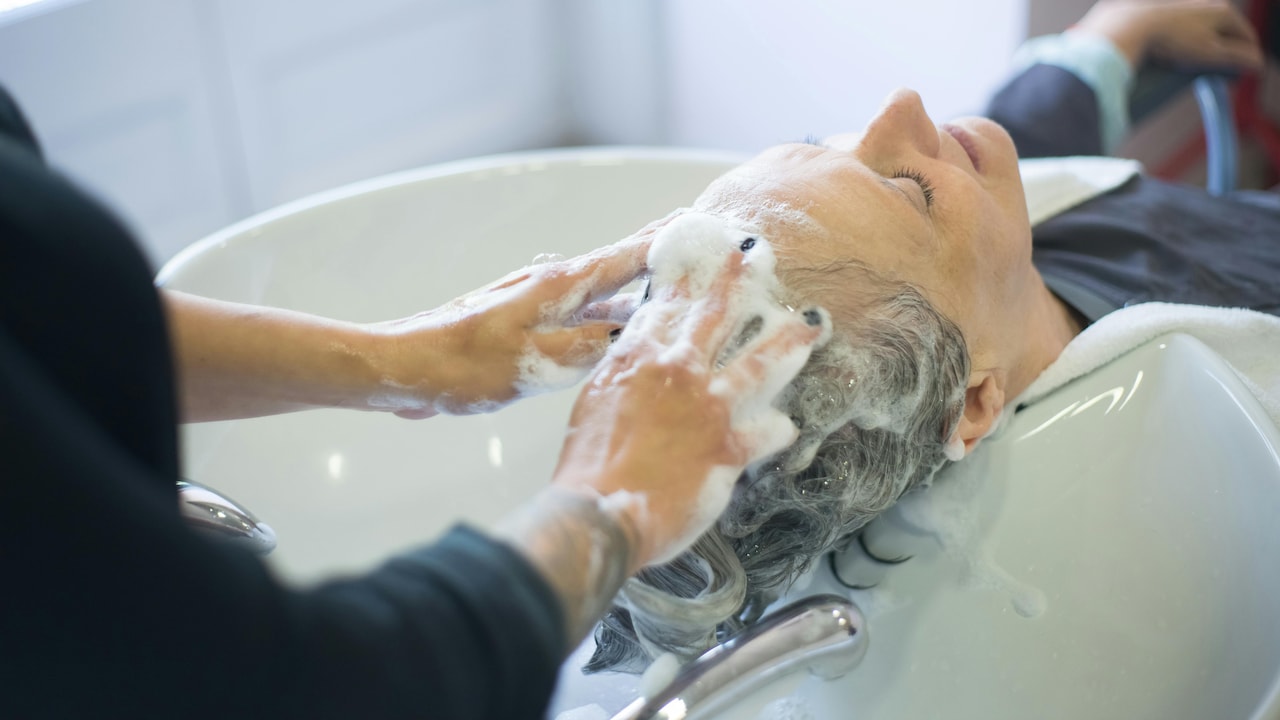
People with colour treated hair, dry hair, or frizzy hair can be more prone to sulphate damage; Photo Credit: Pexels
The Role Of Scalp Health In Hair Fall
A healthy scalp lays the foundation for healthy hair. When the scalp faces issues like dandruff, infections, or excessive oiliness, hair fall often follows.
Shampoos, whether sulphate-based or not, play a supporting role here. They help maintain cleanliness and balance, but they cannot fix deeper issues on their own.
Stress, poor diet, lack of sleep, and hormonal changes often influence scalp health more than any shampoo ever could. A person spending ₹800 on a premium shampoo might still struggle with hair fall if these factors remain unaddressed.
That said, choosing the right shampoo can support scalp health. A clean, balanced scalp reduces the chances of clogged follicles and irritation.
Hair care works best when it looks beyond the bottle and considers the bigger picture.
Are Expensive Sulphate-Free Shampoos Always Better
Price often creates the illusion of quality. A shampoo priced at ₹1,000 may feel luxurious, but that doesn't guarantee better results than one priced at ₹250.
Sulphate-free shampoos tend to cost more because they use alternative cleansing agents, which are often milder and more expensive to produce. However, mild doesn't always mean effective for everyone.
For someone with an oily scalp, a gentle shampoo might fail to clean properly, leading to build-up and dull-looking hair. On the other hand, someone with dry hair may benefit greatly from it.
The key lies in matching the product to the hair type rather than the price tag. A well-chosen, affordable shampoo can outperform an expensive one that doesn't suit the scalp.
Hair care doesn't need to be extravagant to be effective.
How Washing Habits Affect Hair Fall More Than Ingredients
Shampoo ingredients often get the blame, but washing habits play an equally important role. Rough towel drying, aggressive scrubbing, and using very hot water can all contribute to hair damage.
Even the way shampoo is applied matters. Pouring it directly onto the scalp without diluting can lead to uneven distribution and excessive product use. Gentle massaging works far better than vigorous rubbing.
Frequency also matters. Washing too often strips natural oils, while washing too little allows build-up to accumulate. Finding the right balance makes a noticeable difference.
Hair care routines often overlook these small details, focusing instead on product labels. Yet, these everyday habits quietly shape hair health over time.
Sometimes, it's not the shampoo that needs changing, but the way it's used.
Common Ingredients That May Irritate The Scalp
While sulphates get most of the attention, other ingredients can also irritate the scalp. Fragrances, certain preservatives, and alcohols can trigger sensitivity in some people.
An itchy or inflamed scalp can lead to scratching, which weakens hair roots and contributes to hair fall. In such cases, even a sulphate-free shampoo might not solve the problem.
Reading ingredient lists becomes useful here, not to avoid everything unfamiliar, but to identify patterns. If a certain product consistently causes discomfort, it's worth switching.
Patch testing new products can help prevent unpleasant surprises. The scalp, much like skin, reacts differently for everyone.
Focusing solely on sulphates often distracts from these equally important factors.
Finding The Right Shampoo For Your Hair Type
Choosing the right shampoo isn't about following trends; it's about understanding hair needs. Oily scalps often benefit from stronger cleansing, while dry or damaged hair needs gentler care.
Climate also plays a role. In humid conditions, sweat and pollution demand effective cleansing, making sulphates useful. In drier environments, milder formulas may work better.
Experimentation helps. Trying different shampoos over time allows patterns to emerge, what works, what doesn't, and what feels just right.
Hair care isn't one-size-fits-all. What works for a friend or influencer may not suit someone else.
The best approach combines awareness, patience, and a bit of trial and error.
Products Related To This Article
1. Bare Anatomy 5X Hair Fall Control Shampoo Hair Growth
2. Pilgrim Australian Tea Tree Anti-Dandruff Shampoo With Salicylic Acid
3. LOreal Professionnel Vitamino Color Shampoo for Color Protection with Resveratrol
4. Love Beauty & Planet Argan Oil & Lavender Sulfate Free Smooth and Serene Shampoo
5. PLIX THE PLANT FIX Rosemary Anti HairFall Advanced Shampoo with Plant Keratin
The debate around sulphates and hair fall often feels louder than it needs to be. While sulphates can be drying for some, they do not directly cause hair fall. Much of the confusion stems from mixing up hair fall with breakage and overlooking other factors like scalp health, lifestyle, and hair care habits.
Shampoos are tools, not magic solutions. The right one depends on individual needs rather than trends or price tags. Sulphate-free options have their place, but they aren't universally superior.
In the end, healthy hair comes from balance, choosing suitable products, maintaining good habits, and paying attention to what the hair is trying to say. The truth lies somewhere between the foam and the facts, waiting to be understood rather than feared.
(Disclaimer: This article may include references to or features of products and services made available through affiliate marketing campaigns. NDTV Convergence Limited (“NDTV”) strives to maintain editorial independence while participating in such campaigns. NDTV does not assume responsibility for the performance or claims of any featured products or services.)