Why Do Sheet Masks Feel Useless? What Ingredients Actually Deliver Results
Sheet masks promise instant glow and hydration, yet often leave skin unchanged. The truth lies in ingredients, formulation, and expectations. This is a closer look at why these skincare staples feel underwhelming, and what actually works.
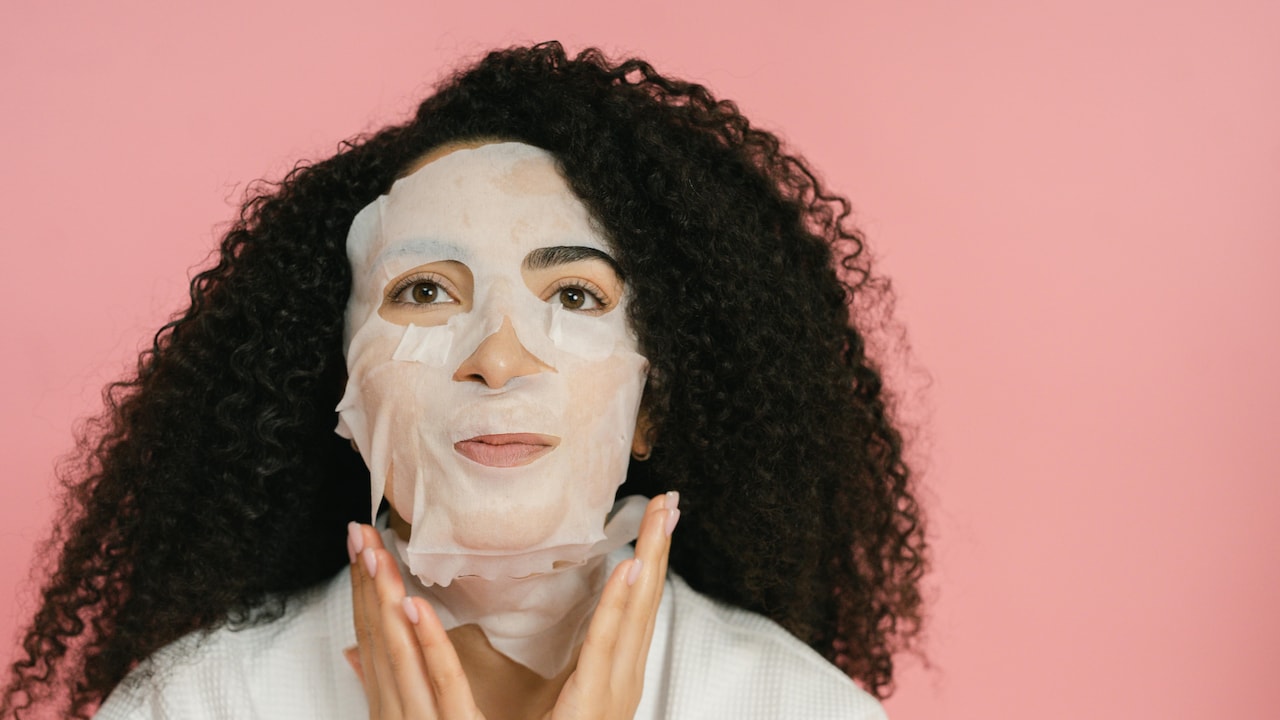
Are Sheet Masks Worth It? The Truth About Ingredients That Actually Work
Sheet masks have earned a permanent spot in bathroom cabinets and late-night self-care routines. They look indulgent, feel cooling, and offer a moment of pause after a long day. Yet, once the serum dries and the mask comes off, the mirror often tells a less exciting story. The glow seems temporary, the hydration fades, and the skin looks the same.
This disconnect between promise and result sparks a familiar question: are sheet masks truly effective, or are they simply clever marketing wrapped in a soft, serum-soaked sheet?
The answer sits somewhere in between. Sheet masks are not entirely useless, but they are often misunderstood. Their effectiveness depends on formulation, ingredient quality, and how they fit into a broader skincare routine. More importantly, certain ingredients deliver visible, lasting results, while others simply offer short-term cosmetic benefits.
Understanding this difference can transform skincare choices from impulse buys to informed decisions. And perhaps, it can also save a few hundred rupees along the way.
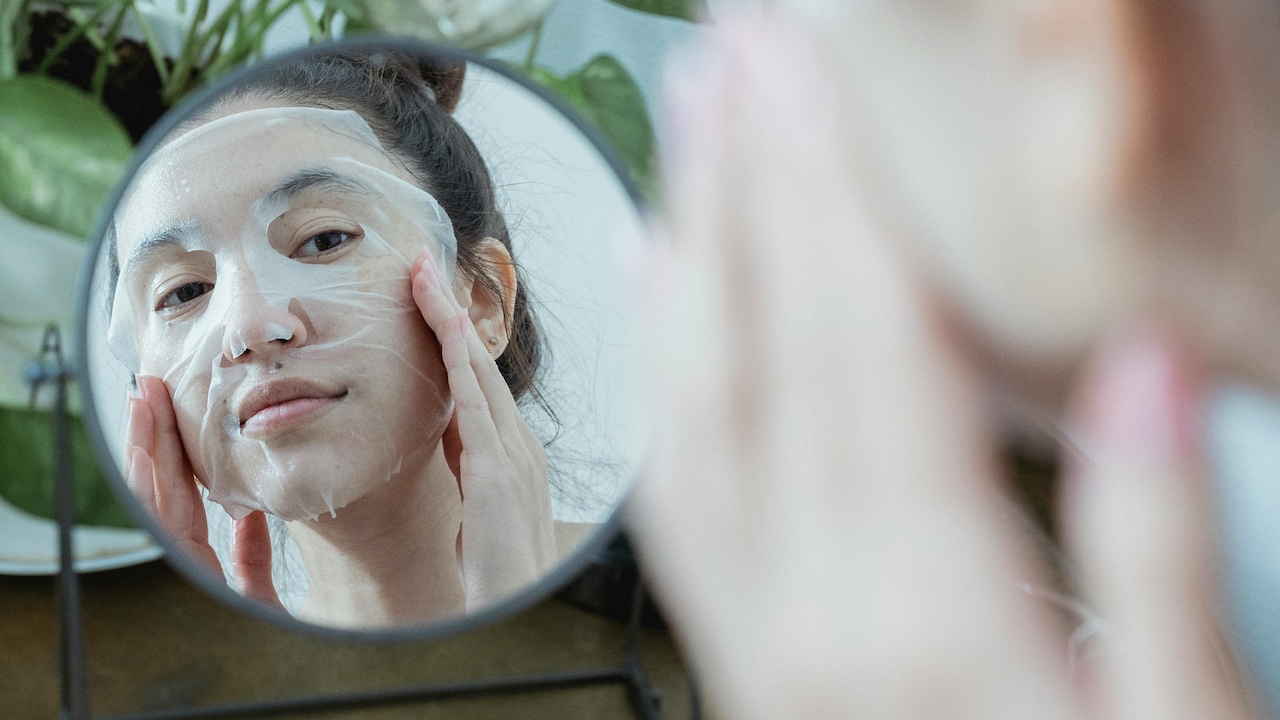
Are Sheet Masks Worth It? The Truth About Ingredients That Actually Work; Photo Credit: Pexels
What Really Determines Whether Sheet Masks Work Or Waste Your Money
Why Instant Hydration Doesn't Mean Long-Term Results
Sheet masks excel at one thing: delivering a quick burst of hydration. The serum, rich in humectants, sits on the skin under occlusion, which prevents evaporation. This creates that plump, dewy look that feels satisfying, especially after a tiring day or exposure to dry air.
However, this effect rarely lasts beyond a few hours. The hydration mostly sits on the surface and doesn't deeply repair the skin barrier. Once the moisture evaporates, the skin returns to its baseline condition. This is why many people feel underwhelmed after repeated use.
The experience resembles drinking a glass of cold water on a hot afternoon. It feels refreshing instantly, but it does not address dehydration in the long run. For sustained results, the skin needs ingredients that strengthen its barrier, not just temporarily hydrate it.
The Illusion Of Glow: Lighting And Timing Matter
That post-mask glow often looks impressive, especially under soft lighting or during a relaxed evening. But the glow is partly an illusion created by surface moisture and mild swelling of the skin.
When skin absorbs water, it appears smoother and reflects light more evenly. This can blur fine lines temporarily and create a radiant finish. However, once the excess moisture evaporates, the effect fades quickly.
This explains why selfies taken immediately after masking look better than the skin feels the next morning. The glow is real, but fleeting. It is more cosmetic than corrective, which can feel disappointing when expectations are higher.
Also Read: Affordable Sheet Masks Under ₹600 That Hydrate Skin In Minutes
Not All Serums Are Created Equal
The serum inside sheet masks often looks generous, but quantity does not equal quality. Many formulations rely heavily on water, glycerin, and fragrance, with only trace amounts of active ingredients.
These diluted formulas provide hydration but lack the potency needed for meaningful skin changes. Ingredients like vitamin C or peptides may appear on the label but exist in concentrations too low to make a visible difference.
It is similar to adding a pinch of spice to a large pot of curry; it may be present, but it does not influence the final flavour significantly. Effective skincare depends on concentration and stability, not just presence.
The Fit Problem: One Size Doesn't Suit All
Sheet masks rarely fit perfectly. Gaps around the nose, cheeks, or jawline prevent even absorption of the serum. Some areas receive more product, while others remain relatively untouched.
This uneven distribution affects results. Skin concerns like pigmentation or dryness may persist simply because the mask did not deliver enough product to those areas.
Additionally, ill-fitting masks tend to slip, which reduces contact time. Constant adjustment interrupts the relaxing experience and limits effectiveness. A treatment that requires effort to stay in place rarely feels worth it.
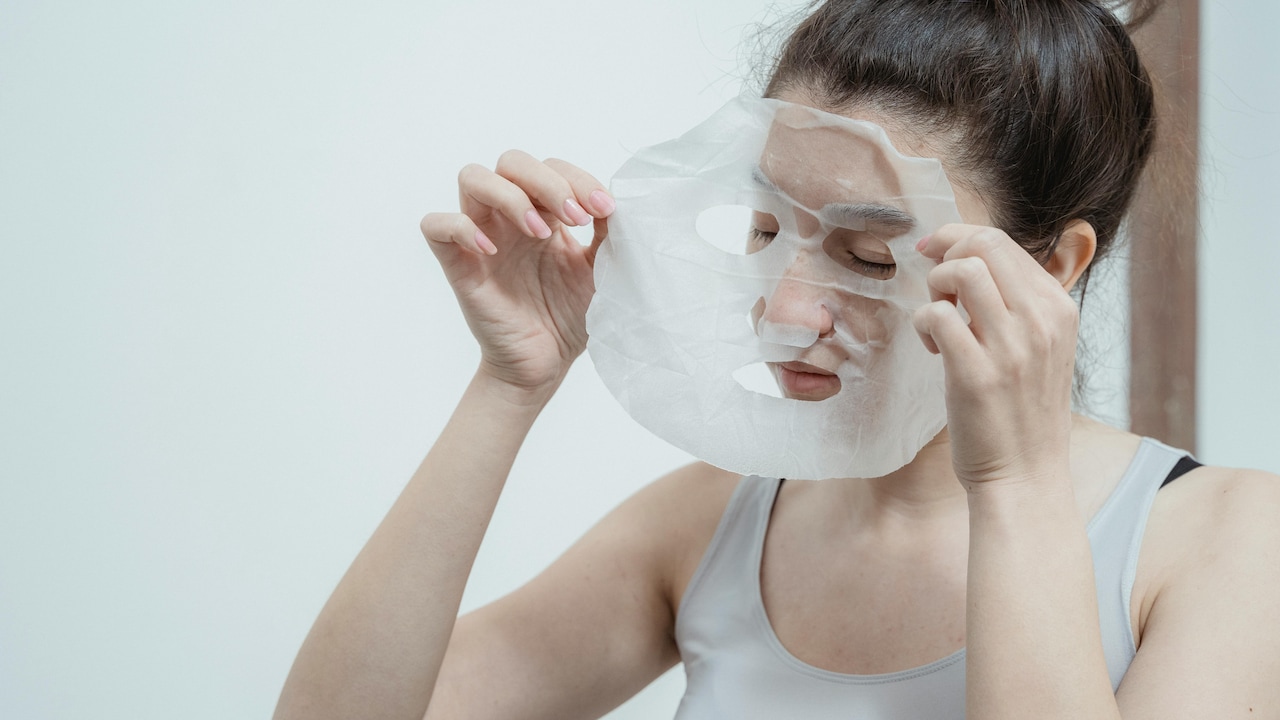
Are Sheet Masks Worth It? The Truth About Ingredients That Actually Work; Photo Credit: Pexels
Short Contact Time Limits Absorption
Most sheet masks recommend use for 15–20 minutes. While this duration feels sufficient, it may not allow deeper penetration of active ingredients.
The skin acts as a barrier, designed to keep foreign substances out. Many beneficial ingredients require consistent application over time to show results. A single, short session cannot compete with daily use of well-formulated serums or creams.
This is why regular skincare routines outperform occasional masking sessions. Consistency matters far more than intensity when it comes to skin health.
Fragrance Over Function
A pleasant scent can enhance the masking experience, but it often comes at a cost. Many sheet masks prioritise fragrance to create a spa-like feel, which can irritate sensitive skin.
Fragrance does not contribute to skin health. In some cases, it may even disrupt the skin barrier or trigger mild inflammation. This reduces the overall effectiveness of the product.
The focus on sensory appeal over functional benefit highlights a common issue: sheet masks often aim to feel luxurious rather than deliver results.
Packaging Drives The Price
Sheet masks are typically single-use products, which increases their cost over time. Spending ₹100–₹300 per mask may feel manageable occasionally, but regular use quickly adds up.
The packaging itself contributes significantly to the price. Individually sealed sachets, decorative designs, and branding inflate costs without improving efficacy.
In contrast, a well-formulated serum or moisturiser used daily often delivers better results at a lower cost per use. The value lies in performance, not presentation.
Ingredients That Actually Work: Hyaluronic Acid And Glycerin
Hydrating ingredients like hyaluronic acid and glycerin are among the most reliable components in sheet masks. They attract moisture and help the skin retain it, improving texture and softness.
However, their effectiveness depends on proper follow-up. Without a moisturiser to lock in hydration, the benefits may evaporate quickly, especially in dry environments.
These ingredients work best as part of a layered routine rather than a standalone solution. They prepare the skin but do not complete the process.
Barrier Builders: Ceramides And Niacinamide
For lasting results, ingredients that repair and strengthen the skin barrier are essential. Ceramides and niacinamide play a crucial role in this process.
Ceramides restore the skin's natural protective layer, while niacinamide improves texture, reduces redness, and enhances overall resilience. These ingredients deliver cumulative benefits over time.
Sheet masks containing these components can be beneficial, but only if used consistently and in conjunction with other products. A single application rarely shows dramatic change, but repeated use can support healthier skin.
Actives That Deliver: Vitamin C, Retinol Alternatives, And Peptides
Certain active ingredients offer visible improvements when used correctly. Vitamin C brightens the complexion and addresses uneven tone. Peptides support skin elasticity, while gentle retinol alternatives promote renewal without irritation.
However, these ingredients require stability and adequate concentration. Sheet masks often fall short in this regard, as exposure to air and light can degrade sensitive compounds.
For these actives to work effectively, dedicated serums or treatments are usually more reliable. Sheet masks can complement these products but should not replace them.
Products Related To This Article
1. LOreal Paris Glycolic Bright Glowing Serum Sheet Mask for Dark Spots & Glowing Skin
2. PLIX THE PLANT FIX Set Of 3 Fruit Fusion Bubble Sheet Mask
3. SEOULSKIN Niacinamide Glass Skin Overnight Face Mask Sheet For Glowing Skin
4. Lacto Calamine Set Of 6 Hyaluronic Acid Serum Sheet Mask For Dewy Hydrated Skin
5. Cureskin Set Of 3 Deep Nourish Hydrating Face Sheet Mask With Panthenol
Sheet masks are not entirely ineffective, but they often fail to meet expectations. Their appeal lies in convenience, sensory pleasure, and immediate results. Yet, these benefits are mostly temporary and surface-level.
True skin improvement requires consistency, quality ingredients, and a well-rounded routine. Hydration alone cannot address deeper concerns like pigmentation, ageing, or barrier damage. Ingredients such as ceramides, niacinamide, and stable actives offer more meaningful results over time.
This does not mean sheet masks deserve to be abandoned. They can serve as occasional boosters or moments of relaxation. However, relying on them as primary skincare solutions often leads to disappointment.
Understanding what the skin truly needs allows for smarter choices, and perhaps fewer impulsive purchases during late-night scrolling. After all, effective skincare is less about trends and more about thoughtful, consistent care.
(Disclaimer: This article may include references to or features of products and services made available through affiliate marketing campaigns. NDTV Convergence Limited (“NDTV”) strives to maintain editorial independence while participating in such campaigns. NDTV does not assume responsibility for the performance or claims of any featured products or services.)