Struggling With Dandruff? This Common Shampoo Habit Could Be Making It Worse
Rushing your anti-dandruff shampoo could be the very reason flakes keep returning. A simple routine mistake may worsen dandruff instead of curing it, and most people make it daily without realising.
The Anti-Dandruff Shampoo Routine Mistake That Worsens Dandruff Instead of Fixing It.
Dandruff carries a peculiar frustration. It shows up uninvited on dark shirts before a meeting, on festive outfits during wedding season, and on school uniforms during morning assembly. A quick brush of the shoulder rarely solves the problem. The itch creeps back. The flakes return.
Pharmacy shelves overflow with anti-dandruff shampoos, each claiming clinical results and instant relief. Many households spend ₹300 to ₹800 on specialised bottles every few weeks, hoping the next wash will finally bring calm to the scalp. Yet dandruff often persists, or worse, intensifies.
The uncomfortable truth? The biggest mistake lies not in the product but in the way it's used. Most people rush through their anti-dandruff routine. That single habit can undo every active ingredient working to restore scalp health.
Before blaming the weather, stress or hard water, it helps to look closely at the shower routine. Because sometimes the solution hides in plain sight, right between the lather and the rinse.
The Anti-Dandruff Shampoo Routine Mistake That Worsens Dandruff Instead of Fixing It
Photo Credit: Pexels
The 30-Second Rinse That Sabotages Results
Many people treat anti-dandruff shampoo like regular shampoo. Apply, lather, rinse, done in under a minute. That hurried rinse sabotages the very purpose of the product.
Anti-dandruff shampoos contain active ingredients such as zinc pyrithione, ketoconazole, selenium sulphide, or salicylic acid. These ingredients need time to work. They target the yeast that contributes to dandruff and help loosen stubborn flakes. When rinsed off too quickly, they barely get a chance to act.
Imagine applying a face mask and washing it off instantly. The effect would remain minimal. The same logic applies here. Yet in busy mornings, shampoo often turns into a rushed ritual.
The fix feels almost too simple: leave the shampoo on the scalp for at least three to five minutes. Use that time to finish shower tasks. Let the ingredients settle and do their job. That small pause can transform results dramatically.
Overwashing In The Hope Of Faster Relief
When flakes appear, many assume the scalp feels dirty. The natural response involves washing more often. Daily shampooing begins. Sometimes, even twice a day in hot weather.
Overwashing strips the scalp of its natural oils. That dryness triggers irritation. The scalp then produces more oil to compensate. This cycle feeds the yeast that thrives on excess sebum. Ironically, the attempt to eliminate dandruff can fuel it further.
In cities with humid climates, frequent washing feels refreshing. But balance matters. Most dermatologists suggest using anti-dandruff shampoo two to three times a week unless prescribed otherwise.
Between washes, a mild shampoo works better than repeatedly using a medicated formula. The scalp needs stability, not constant chemical interference. Relief grows from consistency, not panic-driven washing.
Scrubbing The Scalp Like A Stain
Dandruff often causes embarrassment. That embarrassment sometimes turns into aggression during washing. Fingernails dig into the scalp. Vigorous scrubbing follows, as if flakes behave like dirt on a steel utensil.
Harsh scrubbing inflames the scalp. Micro-tears form. The skin barrier weakens. Once irritated, the scalp becomes more sensitive and prone to flaking.
A healthy scalp resembles delicate skin. It needs a gentle circular massage with fingertips, not nails. Light pressure improves blood circulation and helps the shampoo distribute evenly without causing trauma.
The urge to scrub hard feels understandable. But gentleness wins in the long run. Treating the scalp kindly reduces inflammation and helps active ingredients perform more effectively.
Ignoring The Conditioner Strategy
Many skip conditioner entirely while treating dandruff. Some fear that conditioning worsens flakes. Others avoid it to prevent oiliness.
The truth surprises many. Conditioner plays a strategic role when used correctly. Anti-dandruff shampoos can dry out hair strands. Dry hair appears frizzy and rough, especially during monsoon months. When hair looks unhealthy, flakes become more visible.
Applying conditioner only to the mid-lengths and ends keeps hair manageable without affecting the scalp. Avoiding the roots prevents excess buildup. Balanced moisture improves overall hair appearance and reduces visible flaking.
Hair care works like a team effort. Shampoo treats the scalp. Conditioner protects the strands. Skipping one part can disrupt the harmony.
Switching Shampoos Too Quickly
When results fail to appear within a week, many abandon one product and jump to another. The bathroom shelf begins to resemble a small pharmacy.
Consistency matters. Active ingredients often need several weeks to show noticeable improvement. Frequent switching prevents any formula from delivering its full benefit.
One popular option, such as Head & Shoulder offers various formulations targeting specific scalp needs. However, even the best formula cannot perform miracles within days.
Stick to a chosen shampoo for at least four weeks unless irritation occurs. Observe changes calmly. Flake reduction often happens gradually rather than overnight.
Patience may not feel glamorous, but it often solves more scalp issues than constant experimentation.
Applying Shampoo Only To The Hair
Many people pour shampoo into their palms, rub their hands together, and apply it primarily to the length. The scalp receives minimal attention.
Dandruff originates at the scalp, not the hair. When shampoo concentrates on strands rather than roots, the active ingredients miss their target.
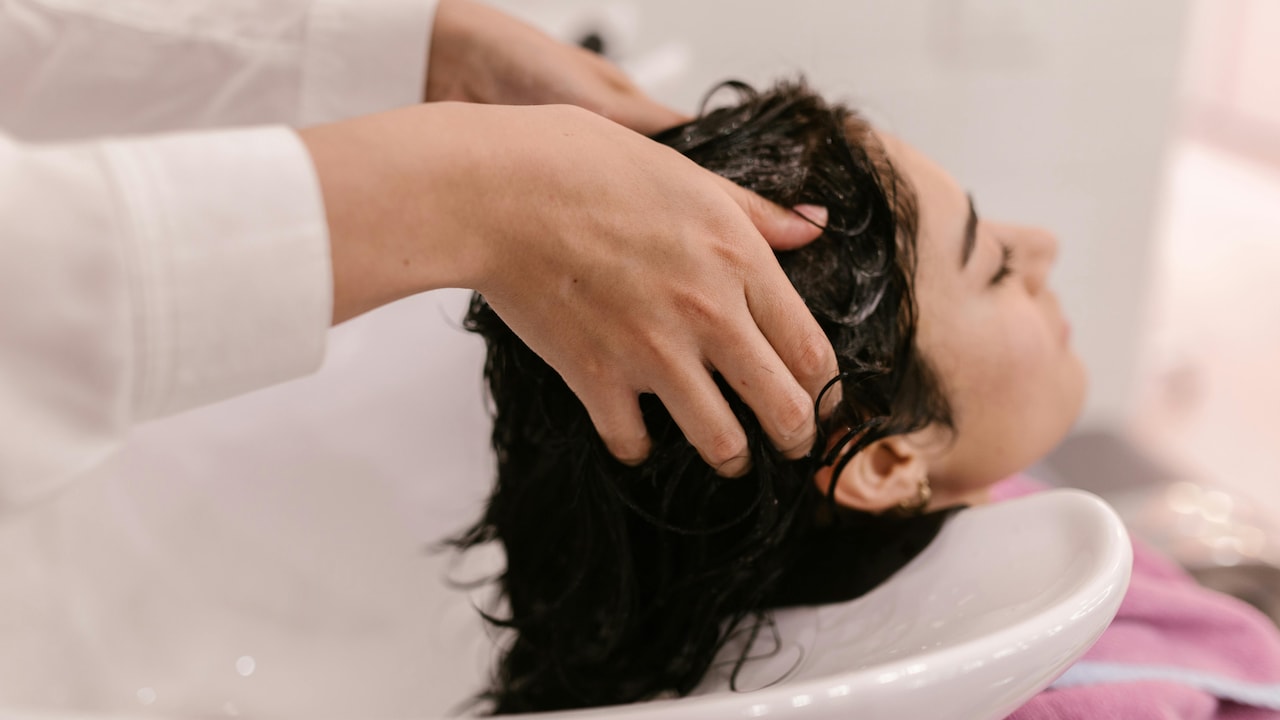
Sectioning the hair with fingers and applying shampoo directly onto the scalp improves effectiveness. Gentle massage ensures even coverage.
Thick or long hair requires extra attention to reach the skin beneath. Otherwise, the surface may feel clean while the scalp remains untreated.
Small adjustments in technique often produce significant improvements. The goal focuses on scalp care rather than simply hair cleansing.
Using Very Hot Water On The Scalp
A steaming shower feels comforting, especially during winter mornings. Yet very hot water can irritate the scalp and worsen dryness.
High temperatures strip natural oils and disturb the scalp's protective barrier. Dryness then leads to itchiness. Scratching follows. Flakes increase.
Lukewarm water supports better scalp health. It cleans effectively without excessive stripping. A final cool rinse can help soothe irritation and add shine to hair.
Temperature rarely receives attention in dandruff discussions. Yet this overlooked factor quietly influences scalp balance every day.
Comfort matters, but moderation protects the skin. The scalp thrives in gentle conditions, not extremes.
Skipping The Second Wash
Many dermatologists recommend a double-wash method for persistent dandruff. The first wash removes oil and buildup. The second allows active ingredients to penetrate properly.
When shampoo is applied to an oily scalp, much of the lather works to break down grease. Active ingredients are then diluted and rinsed away before delivering full impact.
A quick initial wash followed by a second application left on for several minutes often produces better results.
This method does not require extra product in large quantities. A modest amount suffices. The focus lies in allowing the formula to reach a clean surface.
Sometimes, effectiveness improves not by adding new products but by improving the sequence of steps.
The Anti-Dandruff Shampoo Routine Mistake That Worsens Dandruff Instead of Fixing It
Photo Credit: Pexels
Neglecting Lifestyle Triggers
Dandruff rarely stems from shampoo habits alone. Stress, irregular sleep, and poor diet can aggravate scalp conditions.
Exam periods, tight work deadlines, or festive seasons often bring disrupted routines. Increased stress hormones influence oil production and skin sensitivity.
Spicy street food, sugary snacks, and insufficient hydration can also play subtle roles. While occasional indulgence adds joy, balance remains essential.
Scalp health reflects overall well-being. Addressing lifestyle factors alongside proper shampoo technique strengthens long-term improvement.
No shampoo can compensate for chronic stress or poor sleep. Holistic care supports visible change.
Stopping Treatment Once Flakes Reduce
The moment flakes reduce, many return to regular shampoo immediately. That sudden shift can trigger recurrence.
Dandruff tends to behave like a chronic condition. It improves with treatment but may return if maintenance stops abruptly.
Gradually reducing medicated shampoo use rather than eliminating it overnight works better. Alternating between anti-dandruff and mild shampoo maintains control without overexposure.
Think of it as maintenance rather than emergency care. Once balance returns, it still needs gentle support.
Consistency builds resilience. Abrupt changes disrupt it.
Products Related To This Article
1. Pilgrim Australian Tea Tree Hair Shampoo Dandruff Itchy Scalp Men Women
2. Bare Anatomy Anti Dandruff Shampoo Upto 100 Dandruff Reduction Salicylic Acid Biotin
3. Plant Fix Plix Neem Anti Dandruff Advanced Shampoo Piractone Olamine Pentavitin
4. Scalpe Pro Daily Anti Dandruff Shampoo Pack
5. Wishcare Hydrating Aha Bha Anti Dandruff Shampoo Piroctone Olamine Lha Probiotics
The most common mistake involves rushing the anti-dandruff shampoo routine. Active ingredients need time, correct application, and consistency to perform effectively. Harsh scrubbing, overwashing, hot water, and impatience often worsen the problem.
A calm, thoughtful approach transforms results. Leave the shampoo on for several minutes. Massage gently. Use lukewarm water. Maintain balance in washing frequency. Support scalp health through sensible lifestyle choices.
Relief rarely demands expensive treatments or endless product trials. Sometimes it asks for patience, awareness, and small changes in daily rituals.
The next time flakes appear on a dark kurta before heading out, pause before blaming the bottle. The solution may lie not in what sits on the bathroom shelf, but in how it gets used.
(Disclaimer: This article may include references to or features of products and services made available through affiliate marketing campaigns. NDTV Convergence Limited (“NDTV”) strives to maintain editorial independence while participating in such campaigns. NDTV does not assume responsibility for the performance or claims of any featured products or services.)