SPF Confusion: What Those Numbers Actually Mean For Indian Skin
SPF 15, 30, 50, what do these numbers really mean? This guide breaks down sunscreen myths, real protection levels, and how to choose the right SPF for everyday sun exposure.
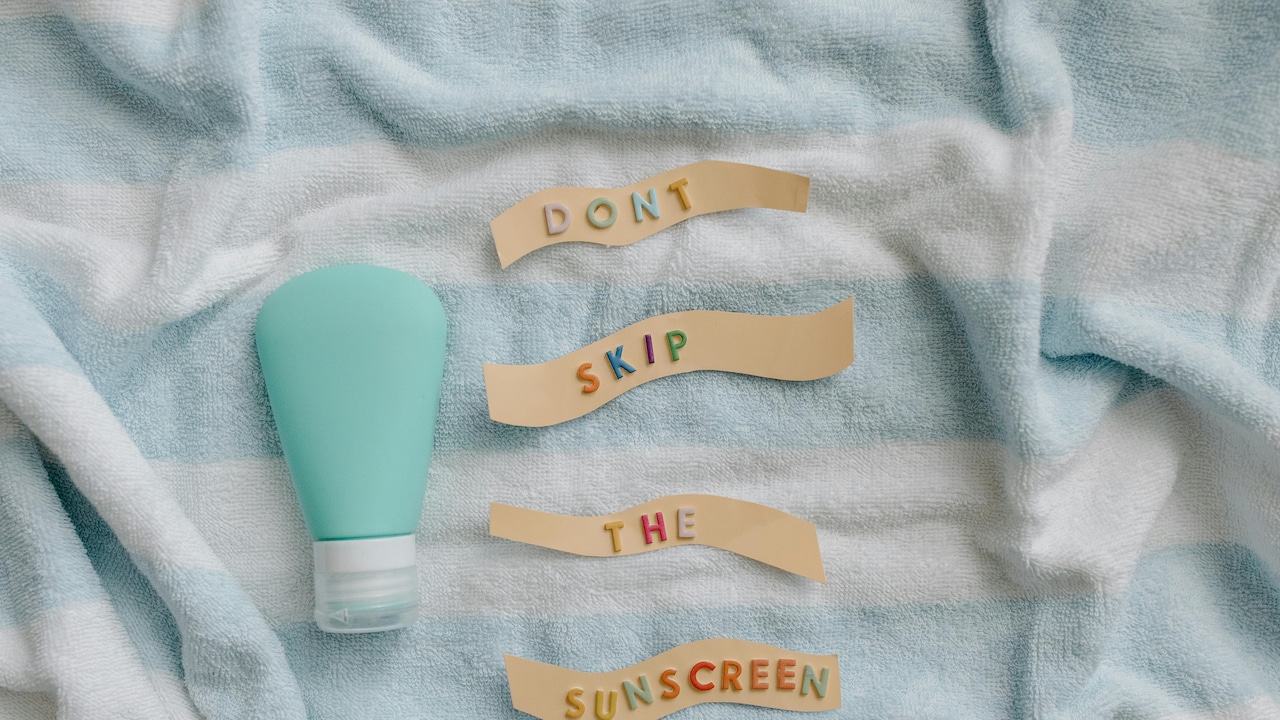
SPF 30 vs SPF 50: Which Sunscreen Is Better for Daily Use?
A stroll through any pharmacy or beauty aisle reveals shelves stacked with sunscreens promising protection, glow, and even fairness. Labels scream SPF 15, SPF 30, SPF 50+, sometimes even SPF 100. It feels reassuring, almost like picking a higher number guarantees better protection. But the reality is far less straightforward.
Under strong sunshine that rarely takes a day off, sunscreen becomes less of a luxury and more of a daily essential. Yet, confusion persists. Many assume SPF 50 offers twice the protection of SPF 25. Others believe darker skin tones do not need sunscreen at all. Some apply it once in the morning and expect magic throughout the day.
This article cuts through the noise. It explores what SPF truly measures, how it behaves in everyday conditions, and why numbers alone cannot do all the work. Expect practical insights, a few myth-busters, and relatable scenarios that feel familiar to anyone who has ever sweated through a summer afternoon or forgotten to reapply sunscreen during a long commute.
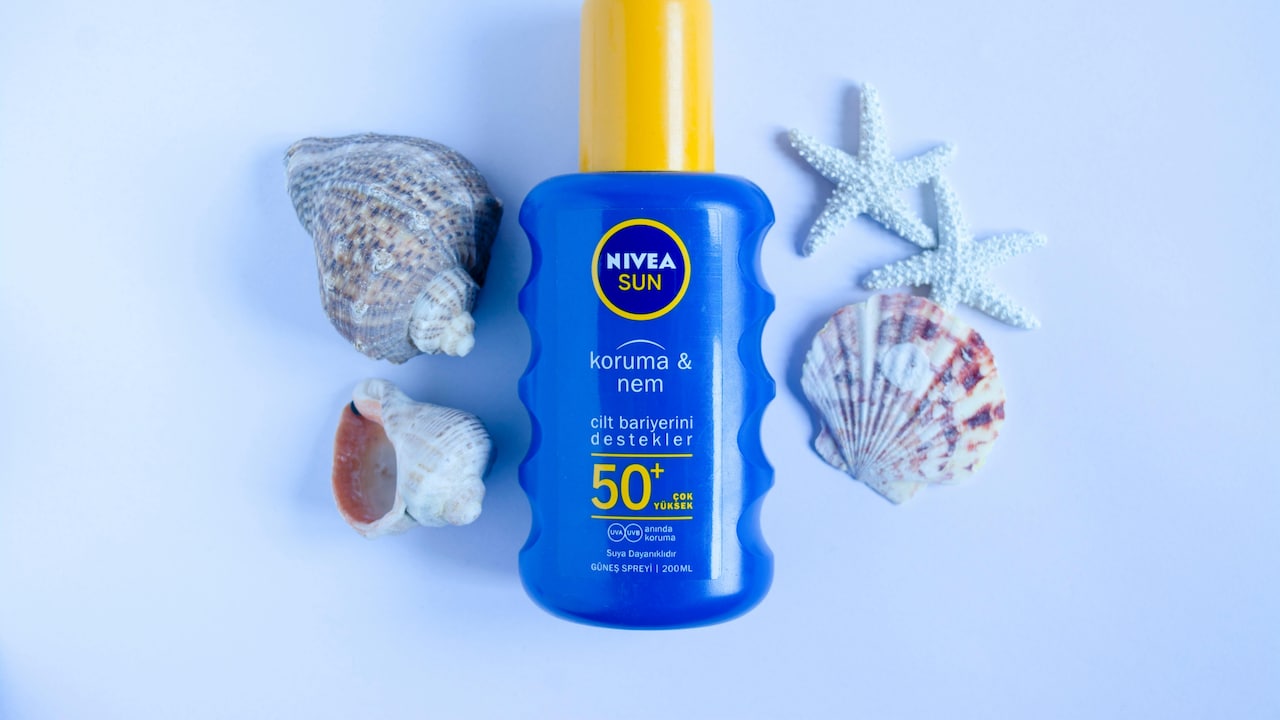
SPF 30 vs SPF 50: Which Sunscreen Is Better for Daily Use?; Photo Credit: Pexels
Decoding SPF: What Really Matters In Daily Sun Protection
What SPF Actually Stands For
SPF stands for Sun Protection Factor, but that phrase alone rarely explains much. At its core, SPF measures how long skin can stay protected from UVB rays before burning, compared to unprotected skin.
Consider a simple scenario. If skin typically starts to burn after ten minutes in the sun, an SPF 30 sunscreen theoretically allows thirty times that duration before burning. That sounds impressive, but real life rarely follows textbook rules. Sweat, pollution, and uneven application all reduce that protection significantly.
SPF does not measure protection from UVA rays, which penetrate deeper and contribute to ageing and pigmentation. That is why labels often include terms like “broad-spectrum”. Without that, even a high SPF product may leave skin vulnerable.
Think of SPF as a helpful guideline rather than a guarantee. It offers a baseline level of defence, but factors like weather, skin type, and daily routines shape the actual outcome far more than the number printed on the bottle.
Why SPF 30 And SPF 50 Are Not Worlds Apart
At first glance, SPF 50 seems dramatically stronger than SPF 30. The numbers create that illusion. However, the difference in protection is surprisingly small.
SPF 30 blocks about 97 per cent of UVB rays, while SPF 50 blocks around 98 per cent. That one per cent gap may sound negligible, yet it can matter during prolonged sun exposure. Still, it does not double the protection, despite what the numbers suggest.
This misunderstanding often leads to overconfidence. Someone wearing SPF 50 might skip reapplication, assuming the higher number will compensate. In reality, even SPF 50 wears off quickly under heat and humidity.
The smarter approach lies in consistency rather than chasing higher numbers. Regular reapplication, especially after sweating or washing the face, matters far more than upgrading from SPF 30 to SPF 50.
In everyday conditions, both options can work well. The key lies in using enough product and reapplying it often, rather than relying solely on the label.
Also Read: 5 Budget SPF Sunscreens Under ₹500 That Deliver Strong Protection Without Breaking the Bank
The Myth Of “Higher SPF Means All-Day Protection”
One of the most common beliefs suggests that higher SPF equals longer-lasting protection. This idea feels logical, but fails in practice.
No sunscreen, regardless of SPF, lasts all day. Factors like sweat, oil, dust, and even touching the face break down the protective layer. In cities where humidity clings like a second skin, sunscreen fades even faster.
Imagine stepping out at noon, travelling in a crowded train, and walking under harsh sunlight. By the time evening arrives, that morning's application has likely vanished.
Dermatologists recommend reapplying sunscreen every two to three hours, especially during outdoor activities. Yet, many skip this step because it feels inconvenient or unnecessary.
Sunscreen works best as part of a routine rather than a one-time application. A small bottle in a handbag or backpack can make a noticeable difference. It may not feel glamorous, but it quietly protects skin from cumulative damage that often shows up years later.
How Much Sunscreen Is Actually Enough
Applying sunscreen often turns into a quick swipe across the face, followed by a hopeful glance in the mirror. Unfortunately, that amount rarely offers adequate protection.
Experts suggest using roughly a coin-sized amount for the face alone. For the entire body, about a shot glass's worth of sunscreen provides proper coverage. Anything less reduces the effective SPF drastically.
Most people apply far less than required. As a result, an SPF 50 sunscreen may perform closer to SPF 15 in real conditions. This gap explains why sunburn and tanning still occur despite using high SPF products.
Texture plays a role here as well. Lightweight gels and lotions encourage generous application, while thick creams may lead to smaller amounts being used.
It helps to treat sunscreen like a daily essential rather than a finishing touch. Just as brushing teeth happens without much thought, sunscreen deserves the same level of consistency and attention.
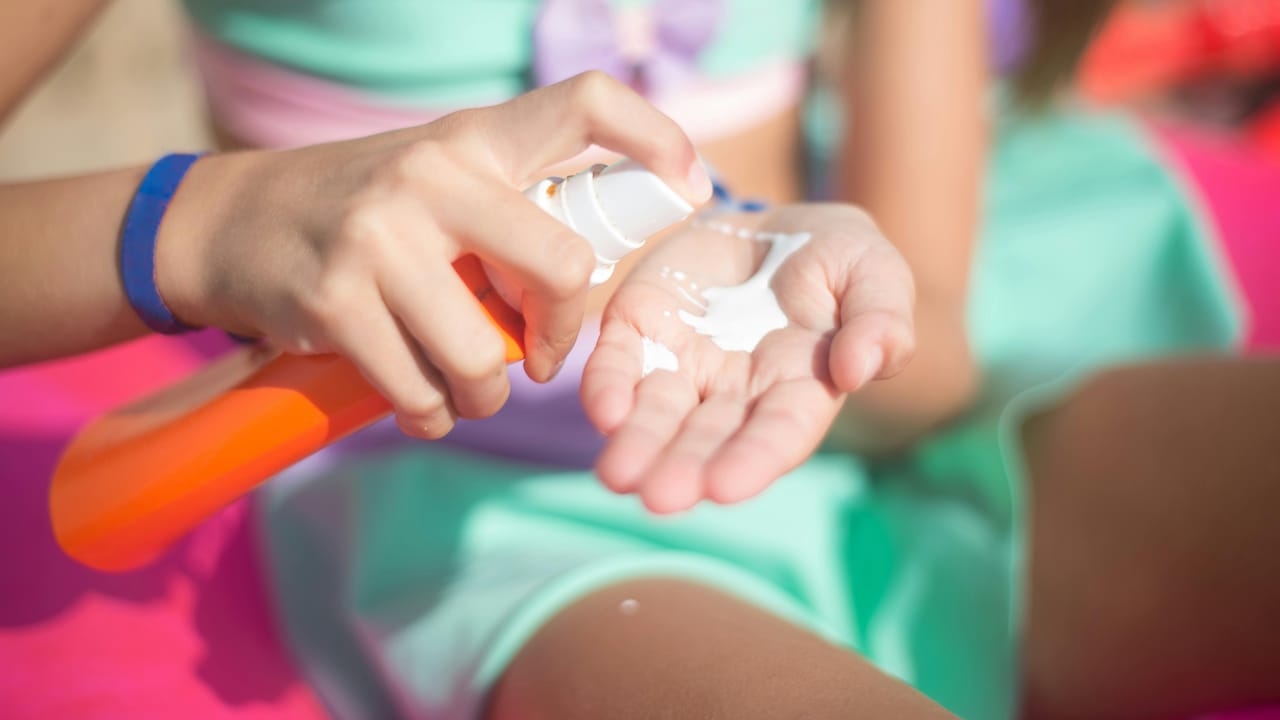
SPF 30 vs SPF 50: Which Sunscreen Is Better for Daily Use?; Photo Credit: Pexels
Why Skin Tone Does Not Eliminate The Need For SPF
A persistent myth suggests that darker skin tones do not require sunscreen. While higher melanin levels provide some natural protection, they do not make skin immune to sun damage.
Pigmentation, uneven tone, and long-term ageing can still occur. In fact, conditions like tanning and stubborn dark patches often become more noticeable under intense sun exposure.
Sunburn may appear less obvious, but underlying damage continues quietly. Over time, this can lead to dullness and uneven texture.
Sunscreen helps maintain an even complexion and prevents further pigmentation issues. It acts as a shield rather than a cosmetic product.
Skipping sunscreen might not show immediate consequences, but the effects build gradually. A consistent routine can help preserve skin health and reduce the need for expensive treatments later, which often cost far more than a simple sunscreen bottle priced around ₹300–₹800.
The Role Of UVA And UVB In Everyday Sun Exposure
Understanding the difference between UVA and UVB rays clears up much of the SPF confusion. UVB rays cause sunburn, which SPF primarily measures. UVA rays, however, penetrate deeper and contribute to ageing and pigmentation.
Both types of rays reach the skin even on cloudy days. Sitting near a window or commuting during daylight hours still exposes skin to UVA radiation.
That is why broad-spectrum sunscreen becomes essential. It protects against both UVA and UVB rays, offering more complete coverage.
Many people associate sunscreen with beach days or outdoor trips. Yet, daily exposure accumulates slowly through routine activities. Walking to a bus stop, driving to work, or even sitting by a window adds up over time.
Protection should not depend on visible sunshine alone. Consistent use helps reduce long-term effects that often appear unexpectedly.
Does SPF Help With Tanning Or Just Sunburn?
A common question revolves around tanning. Does sunscreen prevent it entirely, or merely delay it?
SPF mainly protects against UVB rays, which cause sunburn. Tanning, however, involves both UVA and UVB exposure. Even with sunscreen, some tanning may still occur, especially without reapplication.
That does not mean sunscreen fails. It reduces the intensity and extent of tanning, preventing more serious damage. Think of it as minimising impact rather than eliminating it completely.
Pairing sunscreen with protective habits enhances results. Seeking shade, wearing hats, and avoiding peak afternoon sun all contribute to better protection.
Tanning often fades over time, but repeated exposure can lead to stubborn pigmentation. Sunscreen acts as the first line of defence, helping maintain a more even tone without drastic measures.
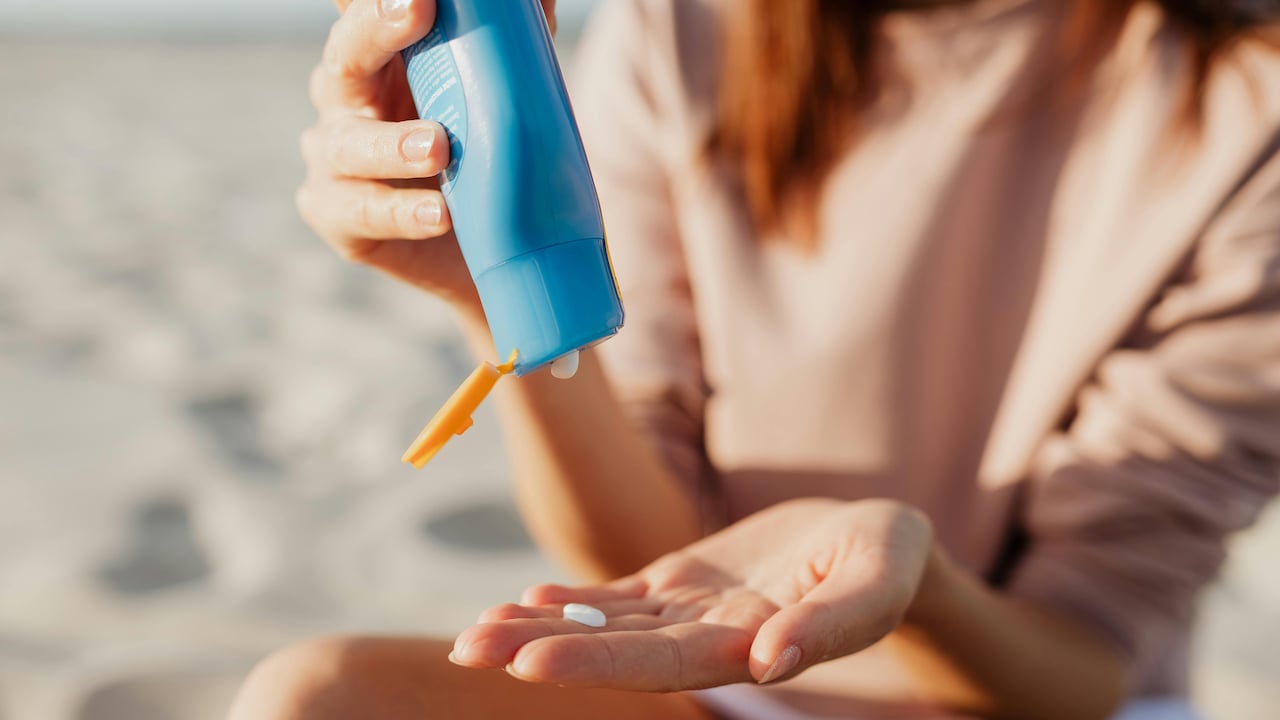
SPF 30 vs SPF 50: Which Sunscreen Is Better for Daily Use?; Photo Credit: Pexels
Choosing The Right Texture For Daily Use
The best sunscreen often turns out to be the one that gets used consistently. Texture plays a surprisingly important role in this.
Heavy creams may feel uncomfortable in humid weather, leading to skipped applications. Lightweight gels, fluid lotions, and matte-finish sunscreens often feel more suitable for daily wear.
For those with oily skin, gel-based formulas can reduce greasiness. Dry skin types may benefit from moisturising creams that double as hydration and protection.
Sunscreen should blend easily without leaving a noticeable white cast. Modern formulations have improved significantly, making daily use more comfortable.
Finding the right product may involve a bit of trial and error. However, once a suitable option fits into a routine seamlessly, it becomes easier to maintain consistency without second thoughts.
Why Reapplication Is The Real Game-Changer
Even the best sunscreen loses effectiveness over time. Reapplication remains one of the most overlooked yet crucial aspects of sun protection.
Sweating, wiping the face, and exposure to dust gradually remove sunscreen. Without reapplication, protection weakens significantly.
Many hesitate to reapply due to makeup or inconvenience. However, options like spray sunscreens and compact powders now make it easier to refresh protection throughout the day.
A simple habit of reapplying every few hours can make a noticeable difference over time. It may feel like a small step, but it plays a major role in maintaining skin health.
Consistency outweighs perfection. Even one extra reapplication during a long day outdoors can reduce exposure significantly.
SPF In Makeup: Helpful Or Misleading?
Many foundations and compact powders now include SPF, creating an impression of built-in sun protection. While this sounds convenient, it often falls short.
Makeup products rarely get applied in sufficient quantities to deliver the stated SPF. A thin layer of foundation does not provide the same protection as a proper sunscreen application.
However, SPF in makeup can act as an additional layer rather than a replacement. When combined with sunscreen underneath, it offers extra support.
Relying solely on makeup for sun protection leaves gaps. It works best as a supplement rather than the main defence.
A simple routine works well: apply sunscreen first, allow it to settle, and then layer makeup on top. This ensures both coverage and protection without compromise.
Products Related To This Article
1. Lotus Herbals Sustainable Safe Sun De-Tan Face Pack
2. FIXDERMA Shadow Sunscreen SPF 30+ Gel for Oily Skin with PA+++ Protection
3. Deconstruct Gel Sunscreen SPF 50 PA++++ -100% Photostable-Lightweight In-Vivo Tested
4. FoxTale Glow Sunscreen with Vitamin C & Niacinamide SPF 50 PA++++ In-Vivo Tested
5. Episoft AC Lightweight Moisturizer with Microencapsulated Sunscreen
SPF numbers often create more confusion than clarity. The difference between SPF 30 and SPF 50 is smaller than expected, while habits like proper application and reapplication carry far greater importance.
Sun protection sunscreen is not about chasing the highest number on a label. It revolves around consistency, choosing the right texture, and understanding how sunscreen works in everyday conditions.
Under relentless sunshine and unpredictable weather, sunscreen quietly protects against damage that builds over time. It may not deliver instant results, but its benefits reveal themselves gradually.
A small bottle tucked into a bag, a quick reapplication during the day, and a mindful approach to sun exposure can make a lasting difference. Sometimes, the simplest habits turn out to be the most powerful ones.
(Disclaimer: This article may include references to or features of products and services made available through affiliate marketing campaigns. NDTV Convergence Limited (“NDTV”) strives to maintain editorial independence while participating in such campaigns. NDTV does not assume responsibility for the performance or claims of any featured products or services.)