Why Bath Salts Do Not Fully Dissolve In Lukewarm Water | Reasons Explained
Bath salts may not fully dissolve in lukewarm water due to low temperature, large crystals, excess quantity, added oils or hard water. Simple changes in heat, stirring and timing can prevent gritty residue.
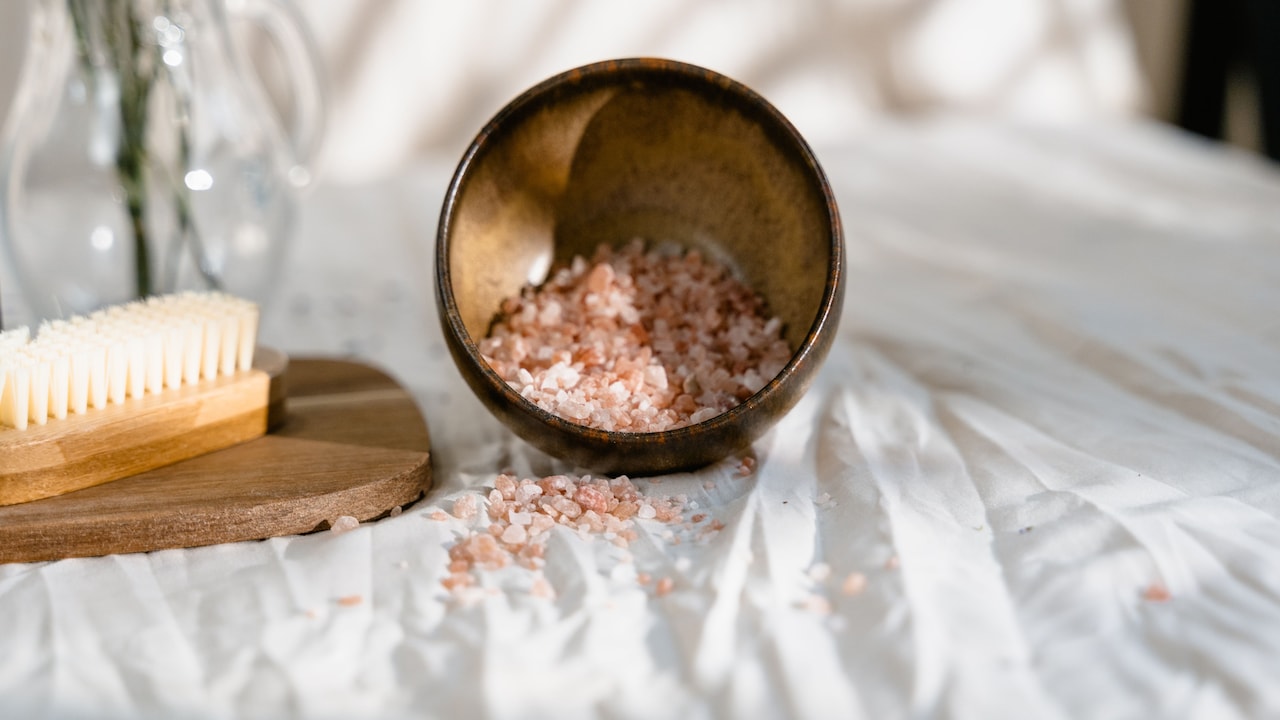
Why Bath Salts Do Not Fully Dissolve in Lukewarm Water
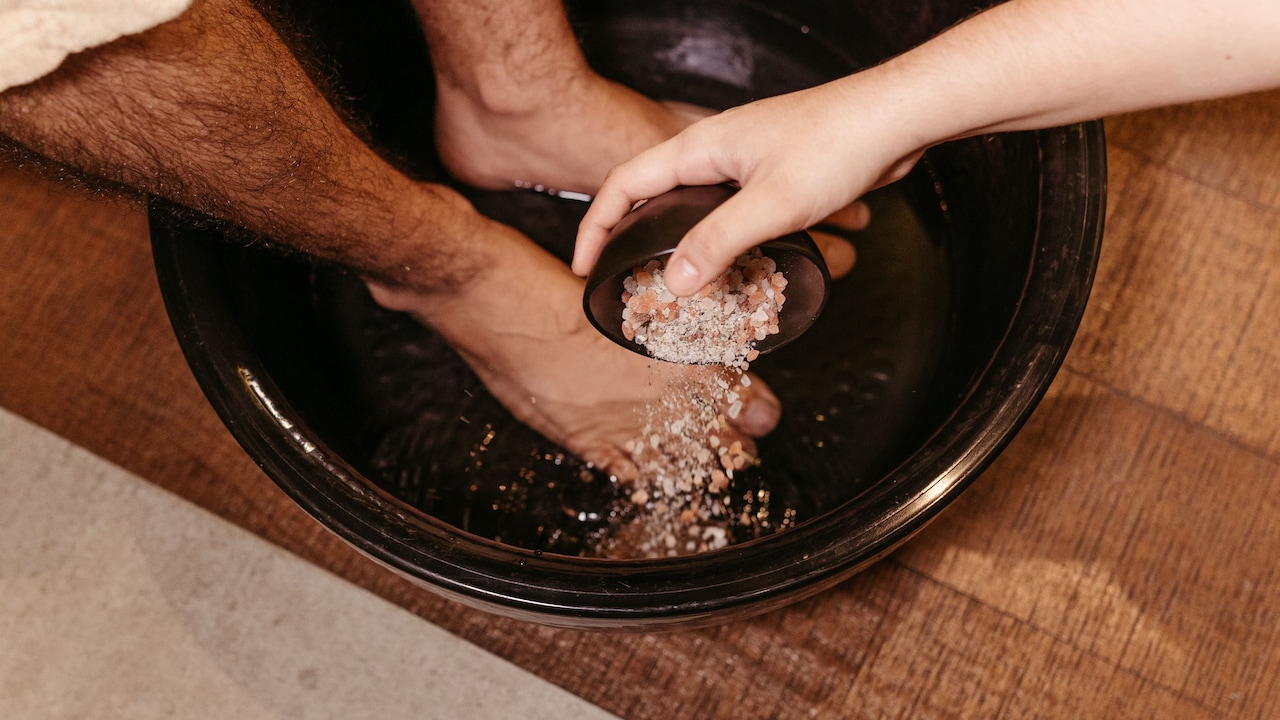
A warm bath can feel like a small luxury, especially after hours spent in traffic, at a desk, or on household chores. Add a handful of fragrant bath salts, and the ordinary evening routine begins to resemble a spa advertisement. Then comes the less glamorous part: several crystals refuse to disappear. They sit at the bottom like uninvited guests who have missed every hint to leave. Stirring helps for a moment, but some grains remain firm, rough, and surprisingly determined. The problem often starts with lukewarm water. Bath salts dissolve when water molecules pull apart the minerals inside each crystal. Heat gives those molecules more energy, helping them move faster and break down the crystals more effectively. Lukewarm water can still dissolve salts, but it may not provide enough energy to handle large grains, complex mixtures, or generous quantities. Several other details also matter. Some bath products contain herbal oils, herbs, clays, colours and fragrance carriers that do not dissolve like ordinary salt. Hard water may slow the process, while damp storage can create solid clumps. Even pouring the salts after filling the tub can make a difference. Here are ten reasons bath salts may not fully dissolve in lukewarm water.
Why Bath Salts Do Not Fully Dissolve in Lukewarm Water; Photo Credit: Pexels
Common Reasons Bath Salts Remain Undissolved
1. Lukewarm Water Has Less Dissolving Power
Temperature plays the biggest role in how quickly most bath salts disappear. In hotter water, molecules move with greater speed and collide with the salt crystals more frequently. These collisions loosen the particles on the crystal surface and carry them into the surrounding water.
Lukewarm water creates a slower process. It may feel comfortable against the skin, but it does not always provide enough heat to dissolve thick crystals before the water begins to cool further. The situation becomes more obvious during winter, when tap water and bathroom surfaces start colder than usual.
Think of sugar in tea. A spoonful melts quickly in a steaming cup, while the same amount takes longer in barely warm tea. Bath salts behave in a similar way, although their ingredients can make the process more complicated.
This does not mean the bath needs to feel scalding. Very hot water can dry the skin and cause discomfort. A better approach involves dissolving the salts first in a mug or bucket of comfortably hot water. Once the crystals disappear, the concentrated solution can join the rest of the bath. This simple step avoids turning relaxation time into an unexpected arm workout with a plastic mug.
2. Large Crystals Need More Time
Bath salts often come in attractive, jewel-like crystals. Their chunky appearance looks luxurious in a glass jar and gives the product a handcrafted feel. However, large grains take much longer to dissolve than finely ground salts.
A large crystal has less exposed surface area in relation to its total volume. Water can attack only the outer layer at first. The inner portion remains protected until the surface gradually breaks down. Fine grains expose far more material to the water at once, so they dissolve faster.
This explains why two products made from similar minerals may behave very differently. A powdered salt blend might vanish after a few stirs, while coarse crystals remain visible for ten minutes or more. Lukewarm water widens that difference because it already works at a slower pace.
Crushing oversized crystals before use can help. A clean mortar and pestle works well, though wrapping them in a sturdy cloth and pressing gently with a rolling pin can also reduce their size. There is no need to turn them into dust. Smaller, even pieces usually dissolve without much fuss.
The glittering crystals may look impressive on the bathroom shelf, but water cares more about surface area than presentation.
3. Too Much Salt Overloads The Water
Every quantity of water has a limit to how much salt it can hold in dissolved form. Once the water reaches that limit, extra crystals remain at the bottom, no matter how enthusiastically someone stirs.
This point matters when the instructions say “add a handful”. One person's handful may equal two tablespoons, while another's could fill a small katori. A generous pour may smell wonderful and feel indulgent, but the water may struggle to absorb it.
Lukewarm water reaches its practical limit sooner than hotter water for many bath salt ingredients. As the bath cools, some dissolved material may even begin to form tiny crystals again. This can create the confusing impression that the salts dissolved first and somehow returned.
Using a measured amount offers more reliable results. The label usually provides a recommended quantity based on an average bathtub or bucket. For a smaller bucket bath, a few tablespoons may prove sufficient.
Adding more salt does not always produce greater relaxation. It can leave the water overly concentrated, irritate sensitive skin and waste an expensive product. When a decorative jar costs ₹500 or more, watching half of it settle uselessly around the drain feels less like self-care and more like poor budgeting.
Why Bath Salts Do Not Fully Dissolve in Lukewarm Water; Photo Credit: Pexels
4. Some Ingredients Are Not Meant To Dissolve
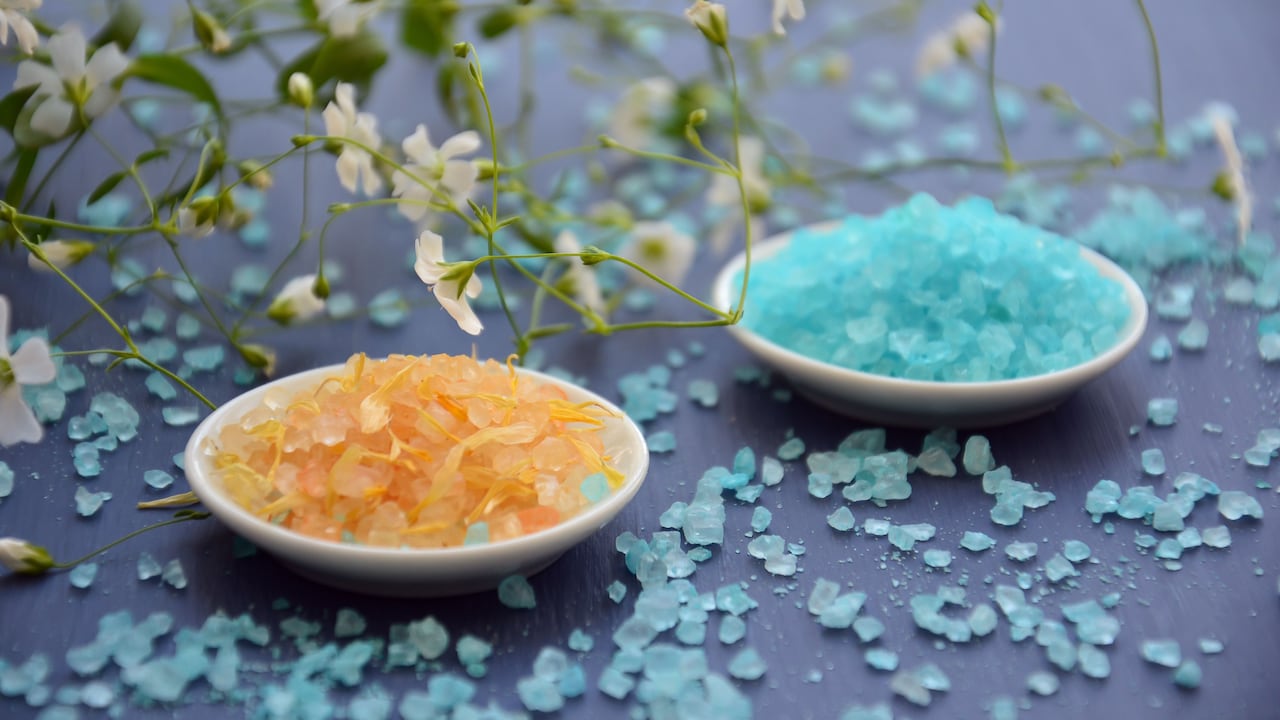
Many bath salts contain much more than salt. Manufacturers often add dried flowers, powdered herbs, clay, starch, glitter, essential oils, fragrance beads or small pieces of botanicals. Some of these ingredients disperse in water, but they do not truly dissolve.
Rose petals may float. Clay can create a cloudy layer. Herbal powder may settle into soft sediment. Oil can form tiny droplets on the surface. None of these reactions automatically signals a defective product.
The confusion begins when the label uses broad phrases such as “mineral soak” or “spa blend”. A person may expect every grain to vanish, yet part of the mixture may consist of decorative or skin-conditioning material.
Checking the ingredient list can solve the mystery. Epsom salt, sea salt, baking soda and certain mineral salts usually dissolve in suitable conditions. Dried lavender, sandalwood powder, rose fragments and clay will often remain visible.
A muslin pouch can keep these insoluble pieces contained. Fill the pouch with the bath blend, tie it securely and place it under running water. The soluble minerals pass through, while petals and herbs stay inside. This prevents the bath from looking like a flower market after closing time and also makes cleaning the tub considerably easier.
5. Oils Can Coat The Salt Crystals
Fragrance gives bath salts much of their appeal. Citrus notes can feel refreshing, while lavender or jasmine may create a calmer mood. To deliver these scents, many products use essential oils or perfume oils. These oils can coat the salt crystals and slow contact with water.
Water and oil do not mix easily. When oil forms a thin layer around each grain, water molecules struggle to reach the mineral beneath it. The crystals may float briefly, stick together or sink as greasy clumps. Lukewarm water often makes this coating more troublesome because warmer conditions help oils spread and disperse more effectively.
The problem may also occur with homemade bath salts. Pouring too much essential oil directly onto the crystals can leave them heavily coated. A pleasant fragrance soon turns into a stubborn residue.
Mixing the product thoroughly before use may redistribute the oils. Dissolving a small portion at a time can also help. Running water creates movement that breaks apart oily clusters, so adding the salts while filling the tub generally works better than sprinkling them over still water.
Anyone with sensitive skin should also treat heavily scented blends cautiously. More fragrance does not always mean a better bath. Sometimes it simply means a slippery floor and a towel that smells like a perfume counter.
6. Hard Water Interferes With Dissolution
Tap water varies greatly from one city to another. In many homes, it contains high levels of calcium, magnesium and other minerals. This type of water, commonly called hard water, can affect how bath salts dissolve and behave.
The minerals already present in the water may interact with ingredients in the bath blend. Some combinations form cloudy particles or fine deposits instead of remaining evenly dissolved. Soap scum on taps and pale marks around a bucket often reveal the same underlying issue.
Hard water does not necessarily prevent every salt from dissolving, but it can slow the process or create residue that looks like undissolved crystals. The effect becomes more noticeable when the bath product contains baking soda, clay, soap-based fragrance carriers or complex mineral mixtures.
A simple test can identify the culprit. Dissolve a teaspoon of the product in a glass of filtered or purified warm water. Then repeat the test with tap water. A clear difference suggests that water quality plays a part.
Using filtered water for a full bathtub may not feel practical. Instead, dissolve the salts in a smaller bowl of purified hot water and pour the mixture into the bath. This method reduces direct mineral clashes and often improves the final texture without turning bath time into a laboratory experiment.
Why Bath Salts Do Not Fully Dissolve in Lukewarm Water; Photo Credit: Pexels
7. Poor Stirring Leaves Dense Pockets
Even the right amount of bath salt can settle when the water remains still. Dense crystals sink quickly, gather in one place, and create a concentrated pocket at the bottom. Water around that pocket soon becomes saturated, while the rest of the bath remains comparatively clear.
Gentle movement spreads the particles throughout a larger volume of water. This gives each crystal access to fresh water and speeds up dissolution. Running taps naturally provide this movement, which explains why salts often dissolve better when added during filling.
Pouring them into a full, still bucket creates the opposite effect. The grains drop straight down and form a small mineral hill. A quick swirl near the surface will not disturb the heavier crystals below.
Stirring from the bottom works better. A clean mug, long spoon or bath paddle can lift the grains and circulate the water. The aim is not to create a whirlpool worthy of a water park. A minute of steady movement usually does enough.
For a bucket bath, divide the salts into two or three smaller additions. Stir after each one. This prevents a dense layer from forming and gives the water time to absorb the minerals gradually. Good technique often matters as much as higher temperature.
8. Moisture Creates Hard Clumps
Bath salts attract moisture from the air. Bathrooms, unfortunately, provide plenty of it. Steam from hot showers, damp shelves and loosely closed jars can cause the crystals to absorb water during storage.
Once damp, the grains begin to stick together. They may form solid lumps that look dry on the outside but contain tightly packed material within. Lukewarm water must then break apart the entire lump before it can dissolve the individual crystals.
A fresh product usually pours freely. If the contents emerge as one stubborn block that requires tapping, scraping or negotiation, moisture has probably entered the container.
Storage makes a major difference. Keep bath salts in an airtight jar, preferably outside the wettest part of the bathroom. Use a dry spoon rather than damp fingers. A small food-safe moisture absorber placed nearby, but never mixed directly into the product, can also help protect the contents.
Existing clumps can often be crushed and used safely when the product still smells normal and shows no signs of mould or contamination. However, any unusual colour, sour smell or visible growth calls for disposal.
Saving a ₹700 bath blend may feel tempting, but no relaxing soak deserves a side serving of bathroom fungus.
9. The Water Cools Too Quickly
Bath water rarely stays at one temperature. The bucket, bathtub, floor and surrounding air all draw away heat. During cooler months or in an air-conditioned bathroom, lukewarm water can become tepid within minutes.
This gradual cooling slows dissolution just when the crystals need sustained warmth. Large grains may begin breaking down but stop before they disappear. A thin layer then remains at the bottom after the bath has already started.
The order of preparation can prevent this problem. Add the salts before the bath reaches its final volume. Let comfortably hot running water strike the crystals directly, then add cooler water until the temperature suits the skin.
For bucket baths, pre-warming the bucket helps more than many people expect. Swirl a little hot water around it, discard that water and then prepare the bath. The container will absorb less heat from the final mixture.
Covering the bucket for a few minutes while the salts dissolve can also retain warmth. A lid, plate or clean towel may do the job.
The process resembles preparing a good cup of chai. Temperature, timing and order matter. Throw everything together carelessly, and the result may still work, but it rarely delivers the same satisfaction.
10. Product Quality And Formulation Matter
Sometimes the water is not the main problem. Low-quality bath salts may contain fillers, poorly blended fragrance carriers, excess colour or minerals that do not dissolve easily. A product can look attractive and smell impressive while performing badly in water.
Colourful crystals may carry thick coatings of dye or oil. Some inexpensive blends use coarse industrial-grade salt with uneven grains. Others include powders that settle quickly and leave a gritty texture.
Packaging claims can also create unrealistic expectations. Words such as “detox”, “crystal therapy” or “luxury mineral infusion” do not reveal how well the formula dissolves. The ingredient list offers far more useful information.
A small glass test before the first bath can save both time and product. Add a teaspoon to warm water, stir and observe it for five minutes. Clear water with minimal residue suggests a straightforward salt blend. Heavy sediment, oily clumps or persistent artificial colour may indicate a more complex or poorly balanced formula.
Price alone does not guarantee quality. A simple, well-formulated product costing ₹250 may dissolve better than an ornate jar priced at ₹1,200. Reliable packaging, clear ingredients and sensible directions matter more than ribbons, glitter and words borrowed from five-star spa menus.
Products Related To This Article
1. Soulflower Epsom Lavender Bath Salt for Body & Foot Spa, Calming
2. Bubble Me Spoil Yourself Bath Salt | 400g
3. Kimirica Love Story Bath Salt For Body Spa
4. YOGAFY Soothe Rose Epsom Salt Crystals for Bath With Epsom Salt
5. Khadi Omorose Epsom Bath Salt Crystal and Bath
6. HEALME Himalayan Rock Salt Granules for Puja
7. Vedanum Premium Aromatic Rose and Geranium Bath Salt for Skin Nourishment
8. Aromahpure 100% Natural Bath Salt with Essential Oils
Bath salts often fail to dissolve fully in lukewarm water because several small factors work together. Low temperature slows molecular movement. Large crystals need more time. Excess product can overwhelm the water, while oils, herbs, clay and fragrance carriers may never dissolve completely. Hard water, weak stirring, damp storage and rapid cooling add further complications.
The easiest solution involves changing the method rather than abandoning the product. Use the recommended amount, add it under running water, and stir from the bottom. Break large crystals into smaller pieces and dissolve stubborn blends separately in comfortably hot water. Store the container in a dry place and check the ingredient list for materials that naturally remain visible.
A little residue does not always signal poor quality. Petals, herbs and clay may simply behave as intended. However, hard oily lumps, unusual smells or excessive grit deserve closer attention.
Bath time should offer comfort, not a wrestling match with mineral pebbles. With the right temperature, quantity and timing, those stubborn crystals can finally disappear, leaving behind fragrant water, relaxed muscles and one less household mystery to solve.
(Disclaimer: This article may include references to or features of products and services made available through affiliate marketing campaigns. NDTV Convergence Limited (“NDTV”) strives to maintain editorial independence while participating in such campaigns. NDTV does not assume responsibility for the performance or claims of any featured products or services.)