10 Reasons Lipstick Looks Smooth At First But Cracks Later And How To Prevent It
Lipstick can look flawless when freshly applied, then turn patchy, dry or cracked within hours. From hidden dehydration to layering mistakes, here are 10 reasons it happens and practical ways to keep colour looking smoother for longer.
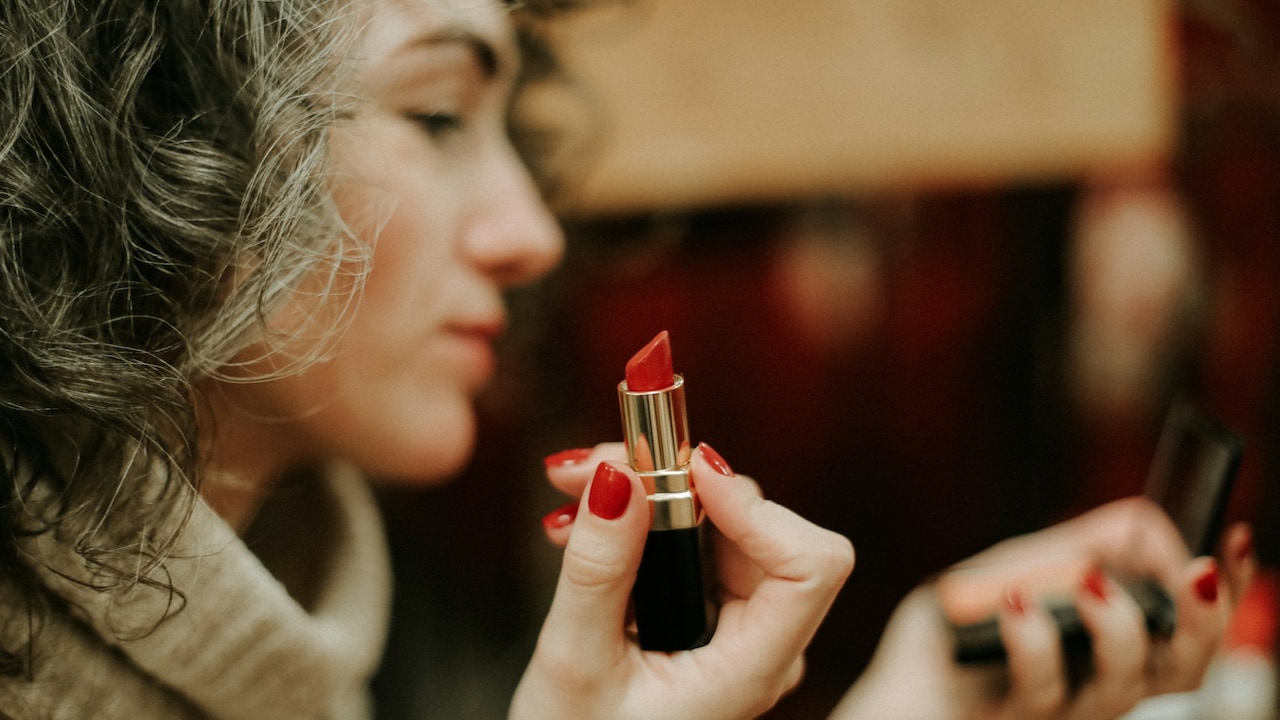
Common rasons for lipsticks becoming dry and prone to cracking
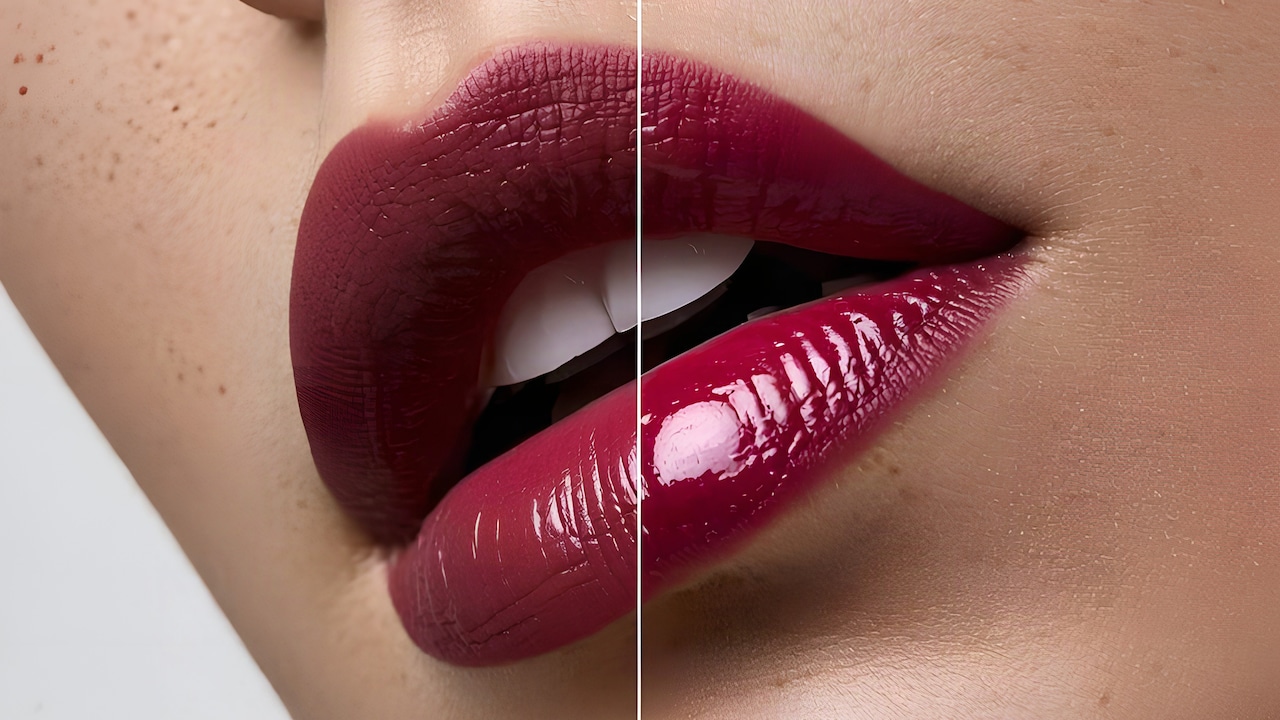
There's a particularly annoying beauty mystery that happens somewhere between the bathroom mirror and the middle of the day. Lipstick goes on beautifully in the morning. The colour looks even, the edges appear neat and the finish seems smooth enough to survive coffee, conversations and perhaps even lunch. Then, a few hours later, the mirror tells a very different story. Fine cracks have appeared. Colour has gathered around dry patches. The centre of the lips looks bare while the edges remain stubbornly intact.
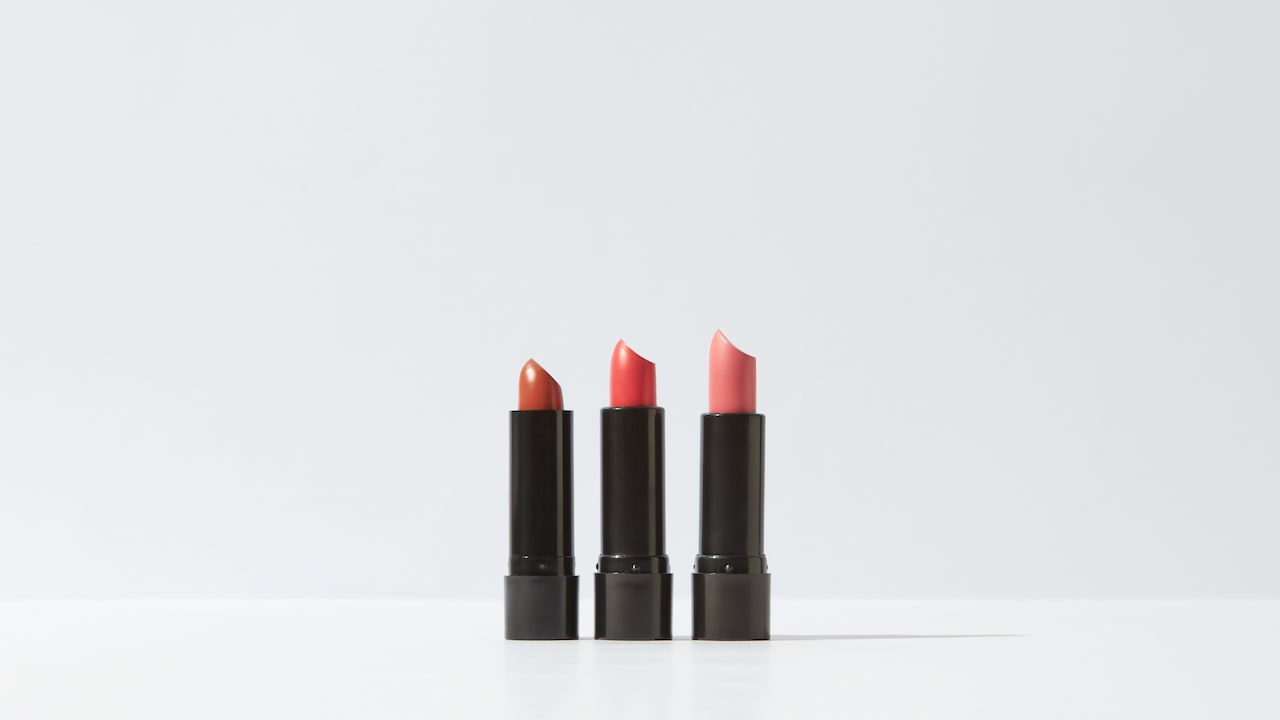
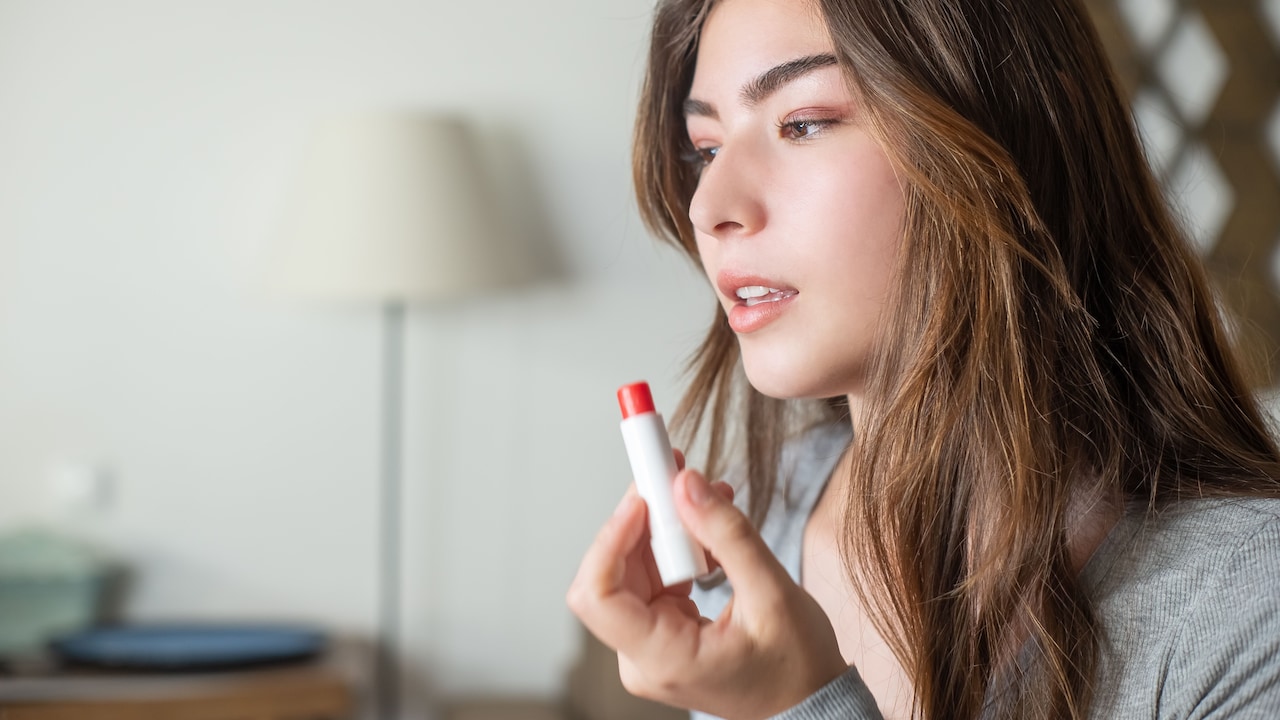
What causes lipsticks to turn dry upon application; Photo Credit: Pexels
It's easy to blame the lipstick. Sometimes, the formula really is the problem. More often, though, cracked lipstick comes from a combination of lip condition, application technique, product texture and everyday habits.
Also Read: Top 5 Nude Lipsticks That Suit Every Festive Outfit Under ₹500
Our lips also behave differently from the rest of the face. They lack the same oil-producing glands that help other areas retain moisture, which makes them more vulnerable to dryness. Add air-conditioning, heat, dehydration, spicy meals and long-wear matte formulas, and even a lipstick that looked perfect at 9 am can struggle by lunchtime.
Here are 10 common reasons lipstick cracks after initially looking smooth, along with simple ways to help the colour stay comfortable and polished.
Why Lipstick Starts Cracking After A Smooth Application
1. Your Lips Were Dry Before The Lipstick Went On
Fresh lipstick can temporarily disguise dryness. Pigment fills tiny lines, while creamy ingredients create the illusion of a smoother surface. Give it an hour or two, however, and those dry areas often become far more noticeable.
The problem usually starts before the lipstick tube even opens. Lips can lose moisture because of dehydration, weather changes, air-conditioning or simply skipping lip care for a few days. Matte products make existing dryness particularly obvious because they contain less slip than balmy formulas.
A quick check before applying colour can help. Gently press the lips together. If they feel rough, tight or slightly flaky, they need some preparation.
Apply a thin layer of lip balm before starting the rest of your makeup. This gives it several minutes to soften the lips. Before lipstick, blot away excess balm with a tissue. Leaving too much underneath can make colour slide around.
Think of lipstick as paint. A smoother surface usually gives a smoother finish, while an already cracked surface eventually reveals every uneven patch beneath it.
2. You're Applying Too Much Lipstick
When colour starts fading, the instinctive response is often to add more. Then another swipe follows after tea. Perhaps another appears after lunch. By late afternoon, several layers are sitting on top of one another, and the lipstick begins looking less polished with every touch-up.
Thick application can create a surprisingly fragile finish. The upper layers move when the lips stretch, talk or smile, while the pigment underneath stays relatively fixed. Eventually, the product separates into tiny cracks.
This happens especially often with creamy mattes and liquid lipsticks.
Instead of building one heavy coat, apply a thin, even layer. Press the lips together gently, blot once and inspect the finish before adding anything else. If stronger colour is needed, use another very light coat.
Touch-ups deserve the same restraint. Rather than repeatedly painting over old lipstick, remove loose or uneven colour first. A tissue can take away excess product around the inner lips before fresh colour goes on.
More lipstick doesn't necessarily mean longer wear. Sometimes, the thinnest layer survives the longest simply because there's less product available to bunch, shift and break apart.
3. Your Lip Balm Is Working Against The Lipstick
Lip balm should help lipstick look better, but timing matters.
A thick layer of balm immediately underneath lipstick can create a slippery barrier. Initially, everything looks glossy and smooth. As the balm moves or absorbs, however, the pigment sitting on top can shift unevenly. Some sections disappear while others collect around the lip lines.
Heavy petroleum-style products and rich overnight masks can cause this problem when used just before makeup.
That doesn't mean balm needs to disappear from the routine. It simply needs a head start.
Apply it while getting ready. Let it sit while doing skincare, hair or the rest of the face. Before lipstick, gently blot the lips. They should feel comfortable rather than greasy.
For particularly dry lips, a lightweight moisturising balm often works better underneath colour than a thick mask.
There's also no need to repeatedly apply balm over matte lipstick throughout the day. Doing so can break down the pigment and create patchiness. When the lips genuinely feel dry, it's usually better to remove the most uneven colour, add a tiny amount of balm, wait briefly and then reapply lipstick.
4. You're Over-Exfoliating Your Lips
Lip scrubs have become the default answer to almost every lipstick problem. Flaky lips? Scrub them. Uneven colour? Scrub again. Matte lipstick looking rough? Surely another round of exfoliation will fix it.
Unfortunately, lips can have too much of a good thing.
Aggressive scrubbing can irritate the delicate surface of the lips and remove skin that wasn't ready to shed. They might feel exceptionally smooth immediately afterwards, which makes the habit seem effective. Hours later, however, that irritation may turn into tightness and peeling.
The result? Lipstick starts splitting across newly sensitised areas.
Exfoliation should feel gentle, not like sanding furniture. If loose flakes appear, soften them first with balm and use a damp, soft cloth with very light pressure. Avoid repeatedly rubbing the same spot.
Frequent exfoliation also isn't necessary for everyone. Well-moisturised lips often need very little.
The goal isn't to create perfectly polished lips with zero texture. Natural lip lines will always exist. Good lipstick application works with them rather than trying to scrub them away. Healthy, comfortable skin provides a much better base than temporarily smooth but irritated lips.
5. Your Matte Lipstick Is Too Drying For Long Wear
Matte lipstick has undeniable appeal. It photographs beautifully, transfers less and can survive situations that make creamy lipstick disappear before the first snack arrives.
The trade-off often becomes obvious several hours later.
Many matte formulas rely on ingredients that help pigment set firmly and reduce shine. That dry-down gives them staying power, but it can also make lips feel tighter as the day progresses. Every smile and conversation stretches the layer of pigment. Eventually, tiny cracks can appear where the lips move most.
Liquid mattes can make this especially noticeable.
If this happens regularly, it may simply mean the formula doesn't suit prolonged wear on your lips. Try softer matte, velvet or satin finishes instead of assuming every lipstick needs to survive eight hours untouched.
Preparation also matters. Hydrate the lips beforehand and keep layers thin.
For an existing favourite that's slightly drying, a tiny dab of balm on the centre of the lips later in the day may improve comfort. Avoid coating the entire mouth in balm, though, because that can dissolve the lipstick unevenly.
Longevity matters, but comfort counts too. Lipstick shouldn't feel like freshly applied cement.
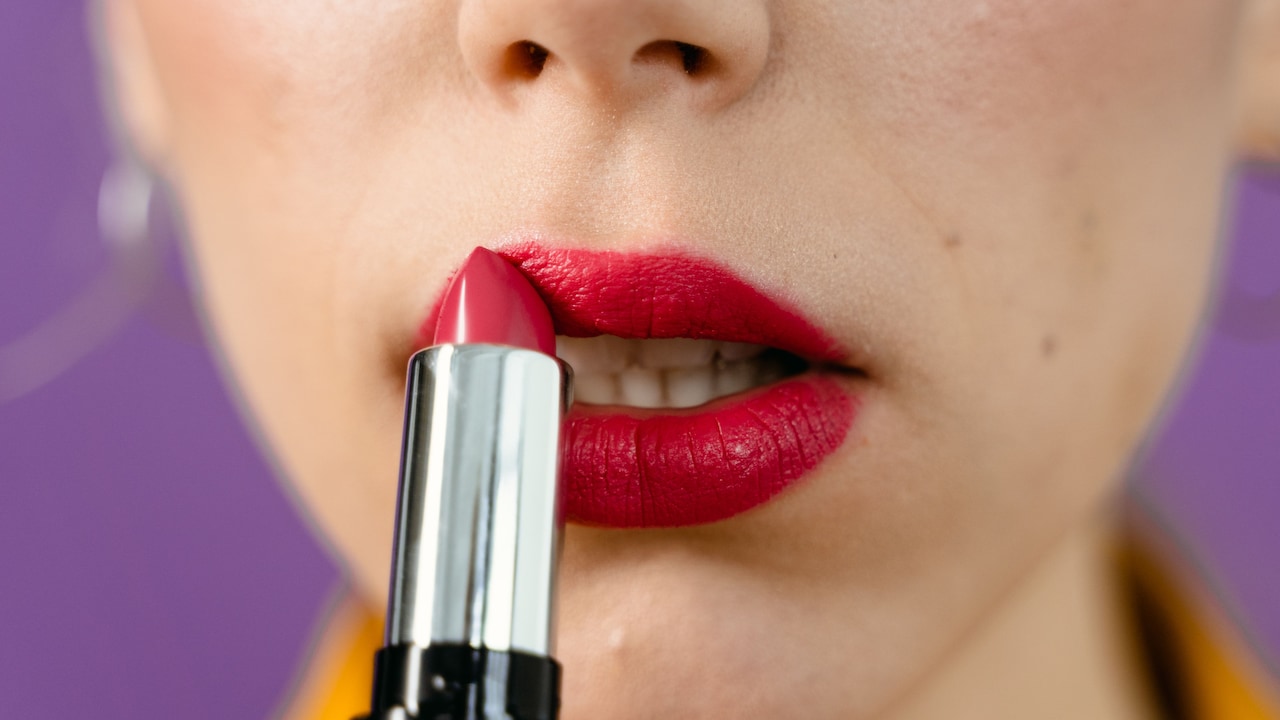
Overly drying matte formulas may not last many hours
Photo Credit: Pexels
6. You Keep Licking Your Lips Without Realising It
Dry lips trigger an almost automatic response: licking them.
For a few seconds, it feels helpful. Moisture touches the surface and the tight sensation disappears. Then the saliva evaporates, and the lips often feel even drier than they did before.
Repeated lip licking can disturb both the skin and the lipstick sitting on top of it. The inner section usually suffers first because it gets the most contact with saliva. Colour disappears there while the outer lip remains darker, creating the familiar ring of lipstick that seems determined to survive everything.
Once dryness develops, cracking becomes more visible.
Try noticing when lip licking happens. It often increases while concentrating, talking for long periods or sitting in an air-conditioned room.
Keeping water nearby may help if thirst contributes to the habit. Regular lip care outside makeup hours can also reduce the tightness that prompts licking.
For long days, carrying the lipstick and a small mirror makes more sense than constantly trying to smooth dry lips with saliva. A controlled touch-up will always look better than repeatedly wetting pigment and hoping it somehow reorganises itself.
7. Lip Liner And Lipstick Have Very Different Textures
Lip liner can be brilliant for controlling feathering and defining shape, but it can also create uneven wear when its texture clashes with the lipstick.
Imagine using a very dry pencil across the entire lip and then layering an equally dry matte lipstick over it. At first, the colour looks incredibly neat. A few hours later, the combination may feel stiff because both layers absorb movement rather than flexing comfortably with the lips.
The opposite can happen too. A very creamy liner underneath a firm lipstick can cause sections of pigment to shift.
For everyday wear, try keeping the textures reasonably compatible. A creamy pencil works well with satin or soft-matte formulas, while long-wear liner can support longer-lasting lipstick when applied sparingly.
There's also no rule saying liner must cover every millimetre of the lips. Use it mainly where extra definition or grip is needed.
If full-lip lining improves longevity for you, keep the pencil layer thin.
Makeup performs best when the products cooperate. When liner behaves like chalk and lipstick behaves like paint, the disagreement eventually becomes visible right across the mouth.
8. Food And Drinks Break Down The Lipstick Unevenly
Sometimes lipstick isn't mysteriously cracking at all. Lunch happened.
Oil is particularly effective at breaking down many lipstick formulas. A buttery paratha, rich curry, salad dressing or anything generously coated with oil can remove colour from the centre of the lips while leaving the outer edges relatively untouched.
Hot drinks add another challenge. Repeated contact with cups creates friction, while heat and moisture can gradually soften the lipstick.
This uneven removal often gets mistaken for cracking because the remaining pigment gathers around lines and dry areas.
Trying to prevent all transfer isn't realistic. A better strategy is learning how to repair lipstick afterwards.
Once you've finished eating, gently blot the lips. Remove any obvious unevenness around the inner edge before reapplying a thin coat. Painting directly over oily residue usually produces a patchy finish that breaks apart quickly.
When drinking from a cup, touching the lips lightly to one section rather than repeatedly pressing them against different areas can also reduce disruption.
Lipstick lives on a moving, eating, talking part of the face. Some maintenance isn't failure. It's simply physics meeting lunchtime.
9. You're Touching Up Without Removing Cracked Product
This might be the biggest reason lipstick looks increasingly worse as the day progresses.
When colour cracks, many people apply fresh lipstick directly over the damaged layer. It seems logical. The colour looks uneven, so more colour should make it even again.
Unfortunately, fresh lipstick doesn't erase the texture underneath.
Instead, it settles into existing cracks and sticks to older clumps of pigment. After several touch-ups, the lips can develop thick areas around the edges and thin, broken sections in the centre.
The solution is a small reset.
Use a tissue to press away loose pigment, particularly around the inner lips. If necessary, dampen a cotton bud slightly and clean up stubborn patches. Then apply a tiny amount of balm if the lips feel tight. Give it a moment, blot excess moisture and add one fresh, thin coat.
This takes slightly longer than swiping lipstick straight from the tube, but the result looks dramatically better.
Think of it like fixing chipped nail polish. Painting another thick coat over the broken section rarely hides the problem properly. Sometimes starting with a cleaner surface saves more time than endlessly repairing the mess.
10. Your Lips Need More Moisture Between Lipstick Days
Lipstick problems don't always begin on the day they appear.
If the lips remain dry throughout the week, no amount of clever application can completely disguise the texture. Weather exposure, low water intake, prolonged air-conditioning, habitual licking and skipping lip care can gradually leave the surface rough.
Then comes a special occasion, a bold matte shade and the expectation that everything will suddenly look smooth.
Regular maintenance makes that easier.
Apply a comfortable lip balm when the lips feel dry, particularly before bed. Don't wait until visible flakes appear. Protect the lips from harsh weather where possible and avoid constantly peeling loose skin with your fingers, tempting as it may be.
If a particular lipstick consistently leaves your lips sore, cracked or uncomfortable, consider using it less often. Beauty products should work for the person wearing them, not demand endurance in exchange for a particular finish.
Persistent cracking, pain, bleeding or irritation that doesn't improve with basic lip care may also deserve professional attention rather than endless product experimentation.
Healthy lips won't look completely line-free, and they shouldn't. Natural texture is normal. The goal is comfort, not porcelain perfection.
Products Related To This Article
1. Maybelline New York Super Stay Matte Ink Liquid Lipstick
2. LAKMÉ LAKM Lakme Powerplay Priming Matte Lipstick, Smooth Finish
3. SUGAR Cosmetics Nothing Else Matter Longwear Lipstick for Women
4. Pilgrim Matte Bullet Lipstick Intense Colour Transferproof & Smudgeproof Mocha Bliss
5. LAKMÉ 9 To 5 Primer And Matte Lip Color
6. SUGAR Cosmetics Glide Peptide Serum Lipstick with Hyaluronic Acid & Vitamin E
7. REVLON Super Lustrous Creme Lipstick
Lipstick rarely goes from flawless to cracked for one dramatic reason. Usually, several small factors work together: dry lips, thick layers, mismatched products, meals, repeated touch-ups and formulas that simply demand too much from the skin.
The easiest fix often isn't buying another lipstick. Start with comfortable, moisturised lips, apply colour in thin layers and refresh it properly instead of piling new pigment over old. A little preparation can make the difference between lipstick that looks good for ten minutes and colour that still looks respectable hours later.
And perhaps most importantly, don't judge lipstick by the first mirror check. The real test begins after coffee.
(Disclaimer: This article may include references to or features of products and services made available through affiliate marketing campaigns. NDTV Convergence Limited (“NDTV”) strives to maintain editorial independence while participating in such campaigns. NDTV does not assume responsibility for the performance or claims of any featured products or services.)