Warm vs Cool Highlighter: How to Choose the Right Shade for Your Undertone
Warm or cool highlighter? This quick shade guide helps you choose the right glow for your undertone, so your highlight looks fresh, not grey, ashy, or chalky.
Warm Vs Cool Highlighters: A Shade Guide That Stops You From Looking Grey.
Highlighter is the most misunderstood product in the makeup bag. Blush gets all the love, kajal gets the loyalty, lipstick gets the drama, but highlighter? Highlighter gets blamed. One day, it looks like candlelight. The next day, it looks like chalk. Or worse, like someone rubbed silver coin dust on the cheekbones. The problem isn't that the highlighter “doesn't suit” certain skin tones. That's a myth that needs to be retired. The real issue is that people often buy highlighters the way they buy earrings: “Pretty, shiny, done.” But glow is not jewellery. Glow is chemistry, between skin tone, undertone, texture, and lighting.
And in a country where sunlight can go from “soft morning” to “full HD harsh” in under two hours, undertone matters even more.
This guide makes warm vs cool highlighters easy. No confusing jargon, no gatekeeping. Just clear, wearable rules that stop you from looking grey.
Warm Vs Cool Highlighters: A Shade Guide That Stops You From Looking Grey
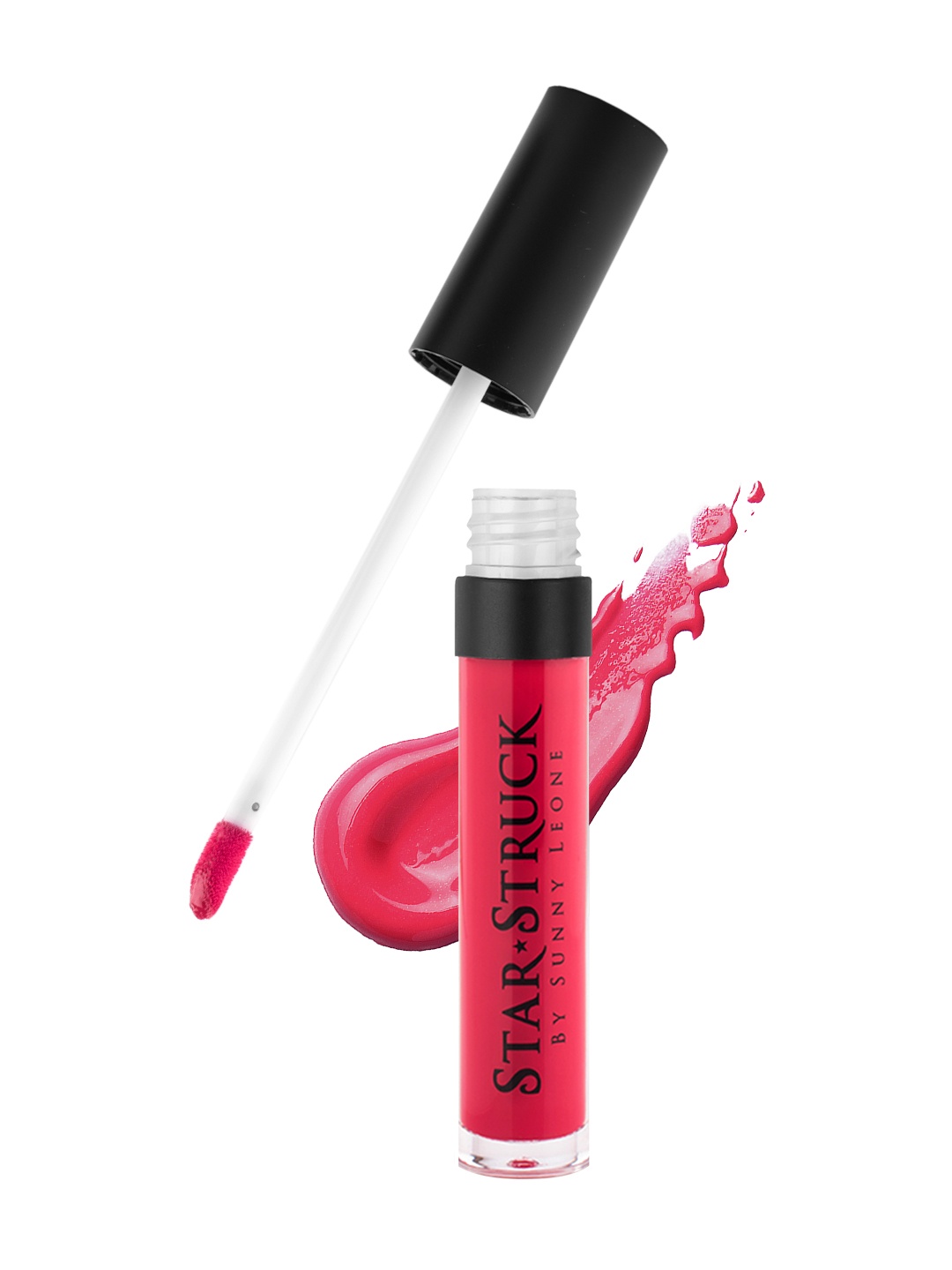
Photo Credit: Myntra
Before You Buy: The Warm vs Cool Highlighter Checklist
1) Warm vs Cool: What It Actually Means (Without the Science Lecture)
Warm highlighters have golden, peach, champagne, or bronze tones. They mimic the way skin looks when it's healthy and naturally lit, like you've had coconut water, eight hours of sleep, and zero emotional damage. Cool highlighters lean icy: pearl, silver, pink, or lilac. They can look editorial, glossy, and ultra-fresh when chosen right.
The mistake happens when the undertone clashes. A cool-toned highlighter on warm undertones often turns ashy or grey. It doesn't glow; it sits on top like frost on a paratha. A warm highlighter on cooler undertones can go too yellow or brassy, like turmeric met a disco ball.
In short: warm highlighters melt in, cool highlighters pop out. Both can work, but they behave differently. Warm shades give that “sun-kissed, soft focus” look. Cool shades give “glass skin, moonlit, clean” energy.
The goal isn't to pick one team for life. The goal is to know which one plays nicely with your face.
2) The Grey Effect: Why Some Highlighters Make Skin Look Dull
The “grey cast” is the enemy. It's that moment when a highlighter should brighten, but instead makes skin look tired, dusty, or slightly bruised. This happens for three reasons.
First: undertone mismatch. If the skin has warmth and the highlighter leans icy or silvery, the silver reflects as grey against the warmth. It's not a glow; it's a shadow pretending to be shine.
Second: base makeup tone. If the foundation is slightly too light or too neutral, and then a cool highlighter goes on top, everything can flatten. The face starts looking like it has been lightly powdered with disappointment.
Third: particle size. Some highlighters have chunky shimmer that catches light in sharp bits. Under strong sunlight or tube lights, those bits look like texture and patchiness. And yes, that can read as grey too.
A quick fix: look at the highlighter stripe on your hand. If it looks like a pale metallic streak rather than a soft sheen, it will likely show up harshly on the face. The best glow looks like skin first, shine second.
3) The Cheat Code: How to Find Your Undertone in Real Life
Undertone sounds complicated until it doesn't. Forget the “veins are green or blue” thing for a moment. That method works, but it's not foolproof.
A more useful trick: think about jewellery and compliments. If gold jewellery makes the face look brighter and more alive, the undertones lean warm. If silver jewellery makes the face look clean and sharp, the undertones lean cool. If both look good, undertones may be neutral.
Another clue: how skin reacts to the sun. If skin tans easily and rarely burns, warmth is likely present. If skin burns or goes pink first, cooler undertones might be stronger. Many people sit in the middle, with warmth on the surface and neutrality underneath. That's why so many look “confusing” on paper.
Also, consider what colours make the face look fresh. Mustard, rust, warm pinks, and coral? Warm. Berry, mauve, cool pink, and wine? Cool. Both? Neutral.
Once the undertone becomes clear, highlighting becomes easy. It stops being trial-and-error and starts being a confident choice.
4) Warm Highlighters: Who They Flatter and Why They Look So Natural
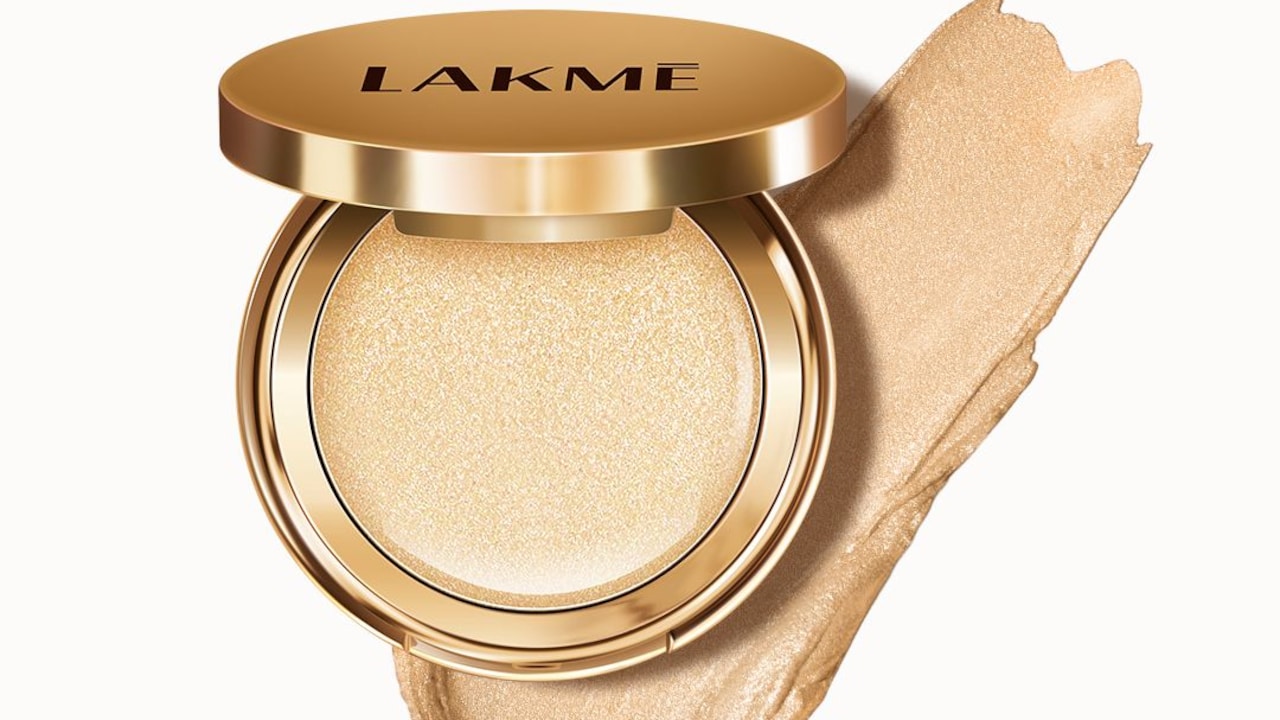
Warm highlighters are the crowd-pleasers. Gold, champagne, peach, and bronze tones tend to flatter a wide range of skin depths, especially when there's warmth in the undertone. They blend in as they belong there.
The biggest advantage: warm highlighters mimic sunlight. They look like “skin but better” rather than “makeup but shiny.” That's why they're forgiving in real life, weddings, office lights, family functions, and random selfies where the phone flash chooses violence.
Warm tones also work beautifully with traditional looks. A soft gold highlight with a peach blush and a brown kajal moment? Instant festive face. Even minimal makeup looks more polished with a warm glow, because it adds dimension without screaming for attention.
The key is picking the right warmth. Soft champagne suits lighter skin. True gold suits medium skin. Bronze and caramel tones suit deeper skin. If the gold looks too yellow, it's too warm. If it looks too pale, it's too cool.
A warm highlight should never look like a stripe. It should look like your skin is happy.
5) Cool Highlighters: When They Look Stunning (And When They Betray You)
Cool highlighters have a reputation: “Only for fair skin.” That's not true. Cool highlighters can look incredible on any skin depth, if the undertone supports it and the shade has the right base.
Pearl and icy pink highlighters can make the face look lifted, fresh, and modern. They give that K-beauty style glow, where the shine feels wet and clean rather than golden and sunlit.
But cool highlighters have a short temper. If the base tone is wrong, they go ashy. If the texture is too metallic, they look like foil. If the shimmer is chunky, they emphasise pores and peach fuzz, especially on cheeks.
Cool tones work best when the skin has cooler undertones, or when the look is intentionally editorial, think soft matte base, defined brows, and a crisp lip. They also shine (pun intended) at night. Under warm indoor lights, cool highlights can balance the warmth and create a clean contrast.
If warm highlighters are “glowy goddess,” cool highlighters are “icy confident.” Both are valid moods. Just don't force one mood onto the wrong face.
6) Neutral Highlighters: The Unsung Heroes for Everyday Glow
Neutral highlighters deserve more hype. They sit between warm and cool, soft champagne, beige-gold, peachy pearl. They don't lean too yellow, too silver, or too pink. They just… glow.
For many people, neutral highlighters become the daily go-to. They work with most foundations, most blushes, and most lip colours. They don't fight with the rest of the makeup. They also look more believable in harsh daylight.
Neutral shades are perfect for those who feel stuck between warm and cool. Some days, gold looks too warm, and pearl looks too icy. Neutral becomes the peace treaty.
Another reason they work: they usually have finer shimmer. Brands often formulate neutral highlighters to be wearable and “soft focus,” not dramatic. That means less risk of texture showing up.
Neutral highlighters are also excellent for beginners. If someone is building a basic makeup kit on a budget, say under ₹1,000, neutral is the safest choice because it gives the highest number of good makeup days.
Sometimes the best glow isn't loud. It's reliable.
7) Cream, Powder, Liquid: Texture Matters More Than People Admit
Shade matters, but texture decides whether the glow looks smooth or messy. The same colour can look completely different in a cream versus a powder.
Cream highlighters melt into skin. They look like real glow. They work beautifully for dry skin, normal skin, and that “no-makeup makeup” vibe. They also suit the winter months, when skin wants softness. But they can move around on very oily skin, especially in humid weather.
Powder highlighters are easier to control. They last longer and photograph well. But if the powder is too dry or too metallic, it can sit on top of the skin and highlight texture. It can also look grey if applied heavily.
Liquid highlighters are the drama queens. They can be stunning when used lightly, mixed into moisturiser, or dabbed on high points. But they can also go from glow to glittery chaos in two seconds.
A practical rule: if the highlighter looks like it belongs in a craft store, it will behave like craft glitter. Skin deserves better.
8) Placement: The Same Highlighter Looks Different Depending on Where It Sits
Highlighter placement is the difference between “lifted and radiant” and “oily and confused.” Even the perfect shade can fail if placed badly.
For warm highlighters, cheekbones and temples are the safest. They create a sun-kissed effect. A touch on the bridge of the nose can look cute, but too much can make the nose look sweaty. A tiny dab on the cupid's bow can make lips look fuller, but again, tiny.
Cool highlighters work best on the highest point of the cheekbone, closer to the outer corner of the eye. That placement looks snatched and clean. Cool highlight on the centre of the face can look stark under daylight.
For neutral highlighters, placement is flexible. They suit cheeks, brow bone, and inner corner.
Also, don't highlight areas with visible texture. If pores are prominent on the apples of the cheeks, avoid that zone. Glow should lift. It should not zoom in on your skin's life story.
Highlighter is not meant to be everywhere. It's meant to be strategic.
9) Pairing With Blush and Bronzer: The Trio That Makes Glow Look Intentional
Highlighter doesn't live alone. It has roommates: blush and bronzer. When these three work together, the face looks sculpted, healthy, and expensive. When they clash, the face looks… like three separate people did the makeup.
Warm highlighters pair beautifully with peach, coral, terracotta, and warm pink blushes. Add a soft bronzer, and the face looks naturally sunlit. This combo works especially well for festive wear and daytime events.
Cool highlighters pair best with rose, mauve, berry, and cool pink blushes. Bronzer should be neutral rather than orange. Otherwise, the face becomes half warm, half cool, and the glow looks accidental.
Neutral highlighters pair with almost everything. They work with warm blush, cool blush, and even bold reds.
A simple hack: match your highlighter to your blush, not your outfit. Outfits change. Undertones don't. If the cheeks look harmonious, the glow looks believable. And a believable glow always wins.
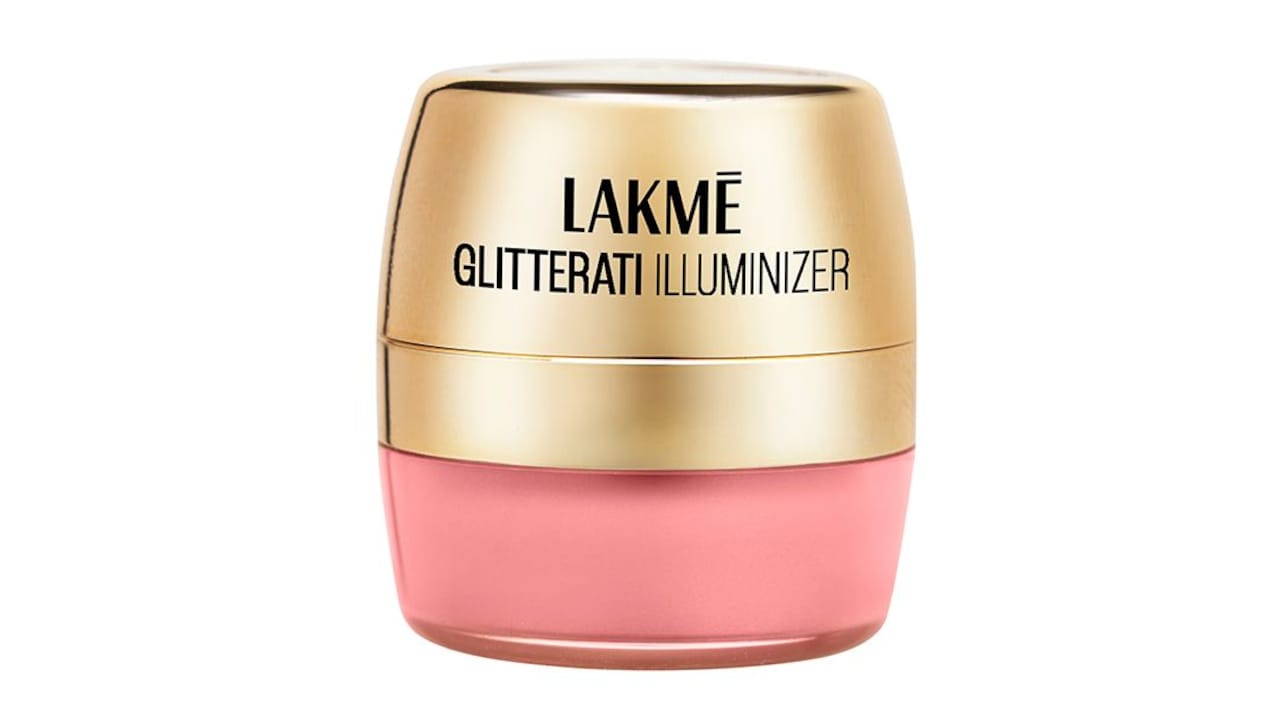
Warm Vs Cool Highlighters: A Shade Guide That Stops You From Looking Grey
Photo Credit: Myntra
10) Budget, Lighting, and Real Life: How to Test Highlighters Properly
Highlighters often look perfect in store lighting and terrible in real life. That's because store lights are designed to flatter products. Real life is not that kind.
The best test happens near a window. Swipe the highlighter on the back of the hand, then tilt it. If it looks like a soft sheen that moves with the skin, it's a good sign. If it looks like a stark stripe, it may be too metallic. If it looks grey when blended, it's the wrong undertone.
Also, check it in three lights: daylight, indoor yellow light, and phone flash. A highlighter that survives all three is a keeper.
Budget matters too. But expensive doesn't guarantee better. Many affordable highlighters under ₹800 perform brilliantly if the undertone and texture suit your skin.
One more real-life tip: if a highlighter needs heavy blending to look okay, it's not the one. A good highlighter should blend easily and still look like skin.
Glow should feel effortless, not like a project.
Products Related To This Article
1. MARS Glowzilla Palette 6 Shade Long Lasting Illuminating Highlighter
2. SWISS BEAUTY Drop and Glow Liquid Highlighter
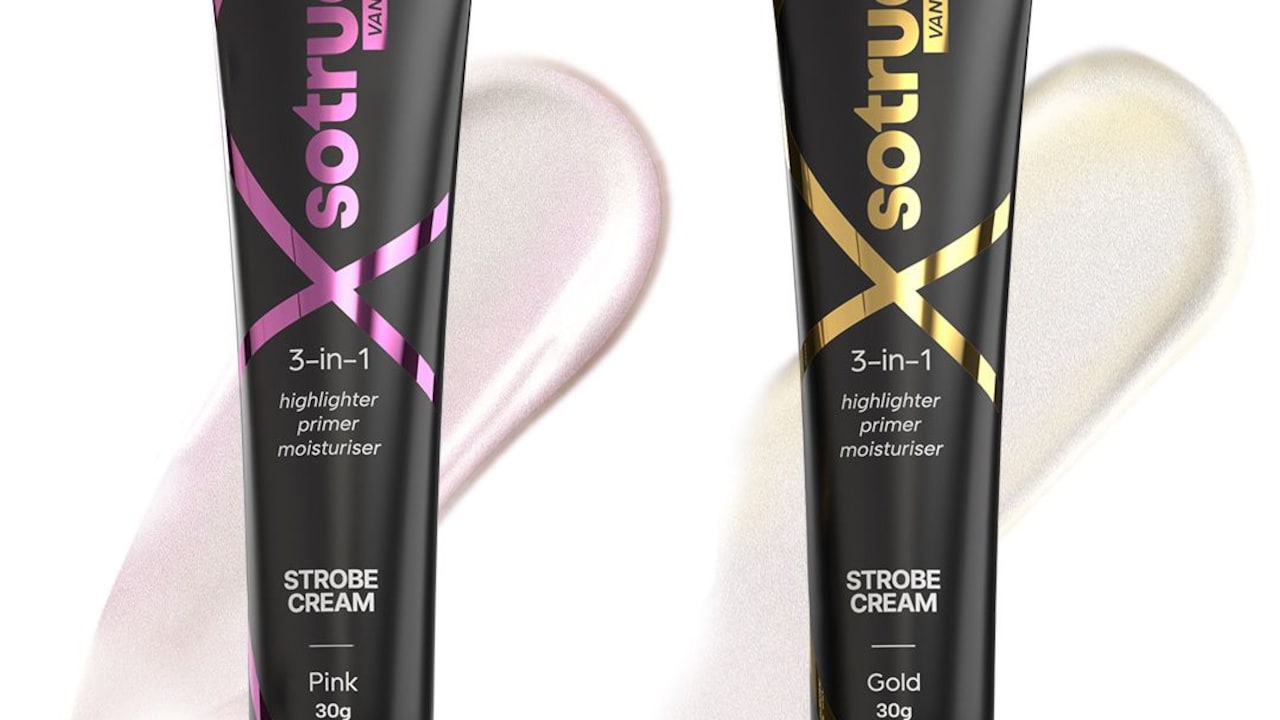
3. SOTRUE Set Of 2 Strobe Cream Highlighter For Face Radiance
4. Renee Shiner Gloss Stick Face Highlighter with Coconut & Sunflower Oil
5. Maliao Get Glow Glow Skinstick - 6 g- Oxygen Girl
6. SWISS BEAUTY Pearl Illuminator Makeup Base - Golden Pink
7. Huda crush 4In1 Contour & Highlighter Palette - 30 g
Warm vs cool highlighters aren't about rules that restrict. They're about shortcuts that save time, money, and bad selfies. Warm highlighters bring that sunlit, soft glow. Cool highlighters bring a clean, icy pop. Neutral highlighters quietly do the job every single day.
The “grey look” happens when undertone and texture fight your skin instead of working with it. Once that's understood, highlighter becomes fun again, less guesswork, more glow.
And the best part? This isn't about chasing trends. It's about learning what makes your face look awake, lifted, and fresh. The kind of glow that looks like you drink enough water and never read stressful messages at 2 am. Highlighter can't fix life, but it can definitely fix the vibe.
(Disclaimer: This article may include references to or features of products and services made available through affiliate marketing campaigns. NDTV Convergence Limited (“NDTV”) strives to maintain editorial independence while participating in such campaigns. NDTV does not assume responsibility for the performance or claims of any featured products or services.)