Sunscreens That Leave White Cast: Ingredient Breakdown That Actually Matters
White cast in sunscreen isn’t random; it comes down to ingredients and formulation. This guide breaks down what causes it and how to choose sunscreens that protect without leaving a chalky finish.

Common reasons behind sunscreens that leave white cast after application
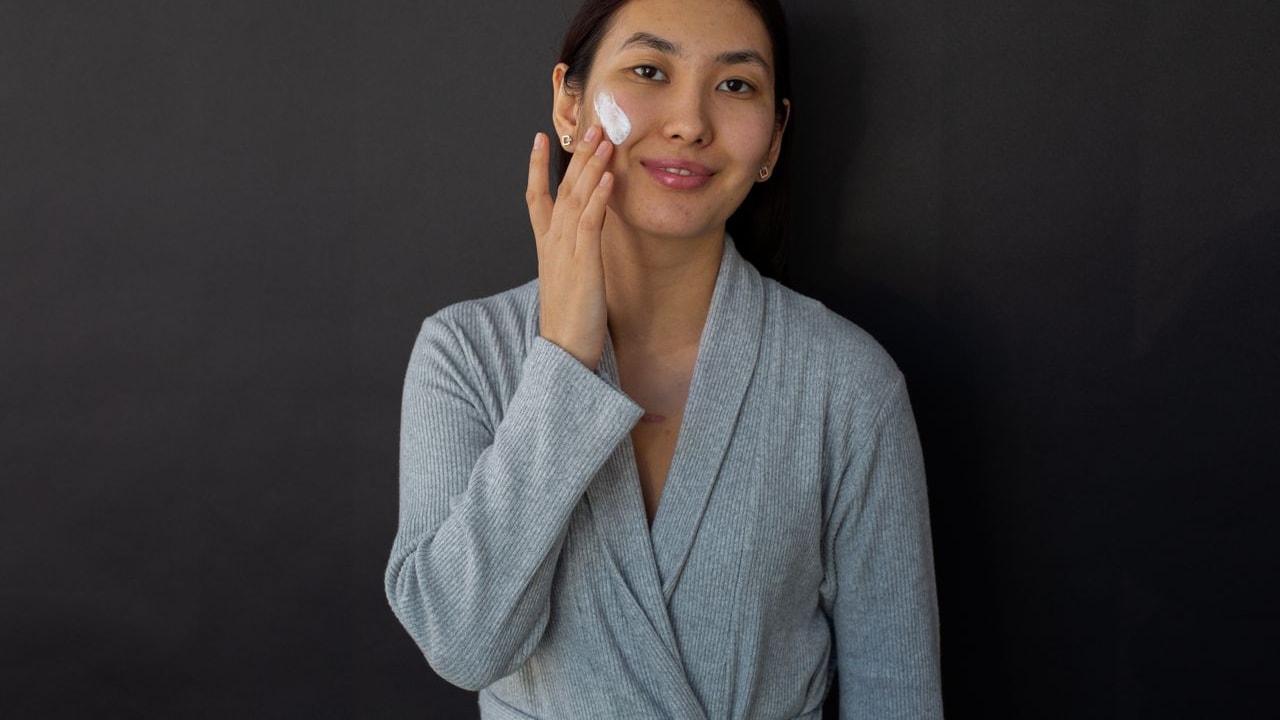
A quick glance in the mirror after applying sunscreen can sometimes feel like a betrayal. What promised sun protection ends up dulling the skin, leaving behind an ashy layer that refuses to blend. It shows up most harshly in bright daylight, during a quick selfie, or worse, at a family gathering where someone inevitably points it out.
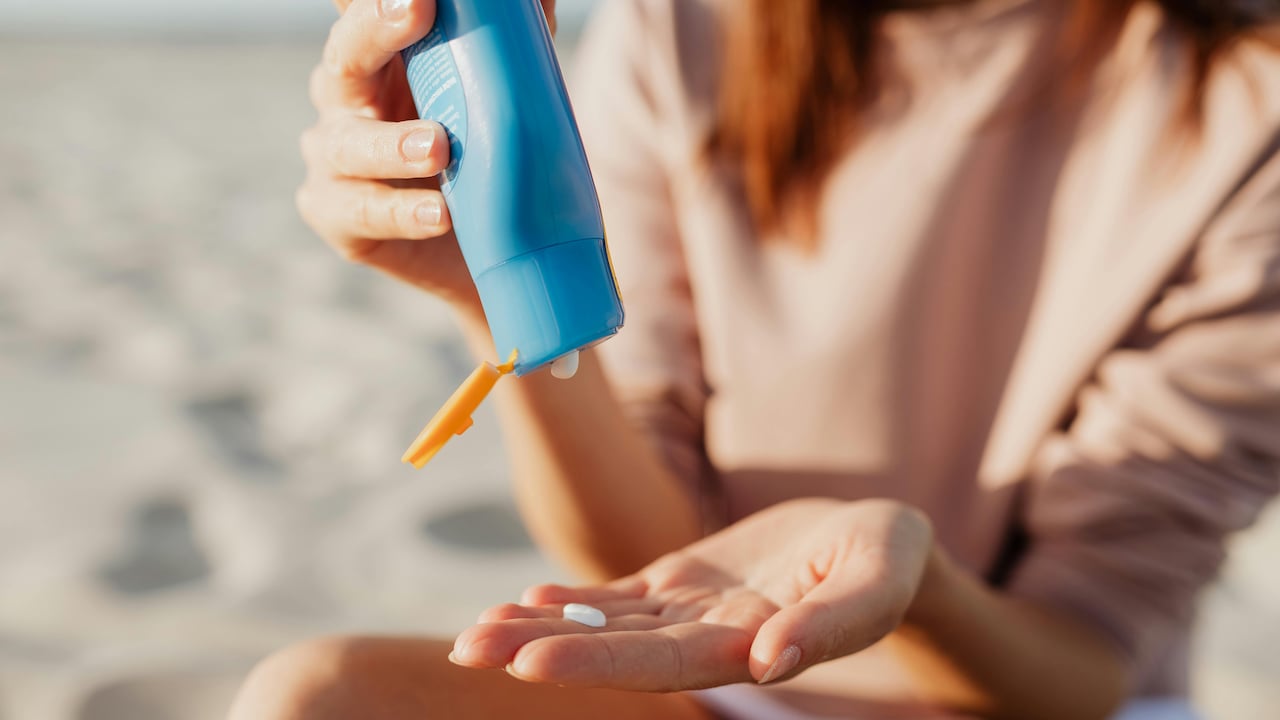
Discover everything about sunscreens that make them leave white cast on your skin; Photo Credit: Pexels
The white cast issue isn't new. For years, people accepted it as a trade-off for sun protection. But today's consumers demand more. Smooth application, invisible finish, and strong protection, no compromises.
The culprit lies not in sunscreen as a whole, but in specific ingredients and how they behave on the skin. Understanding these ingredients changes everything. It turns a frustrating trial-and-error process into an informed choice.
This article breaks down exactly what causes white cast, why some formulas perform better, and how to decode labels without needing a chemistry degree.
Also Read: Budget SPF Sunscreens Under ₹500 That Deliver Strong Protection Without Breaking the Bank
Understanding What Causes White Cast In Sunscreens
The Science Behind White Cast
White cast doesn't appear by accident. It comes from how certain sunscreen ingredients interact with light. Mineral filters such as zinc oxide and titanium dioxide sit on top of the skin. Instead of absorbing UV rays, they reflect and scatter them.
That reflection is what creates the visible white layer. On lighter skin tones, it may look subtle. On deeper tones, it often appears stark and unnatural.
The particle size of these minerals plays a major role. Larger particles scatter more visible light, leading to a stronger white cast. Smaller particles reduce visibility but may still leave a faint tint.
Climate also influences how noticeable the cast becomes. Humidity, sweat, and oil can shift how sunscreen spreads and settles. A formula that looks fine indoors may suddenly appear patchy under harsh sunlight.
Understanding this basic interaction between light and ingredients explains why some sunscreens feel invisible while others don't, even when they claim to do the same job.
Zinc Oxide: The Double-Edged Hero
Zinc oxide enjoys a reputation as one of the safest and most effective sunscreen ingredients. Dermatologists often recommend it for sensitive skin because it rarely causes irritation.
Yet, zinc oxide is also one of the biggest contributors to white cast.
Its effectiveness comes from broad-spectrum protection. It blocks both UVA and UVB rays efficiently. However, its natural white colour makes it difficult to blend seamlessly into the skin.
Formulators attempt to reduce this effect by using micronised or nano-sized zinc oxide. These smaller particles appear less visible. Still, the balance becomes tricky. Shrinking particles too much can affect stability and texture.
Many premium sunscreens priced around ₹700 to ₹1,500 attempt to refine zinc oxide for a smoother finish. Some succeed beautifully. Others still leave behind a faint greyish film.
The key takeaway remains simple. Zinc oxide works brilliantly, but not all formulations handle it well. Texture, blending, and finish depend entirely on how the ingredient is processed.
Titanium Dioxide And Its Subtle Trickiness
Titanium dioxide often gets grouped with zinc oxide, but it behaves slightly differently. It provides strong UVB protection and some UVA coverage, though not as broad as zinc oxide.
When it comes to white cast, titanium dioxide tends to be less intense but still noticeable. Its particles scatter light in a way that creates a pale sheen rather than a stark white layer.
Many sunscreens combine titanium dioxide with zinc oxide to balance protection. This mix can sometimes reduce the harshness of white cast, but not always eliminate it.
Texture plays a major role here. A poorly blended formula can leave streaks, especially around the hairline or jawline. Sweat can worsen this effect, creating uneven patches.
Interestingly, some tinted sunscreens rely on titanium dioxide as a base. When paired with pigments, it blends better into the skin, masking its natural whiteness.
Choosing a sunscreen with titanium dioxide often feels like a middle ground. Less chalky than zinc oxide alone, but still requiring careful formulation to avoid that tell-tale pale finish.
Chemical Filters: The Invisible Alternative
Chemical sunscreens take a completely different approach. Instead of reflecting UV rays, they absorb them and convert them into heat.
Ingredients such as avobenzone, octinoxate, and octocrylene fall into this category. These compounds blend easily into the skin, making the white cast almost non-existent.
This is why many people prefer chemical sunscreens for everyday wear. They disappear quickly, sit well under makeup, and feel lightweight.
However, they come with their own considerations. Some individuals experience irritation, especially with prolonged use in hot weather. Others find certain formulations too greasy or prone to stinging the eyes.
Price ranges vary widely, from ₹300 pharmacy options to ₹1,800 luxury brands. The difference often lies in stability and texture rather than basic effectiveness.
For those frustrated by white cast, chemical sunscreens offer relief. Yet, the decision often comes down to personal comfort, skin sensitivity, and how the product feels during long hours outdoors.
The Rise Of Hybrid Formulations
Hybrid sunscreens attempt to combine the best of both worlds. They mix mineral and chemical filters to deliver broad protection while minimising white cast.
This approach allows formulators to reduce the concentration of zinc oxide or titanium dioxide, making the product easier to blend. At the same time, chemical filters help maintain strong UV coverage.
The result often feels lighter and more adaptable to different skin tones. Many modern sunscreens priced between ₹600 and ₹1,200 fall into this category.
Texture becomes the standout feature here. Hybrid formulas tend to spread smoothly and settle quickly without leaving a heavy residue.
Yet, not all hybrids perform equally. Some still lean heavily on mineral filters, leading to a faint cast. Others strike a better balance and appear almost invisible.
For those tired of choosing between protection and appearance, hybrid sunscreens offer a practical compromise. They reflect how far sunscreen technology has evolved in recent years.

Hybrid sunscreens mix mineral and chemical filters to deliver broad protection while minimising white cast; Photo Credit: Pexels
Particle Size And Nano Technology
Particle size sounds like a technical detail, but it makes a visible difference. Larger particles of zinc oxide or titanium dioxide scatter more light, which increases the white cast.
Nanotechnology reduces particle size to make these ingredients less visible on the skin. This results in a smoother, more transparent finish.
However, the term “nano” often sparks debate. Some worry about safety, although current research suggests these particles remain on the surface of the skin rather than penetrating deeply.
From a user's perspective, the difference feels obvious. Nano-formulated sunscreens spread more easily and leave minimal residue.
Many mid-range sunscreens around ₹800 use this technology to improve wearability. The improvement shows immediately during application.
Still, formulation matters just as much as particle size. Even nanoparticles can clump together if the base formula lacks balance, bringing back that dreaded white cast.
In short, smaller particles help, but they don't guarantee perfection.
The Role Of Tinted Sunscreens
Tinted sunscreens have quietly become a favourite solution. By adding pigments, these formulas counteract the whiteness of mineral filters.
Instead of sitting on the skin like a chalky layer, tinted sunscreens blend more naturally, often doubling as light coverage.
The tint works by matching or complementing skin tone. It reduces the contrast created by white particles, making the sunscreen appear invisible.
Many tinted options fall in the ₹900 to ₹2,000 range, often marketed as multi-purpose products. They simplify routines by combining sun protection with a subtle glow.
However, shade matching remains a challenge. A tint that works beautifully for one person may look off on another.
Despite this limitation, tinted sunscreens offer one of the most effective ways to avoid a white cast without compromising on protection.
They represent a clever workaround rather than a complete reformulation of ingredients.
Formulation Matters More Than Ingredients Alone
Two sunscreens can contain the same ingredients and still behave completely differently. The secret lies in formulation.
Texture agents, emulsifiers, and silicones influence how sunscreen spreads and settles. A well-balanced formula glides smoothly and absorbs evenly.
Poor formulation leads to clumping, streaking, and uneven patches, all of which make the white cast more noticeable.
This explains why some affordable sunscreens around ₹300 perform surprisingly well, while expensive ones occasionally disappoint.
Consistency also plays a role. Thick creams tend to sit on the skin, increasing visibility. Lightweight gels and lotions blend better and feel less heavy.
Even the method of application matters. Rubbing too aggressively or layering unevenly can exaggerate white cast.
Understanding formulation shifts the focus away from just ingredients. It highlights why experience varies so widely between products.
Skin Type And White Cast Perception
The white cast doesn't look the same on every skin type. Oily skin can sometimes break down sunscreen, making it appear patchy rather than evenly white.
Dry skin, on the other hand, may hold onto the product more stubbornly, creating a more obvious layer.
Deeper skin tones tend to show a white cast more clearly. The contrast becomes sharper, especially under natural light.
Sweat, heat, and pollution also affect how sunscreen behaves. A formula that looks perfect indoors may shift dramatically during a busy commute or a humid afternoon.
Even skincare routines play a part. Heavy moisturisers underneath sunscreen can alter how it sits on the skin.
Recognising these factors helps set realistic expectations. No sunscreen performs identically on every face.
Choosing the right formula becomes less about trends and more about understanding how individual skin reacts.
Marketing Claims Versus Reality
Labels often promise “no white cast” or “invisible finish,” but reality doesn't always match the claim.
These terms lack strict definitions, allowing brands to use them freely. A product that appears invisible on one skin tone may still leave residue on another.
Advertising often showcases ideal lighting conditions, which can hide imperfections. Real-life situations tell a different story.
This doesn't mean all claims are misleading. Many modern sunscreens genuinely perform well. However, expectations need adjustment.
Reviews, texture descriptions, and ingredient lists provide better clues than bold packaging statements.
A sunscreen priced at ₹1,200 with “sheer finish” on the label may still require effort to blend. Meanwhile, a simpler option at ₹500 might surprise with its smooth application.
Understanding marketing language helps cut through the noise and focus on what actually matters, how the product behaves on real skin.
Products Related To This Article
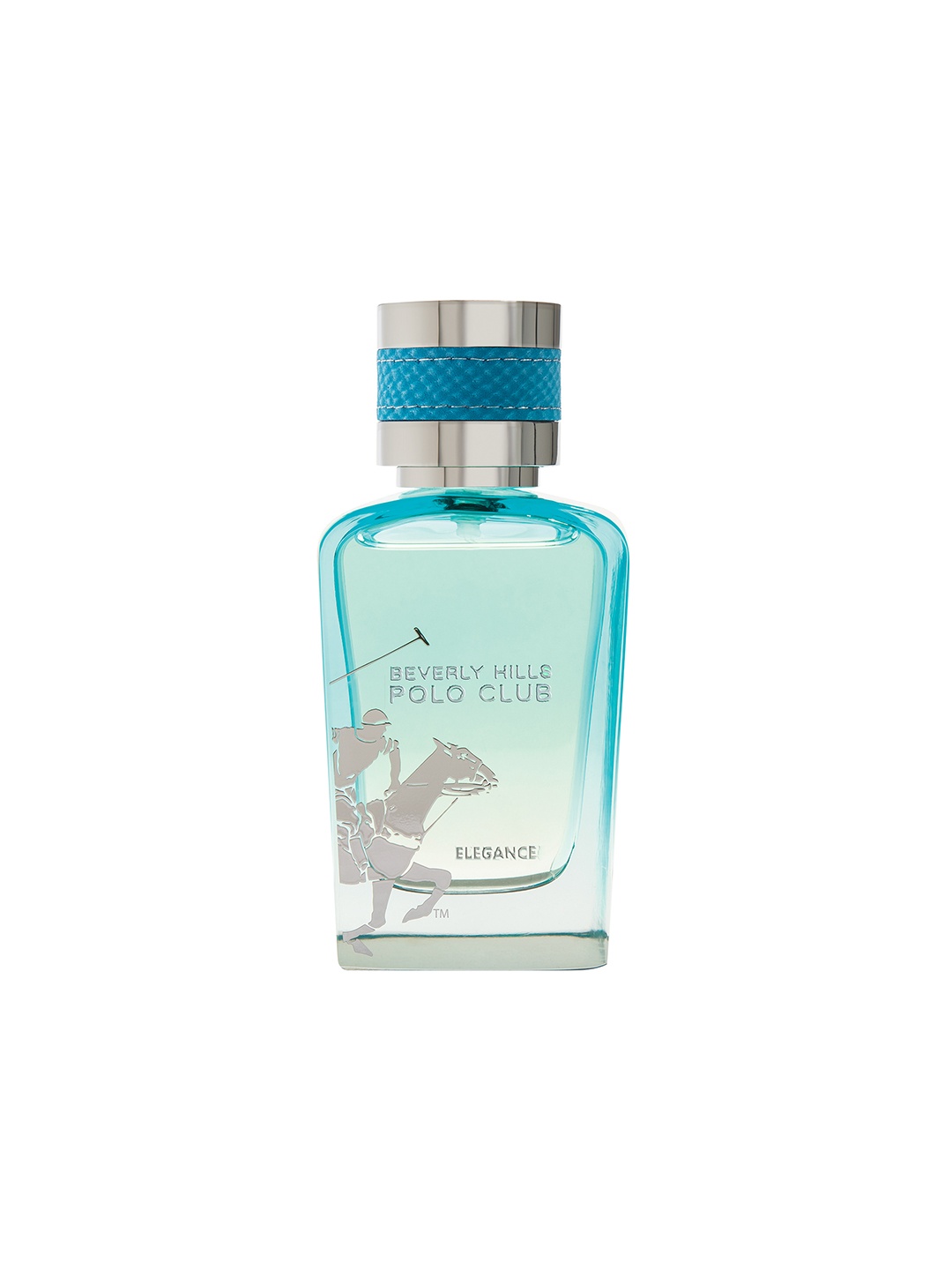
1. MamaEarth Sunscreen - SPF 50 PA++++ Daily Glow Sunscreen Vitamin C & Turmeric For Sun & Tan Protection All Skin Type (34 g)
2. deconstruct Sunscreen - SPF SPF 50 PA++++ Lightweight Gel Sunscreen | In-Vivo Tested | Non Greasy | For Men & Women (30 g)
3. POND's Sunscreen - SPF 55 PA++ Light Sun Miracle Protect & Bright, With 3% Active Niacinamide (50 g)
4. Cetaphil Sunscreen - SPF 50 PA+ Sun SPF 50 Very High Protection Light Gel 50ml (50 ml)
5. The Derma Co Sunscreen - SPF 50 PA++++ 1% Hyaluronic Aqua Gel- Lightweight, No white-cast for Broad Spectrum (30 g)
White cast has long been accepted as an unavoidable side effect of sunscreen. That belief no longer holds true. Advances in formulation, ingredient processing, and hybrid technology have reshaped expectations.
The key lies in understanding what goes into the bottle. Zinc oxide and titanium dioxide offer excellent protection but require careful formulation. Chemical filters provide invisibility but may not suit everyone. Hybrid and tinted options bridge the gap, offering practical solutions.
Choosing the right sunscreen becomes less frustrating with this knowledge. It shifts from guesswork to informed decision-making.
Sun protection remains non-negotiable. The good news is that it no longer needs to come at the cost of looking like a pale version of oneself.
A little ingredient awareness goes a long way. The next sunscreen purchase might just feel like a win rather than a compromise.
(Disclaimer: This article may include references to or features of products and services made available through affiliate marketing campaigns. NDTV Convergence Limited (“NDTV”) strives to maintain editorial independence while participating in such campaigns. NDTV does not assume responsibility for the performance or claims of any featured products or services.)