Why Cheap Leashes Snap And What Makes A Durable One
Cheap leashes often snap when it matters most. Discover why they fail and what truly makes a leash strong, reliable, and worth the investment for safer, stress-free walks.

Why Cheap Leashes Snap And What Makes A Durable One
A morning walk with a dog should feel simple. A bit of sunshine, a wagging tail, and perhaps a quick chat with a neighbour. Yet, for many pet owners, that calm routine can turn stressful in seconds when a leash gives way. One sharp pull, a sudden lunge, and the clip snaps or the strap tears. The dog runs free, traffic looms, and panic sets in. Cheap leashes often look perfectly fine at first glance. Bright colours, neat stitching, and an attractive price tag, sometimes as low as ₹150, make them hard to resist. But beneath that surface lies a mix of weak materials and shortcuts in manufacturing. Understanding why these leashes fail is not just about saving money in the long run. It is about safety, trust, and peace of mind. A durable leash does more than hold a dog in place; it creates a reliable connection between owner and pet. The difference between a cheap leash and a strong one often lies in details that many overlook.
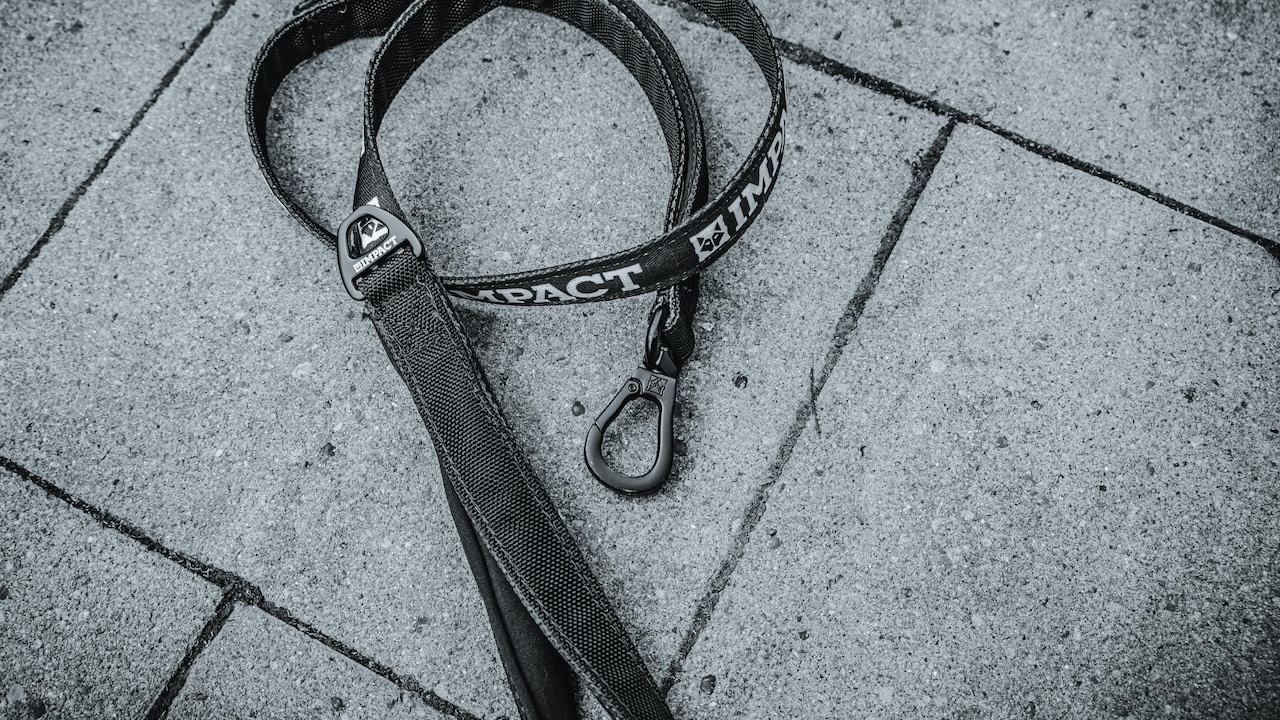
Why Cheap Leashes Snap And What Makes A Durable One; Photo Credit: Pexels
Understanding Why Leash Quality Matters
The Illusion Of Strength In Cheap Materials
Many inexpensive leashes rely on low-grade nylon or synthetic blends that appear sturdy but lack real tensile strength. These materials often feel smooth and slightly glossy, which can mislead buyers into thinking they are durable. However, under pressure, especially from energetic dogs, they stretch unevenly and weaken quickly.
In busy streets where dogs encounter sudden distractions, a leash must handle abrupt force. Cheap fibres begin to fray internally long before visible damage appears. The outer layer may look intact, but the core loses integrity over time. This hidden deterioration makes snapping more likely when tension spikes.
Humidity and heat also play a role. In tropical climates, synthetic materials degrade faster, particularly when exposed to sunlight. A leash left hanging on a balcony or near a window can weaken without notice.
Durable leashes, by contrast, use high-density fibres or reinforced weaving techniques. These materials distribute force evenly, preventing sudden breakage. The difference may not be visible at first glance, but it becomes evident during everyday use.
Also Read: 10 Bohemian Macrame Wall Shelves Under ₹1500
Weak Stitching That Cannot Handle Pressure
Stitching often reveals the true quality of a leash. Cheap versions tend to use fewer stitches, spaced widely apart, with thin threads that cannot withstand repeated stress. When a dog pulls, the pressure concentrates on these weak points, causing threads to loosen or snap.
In many cases, the failure does not happen all at once. Threads begin to unravel gradually, creating small gaps. These gaps expand with each walk until the leash suddenly tears apart. This process can take days or weeks, making it difficult to predict when failure will occur.
A well-made leash uses tight, reinforced stitching patterns such as box stitching or cross stitching. These designs distribute tension across a larger area, reducing strain on individual threads. Strong threads, often made from polyester or bonded nylon, further enhance durability.
Careful inspection before purchase can reveal these differences. A leash with dense, even stitching and no loose ends signals better construction. Spending ₹500 or ₹800 on such quality often prevents the need for frequent replacements.
Low-Quality Metal Clips And Their Hidden Risks
The clip may seem like a minor component, yet it plays a crucial role in leash safety. Cheap leashes often include lightweight metal clips made from inferior alloys. These clips can bend, rust, or fail under sudden force.
A common issue arises when the spring mechanism inside the clip weakens. Over time, it loses its ability to stay securely closed. This creates a risk where the clip opens unexpectedly, allowing the dog to break free.
Rust further complicates matters. Exposure to rain or humidity causes corrosion, which weakens the metal and affects the clip's movement. A rusty clip may stick or fail to latch properly.
Durable leashes use stainless steel or solid brass clips. These materials resist corrosion and maintain strength over time. The mechanism feels firm and responsive, providing confidence during every walk.
A quick test involves opening and closing the clip repeatedly. A strong clip snaps shut with a clear, solid motion, while a weak one feels loose or sluggish.
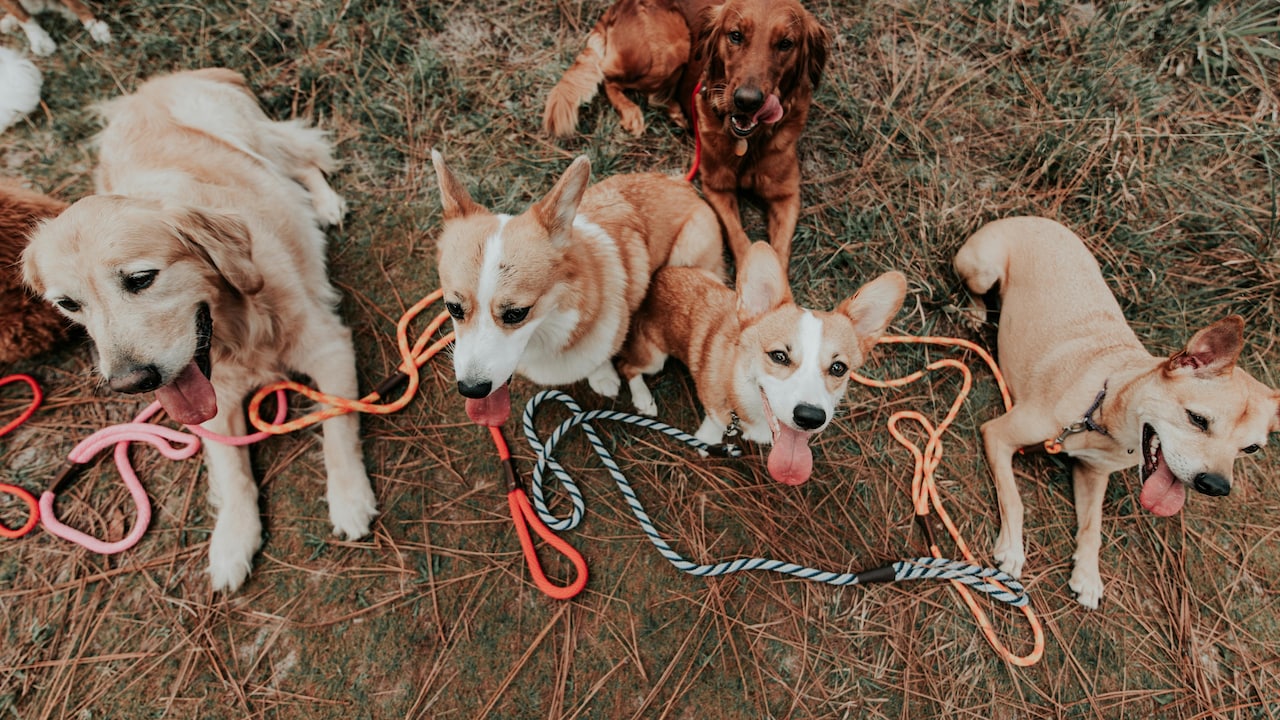
Why Cheap Leashes Snap And What Makes A Durable One; Photo Credit: Pexels
Poor Weight Distribution And Sudden Stress Points
Cheap leashes often fail because they do not distribute force evenly. When a dog pulls, the tension concentrates at specific points, such as near the clip or handle. These stress points bear the brunt of the force, increasing the likelihood of snapping.
This issue becomes more pronounced with larger or more active dogs. Even a small dog can generate surprising force during sudden movements. Without proper design, the leash cannot absorb this energy effectively.
Durable leashes incorporate design features that spread tension across the entire length. Some use double-layer construction or reinforced cores that act like shock absorbers. These features reduce strain on individual sections.
The handle also plays a role. A padded or ergonomically designed handle allows better grip, reducing the chance of accidental drops. This combination of thoughtful design and quality materials ensures that the leash performs reliably under pressure.
Exposure To Weather And Environmental Wear
Leashes face constant exposure to the elements. Sunlight, rain, dust, and even pollution contribute to wear and tear. Cheap materials struggle to withstand these conditions, leading to rapid degradation.
UV rays weaken synthetic fibres, making them brittle. Rain introduces moisture that promotes mould or rust in metal components. Dust and dirt embed into the material, causing friction that accelerates wear.
In coastal areas, salt in the air can corrode metal parts quickly. Even routine walks during the monsoon season can shorten the lifespan of a poorly made leash.
Durable leashes use weather-resistant materials designed to handle such conditions. Coated fabrics, rust-resistant metals, and reinforced stitching ensure longevity. Regular cleaning and proper storage further extend their lifespan.
Investing in a leash that withstands environmental stress reduces the need for frequent replacements and ensures consistent performance.
The Role Of Thickness And Width In Strength
A leash's thickness and width significantly influence its strength. Cheap options often prioritise cost over functionality, resulting in thin straps that cannot handle strong pulls. These narrow designs may feel lightweight but lack the necessary durability.
Wider leashes distribute force more effectively, reducing stress on any single point. They also provide better grip, making it easier to control the dog during walks. Thickness adds another layer of strength, preventing sudden snapping under pressure.
However, balance remains important. A leash that is too thick or heavy may feel uncomfortable, especially for smaller dogs. Durable designs strike the right balance between strength and usability.
Choosing the appropriate width based on the dog's size and behaviour ensures better performance. Spending slightly more on a well-designed leash often proves worthwhile in the long run.

Why Cheap Leashes Snap And What Makes A Durable One; Photo Credit: Pexels
Manufacturing Shortcuts That Compromise Safety
To keep prices low, many manufacturers cut corners during production. They may use cheaper materials, skip reinforcement steps, or reduce quality checks. These shortcuts result in products that look appealing but fail under real-world conditions.
Mass production often prioritises speed over precision. This leads to inconsistencies in stitching, uneven edges, and weak joints. Such flaws may not be immediately visible but become apparent during use.
Durable leashes undergo rigorous testing to ensure they meet safety standards. Manufacturers focus on quality control, ensuring each product performs reliably. This attention to detail increases production costs but delivers better value.
Consumers often pay the price for shortcuts through frequent replacements or, worse, safety incidents. Recognising these differences helps in making informed choices.
The Importance Of Reinforced Handles And Comfort
Handles often receive less attention, yet they play a vital role in control and comfort. Cheap leashes typically feature simple loops with minimal reinforcement. These handles can dig into the hand during strong pulls, causing discomfort or even injury.
A durable leash includes padded or reinforced handles that provide a secure grip. This design reduces strain on the hand and improves control during walks. It also prevents accidental slipping, which can lead to dangerous situations.
Comfort becomes especially important during longer walks or training sessions. A well-designed handle enhances the overall experience, making walks more enjoyable for both pet and owner.
Investing in comfort alongside strength ensures a better balance between safety and usability.
Why Price Often Reflects Quality And Longevity
A leash priced at ₹150 may seem like a bargain, but it often requires replacement within weeks. In contrast, a high-quality leash priced at ₹700 or ₹1,200 can last months or even years with proper care.
The higher price reflects better materials, improved construction, and rigorous testing. These factors contribute to durability and reliability, reducing long-term costs.
Frequent replacements not only add up financially but also increase the risk of failure during use. A durable leash offers peace of mind, allowing pet owners to focus on enjoying their time outdoors.
Viewing the purchase as an investment rather than an expense shifts the perspective. Quality products often prove more economical over time.
Understanding Your Dog's Behaviour And Needs
Every dog has unique behaviour patterns that influence leash requirements. A calm, small dog may not exert much force, while an energetic or larger dog demands a stronger leash.
Cheap leashes often fail to account for these differences. They follow a one-size-fits-all approach that does not suit every situation. This mismatch increases the likelihood of snapping.
Observing a dog's behaviour helps in selecting the right leash. Dogs that pull frequently benefit from reinforced designs with shock-absorbing features. Those who walk calmly may require less heavy-duty options.
Matching the leash to the dog's needs ensures better performance and safety. This thoughtful approach reduces the risk of unexpected failures.
Products Related To This Article
1. Petology Reflective Dog Leash & Collar Set for Small Dogs (20-30cms) | 5ft Nylon Leash
2. Tail 5 Feet Dog Leash with Comfortable Padded Handle and Highly Reflective Threads for Small Medium and Large Dogs
3. Foodie Puppies Dog Training Walking Rope
4. Wooflix Heavy Duty Nylon Dog Leash
5. No Pull Dog Harness - Step in and Leash for Small Medium Large Dog
A leash may appear simple, but it carries significant responsibility. Cheap leashes often fail due to weak materials, poor construction, and a lack of thoughtful design. These shortcomings can lead to sudden snapping, creating stressful and potentially dangerous situations.
Durable leashes, on the other hand, combine quality materials, strong stitching, reliable clips, and smart design. They withstand daily wear, environmental exposure, and unexpected pulls. While they may cost more upfront, they offer better value and peace of mind over time.
Choosing the right leash involves more than picking the cheapest option on the shelf. It requires attention to detail, understanding of the dog's needs, and a willingness to invest in quality.
A reliable leash transforms a routine walk into a safe and enjoyable experience. It strengthens the bond between pet and owner, ensuring that every outing remains a moment of connection rather than concern.
(Disclaimer: This article may include references to or features of products and services made available through affiliate marketing campaigns. NDTV Convergence Limited (“NDTV”) strives to maintain editorial independence while participating in such campaigns. NDTV does not assume responsibility for the performance or claims of any featured products or services.)