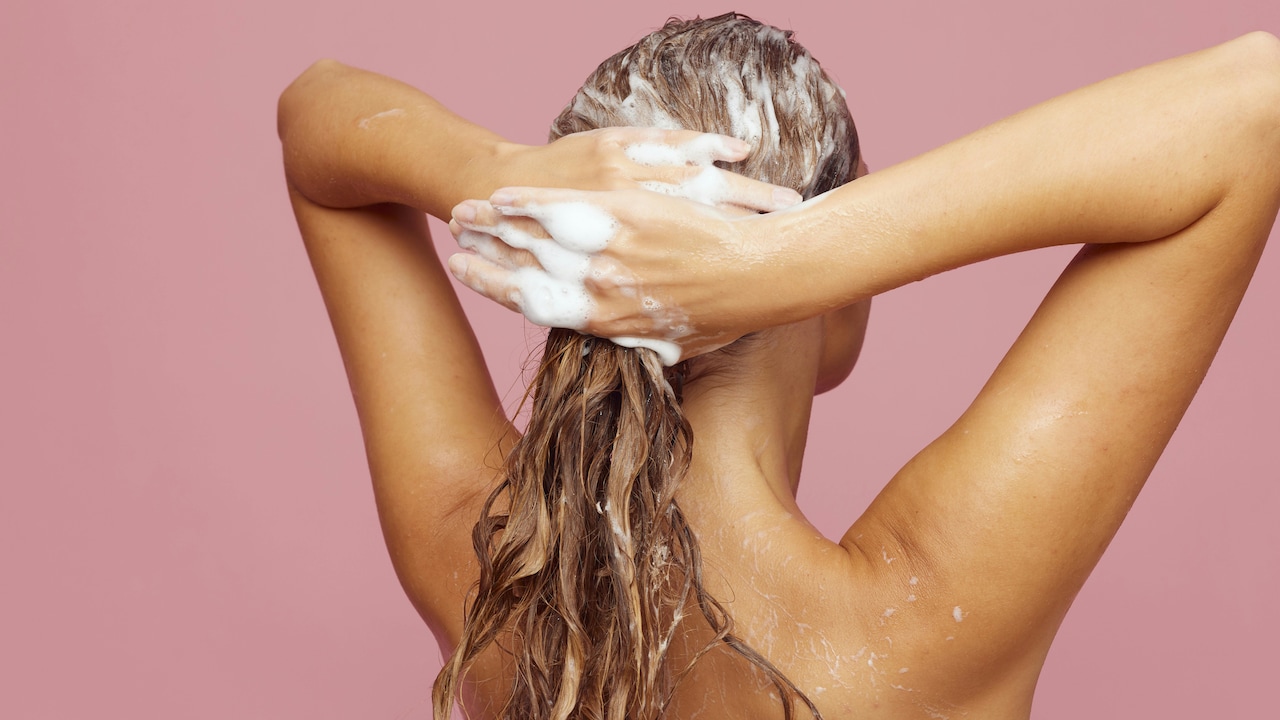
Hair Serum Mistakes That Make Hair Greasy And How To Apply It Properly
Using hair serum the wrong way can make hair look greasy, flat, and oily within minutes. Learn the most common serum mistakes and the correct way to apply it for smooth, shiny hair without the limp finish.
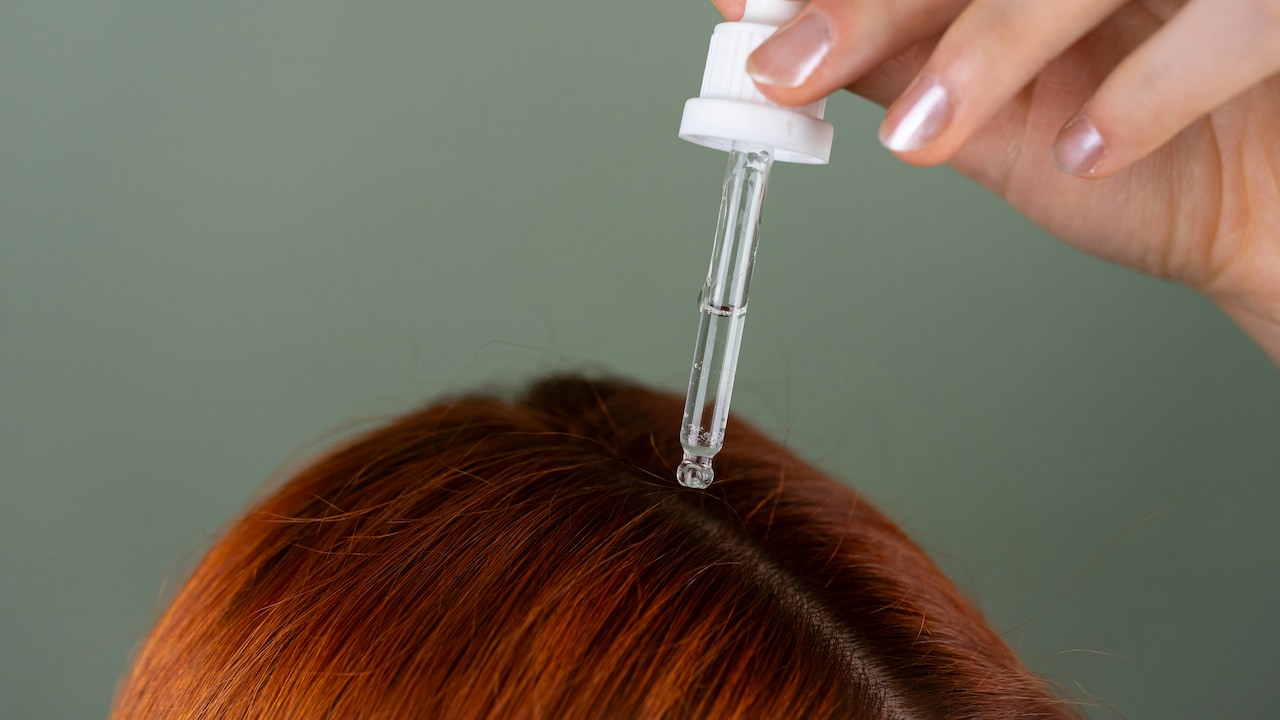
Here Is Why Hair Serum Makes Hair Oily And The Correct Way to Use It For Smooth Hair.
Hair serum has a bit of a reputation problem. People either swear by it like it's a magic potion, or they fear it like it's a guaranteed grease festival. And honestly, both reactions make sense. Used correctly, serum makes hair look sleek, polished, and healthy. Used incorrectly, it makes hair look like it has survived a humid bus ride with a helmet on.
The tricky part is that serum feels simple. It's just a few drops, right? But hair products are like masala. The same ingredient can make the dish perfect or completely ruin it, depending on how and when it's used.
Another reason serum goes wrong is expectations. Many people treat it like a hair oil replacement, a leave-in conditioner, a frizz cream, and a shine spray all at once. Serum is none of those things, and also… it kind of is, but only in a very specific way.
So if hair keeps getting greasy after serum, don't blame the product immediately. Blame the method. Below are the most common mistakes that make hair greasy, plus the correct way to apply serum so it behaves like a good guest, not a chaotic relative who overstays.
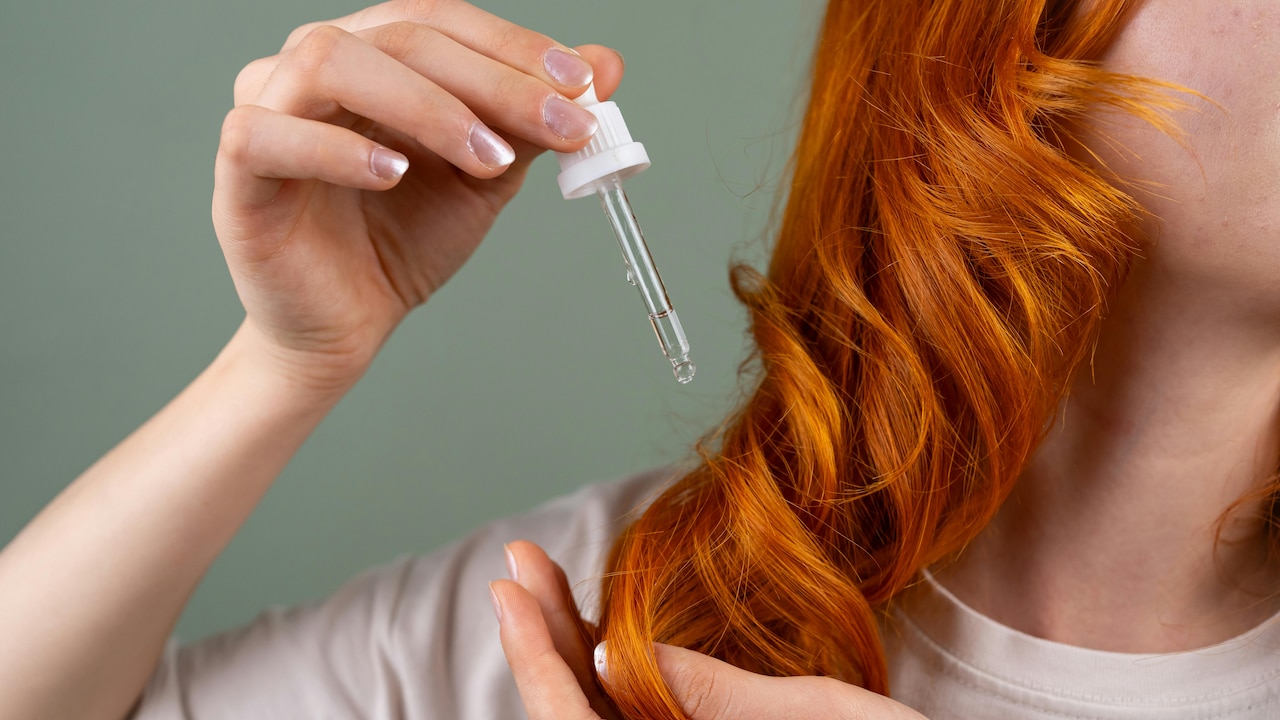
How to Use Hair Serum Without Greasy Hair: 10 Common Mistakes to Avoid
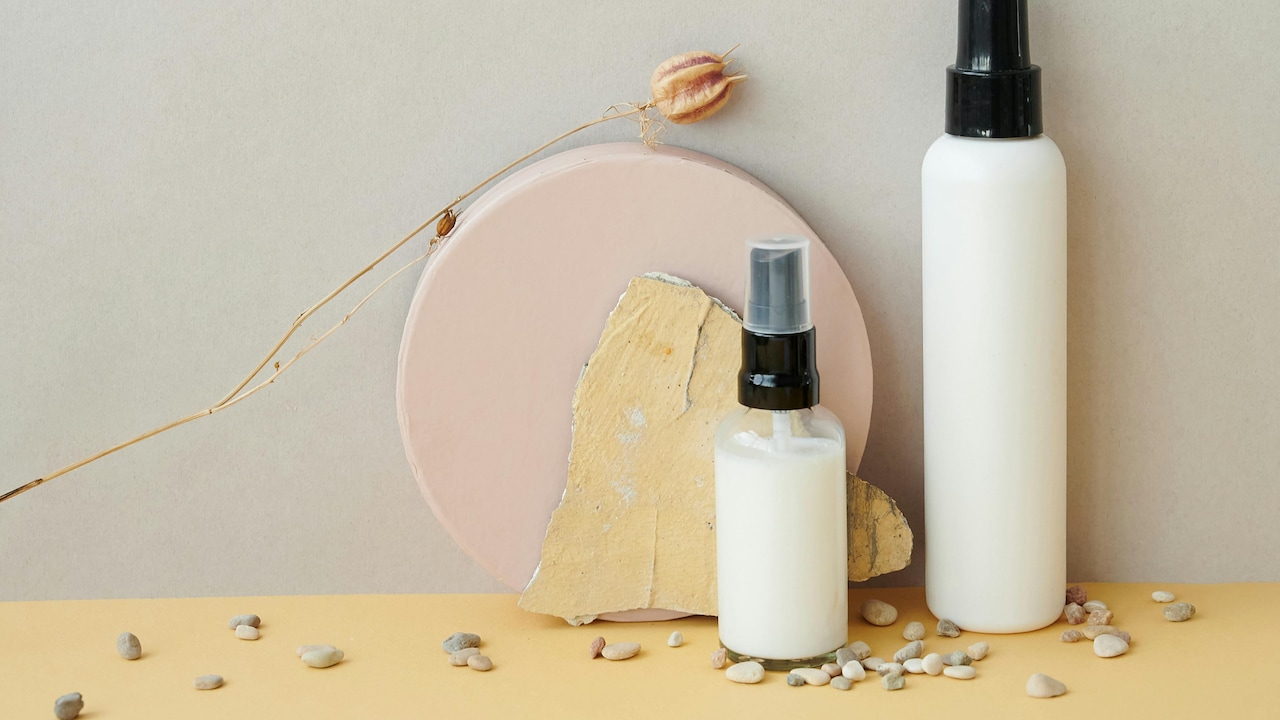
Photo Credit: Pexels
Why Hair Serum Often Backfires Instead Of Fixing Frizz
1) Using too much because “a little didn't do anything”
This is the most common serum mistake, and it's also the easiest trap to fall into. Someone uses one drop, doesn't see an instant transformation, and decides the solution is to add three more. Five minutes later, the hair looks shiny in the wrong way. Not glossy. Not healthy. Just oily.
Serum is concentrated. It coats hair strands to reduce friction, smooth frizz, and add shine. When too much is used, it builds a heavier layer. That layer attracts dust, collapses volume, and makes hair look unwashed even when it's freshly shampooed.
The correct approach is to start tiny. For short hair, half a pea-sized amount is plenty. For shoulder-length hair, one small pump or two drops works. For long hair, two to three drops are usually enough. The point is to coat the ends lightly, not glaze the hair like syrup on jalebi.
If serum feels like it disappears, the problem is often dryness or damage, not quantity. In that case, hair needs better conditioning and less heat, not extra serum.
2) Applying serum on the scalp like hair oil
Serum is not hair oil. This needs to be said louder than a mother yelling from the kitchen that the chai is getting cold. Hair oil nourishes the scalp and can be massaged in. Serum is designed for the hair shaft, especially the mid-lengths and ends.
When serum goes near the scalp, it mixes with natural oils and sweat. In warm weather, that combination turns hair greasy faster than expected. It also makes the roots look flat and separated, which is the opposite of what most people want.
The correct method is to apply serum only from the mid-length down. The ends should get the most attention because they are older, drier, and more prone to frizz. The roots should remain untouched unless the serum is specifically labelled as scalp-safe, which most are not.
A good rule is this: if it's the area where hair starts growing, leave it alone. Serum should behave like a finishing touch, not a scalp treatment.
3) Using serum on soaking wet hair
There's a popular belief that serum works best on wet hair. That's true, but only when hair is damp, not dripping. When hair is soaking wet, serum mixes with water and spreads unevenly. Instead of coating the ends lightly, it slides around and sits in patches.
This patchy application creates two problems. Some sections look greasy and weighed down. Other sections still look frizzy because the serum never properly coated them. The result is confusing because it looks like serum “doesn't work” while also making hair oily.
The correct timing is towel-dried hair. After washing, gently squeeze out excess water, pat with a towel, and wait a minute. Hair should feel damp, not wet. That's when serum spreads evenly and binds well to the hair strands.
This also reduces the temptation to use more product. On damp hair, even a tiny amount distributes easily. On soaking wet hair, people keep adding more because they can't feel it, which is where the grease disaster begins.
4) Rubbing serum aggressively between palms
Many people apply serum the way they apply hand cream: rub it between palms until it warms up, then vigorously swipe it through hair. This seems logical, but it's one of those habits that quietly ruins results.
Aggressive rubbing makes serum cling to the palms. The product gets absorbed into the skin instead of staying available for the hair. Then, when it's applied, the remaining serum transfers in a heavy layer. That heavy layer often lands on the top section of hair first, which makes it look greasy.
The correct technique is gentler. Spread serum lightly across fingertips and palms without intense rubbing. Then glide hands over hair softly, focusing on the ends. Use a scrunching motion for wavy or curly hair, and a smoothing motion for straight hair.
Think of serum like applying ghee on a hot roti. You don't need to smash it in. A light touch spreads it better, and the final result looks even and appetising.
5) Applying serum on dirty hair to “refresh” it
This mistake is especially common on busy mornings. Hair looks a bit frizzy or dull, so serum becomes the quick fix. But serum doesn't clean hair. It adds a coating. When that coating lands on hair already carrying oil, sweat, dust, and pollution, it creates a heavy, greasy finish.
This is why serum sometimes feels great right after washing but looks terrible on day two or three. It's not that the serum suddenly changed. It's the surface it's sitting on.
The correct use of serum is primarily on clean hair, or at least hair that isn't already oily. On non-wash days, if the ends feel dry, a micro amount can be used only on the last few centimetres of hair. Anything more will weigh it down.
If hair needs refreshing, a dry shampoo or a simple rinse works better. Serum is not a substitute for washing, no matter how tempting it feels during the morning rush.
6) Using the wrong serum texture for the hair type
Not all serums are built the same. Some are silicone-heavy and designed for thick, coarse, frizzy hair. Others are lighter and meant for fine hair. When the wrong texture is chosen, greasiness becomes inevitable.
Fine hair gets weighed down easily. A heavy serum makes it limp, stringy, and flat. Thick hair can tolerate richer serums, but even thick hair will look greasy if the serum is too oily or layered too often.
The correct approach is to match serum to hair density and climate. In humid weather, lightweight anti-frizz serums work better. In dry weather, slightly richer serums can help. For fine hair, water-based or lightweight smoothing serums are safer. For thick hair, richer serums can work, but still need restraint.
If a serum consistently makes hair greasy even with small amounts, it may simply be the wrong formula. The best product is the one that suits the hair, not the one that looks fancy on the shelf.
7) Applying serum before heat styling without checking the label
A lot of people use serum as a heat protectant. Sometimes that works, but not always. Many serums are not designed for direct heat. When they're used before straightening or curling, they can make hair greasy and heavy. Worse, some can make hair feel sticky or even smell burnt.
Heat styling already changes the texture of hair temporarily. Adding the wrong product on top can make it look like hair has been coated in oil. This is especially noticeable near the top layers, where heat tools usually pass.
The correct move is to check if the serum explicitly mentions heat protection. If it does, use a small amount on damp hair before blow-drying, not before straightening. If it doesn't mention heat protection, use a dedicated heat protectant spray first. Serum should be used after styling, as a finishing product for shine and frizz control.
Serum is not a magic shield. It's more like the final filter on a photo. Great for polishing, not for protection.
How to Use Hair Serum Without Greasy Hair: 10 Common Mistakes to Avoid
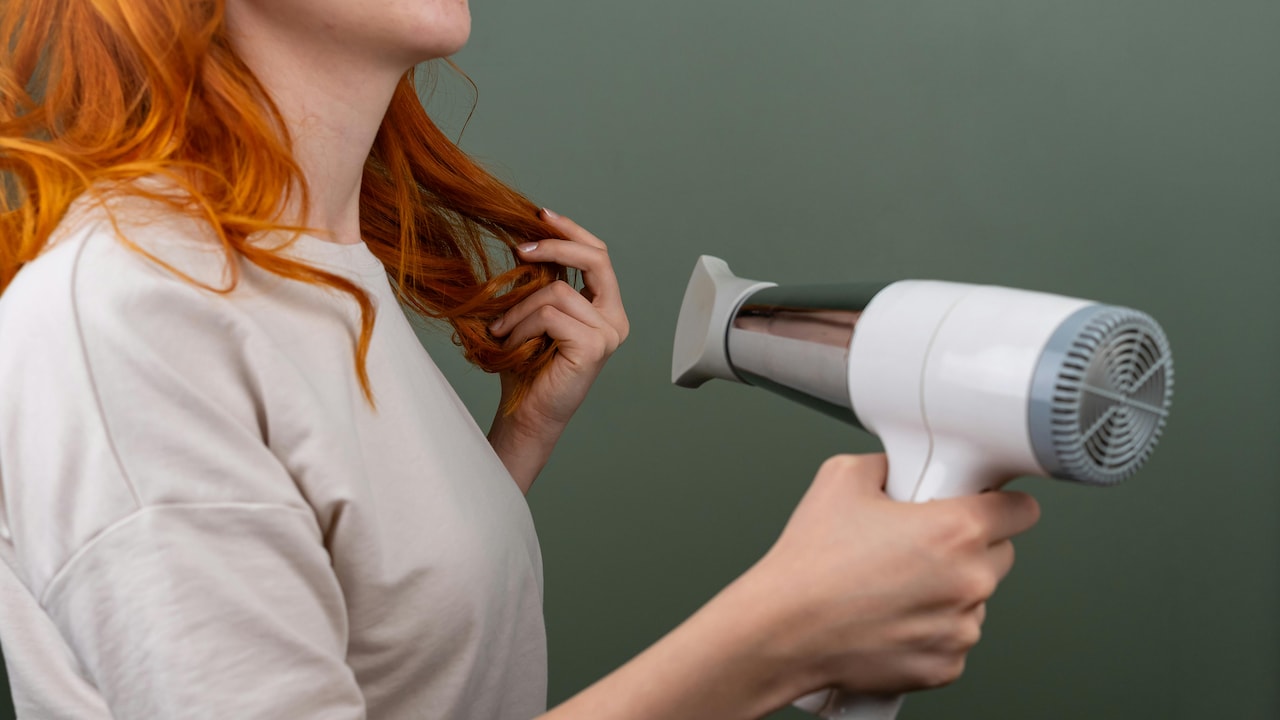
Photo Credit: Pexels
8) Applying serum directly from the pump onto hair
This seems harmless, but it's one of those sneaky mistakes that causes grease patches. When serum is pumped directly onto hair, it lands in one concentrated spot. That spot becomes shiny and heavy, while the rest of the hair remains untouched.
This is why some people end up with one greasy section near the front or a sticky-looking patch on one side. It's not the hair being dramatic. It's just uneven application.
The correct method is to dispense serum onto the palm first. Then distribute it evenly across fingertips. After that, apply it in light strokes through the hair. This ensures an even spread and prevents “oil slick” patches.
If hair is layered or very long, it helps to apply it in two stages. Use half the amount on the lower section first, then a tiny bit on the upper lengths. But keep the top and roots out of the equation.
Even distribution is everything. Serum is not meant to sit in blobs.
9) Layering serum over other heavy products
Haircare routines have become crowded. Shampoo, conditioner, leave-in conditioner, curl cream, anti-frizz cream, hair oil, and then serum. That's not a routine anymore. That's a full buffet.
When serum is layered on top of other rich products, the hair gets overloaded. It loses bounce, looks greasy, and feels coated. Many people assume they need more products for better results, but hair often looks best when it can move.
The correct approach is to simplify. If conditioner is used properly, serum should be the finishing step, not an additional layer on top of several other leave-in products. If a leave-in conditioner is used, reduce the serum amount. If hair oil is used on ends, skip serum entirely or use the tiniest amount.
The aim is balance. Hair should look soft and shiny, not like it has been marinated.
And yes, sometimes the best hair day comes from using fewer things, not more.
10) Using serum daily without clarifying hair occasionally
Even when serum is applied correctly, frequent use can lead to buildup. Many serums contain silicones or film-forming ingredients. These are not evil. They're effective. But they do sit on the hair and can accumulate over time, especially in humid weather or when hair is exposed to dust and pollution.
When buildup happens, hair starts looking greasy faster. It also starts feeling dull, heavy, and strangely sticky. People often respond by washing more frequently or using even more serum to “fix” the dullness, which makes things worse.
The correct solution is occasional clarification. A clarifying shampoo once every two to three weeks helps remove buildup. If hair is very oily or exposed to a lot of dust, once every two weeks can work. This resets hair so the serum performs properly again.
Think of it like cleaning a pressure cooker gasket. You can keep cooking, but if you never clean it, things start smelling off, and nothing works the way it should.
How to Use Hair Serum Without Greasy Hair: 10 Common Mistakes to Avoid
Photo Credit: Pexels
Products Related To This Article
1. Biolage Smoothproof Professional 6-in-1 Hair Serum for Frizz with Avocado Oil
2. Be Bodywise Hair Growth Serum Roll On with Rosemary & Redensyl for Hair Growth
3. WishCare Hair Growth Serum Concentrate, Redensyl & Anagain, For Hairfall Control
4. Minimalist 18% Hair Growth Actives Hair Serum
5. Plum Coconut & Squalane Nutri-Shine Hair Serum - Controls Fizz & Adds Shine
6. Love Beauty & Planet Argan Oil & Lavender Hair Serum for Frizz-Free Hair
7. LOreal Paris Hyaluron Moisture Hair Serum With Hyaluronic Acid For Frizz-Free Hair
Hair serum is one of the easiest products to love and one of the easiest products to misuse. Most greasy hair disasters come from simple mistakes: using too much, applying it too close to the scalp, layering it over heavy products, or using it on hair that's already dirty.
The good news is that serum doesn't require complicated techniques. It needs the right timing, the right amount, and the right placement. Damp hair, tiny quantity, mid-lengths to ends, gentle application. That's the formula.
Once the method is fixed, serum becomes what it was always meant to be: a small step that makes hair look smoother, healthier, and more put-together. Not greasy. Not flat. Not like a snack fried in extra oil.
And if hair still looks oily after doing everything right, it may not be a serum problem at all. It may simply be the wrong serum. Hair has preferences too, and it's not shy about showing them.
(Disclaimer: This article may include references to or features of products and services made available through affiliate marketing campaigns. NDTV Convergence Limited (“NDTV”) strives to maintain editorial independence while participating in such campaigns. NDTV does not assume responsibility for the performance or claims of any featured products or services.)