Why Lip Tints Look Patchy After 2 Hours And How To Make Them Last
Lip tints promise that effortless, just-bitten glow. Yet, two hours later, the mirror often tells a different story, uneven colour, dry patches, and fading edges. The good news? A few smart tweaks can transform how lip tints wear through the day.
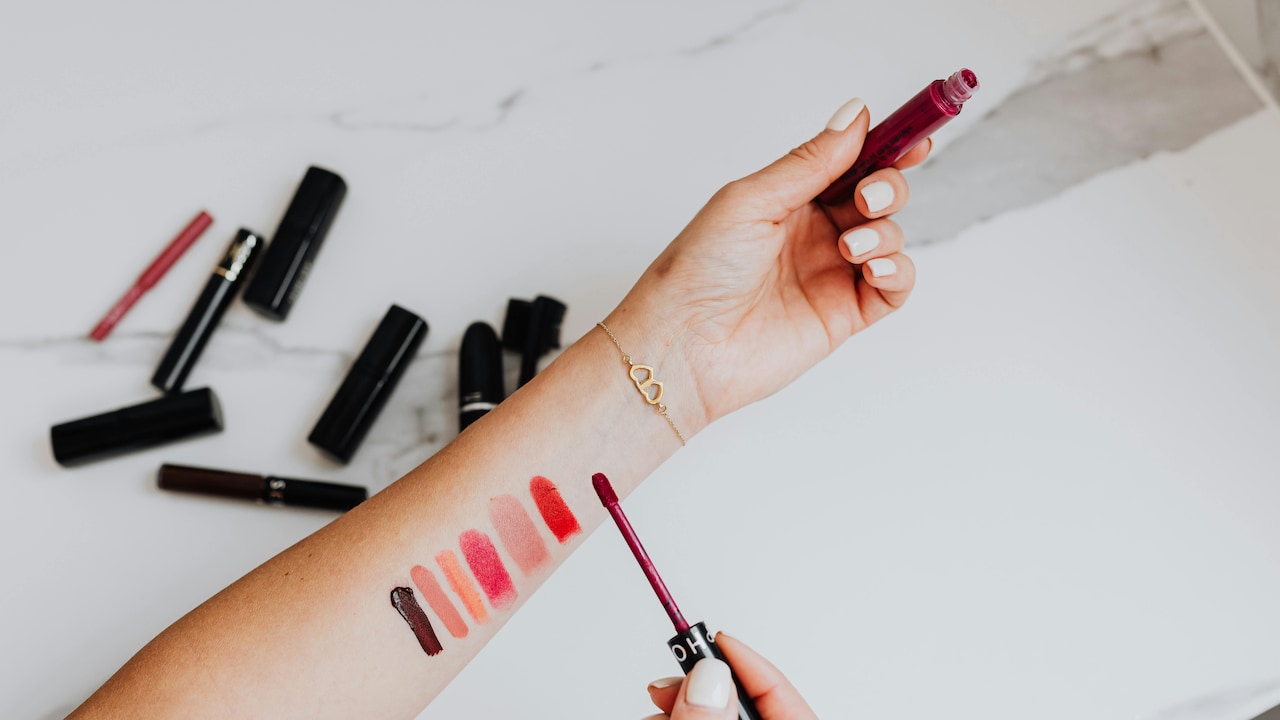
Know Why Lip Tints Turn Patchy After 2 Hours And How To Make Them Last Longer.
Lip tints have quietly taken over dressing tables everywhere. They feel lighter than lipsticks, look fresher than gloss, and survive the chaos of chai breaks, long commutes, and endless conversations. On a good day, they leave behind a soft stain that looks almost natural. On a bad day, they settle into lines, cling to dry spots, and vanish unevenly from the centre of the lips.
This frustrating patchiness often shows up around the two-hour mark, just when touch-ups feel inconvenient. It can make even the most flattering shade look dull or messy. But here's the thing, lip tints themselves aren't the problem. Most of the time, it comes down to how lips are prepped, how the tint is applied, and what happens afterwards.
With a little attention and a few small habit changes, lip tints can stay smooth, vibrant, and flattering for hours. Let's break down exactly why they turn patchy and how to fix it for good.
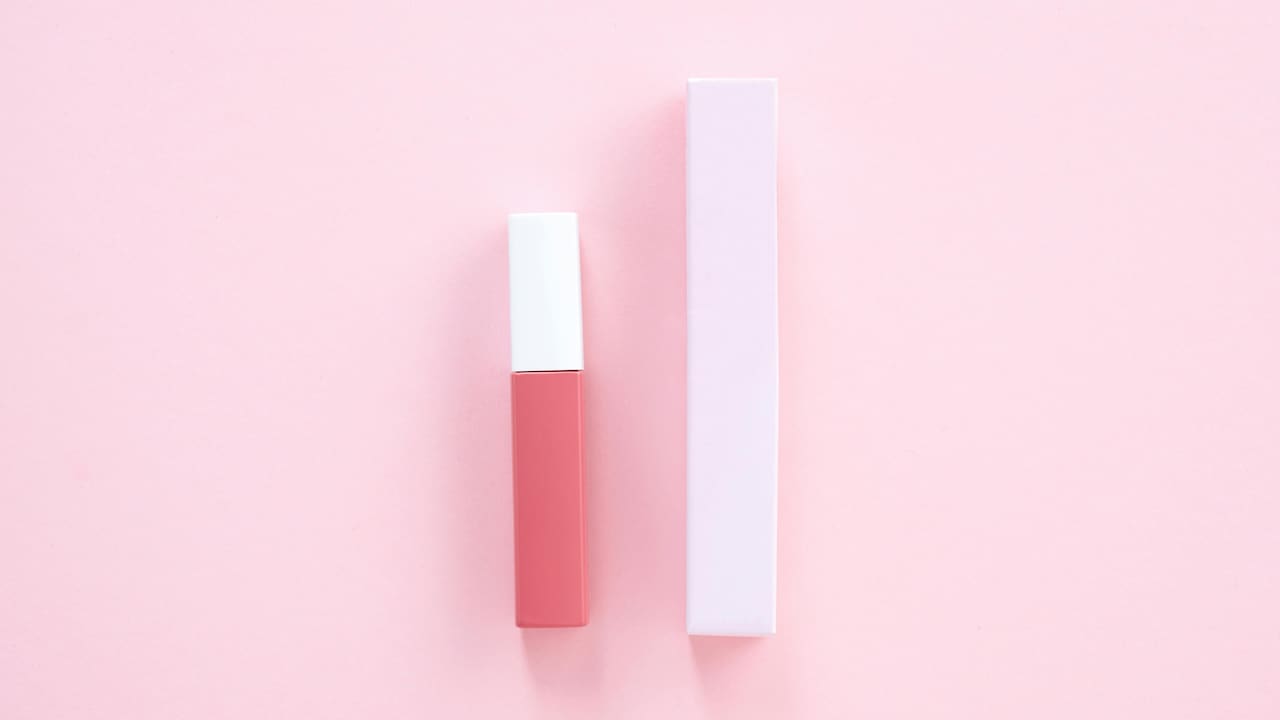
Why Lip Tints Look Patchy After 2 Hours And How To Make Them Last
Photo Credit: Pexels
What Causes Lip Tints To Turn Patchy And How To Fix It
Skipping Lip Prep Ruins Everything
Lip tints behave very differently from creamy lipsticks. They soak into the lips rather than sitting on top, which means any dryness underneath becomes instantly visible. Without proper prep, even the most expensive tint, say one picked up during a ₹999 sale, can look uneven within minutes.
Lips go through a lot daily. Weather changes, dehydration, and even spicy food can leave them dry and parched. Applying tint directly onto that surface is like painting over cracked walls; it only highlights imperfections.
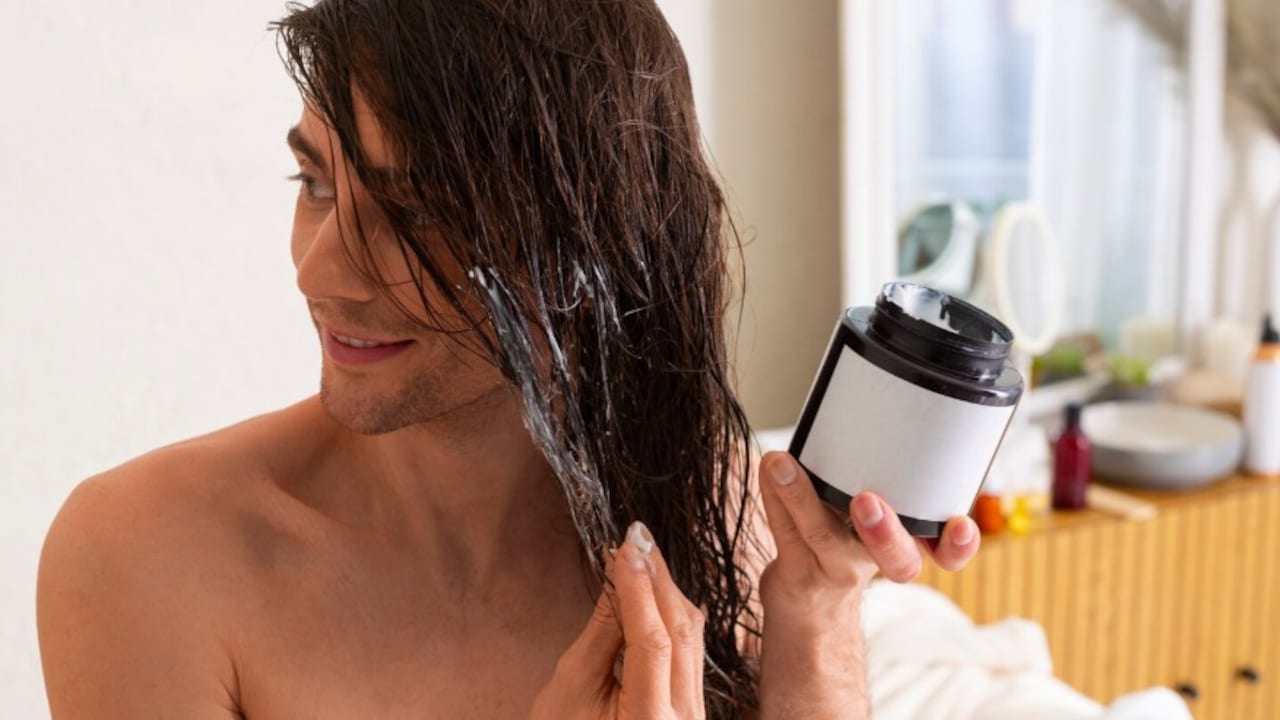
A gentle scrub before applying tint can make a noticeable difference. Something as simple as a soft toothbrush or a homemade sugar scrub works wonders. Follow it up with a light balm, but not too much. Over-moisturising can make the tint slide instead of staying put.
Think of lip prep as setting the stage. When the surface feels smooth and hydrated, the tint settles evenly and holds better. Without this step, patchiness isn't just possible, it's almost guaranteed.
Dry Lips Are The Biggest Culprit
Dryness doesn't just make lips uncomfortable; it directly affects how colour shows up and fades. Lip tints cling to dry areas more intensely, creating darker patches while leaving other parts looking faded. This uneven absorption is one of the most common reasons behind patchiness after a couple of hours.
Weather plays a major role here. Air-conditioned offices, long hours under the sun, or even a strong fan at home can strip moisture away. Add caffeine or low water intake to the mix, and lips become even more dehydrated.
Keeping lips hydrated throughout the day changes everything. Drinking enough water and using a nourishing balm at night helps maintain softness. A good overnight lip mask can make lips feel brand new by morning.
Hydrated lips act like an even canvas, allowing the tint to distribute uniformly. Without that balance, no application technique can truly fix the problem.
Overapplication Leads To Uneven Wear
More product doesn't always mean better results. In fact, applying too much lip tint often leads to faster fading and patchiness. A thick layer doesn't absorb evenly, and as it wears off, it breaks apart in visible patches.
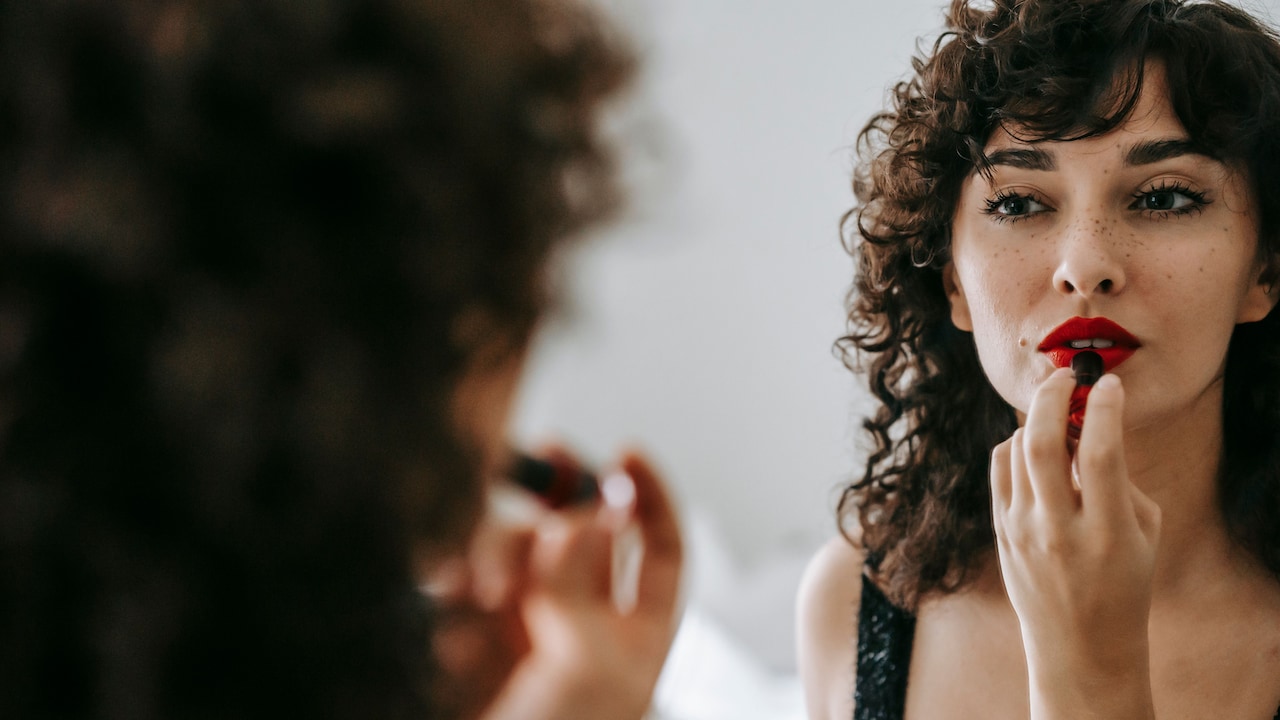
Lip tints work best in thin layers. A light dab in the centre of the lips, blended outward, creates a soft gradient that fades more gracefully. This method also mimics the natural flush that makes lip tints so appealing in the first place.
Heavy application tends to settle into fine lines and exaggerate texture. After a couple of hours, this becomes more obvious, especially around the inner lip area, where moisture from talking or eating comes into play.
Building the colour gradually is the smarter approach. It gives better control, looks more natural, and most importantly, lasts longer without turning patchy.
The Wrong Formula Can Work Against You
Not all lip tints are created equal. Some are water-based, others gel-based, and a few lean towards creamy textures. Each behaves differently on the lips. Choosing the wrong formula for specific lip conditions can lead to uneven wear.
Water-based tints often give that sheer, fresh finish but can dry quickly, especially on already dry lips. Gel tints feel more forgiving but might not stain as strongly. Cream-based tints offer comfort but may fade faster in certain areas.
Finding the right formula requires a bit of trial and error. Lips that lean towards dryness usually respond better to hydrating or gel-based tints. Those with smoother lips can experiment more freely with lightweight stains.
Price doesn't always guarantee performance. A ₹350 tint can outperform a ₹1,200 one if it suits the lips better. The key lies in understanding how each formula interacts with the lips rather than chasing trends.
Eating And Drinking Break Down The Tint
No matter how long-lasting a tint claims to be, food and drinks inevitably interfere. Oily meals, hot beverages, and even frequent sipping can break down the pigment unevenly. The inner part of the lips usually fades first, leaving behind a ring-like stain that looks patchy.
This effect becomes more noticeable after a couple of hours. The edges may still hold colour while the centre looks bare, creating an unbalanced appearance.
One way to tackle this is to blot gently after eating and reapply a thin layer only where needed. Carrying a small tint in the bag doesn't hurt either, especially during long days out.
Choosing slightly deeper shades can also help. They tend to leave behind a more even stain compared to very light colours, which can disappear quickly.
While it's unrealistic to expect perfection through every meal, a little awareness can keep the tint looking fresh rather than patchy.
Lip Texture Changes Throughout The Day
Lips don't stay the same from morning to evening. They react to everything, weather, hydration, and even stress. A tint that looks flawless at 9 am might start settling into lines by noon.
As the day progresses, natural oils break down, and lips can either become drier or slightly more textured. This shift affects how the tint sits and fades.
Reapplying balm before touching up the tint can help restore balance. However, it's important to dab off excess balm before adding more colour. Too much moisture can prevent the tint from adhering properly.
Understanding this natural change helps manage expectations. Instead of blaming the product, adjusting the routine throughout the day makes a visible difference.
Not Letting The Tint Set Properly
One of the most overlooked mistakes is rushing the application. Lip tints need a few moments to settle and stain the lips. Applying balm or pressing lips together immediately after application can disrupt this process.
When the tint doesn't set properly, it sits unevenly on the surface. As it wears off, it leaves behind inconsistent patches instead of a smooth stain.
Allowing the tint to dry for a minute or two can improve longevity significantly. It might feel like a small step, but it makes a noticeable difference in how the colour holds up.
Patience here pays off. That extra minute can mean the difference between a tint that fades gracefully and one that turns patchy too soon.
Layering Products Without Thought
Mixing lip products can be fun, but it can also lead to unexpected results. Applying gloss, balm, or lipstick over a tint without considering compatibility can disturb the base layer.
Some products dissolve the tint slightly, causing it to shift and settle unevenly. This often results in patchiness once the top layer wears off.
If layering feels necessary, it's better to keep it minimal. A light balm or a clear gloss works best without overpowering the tint underneath.
The idea is to enhance, not disrupt. When layering is done thoughtfully, it can actually extend the life of the tint instead of ruining it.
Ignoring Lip Lining And Shape
Lip tints are often applied casually, but ignoring lip shape can lead to uneven fading. Without a defined boundary, the tint can spread irregularly, especially after a few hours.
A subtle lip liner, close to the natural lip colour, can act as a guide. It prevents feathering and keeps the tint looking neat even as it fades.
This step doesn't have to feel heavy or dramatic. A soft outline blended inward can create a more structured base without losing the natural effect.
When the shape stays intact, even slight fading looks intentional rather than patchy.
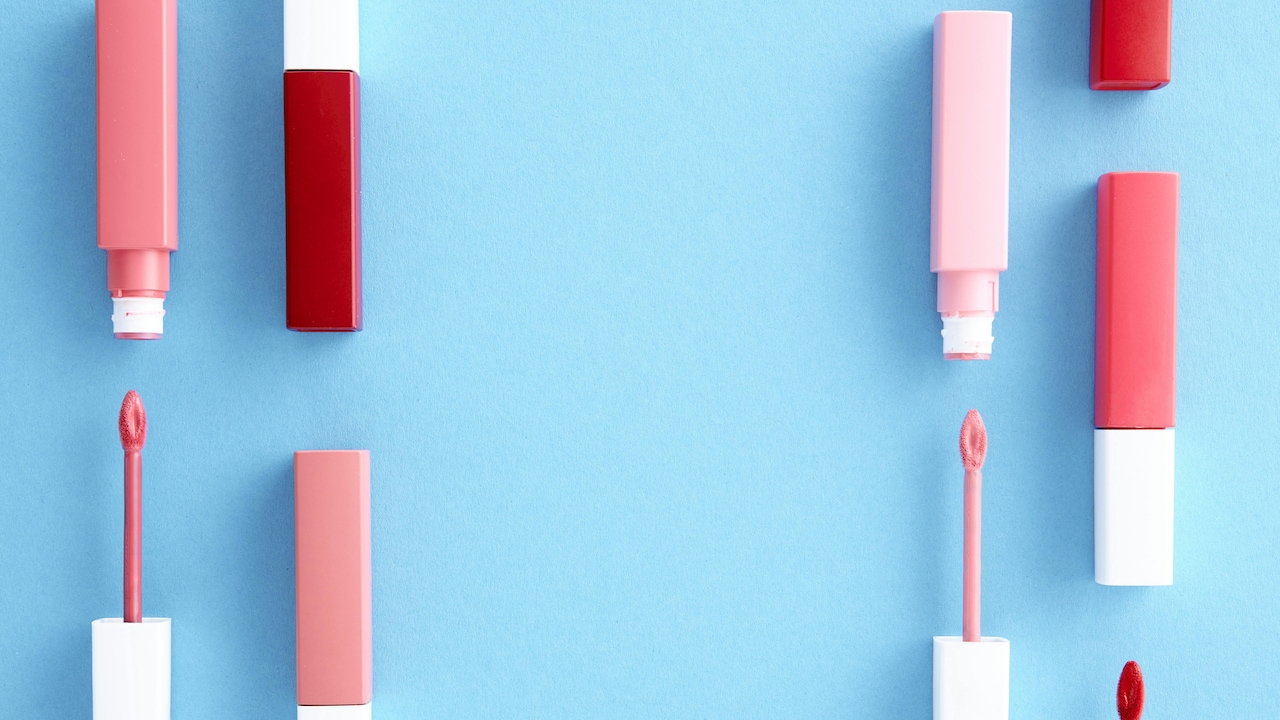
Why Lip Tints Look Patchy After 2 Hours And How To Make Them Last
Photo Credit: Pexels
Touch-Ups Done The Wrong Way
Touching up seems simple, but doing it incorrectly can make things worse. Applying more tint over already patchy lips without prepping them can emphasise unevenness.
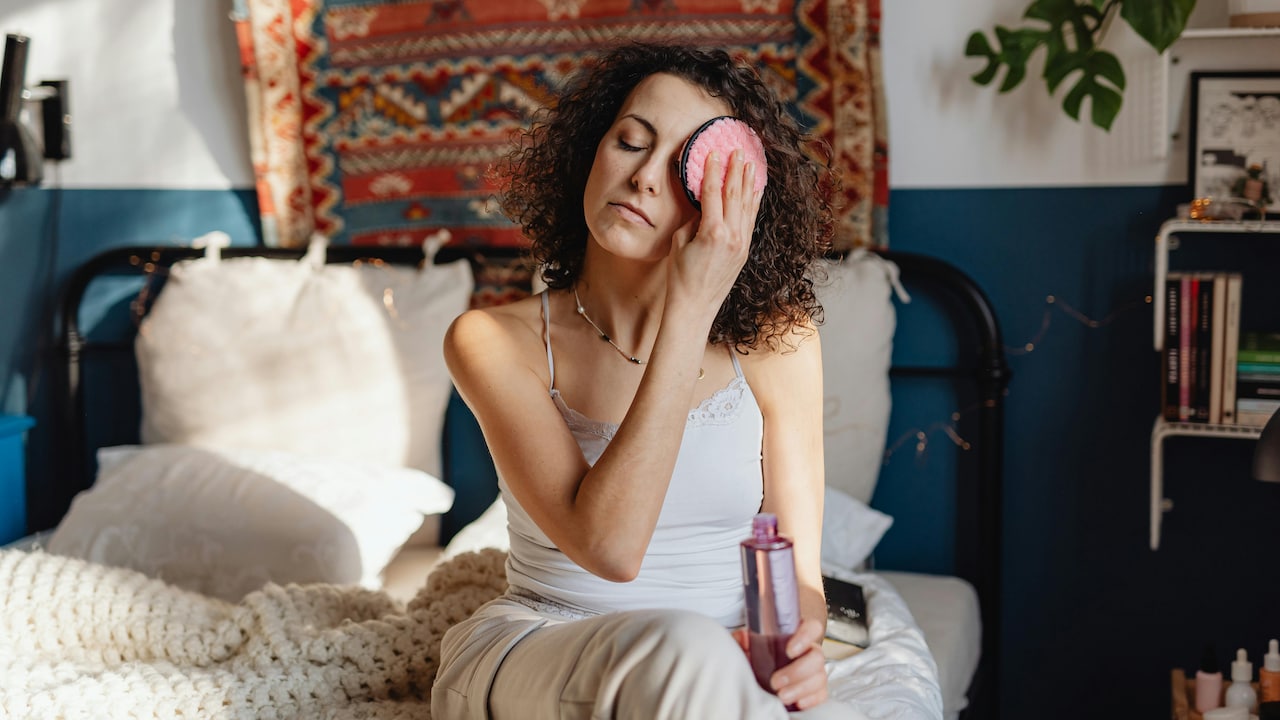
Before reapplying, gently blot the lips or remove excess product. A light layer of balm, followed by a fresh application, works far better than piling on more tint.
It takes a few extra seconds, but saves the overall look. The goal is to refresh, not overload.
A mindful touch-up routine keeps the tint looking smooth and balanced throughout the day.
Products Related To This Article
1. The Face Shop Water Fit Lip Tint
2. Rivona Naturals Bubblegum pH Changing Lip Tint
3. GLAM21 Lip Drizzle Peptide Lip Tint With Shea Butter
4. LAMEL The Myth of Utopia Ultra Neon Lip Tint 4.5ml
5. LOVE EARTH Set Of 2 Lip Tint & Cheek Tint Multipot - 8g-Gloss It Up Lip Gloss
Lip tints aren't unreliable; they're just a little misunderstood. Their lightweight, stain-like nature demands a different approach compared to traditional lipsticks. Patchiness after two hours isn't inevitable, it's usually the result of small missteps that add up.
From skipping prep to rushing application, each detail plays a role in how the tint performs. With smoother lips, the right formula, and a bit of patience, lip tints can stay fresh and flattering for hours.
At the end of the day, it's about working with the product rather than against it. A few thoughtful habits can turn lip tints from unpredictable to dependable, making that effortless, just-bitten look last well beyond the morning rush.
(Disclaimer: This article may include references to or features of products and services made available through affiliate marketing campaigns. NDTV Convergence Limited (“NDTV”) strives to maintain editorial independence while participating in such campaigns. NDTV does not assume responsibility for the performance or claims of any featured products or services.)