Why Your Feet Still Feel Rough After A Pedicure And What Tools You May Be Missing
Rough feet after a pedicure often mean your routine lacks the right tools. From foot files to heel balms, here’s what helps keep your feet soft, smooth, and salon-fresh for longer.
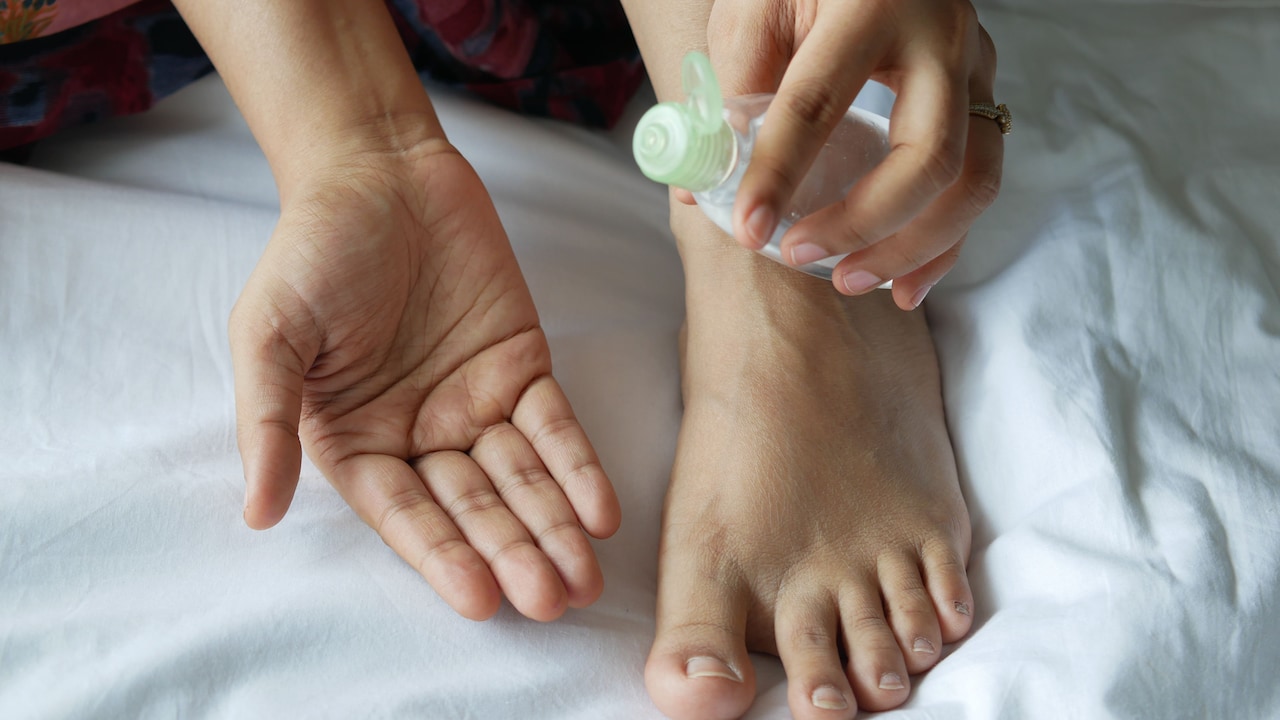
Easy tips to make your pedicure sessions more effective
A fresh pedicure feels like a small festival for the feet. The soaking, scrubbing, trimming, massage, and final coat of colour can make even tired heels look ready for open sandals. For a day or two, everything feels soft. Then suddenly, the heel catches on the bedsheet again. The sides of the big toe turn dry. The sole feels grainy, as though the pedicure packed up and left early. This happens more often than people admit. Rough feet after a pedicure do not always mean the service went wrong. Feet work hard. They carry body weight through tiled floors, dusty streets, office corridors, gym mats, and wedding dance floors. They face heat, sweat, friction, hard footwear, and sometimes complete neglect until the next salon visit.
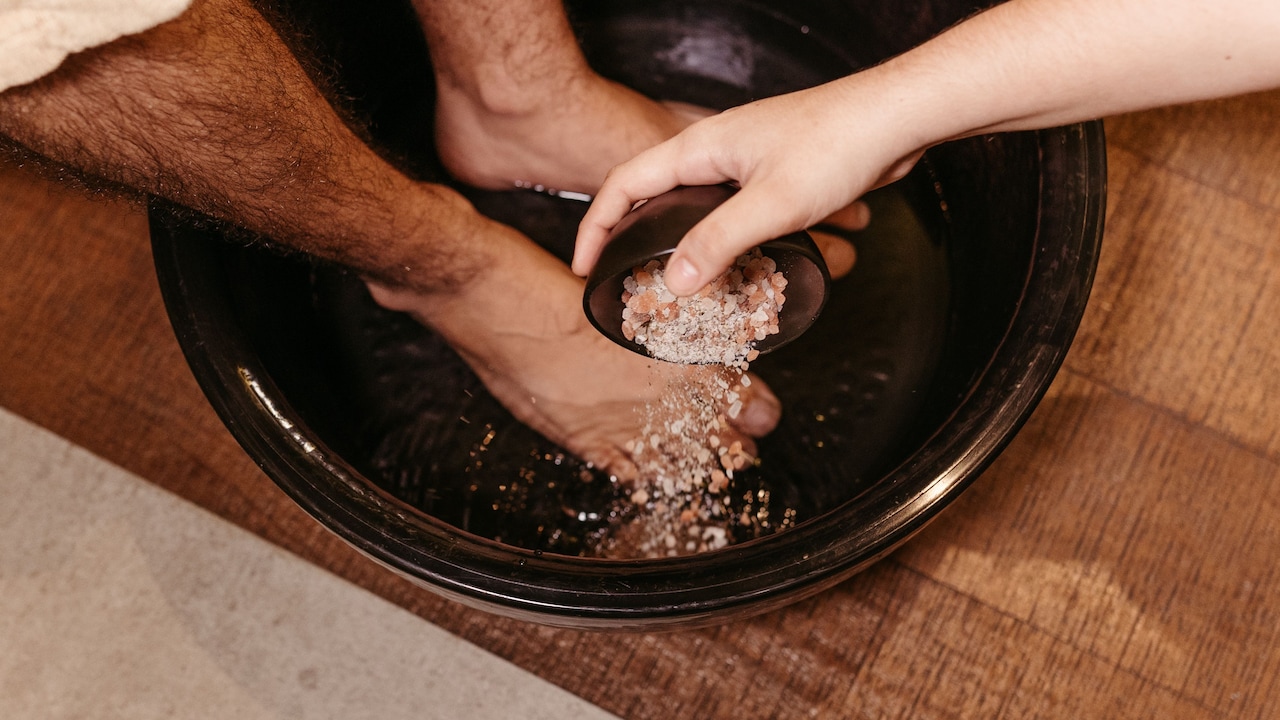
Explore the common reasons why your feet don't feel soft even after pedicures; Photo Credit: Pexels
A pedicure can tidy the surface, but lasting softness needs the right tools and habits at home. Think of it like haircare. A salon blow-dry looks lovely, but without a comb, serum, and decent shampoo, the magic fades fast. Feet also need their own little toolkit.
Also Read: Best Foot Spas For Tired Monsoon Feet At Home
Common Reasons Your Feet Feel Rough After A Pedicure
Your Pedicure May Only Remove Surface Dryness
Many people expect one pedicure to erase weeks, sometimes months, of dryness. Sadly, feet do not work like that. A regular pedicure often removes the top layer of dead skin, cleans the nails, pushes back cuticles, and smooths the visible rough patches. It gives instant improvement, but it may not reach deeper thickened skin around the heels or balls of the feet.
Calluses build slowly. Daily walking, standing, and pressure create firm skin as a form of protection. A single scrub cannot safely remove all of it. In fact, aggressive scraping can invite cuts, soreness, and even infection. A good technician will soften and smooth the area, not carve the heel like a coconut at a roadside stall.
This is why roughness may return quickly. The thicker layers underneath remain. Once the foot dries after the pedicure, the skin can feel hard again. Regular care matters more than one intense session. Gentle weekly exfoliation, daily moisturising, and comfortable footwear help the softness stay longer. A pedicure opens the door, but home care keeps the room clean.
You May Be Skipping A Proper Foot File
A foot file sounds simple, almost too basic to matter. Yet it can make the difference between soft heels and heels that feel like the rough side of a washing stone. Many homes have nail cutters, old pumice stones, and forgotten creams, but no proper foot file. That missing tool often explains why roughness returns so fast.
A good foot file helps smooth dry areas between pedicures. It works best on clean, dry feet for thick calluses, or slightly softened feet for mild roughness. The key lies in patience. Harsh rubbing may feel satisfying, but it can irritate the skin and make it thicken further. Gentle, steady strokes work better.
Metal scrapers look dramatic, but they need caution. Overuse can damage healthy skin. A dual-sided foot file with a coarse side and a smooth side suits most people. The coarse side tackles stubborn patches. The smoother side finishes the job.
Use it once or twice a week, not every evening while watching television. Feet need care, not punishment. Follow with moisturiser, and the file becomes far more useful than a once-a-month salon rescue mission.
Your Moisturiser May Be Too Light For Feet
That lovely body lotion with a floral scent may work beautifully on arms, but feet often laugh at it. The skin on the soles has no oil glands, so it dries faster and needs richer care. A light lotion may disappear within minutes, leaving the heel just as thirsty as before.
Feet need creams that seal in moisture and soften rough skin. Look for ingredients such as urea, glycerine, lactic acid, shea butter, cocoa butter, or petroleum jelly. These help attract water, smooth dead skin, and protect the barrier. A thick foot cream may feel slightly sticky, but rough heels need that comfort.
Nighttime works best. Wash the feet, pat them dry, apply a generous layer of cream, then wear cotton socks. This simple habit can change the texture of the feet within days. It sounds like something a grandmother would recommend, and honestly, she would be right.
Many people moisturise only after a pedicure. That is like watering a plant once a month and wondering why the leaves sulk. Feet need daily attention, especially during hot weather, festive seasons, travel, or long workdays.
You Might Be Forgetting Cuticle And Nail Care
Rough feet do not always come from heels alone. Dry cuticles, cracked nail edges, and hard skin around the toes can make the entire foot look untidy. A pedicure may clean these areas, but they can dry out quickly, especially if you wear open footwear or wash your feet often.
Cuticle oil is one of the most underrated foot care tools. Many people use it for hands but forget that toenails also need nourishment. A few drops around the nails can soften the skin, reduce peeling, and keep the pedicure looking fresh. Coconut oil, almond oil, or a simple cuticle oil pen can do the job.
Nails also need proper trimming. Cutting them too short or rounding the corners too much can lead to discomfort and ingrown nails. Trim straight across and smooth the edges with a nail file. This small step prevents snagging and pressure inside shoes.
Healthy nails make feet look cleaner, even without polish. A glossy colour may grab attention, but neat cuticles and smooth nail edges create the real polished look. Without them, even the prettiest shade can look tired too soon.
Your Foot Soak May Need Better Timing
A warm foot soak feels heavenly after a long day, especially when the house finally quietens down and the fan hums in the background. But soaking alone cannot fix rough feet. In fact, soaking for too long can dry the skin further. The trick lies in timing and what follows next.
A short soak of ten to fifteen minutes can soften dead skin and prepare the feet for gentle exfoliation. Add mild soap, a little salt, or a few drops of oil. Avoid very hot water, as it can strip the skin and leave it tight. After soaking, use a foot file or pumice stone gently, then rinse and dry well.
The drying step matters more than people think. Moisture trapped between toes can create odour, itching, or fungal trouble. Pat carefully, especially between the toes, before applying cream to the heels and soles.
A soak works like the opening scene of a film. It sets the mood, but it cannot carry the whole story. Without exfoliation and moisturising afterwards, the softness fades quickly. With the right follow-up, a simple soak can make home foot care feel salon-worthy.
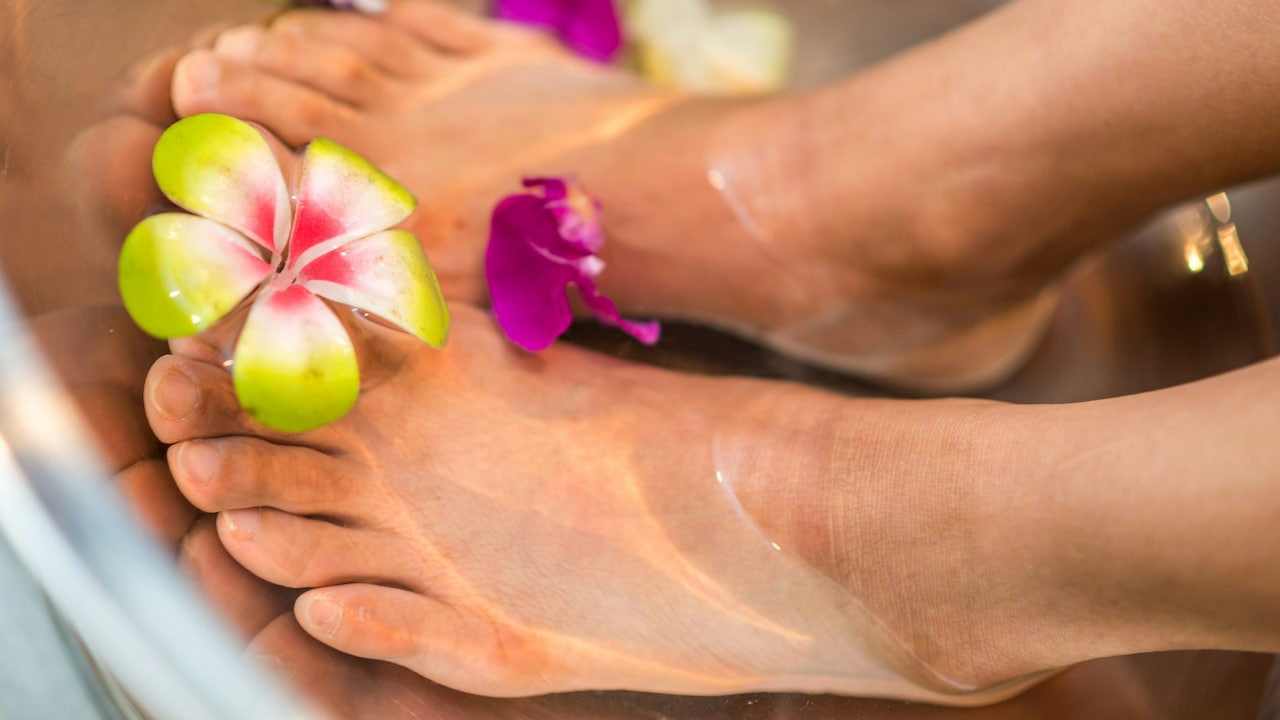
You are not soaking your feet for enough time; Photo Credit: Unsplash
You May Need A Heel Balm, Not Just Cream
Some heels need more than regular moisturiser. When cracks appear, or the skin turns thick and greyish, a heel balm can help more effectively. Balms usually feel richer and more protective than creams. They sit on the skin longer and help soften stubborn dryness over time.
Heel balms often contain ingredients that target hard skin. Urea-based balms, for example, can soften thick areas and improve texture. Petroleum-based balms help seal moisture, which proves useful when heels crack during dry weather or after too much walking in open sandals.
Apply balm at night, because daytime use can feel slippery. A small amount goes a long way. Massage it into the heel, cover with socks, and let it work while you sleep. It may not feel glamorous, but neither does hiding cracked heels at a family function while everyone else shows off new footwear.
The biggest mistake is using balm only when cracks become painful. Start when the heel first feels dry. Early care prevents deeper cracks. Think of heel balm as the umbrella before the rain, not the bucket after the leak.
Your Footwear Could Be Undoing The Pedicure
A pedicure can smooth the feet, but footwear decides how long that softness survives. Hard soles, tight straps, plastic sandals, and backless slippers can rub the skin all day. The body responds by building more hard skin. So the very chappals that feel convenient may be quietly roughening the heels.
Open footwear exposes feet to dust, heat, and friction. Closed shoes can cause sweat and pressure if they lack proper cushioning. Both can affect the skin. The answer does not mean giving up favourite sandals forever. It means choosing support wisely.
Look for footwear with cushioned soles, soft straps, and enough room for toes. Avoid pairs that bite the sides or slap the heel while walking. At home, soft slippers can protect the soles from hard floors. Many people walk barefoot on tiles all day, then wonder why their heels feel like old papad.
Rotation also helps. Wearing the same pair daily creates pressure on the same spots. Change footwear based on the day's activity. A market run, office commute, and wedding function do not ask the same thing from your feet. Treat footwear as foot care, not just fashion.
You May Be Missing A Weekly Exfoliating Routine
Monthly pedicures cannot replace weekly exfoliation. Dead skin keeps forming. Sweat, dust, friction, and weather add their own drama. Without a small weekly routine, the feet slowly return to their rough state, no matter how lovely they looked after the salon visit.
Exfoliation does not need fancy equipment. A mild foot scrub, pumice stone, or foot file can work well. What matters is consistency. Choose one day a week, perhaps Sunday evening, and give your feet fifteen quiet minutes. Soak, smooth, rinse, dry, moisturise. That rhythm can prevent thick skin from taking over again.
Avoid using harsh scrubs every day. Feet may look tough, but over-exfoliation can irritate them. When skin feels sore or shiny, stop. The goal is softness, not a battlefield victory.
Chemical exfoliating foot masks have also become popular, but they need careful use. They peel dead skin over several days, which can feel oddly satisfying yet messy. Use them only as directed and avoid them on cracked, sensitive, or irritated skin. A steady routine always beats a dramatic rescue attempt before sandal season.
Your Feet May Need Protection From Dust And Sweat
Daily life can be unkind to feet. Dust sticks to moisturiser, sweat gathers inside shoes, and heat makes skin feel sticky. After a pedicure, feet may look clean, but without protection, they soon face the same old enemies. Roughness often returns because the skin barrier keeps dealing with friction, dirt, and moisture imbalance.
Wash feet after coming home, especially after travel, errands, gym sessions, or long hours in sandals. Use a mild cleanser rather than harsh soap. Strong soaps may leave the skin squeaky clean but dry. Dry the feet properly, then apply cream where needed.
For people who sweat a lot, foot powder can help keep the area comfortable. Choose breathable socks and change them daily. During humid months, trapped sweat can cause odour and itching. Healthy skin needs cleanliness, but it also needs balance.
Do not apply thick cream between the toes before wearing closed shoes. That area can become too moist. Keep rich creams for heels and soles. Small habits like washing, drying, and choosing breathable footwear can protect the pedicure far better than another coat of nail polish.
You May Be Ignoring Signs That Need Extra Care
Sometimes rough feet need more than beauty care. Persistent cracks, itching, peeling, burning, thick yellow nails, or painful hard patches may point to a skin or nail problem. A pedicure can make the feet look better for a short while, but it cannot treat infections, eczema, psoriasis, corns, or deep fissures.
Pain deserves attention. If walking hurts, if cracks bleed, or if the skin between the toes keeps peeling, seek proper advice from a dermatologist or qualified health professional. People with diabetes need extra caution because small cuts on the feet can become serious. In such cases, avoid sharp tools, aggressive scrubbing, and salon treatments that break the skin.
Roughness also comes from habits. Skipping water throughout the day, standing for long hours, using harsh soaps, and wearing poorly fitted footwear can worsen dryness. Hormonal changes, ageing, and certain health conditions may also play a role.
Foot care should feel comforting, not risky. A pedicure can support healthy feet, but it should not replace medical care when symptoms keep returning. Listening to the feet early can prevent bigger problems later.
Products Related To This Article
1. Winston Electric Callus Remover for Feet
2. Urban Yog Callus Remover, Foot Scrubber For Dead Skin
3. callus remover for feet dead skin remover pedicure tools Callus Remover Hard and Dead Skin Remover Electric Foot Callus Remover Rechargeable Pedicure Tool
4. Fixderma Foobetik Foot Scrub Spray with Lactic Acid
5. AGARO Regency Manual Foot Spa Bath Massager With Heat
6. Lifelong Callus Remover for Feet Electronic with 3Heads
7. PROTOUCH Bliss Callus Remover
Rough feet after a pedicure can feel disappointing, especially when the salon glow fades before the nail paint chips. But the answer rarely lies in one grand treatment. Lasting softness comes from regular care, the right tools, and kinder habits.
A proper foot file, rich moisturiser, heel balm, cuticle oil, gentle scrub, cotton socks, and supportive footwear can turn foot care from a monthly emergency into a simple routine. None of it needs to feel complicated or expensive. A few minutes at night can do more for dry heels than one rushed pedicure before a big event.
Feet carry every hurried morning, every crowded commute, every festive dance, and every late-night kitchen trip for water. They deserve more than a quick scrub and a pretty polish. When the right tools enter the routine, a pedicure lasts longer, heels feel smoother, and the bedsheet finally stops catching on those rough edges.
(Disclaimer: This article may include references to or features of products and services made available through affiliate marketing campaigns. NDTV Convergence Limited (“NDTV”) strives to maintain editorial independence while participating in such campaigns. NDTV does not assume responsibility for the performance or claims of any featured products or services.)