Are All Bookmarks Safe For Long-Term Book Storage? 10 Book-Care Myths Explained
That bookmark tucked inside a favourite novel may cause more harm than expected. From receipts and pressed flowers to plastic covers, these 10 common book-care myths explain what can quietly damage books during long-term storage.
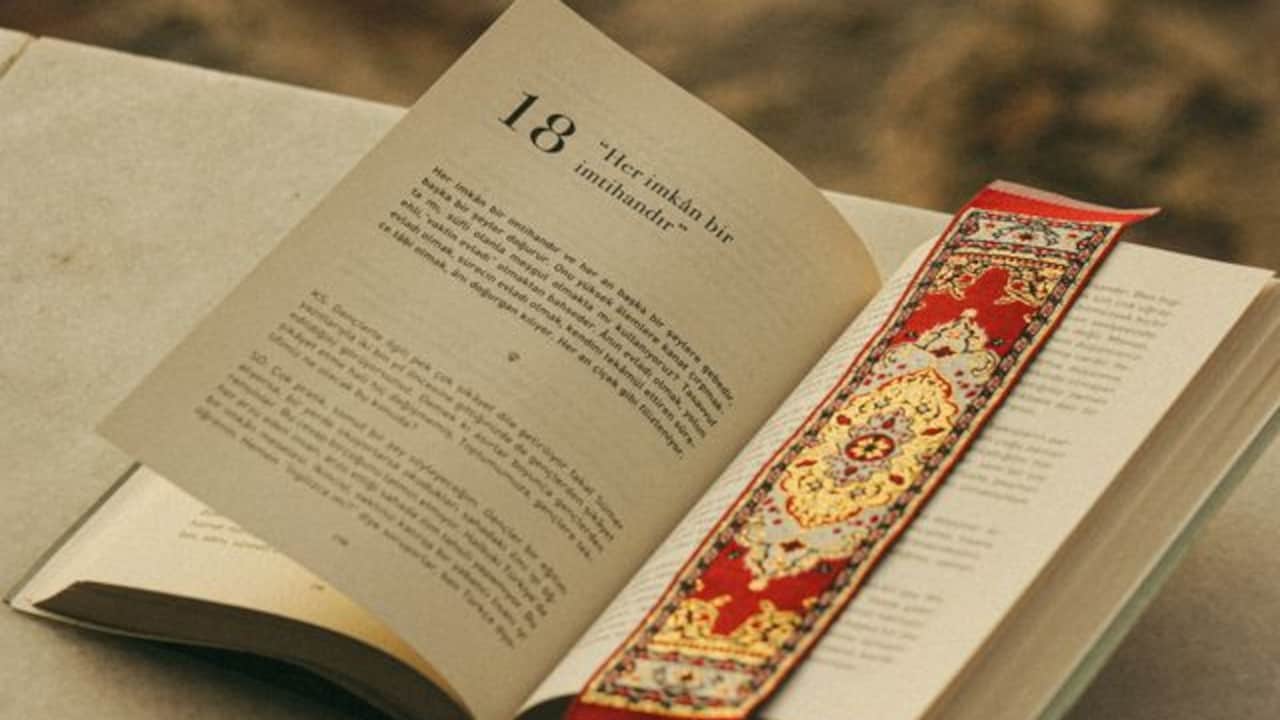
What causes damage to books and how to care for them the right way
Books have a peculiar way of becoming time capsules. A novel bought during college might still contain an old café receipt. A childhood favourite may hold a birthday card between its pages. Somewhere on a bookshelf, there's probably a book with a train ticket, dried leaf or long-forgotten shopping list acting as a bookmark. Most of these habits seem harmless. After all, books look sturdy enough. Their covers survive bags, shelves and years of enthusiastic page turning. Yet long-term damage often happens quietly. Paper yellows. Pages develop brown patches. Spines lean. Covers warp. Mysterious marks appear exactly where an old bookmark has been sitting for five years.
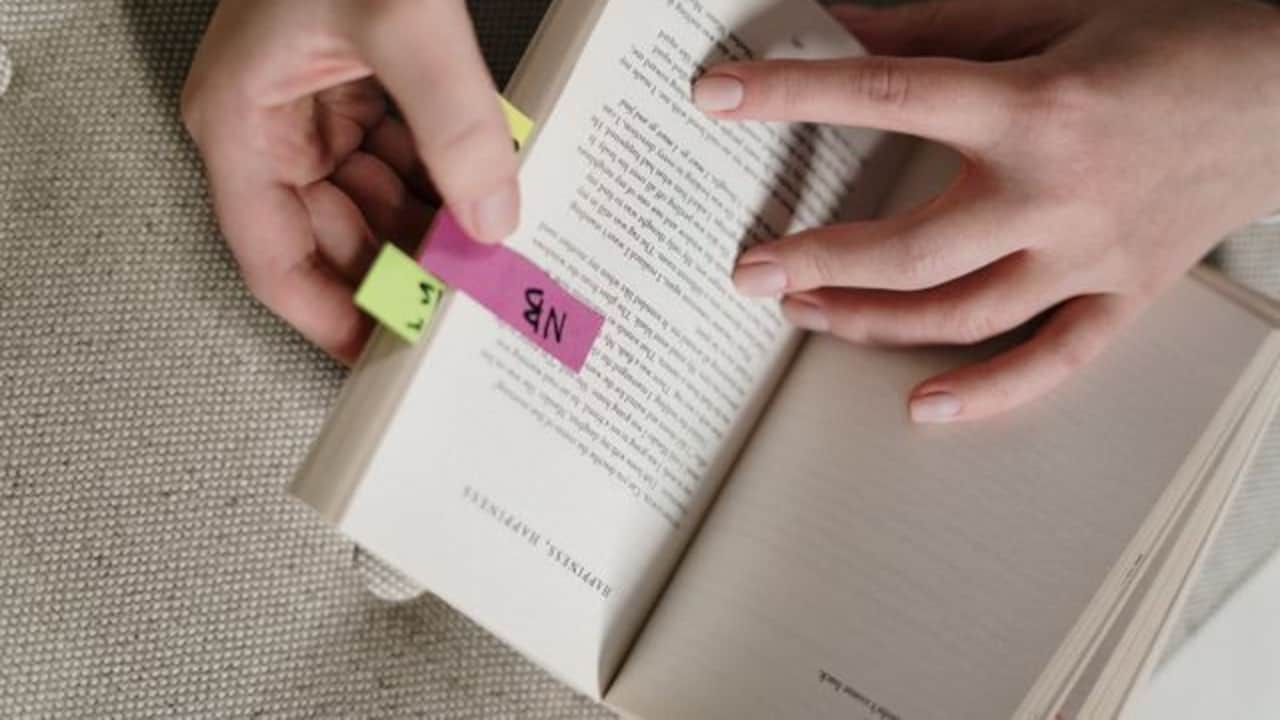
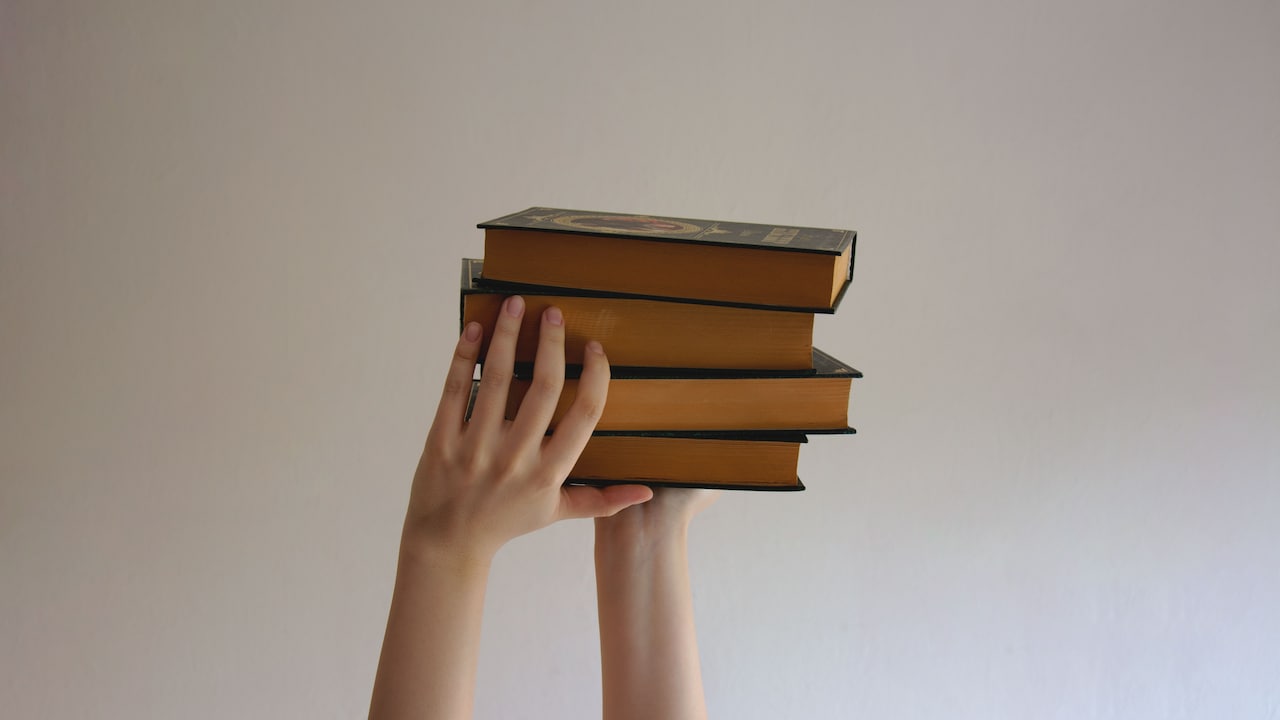
Common book care myths everyone should know about
Photo Credit: Pexels
Book care also attracts plenty of well-meaning advice. Wrap every book in plastic. Keep rare books tightly packed. Never remove the dust jacket. Use any flat piece of paper as a bookmark. Unfortunately, some of these habits can create the very problems they're supposed to prevent.
Also Read: Learn The Art Of Setting Boundaries: 5 Books To Stop People Pleasing
Whether the shelf holds expensive hardbacks, exam books, comics or well-loved paperbacks, understanding what actually affects paper can help those books age far more gracefully. Here are 10 book-care myths worth retiring.
What Really Damages Books During Long-Term Storage
1. Myth: Any Flat Piece Of Paper Is A Safe Bookmark
A supermarket bill, boarding pass or old receipt fits neatly between pages, so it feels like an obvious temporary bookmark. Temporary, however, has a habit of becoming several years.
Not every paper product ages in the same way. Receipts, newspaper scraps and cheaply printed flyers may contain unstable paper, inks or coatings. As they deteriorate, they can discolour themselves and sometimes leave marks on the pages touching them. Thermal receipts deserve particular caution because heat, friction and ageing can alter their printed surface dramatically.
A plain, clean bookmark made from good-quality paper or card generally makes a better long-term choice. For valuable books, acid-free archival paper offers even more reassurance.
Thickness matters too. A chunky promotional card might look attractive, but leaving it pressed inside a closed book for months can place unnecessary pressure on the binding.
So that restaurant receipt may work perfectly during the train ride home. Just don't let it become a permanent resident between chapters 14 and 15.
2. Myth: Pressed Flowers Are Harmless Because They Are Dry
Finding a pressed flower inside an old book can feel wonderfully nostalgic. Unfortunately, the book may not share the sentiment.
Plant material contains natural compounds that continue changing even after the flower appears completely dry. Leaves, petals and stems can gradually become brittle, stain nearby paper or create brownish patches. If the flower wasn't thoroughly dried before going into the book, trapped moisture can make matters worse.
There's another practical problem. Dried flowers rarely stay perfectly flat. Thick stems or overlapping petals can create pressure points when the book remains shut. Over time, surrounding pages may become slightly distorted.
Anyone who enjoys preserving flowers doesn't need to abandon the habit. A dedicated flower press or archival storage sleeve makes a better long-term home. Photographs of special flowers can also preserve the memory without asking a favourite novel to double as botanical storage.
Books are brilliant at storing stories. When it comes to storing actual roses from those stories, they're considerably less talented.
3. Myth: Metal Bookmarks Cannot Damage Pages
Metal bookmarks often look elegant, particularly slim brass clips and decorative designs that hook over the top of a page. Their durability also makes them seem safer than paper.
That doesn't automatically make them ideal for long-term storage.
A rigid metal bookmark can press against pages, especially when several books sit tightly together. Decorative edges, corners or clips may leave indentations. Some designs grip the paper firmly enough to crease delicate pages when removed carelessly.
The condition of the metal matters as well. Low-quality finishes can deteriorate after repeated contact with humidity, skin oils or moisture. Any corrosion or roughening becomes particularly unwelcome around paper.
Metal bookmarks work better as reading accessories than permanent storage accessories. Remove them before placing a book back on the shelf for months.
For long-term storage, a thin, smooth bookmark made from stable paper usually creates less pressure. A soft ribbon attached by the publisher can also work well, provided it remains clean and doesn't contain bulky charms.
Beautiful stationery has its place. Sometimes that place simply isn't permanently inside a closed book.
4. Myth: Sticky Notes Are Perfectly Safe If They Peel Off Easily
Sticky notes have conquered textbooks, cookbooks and study guides for good reason. They're convenient, colourful and considerably easier to spot than a tiny pencil mark.
The problem starts when temporary annotation becomes permanent storage.
Adhesive can change as it ages. A note that lifted cleanly after a week may behave differently after several years. Residue can remain on the page, attract dust or create visible marks. Pulling an ageing tab away too quickly can also stress thin paper.
Brightly coloured notes present another concern. Dyes and inks differ widely between products, and there's little reason to assume an everyday stationery item was designed for decades of contact with book paper.
That doesn't mean every sticky note needs immediate eviction. They're useful for active reading, studying and short-term organisation. Once the book moves into storage, though, removing unnecessary tabs makes sense.
For notes worth keeping, transfer the information to a notebook or use slips of suitable archival paper. Your future self still gets the useful annotation without inheriting a forest of faded neon tabs.
5. Myth: A Thicker Bookmark Protects The Book Better
A padded bookmark, magnetic marker or beautifully embroidered fabric strip certainly feels substantial. It may even seem gentler than a thin piece of card.
Book bindings, however, generally prefer less bulk rather than more.
Closing a book around a thick object forces nearby pages to bend around it. Leave that pressure in place long enough and the text block may develop a slight bulge. The effect becomes more noticeable when several thick bookmarks sit in different sections of the same book.
Magnetic bookmarks can create similar issues because two folded layers grip the page. They're convenient while actively reading, but storing the book with several magnets attached can add unnecessary thickness.
Decorative charms are another problem. A charm trapped inside the book can dent paper, while one hanging outside may scratch neighbouring covers or become caught as books move on the shelf.
For everyday reading, use whatever bookmark makes the experience enjoyable. Before long-term shelving, switch to something thin or remove the bookmark completely.
A good bookmark needs to remember the page. It doesn't need to remodel the book around itself.
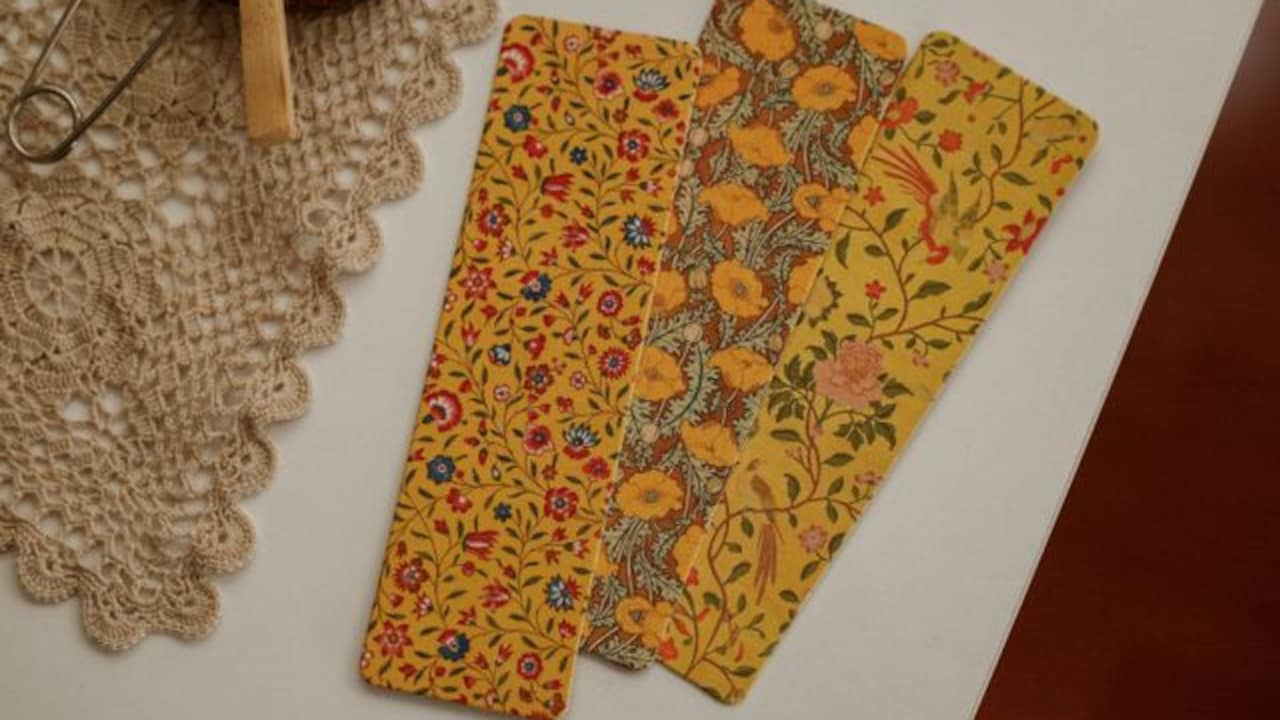
Thick bookmarks can cause slight damage to your books
Photo Credit: Pexels
6. Myth: Wrapping Books Tightly In Plastic Keeps Them Fresh
Plastic sounds like excellent protection. It blocks dust, shields covers from fingerprints and makes a freshly wrapped book look impressively organised.
Unfortunately, tightly sealing a book can create an unpleasant little microclimate.
Paper naturally responds to surrounding humidity. If moisture becomes trapped inside an unsuitable plastic covering, poor air circulation can encourage musty smells, distortion or mould growth. This becomes especially concerning during humid weather or when a book enters storage before it has fully dried after exposure to damp conditions.
Not all plastics behave identically either. Some materials and plasticisers age poorly and aren't suitable for long-term contact with paper.
Protective covers can still have a role, particularly for frequently handled books. The important distinction lies between a suitable protective jacket and wrapping a book airtight in whatever plastic happens to be available.
For ordinary home storage, books usually fare better on a clean, dry, ventilated shelf away from leaks and strong sunlight.
Think protection rather than imprisonment. A bookshelf shouldn't need to resemble the luggage-wrapping counter at an airport.
7. Myth: Books Should Be Packed As Tightly As Possible On A Shelf
A beautifully full bookshelf feels satisfying. No awkward gaps, no books leaning sideways and, importantly, room for just one more novel squeezed into that final centimetre.
Packing books extremely tightly, though, creates its own problems.
When books press firmly against one another, removing one often requires pulling from the top of its spine. Repeating that movement can weaken the headcap and covering material. Forcing books back into an already crowded row can also rub covers and dust jackets against their neighbours.
At the opposite extreme, loosely arranged books may lean at sharp angles, which places uneven stress on bindings. The goal sits somewhere between the two.
Books should stand upright with enough support to prevent leaning while leaving enough space for comfortable removal. A bookend can support a partially filled shelf without turning the row into a compression test.
Large or unusually heavy volumes may fare better lying flat, particularly when standing vertically would strain their binding.
A shelf can look satisfyingly full without requiring the extraction skills normally associated with a game of Jenga.
8. Myth: Sunlight Only Fades The Cover
Place a colourful book near a sunny window for long enough and the cover will probably reveal the problem first. Reds lose intensity, artwork fades and a once-bright spine starts looking oddly washed out.
The damage doesn't necessarily stop there.
Strong light can contribute to the degradation of paper, inks, cloth and other materials used in books. Heat near windows can also create temperature fluctuations that aren't particularly helpful for long-term preservation.
This doesn't mean books need to live permanently in darkness. Ordinary indoor light and sensible shelving are perfectly manageable for most personal collections. The bigger issue comes from prolonged exposure to direct, intense sunlight.
A shelf that receives several hours of harsh afternoon sun every day deserves reconsideration. Moving books farther from the window, using curtains during peak sunlight or rearranging the room may help.
Pay special attention to signed editions, illustrated books, older volumes and sentimental collections that would be difficult to replace.
Books enjoy being read under sunlight. They simply don't need to spend every afternoon sunbathing when nobody is reading them.
9. Myth: The Dust Jacket Should Never Come Off A Hardback
Dust jackets certainly deserve respect. On collectible books, an original jacket can form an important part of the complete edition. It also protects the boards underneath from scratches, dirt and light.
But treating the jacket as an untouchable shield creates another misconception.
A damaged, dirty or poorly fitted jacket can rub against the book. People also sometimes tape torn jackets directly to the cover, which can create bigger preservation problems than the original tear. Household adhesive tape tends to age badly, and removing it later may prove difficult.
During reading, taking off a loose or delicate dust jacket can actually prevent accidental tearing. Store it safely and return it once the book goes back onto the shelf.
For valuable editions, suitable archival jacket protectors offer an option, but everyday improvisations with tape and random plastic deserve caution.
Most importantly, don't assume the presence of a dust jacket makes everything underneath invincible. Humidity, rough handling and poor shelving still matter.
The jacket is a coat, not armour. It protects the book, but occasionally the coat itself needs protecting too.
10. Myth: If A Book Looks Fine, Its Storage Conditions Must Be Fine
Book damage rarely announces itself immediately. That's what makes this particular myth so easy to believe.
A shelf can look perfectly respectable while sitting against a damp wall. Books may appear spotless even though humidity regularly rises during the monsoon. A cupboard might protect them from dust while offering very little air circulation.
Problems often emerge gradually. Pages develop waves. Edges become yellow or speckled. Covers feel slightly tacky. A musty smell appears. Insects discover a quiet corner before anyone else notices something has changed.
Long-term book care therefore involves paying attention to the environment, not simply inspecting the covers.
Keep shelves away from obvious dampness and potential leaks. Clean dust periodically and check books that haven't moved for months. Avoid storing treasured volumes directly on floors, where plumbing problems and household spills can become sudden disasters.
There's no need to turn a home library into a climate-controlled archive. Regular attention does most of the practical work.
If something smells damp, feels damp or looks different, investigate early. Books are patient, but they aren't indestructible.
Products Related To This Article
1. The Journal Lab | Set of 4 Magnetic Bookmarks | Magnetic Page Markers
2. Rays Of Ink Women Magnetic Bookmarks
3. Antara Travel Magnetic Bookmarks for Books
4. Handmade Crochet Floral Bookmarks
5. Aesthetic Bookmark for Books
6. 3Pcs Automatic Bookmark
7. Metal Bookmark Set of 4 Gold Hollow Van Gogh Design for Books
Good book care isn't about treating every paperback like a museum artefact. It's mostly about avoiding small habits that become damaging over time. Thin bookmarks, sensible shelving, moderate light and dry storage can make a surprising difference. So enjoy those dog-eared favourites and heavily read novels. Just check what's hiding between their pages before putting them away for the next decade.
(Disclaimer: This article may include references to or features of products and services made available through affiliate marketing campaigns. NDTV Convergence Limited (“NDTV”) strives to maintain editorial independence while participating in such campaigns. NDTV does not assume responsibility for the performance or claims of any featured products or services.)