Why Readers Love Fictional Worlds
From fantasy kingdoms to dystopian societies, here’s why fiction remains one of the most popular forms of entertainment among readers across generations.
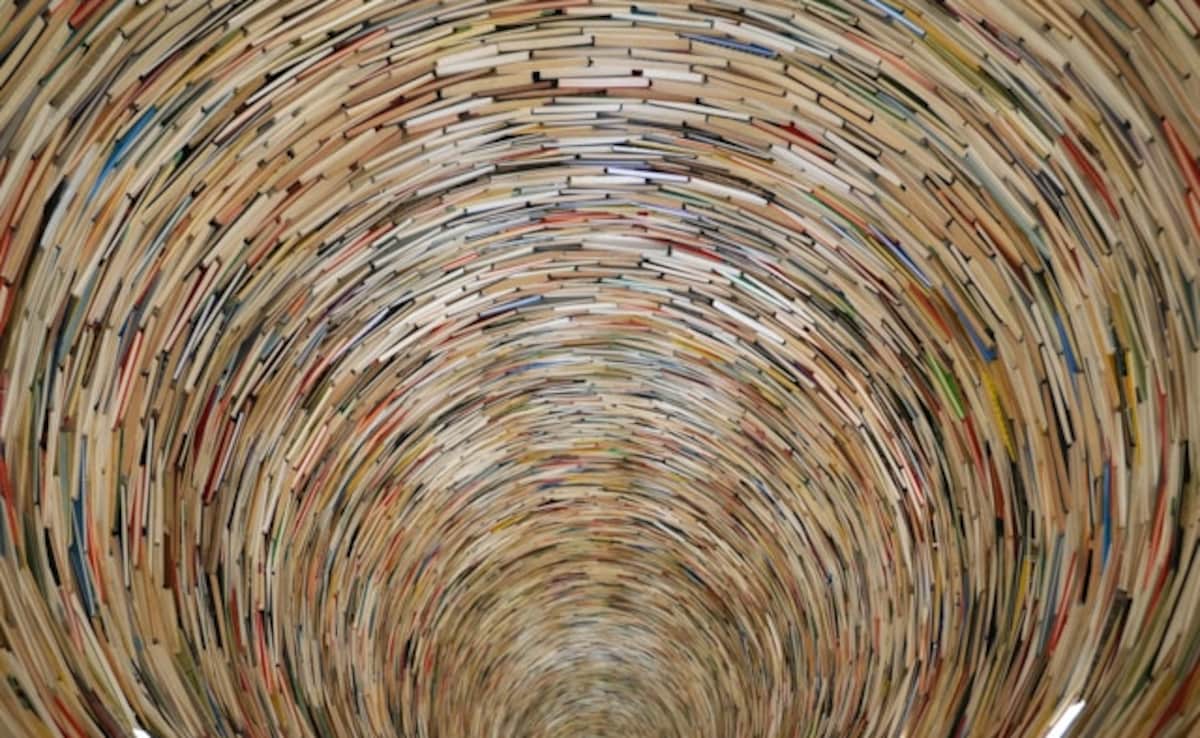
Why Readers Love Fictional Worlds
Fiction stories have been an important element of storytelling for as long as the concept of storytelling has existed. Whether it was fantasy kingdoms, magical schools, dystopian societies or futuristic universes, fictional worlds still live in the imagination of people. Entertainment formats keep changing with the introduction of new streaming service options, gaming, and social media, but fictional literature is still a favourite to those who appreciate engaging and imaginative stories. Another one of the main reasons why fictional worlds are popular is that they can take the reader into a completely different environment and experience.
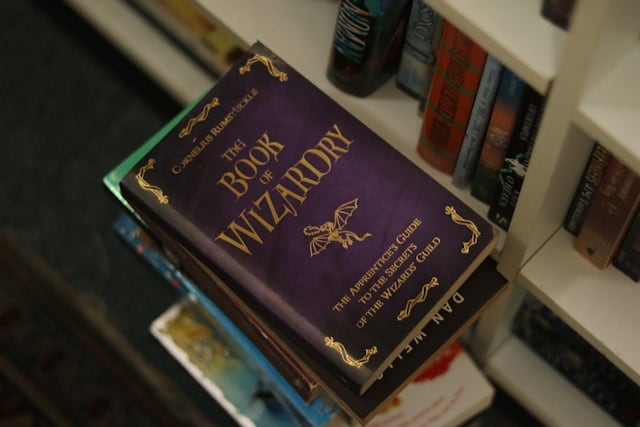
Fiction is the escape our mind seeks when we want to escape the real world
Photo Credit: Unsplash
Books are different from other types of media because they can make you feel like you are present in these worlds, which increases the sense of realism. Fiction gives readers the opportunity to travel beyond their daily life and immerse themselves in a story populated by exotic characters, cultures, conflicts, and adventures. This escapism has been a major part of fiction reading for decades and it is a trait that has many readers reaching for fictional books.
Also Read: Are You Into Thriller Stories? Then You Must Give These 5 Books A Read At Least Once
Escapism In Fictional Stories
Escape is one of the primary motivators of readers to read fictional worlds. Through fictional stories, viewers can temporarily escape from real-life stress and responsibilities by entering the imaginary worlds and narratives of the stories. Fiction books offer readers experiences that are not real, but feel real nonetheless, whether they contain magic or are set in the future. Keeping up with the ever-evolving digital world can be a pain and so opening your favourite book filled with your favourite world and comfort characters can be a much-needed reprieve.
Audiences often seek out fiction as a way to find comfort and entertainment because it allows them to follow the adventures, mysteries, relationships, and conflicts that are presented to them in the form of a story. Fiction books can also provide comfort and familiarity to many readers. It's a familiar experience for many readers to return to their favorite worlds and narratives, since they already feel emotionally attached to the settings and characters.
How World-Building Creates Immersive Experience
In creating fictional stories, world-building is one of the most significant parts in making the fictional stories feel as if they're real. Fictional universes often seem complete and realistic because the author creates a detailed society, history, traditions, language and environment. Good world-building makes the reader feel like the fictional world is real and these details can help readers visualize the setting more clearly and will help them feel more engaged with the story.

Fictional books help dull the edges of the world we live in
Photo Credit: Unsplash
Strong world-building is crucial to fantasy and science-fiction genres. Readers are often drawn to stories that are interesting with imaginative settings but at the same time have internal consistency and realism throughout the story.
Emotional Relationships With Fictional Characters
The other significant reason fictional worlds continue to keep readers is the type of emotional bond which they develop with the characters. Fictional characters can serve as a mirror of the reader, who may identify with their struggles, relationships, ambitions, fears, and personal growth. The feeling of emotion of characters in imaginary worlds still feels relatable and human, even when the story is set in imaginary worlds.
Such emotional bonds generally stick in the reader's mind. The characters are memorable parts of the reading experience, so that many audiences go on talking about fictional characters, theories, and storylines long after they have finished reading a book.
Fantasy And Science Fiction Genres Are Quite Popular These Days
Science fiction and fantasy are consistently popular fiction genres, where readers can immerse themselves in a world and experience something that appears imaginative. In fantasy literature, the magical system is used to advance the plot, the mythical beings serve as mythological elements, and the fictional kingdom is used to enhance the story. In science fiction, the futuristic technology is used to explore the ideas and themes of the story, the space travel is an element of the story, and the alternate society is a part of the setting.
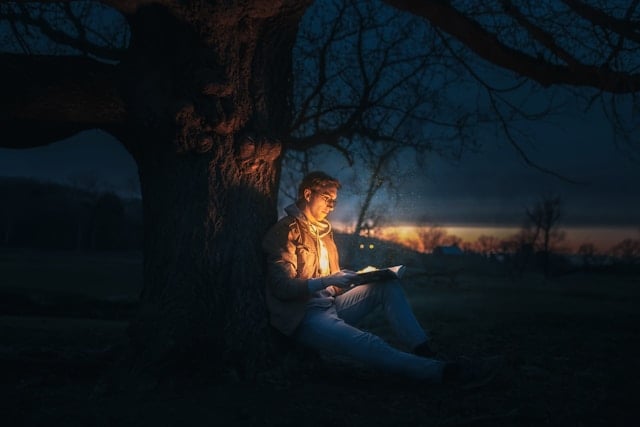
Every book is a different world we can't wait to explore
Photo Credit: Unsplash
The genres enable readers to explore ideas and possibilities that go beyond real-world constraints. They are also known for their creativity and storytelling on a large scale, which can make them appealing to audiences who are seeking immersive reading experiences.
The Effect Of Social Networks On Fictional Literature
Social media has also contributed significantly to the growing popularity of fictional books and fictional worlds. Reviewers on social media like BookTok and Bookstagram, or online reading groups and communities, frequently shape reading trends. Viral trends give the readers a chance to read a book and a genre that they might not have encountered otherwise.
There have also been online fan communities that have developed where readers can elaborate on fictional universes, characters, and story theories. This type of interaction has ensured the relevance of fictional literature with younger readers.
Films And TV Adaptations Of Fictional Books
Fictional stories have also caught the interest of the viewers with the film and streaming versions. Popular novels have become the subject of movies and web series as fiction finds a larger audience through visuals. Effective adaptations can lead to more engagement with the original books, as viewers seek to understand the story and characters in detail.
This connection between the two industries publishing and entertainment has kept fictional books in the public's mind even if they are not readers.
Products Related To This Article
1. Harry Potter Book Series
2. The Hobbit & The Lord Of The Rings Book Series
3. The Hunger Games Book Series
4. Dune Book Series
5. The Chronicles Of Narnia Book Series
6. The Fault In Our Stars
Fictional stories are still relevant today, especially in the era of rapid change in entertainment and digital media. Fiction offers the reader the opportunity to immerse themselves in imagination, emotion, relationships, and creativity, as if it were personal.
The evolution of fictional genres also goes on as per the changes in the audience preferences. With the advent of modern fiction, themes and views are much broader and readers of varied backgrounds and tastes can find something that resonates with them.
The combination of escapism, emotional storytelling, creativity, and immersive experiences make fictional worlds an appealing read. Fiction invites readers to enjoy stories that are both entertaining and emotionally satisfying through detailed world building, more relatable characters and imaginative stories.
In general, the ongoing success of fictional literature reflects readers' continued enjoyment of material that enables them to imagine, explore, and experience something other than the real. Fiction books still make an impact on readers over time, whether it be a fantasy, romance, science-fiction or adventure novel.
(Disclaimer: This article may include references to or features of products and services made available through affiliate marketing campaigns. NDTV Convergence Limited (“NDTV”) strives to maintain editorial independence while participating in such campaigns. NDTV does not assume responsibility for the performance or claims of any featured products or services.)






![Skyculture® Pehla Ganith Path Cloth Book - Hindi [Rag Book]](https://m.media-amazon.com/images/I/41c D1LvNHS._SL160_.jpg)