Can You Safely Use Every Socket On An Extension Board? 10 Electrical-Use Myths Explained
Can every socket on an extension board be used safely? Not always. Discover 10 common electrical-use myths, from overloading and daisy-chaining to standby power, and learn what actually keeps your appliances and home safer.
Can You Safely Use Every Socket On An Extension Board? 10 Electrical-Use Myths Explained
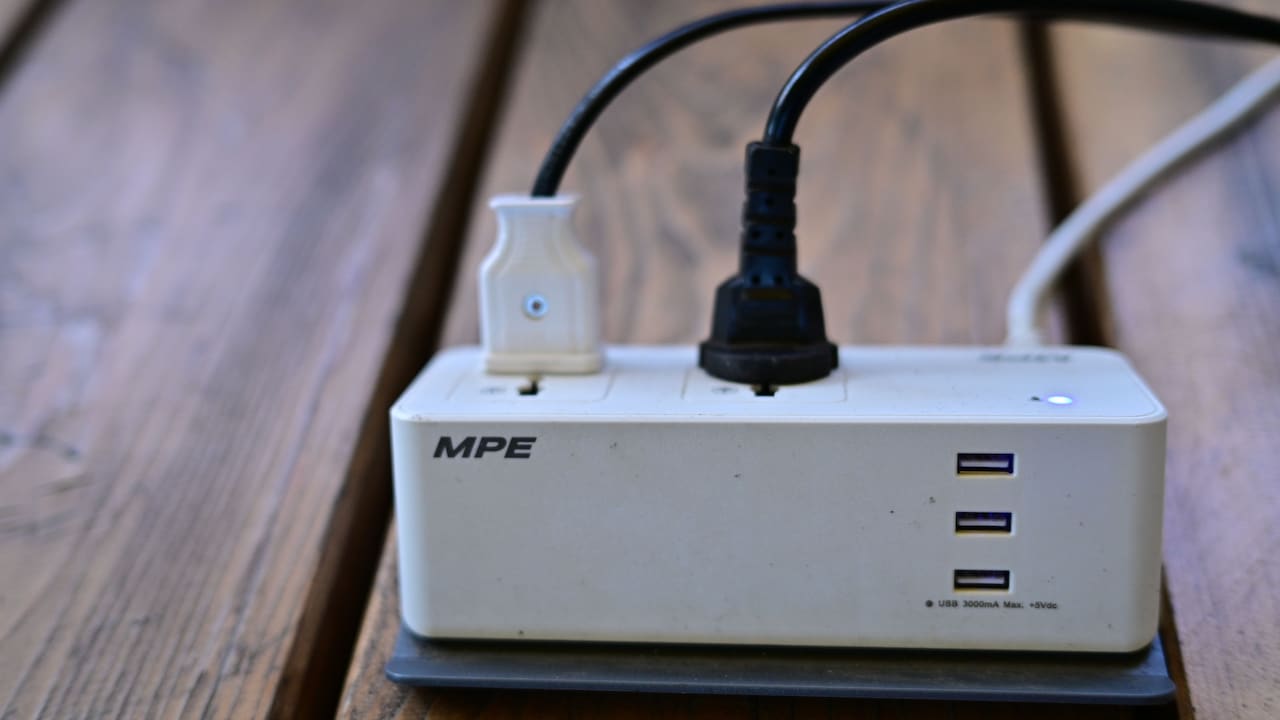
Extension boards quietly run modern homes. One sits beneath the television, another hides behind the computer desk, and a third somehow ends up beside the bed carrying a charger, lamp and perhaps a mosquito repellent. They are so familiar that most people barely notice them until every socket gets occupied. That familiarity can create false confidence. A board may have four, six or eight sockets, but that does not automatically mean every socket can safely power any appliance at the same time. A phone charger and table lamp place very different demands on a circuit compared with an electric kettle, room heater or induction cooktop. Load, heat and the quality of the extension board all play a part.
Extension Board Safety: 10 Common Electrical Myths You Should Know
Photo Credit: Amazon
Electrical myths often survive because unsafe habits do not always cause an immediate problem. A overloaded board might work perfectly for months before a loose connection, ageing cable or hot afternoon turns it into a hazard.
So, before plugging “just one more thing” into that lonely socket, it helps to separate convenient assumptions from safer electrical habits.
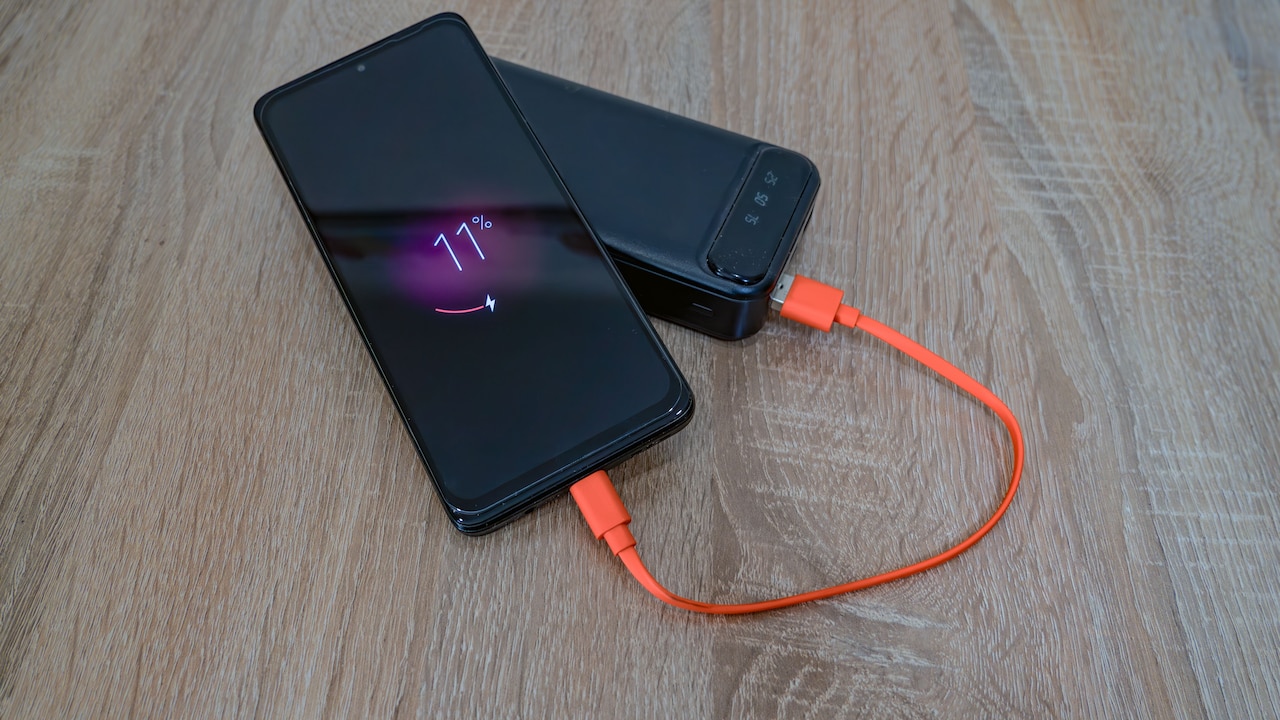
10 Common Electrical-Use Myths You Should Stop Believing
Myth 1: Every Socket On An Extension Board Can Always Be Used Together
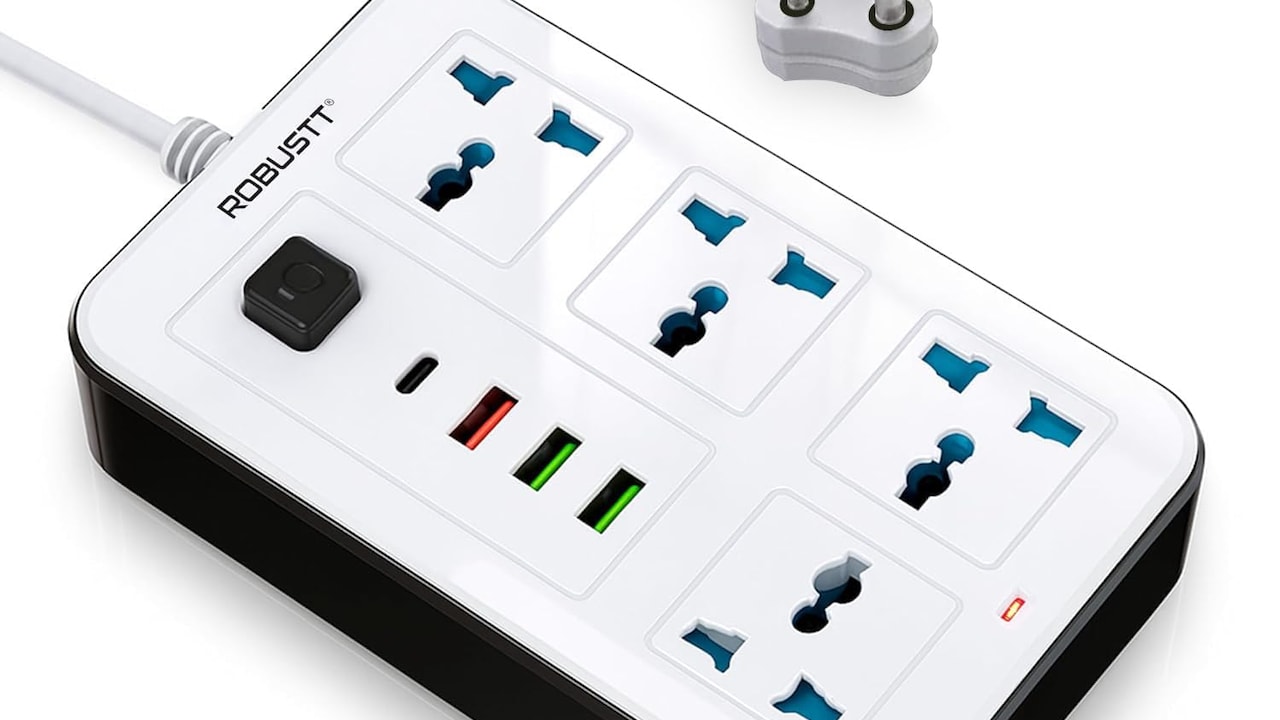
Six sockets do not automatically equal six safe appliances. The real question is how much electrical load those appliances draw together.
Picture a study table. A laptop charger, Wi-Fi router, phone charger and monitor may share an extension board without placing the same demand on it as a kettle, iron and room heater. High-power appliances can push an extension board towards or beyond its rated capacity surprisingly quickly.
Every decent extension board should carry information about its maximum current, voltage or power rating. That rating matters more than the number of socket holes staring invitingly from the plastic casing.
Heat offers another warning. If the board, plug or cable feels unusually warm during normal use, something needs attention. Continuing to add appliances because a socket remains vacant makes little sense.
Think of an extension board like a small lift. Empty standing space does not mean unlimited carrying capacity. The safe limit depends on weight. With electricity, that “weight” comes from the combined electrical load.
Myth 2: Small Appliances Always Use Very Little Power
Physical size can fool the eye. A compact appliance may consume considerably more electricity than a larger-looking gadget.
A Wi-Fi router can sit beside a hefty-looking television and consume only a fraction of its power. Meanwhile, a small electric kettle can demand far more electricity than either device while heating water. Hair dryers, irons, toasters and compact heaters can also draw substantial power despite fitting comfortably on a shelf.
This matters when several appliances share one extension board.
People often judge electrical demand by the number or size of gadgets plugged in. Wattage provides a much better clue. Appliance labels normally show power information, making it easier to understand which devices place heavier demands on the supply.
A crowded board filled with low-power chargers may present less of an overload concern than a seemingly tidy board carrying two or three high-wattage heating appliances.
So, when assessing an extension board, avoid judging the situation like luggage at an airport. Small does not necessarily mean light. In electrical terms, the most innocent-looking appliance in the room can sometimes be the heavyweight.
Also Read: 5 Extension Boards For Heavy Appliances Under ₹800 On Flipkart
Myth 3: Extension Boards Are Fine For Heaters And Other Heavy Appliances
Extension boards offer convenience, but high-power heating appliances deserve extra caution.
Room heaters, electric irons, kettles, hot plates and similar appliances convert significant electrical energy into heat. That means they can draw substantial current, particularly during extended use. Pairing several of them on one extension board can create excessive heating at the board, cable, plug or wall socket.
A heater beside the sofa provides a familiar example. The nearest wall socket may already serve the television, so an extension board feels like the obvious shortcut. Yet running a heater through a lightweight or poorly made extension board can place far greater stress on it than charging a phone.
Whenever possible, high-power appliances should connect directly to a suitable wall socket designed for their load. The appliance manufacturer's instructions also deserve attention.
Convenience should never outrank electrical capacity.
An extension board works brilliantly for many everyday electronics, but it should not become a universal solution for every appliance with a plug attached. Sometimes the safest extension is no extension at all.
Myth 4: Daisy-Chaining Extension Boards Gives You More Usable Power
One extension board runs out of sockets, so another gets plugged into it. Suddenly four sockets become eight, and the problem appears solved.
Only the socket shortage has disappeared. The available electrical capacity has not magically doubled.
Daisy-chaining, where one extension board plugs into another, can concentrate the combined load through the first board, its cable and the original wall socket. Several modest devices may not look worrying individually, but their total demand can build as more boards and adapters join the chain.
There is another practical problem. Extra plugs create more connection points. Loose contacts, ageing components and poor-quality sockets can generate heat, especially when equipment remains powered for long periods.
The setup can become absurdly elaborate: television, speakers, set-top box, gaming console, chargers and decorative lights all hanging from a growing electrical family tree behind one cabinet.
If a room regularly needs more sockets, a proper electrical solution makes better sense than constructing a plug-and-wire tower. An electrician can assess whether additional fixed outlets or other changes would provide a safer arrangement.
Myth 5: A Fuse Or MCB Makes Overloading Impossible
Protective devices play an essential role, but they do not turn questionable electrical habits into safe ones.
A fuse or miniature circuit breaker, commonly called an MCB, can interrupt electricity when certain fault or overcurrent conditions arise. However, relying on protection to compensate for overloaded extension boards, damaged cables or loose connections misses the point.
Some dangerous conditions can develop gradually. A poor contact inside a plug or socket may create localised heat. A cable trapped beneath furniture may suffer damage over time. A cheap extension board may also handle sustained loads poorly.
Protection should serve as the final line of defence, not permission to experiment with how many appliances one socket can tolerate.
Cars provide a useful comparison. Seat belts and airbags make journeys safer, but nobody treats them as a reason to ignore brakes or speed limits. Electrical protection works in much the same spirit.
Good habits still matter: use suitable equipment, respect ratings, replace damaged accessories and avoid unnecessary overloading. Safety devices work best when everyday behaviour does not continually challenge them.
Myth 6: If The Plug Fits, The Appliance Is Safe To Use
A plug sliding neatly into a socket proves only one thing: the plug physically fits.
It says nothing about whether the socket, extension board or circuit suits the appliance's electrical demand.
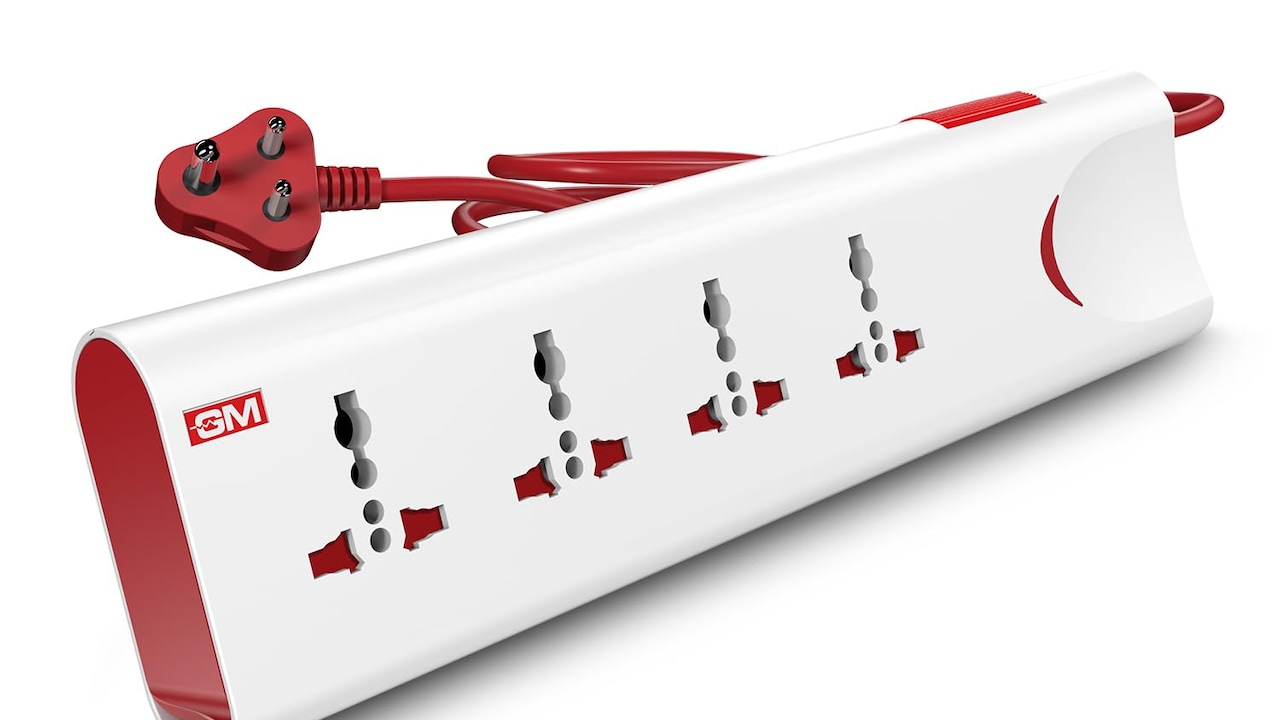
This myth becomes particularly risky when adapters enter the picture. A traveller, renter or household rearranging appliances may use adaptors simply because the shapes match. Yet electrical compatibility involves ratings, earthing, voltage requirements and equipment condition, not just geometry.
High-power appliances deserve particular care. A socket that comfortably runs a phone charger should not automatically be considered suitable for every device simply because an adaptor makes the connection possible.
Loose-fitting plugs also demand attention. If a plug wobbles, slips out easily, sparks repeatedly or leaves dark marks around the socket, continuing to use it can make matters worse.
Electrical connections should feel secure, not like a key loosely rattling inside the wrong lock.
Before connecting unfamiliar equipment, check the appliance requirements and the rating of the outlet or extension device. Electricity has little respect for the popular household rule of “It went in, so it must be fine.”
Extension Board Safety: 10 Common Electrical Myths You Should Know
Photo Credit: Amazon
Myth 7: A Warm Extension Board Is Completely Normal
Electrical equipment can become slightly warm during use, but noticeable or increasing heat should never become background scenery.
Heat often signals resistance or excessive load. A loose connection can create a hot spot. An overloaded extension board can also warm its cable, plug or casing. Poor-quality components may make the problem worse.
The tricky part is familiarity. Something that becomes mildly warmer every evening can slowly feel “normal”, particularly when it has behaved that way for months.
Warning signs deserve attention. An unusually hot plug, burning smell, buzzing noise, discolouration, melting around sockets or crackling sound should not receive another night of service. Disconnect the equipment safely and arrange proper inspection or replacement.
Never cover a working extension board with bedding, cushions, rugs or piles of clothing either. Heat needs somewhere to escape, and soft materials can make an already poor situation worse.
That board tucked under the sofa may improve the room's appearance, but electrical accessories do not benefit from being treated like embarrassing clutter. Keep them visible, ventilated and easy to inspect.
Myth 8: Switching An Appliance Off Means It Uses No Electricity
The little red light disappears, the television screen goes black and the charger stays plugged in. Surely electricity use has stopped completely?
Not necessarily.
Some electronic devices continue drawing a small amount of power in standby mode. Televisions, set-top boxes, game consoles, smart speakers and other connected devices may maintain functions such as remote-control detection, clocks, network connections or rapid start-up features.
Individual standby consumption can be modest, so unplugging one phone charger will not suddenly transform a monthly bill. But several devices running around the clock can add unnecessary consumption over time.
There is also a practical safety angle. Unplugging equipment that will remain unused for a long period reduces the number of permanently energised accessories around the home.
That does not mean turning the house into an unplugging obstacle course every night. Refrigerators, routers, security systems and other equipment may need continuous power.
A sensible approach works better than obsession. Switch off or unplug devices when prolonged standby serves no useful purpose. Small savings may look unimpressive alone, but repeated daily habits have a habit of quietly adding up.
Myth 9: Any Cheap Extension Board Is Good Enough For Chargers And Gadgets
A low price can be tempting, especially when an extension board seems like a simple plastic box with some sockets and a wire. The components hidden inside tell a different story.
Build quality matters. Contacts need to grip plugs properly. Conductors must handle the intended electrical load. The cable requires adequate construction, while switches and protective components need to perform reliably during repeated use.
An extremely cheap board of uncertain origin may save a few hundred rupees at the checkout, yet that saving looks far less impressive beside a damaged laptop charger, scorched socket or repair bill.
Price alone does not prove safety either. Expensive branding cannot replace proper product information and suitable ratings.
Look for clear electrical specifications and credible safety markings, and buy from reliable sellers. Avoid damaged, cracked or suspiciously flimsy products, particularly those with loose sockets straight out of the package.
An extension board often ends up powering equipment worth tens of thousands of rupees. Treating it as the least important item in the setup makes little sense. The humble board deserves more scrutiny than its boring appearance suggests.
Myth 10: Electrical Problems Always Give Plenty Of Warning
Films love dramatic electrical trouble: showers of sparks, lights flickering wildly and smoke pouring from a socket. Real problems do not always announce themselves with such enthusiasm.
A connection can deteriorate slowly. Insulation may suffer damage behind furniture. A plug can loosen through repeated use. Heat can build at a poor connection long before someone notices a smell or visible mark.
That makes routine attention surprisingly valuable.
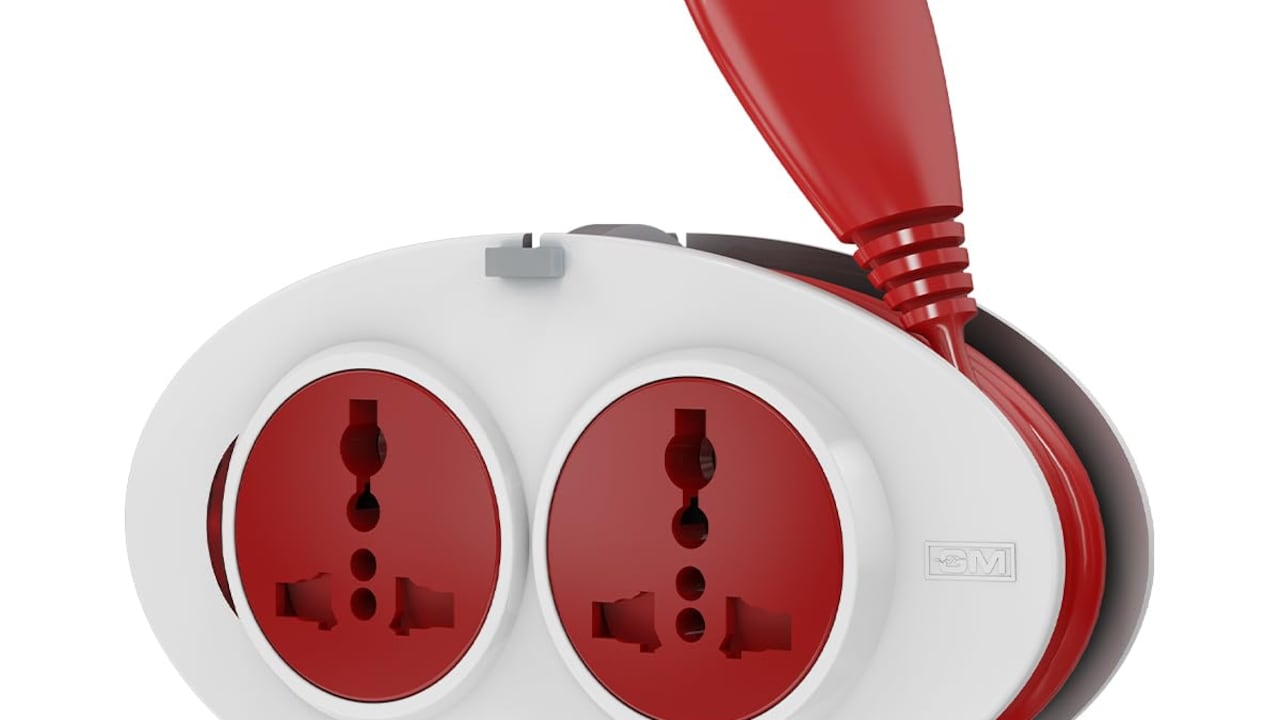
Check extension boards and frequently used plugs from time to time. Look for cracked housings, bent pins, damaged cables, loose sockets, scorch marks or unusual heat. Replace equipment that has clearly reached the end of its useful life rather than repairing it with layers of tape and optimism.
Children and pets add another reason for vigilance. Cables stretched across floors can invite pulling, chewing or tripping, while overloaded boards placed within easy reach create unnecessary risk.
Electricity often behaves quietly until something goes wrong. Safety therefore works best before the warning signs become dramatic. A two-minute inspection today beats discovering the problem through a smell nobody wants drifting across the living room.
Extension Board Safety: 10 Common Electrical Myths You Should Know
Photo Credit: Amazon
Products Related To This Article
1. GM 3060 Extension Board 10Amp Output 250 Volts with 2 Mtr Extension Cord & Surge Protector
2. Portronics Power Plate 7 with 6 USB Port
3. Cablet 250 Volts Extension Board 2500W 10A, 4 Universal Sockets
4. Robustt 4‑Outlet Extension Board with 3 USB
5. Goldmedal Turbomax 8+4 Power Strip
6. Ambrane Foldable Extension Board, 2 Type C & USB, Perfect for Office
7. Hoteon Extension Board with USB, Extension Cord with Suger Protection
So, can every socket on an extension board be used? Sometimes, yes. But the number of available sockets does not determine safety. The combined electrical load, appliance type, extension-board rating, condition of the wiring and quality of the connections matter far more.
That distinction explains why four phone chargers can be a completely different proposition from plugging in a heater, kettle, iron and toaster at once.
Most electrical safety does not require complicated calculations or nervousness around every switch. It comes down to sensible habits. Respect equipment ratings, keep high-power appliances away from unsuitable extensions, avoid daisy-chaining boards, replace damaged accessories and pay attention to unusual heat, smells or sounds.
The most dangerous electrical myths often sound wonderfully convenient. “There is an empty socket, so why not use it?” sits comfortably near the top of that list. An empty socket is an option, not a promise. And when electricity is involved, leaving one socket unused is far cheaper than finding out why it should have stayed that way.
(Disclaimer: This article may include references to or features of products and services made available through affiliate marketing campaigns. NDTV Convergence Limited (“NDTV”) strives to maintain editorial independence while participating in such campaigns. NDTV does not assume responsibility for the performance or claims of any featured products or services.)