Budget Soundbars vs Bluetooth Speakers: What Improves TV Audio?
Flat TVs look great but sound weak. Should you choose a budget soundbar or a Bluetooth speaker to fix it? This guide breaks down which option actually improves your TV audio experience.
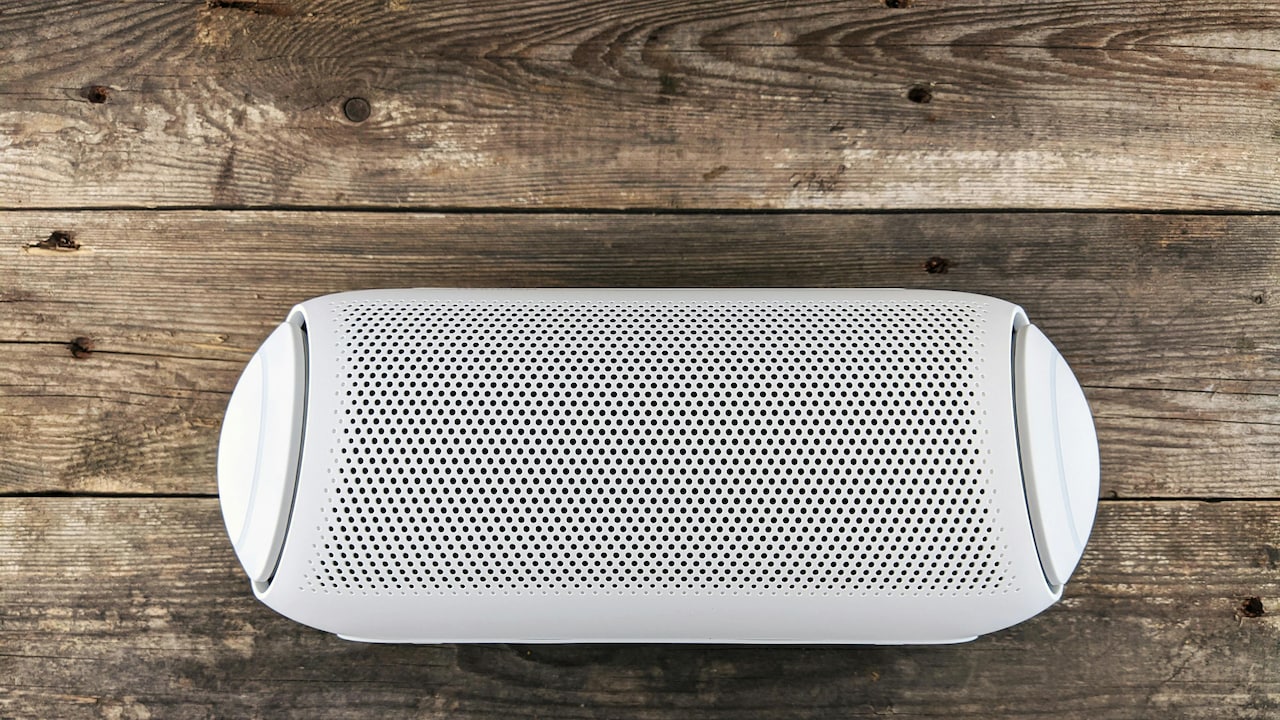
Budget Soundbars vs Bluetooth Speakers: Which Is Better For TV Audio
A brand-new television sits proudly in the living room, its display crisp and vibrant. Then the first movie plays. Within minutes, disappointment creeps in. Voices sound distant, bass feels non-existent, and the overall experience lacks depth. It's a common frustration. Manufacturers slim down smart TVs, but sacrifice audio quality in the process.
That's where external audio devices step in. Budget soundbars and Bluetooth speakers have become popular choices, especially for those unwilling to spend ₹20,000 or more on premium home theatre systems. Both promise better sound without complicated setups. Both claim to transform movie nights and weekend binge sessions.
Yet, the question lingers: which one actually improves TV audio in a meaningful way? The answer isn't as straightforward as marketing brochures suggest. It depends on room size, usage habits, expectations, and even patience with cables.
Let's explore this debate through ten practical lenses, each reflecting real-life scenarios and everyday experiences.
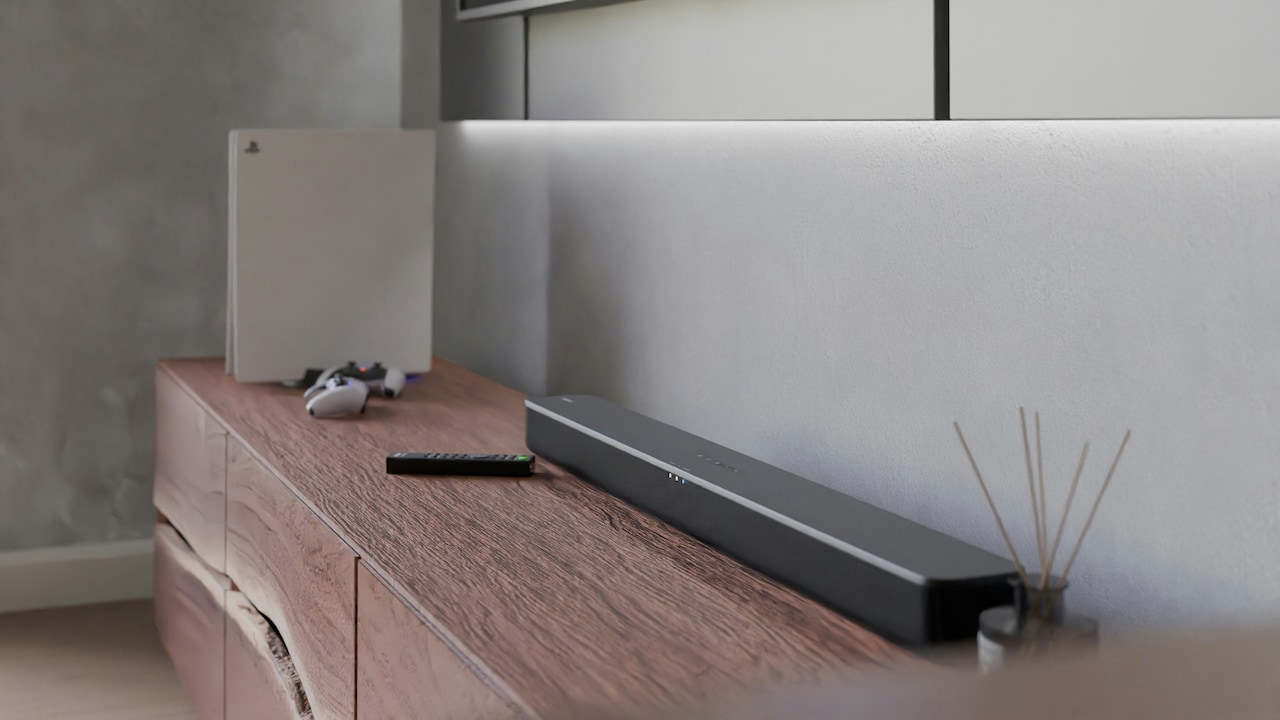
Budget Soundbars vs Bluetooth Speakers: Which Is Better For TV Audio; Photo Credit: Pexels
Key Differences That Shape Your TV Audio Experience
Designed For TVs Portability
Soundbars exist for one purpose: enhancing television audio. Their long, slim design fits neatly under the TV, aligning sound direction with the screen. This simple detail makes a noticeable difference. Dialogue feels anchored to the visuals, not floating somewhere in the room.
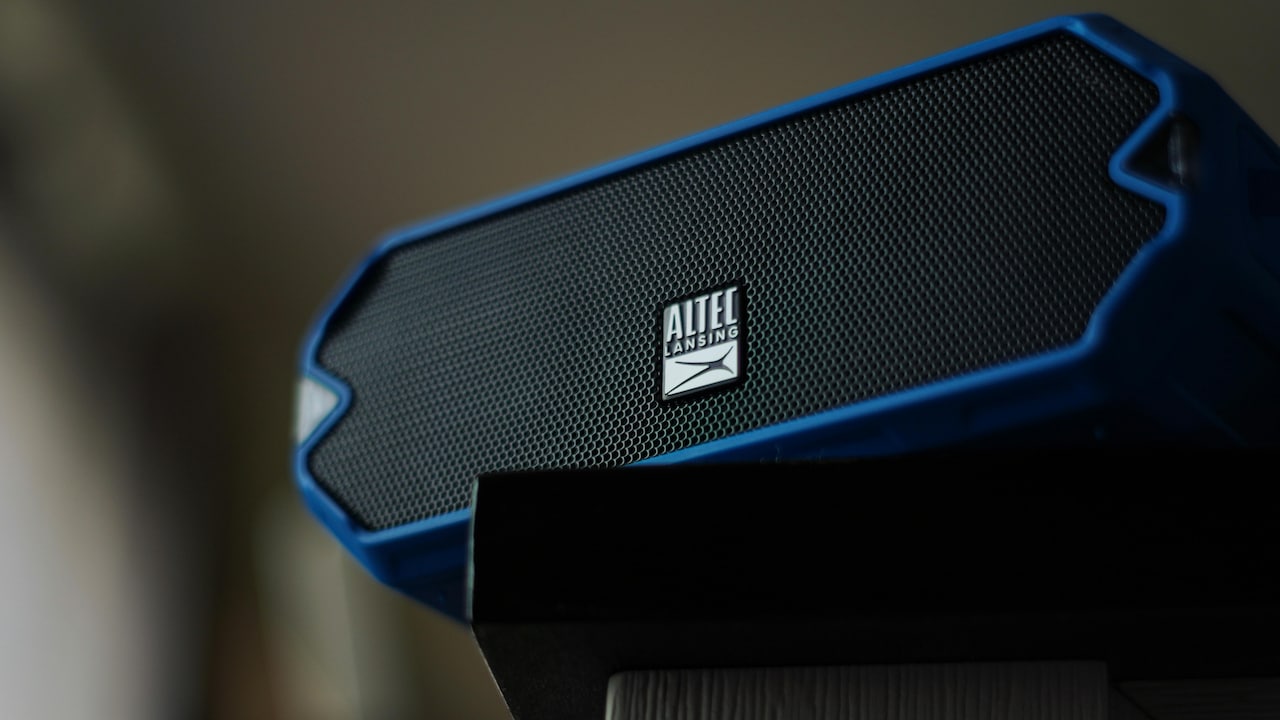
Bluetooth speakers, on the other hand, prioritise portability. They travel from bedroom to balcony to picnic spot. That flexibility makes them attractive, especially in smaller homes. However, their design rarely complements TV viewing. Sound often disperses unevenly, depending on where the speaker sits.
Imagine a late-night film session. A soundbar delivers audio straight ahead, filling the room evenly. A Bluetooth speaker, placed slightly off-centre, might leave one side louder than the other.
The intention behind design matters. A tool built for a specific job usually performs better in that role. While Bluetooth speakers offer convenience, soundbars bring purpose-driven performance to TV audio.
Clarity Of Dialogue And Everyday Viewing
Dialogue clarity often separates enjoyable viewing from constant frustration. News channels, web series, and daily soaps rely heavily on speech. When voices sound muffled, even the best storyline loses impact.
Budget soundbars tend to handle dialogue better. Many include dedicated voice enhancement modes. These settings lift speech frequencies, making conversations clearer without raising volume excessively. This proves helpful during late-night viewing when blasting the TV isn't an option.
Bluetooth speakers struggle here. Their tuning often focuses on music playback, boosting bass and treble for a lively feel. While great for songs, this tuning can bury voices under background effects.
Picture a tense courtroom scene. With a soundbar, every word lands sharply. With a Bluetooth speaker, dramatic music might overpower key lines, forcing constant rewinds.
Clarity matters more than sheer loudness. In this regard, soundbars usually deliver a more balanced and satisfying experience for everyday television content.
Also Read: Top 5 Soundbars under ₹7000 with Wireless Subwoofer for Apartment-Friendly Home Theatres
Bass And Cinematic Feel
Action films and sports thrive on impact. The thud of a cricket ball hitting the bat, the rumble of an explosion, or the background score of a thriller—these elements demand strong bass.
Budget soundbars often include built-in subwoofers or support external ones. Even entry-level models manage to produce a fuller, room-filling low end. It may not shake the walls, but it certainly adds weight to the audio.
Bluetooth speakers vary widely. Some compact models surprise with punchy bass, but most struggle to replicate the depth needed for cinematic experiences. Larger speakers perform better, yet they still lack the directional power of a soundbar setup.
Consider a weekend IPL match. A soundbar adds energy to the commentary and crowd noise, making the match feel alive. A Bluetooth speaker may sound loud, but the atmosphere feels flat.
For viewers who enjoy movies and sports, bass plays a crucial role. Soundbars, even budget ones, tend to deliver a more immersive and satisfying low-frequency experience.
Ease Of Setup And Daily Use
No one wants to wrestle with cables after a long day. Ease of setup often determines whether a device becomes a favourite or gathers dust.
Bluetooth speakers win this round in simplicity. Pairing takes seconds. Switch it on, connect, and play. No wires, no confusion. This makes them appealing for those who prefer minimal effort.
Soundbars require a bit more setup. HDMI ARC, optical cables, or AUX connections come into play. The process isn't complicated, but it demands a few extra steps. Once connected, though, the experience becomes seamless. The TV remote often controls volume directly.
Imagine setting up audio for elderly family members. A Bluetooth speaker might feel easier initially. But a soundbar, once installed, becomes almost invisible in operation.
Convenience matters, but consistency matters more. While Bluetooth speakers offer quick wins, soundbars provide a more integrated and hassle-free experience over time.
Budget Soundbars vs Bluetooth Speakers: Which Is Better For TV Audio; Photo Credit: Pexels
Latency And Lip Sync Issues
Nothing breaks immersion faster than audio lag. When lips move before sound arrives, the experience feels off instantly.
Soundbars connected via HDMI ARC or optical cables maintain near-perfect synchronisation. The audio matches the visuals closely, ensuring a natural viewing experience.
Bluetooth speakers, however, often face latency issues. Even with modern Bluetooth versions, slight delays can occur. While barely noticeable in music playback, this delay becomes obvious during dialogue-heavy scenes.
Picture watching a suspense thriller. A character whispers something crucial, but the audio arrives a fraction of a second late. The moment loses impact.
Some TVs offer delay adjustments, but not all users want to tweak settings constantly. For those seeking a plug-and-play solution with reliable sync, soundbars hold a clear advantage.
Space And Room Considerations
Living spaces vary widely. Some homes feature compact rooms, while others offer larger viewing areas.
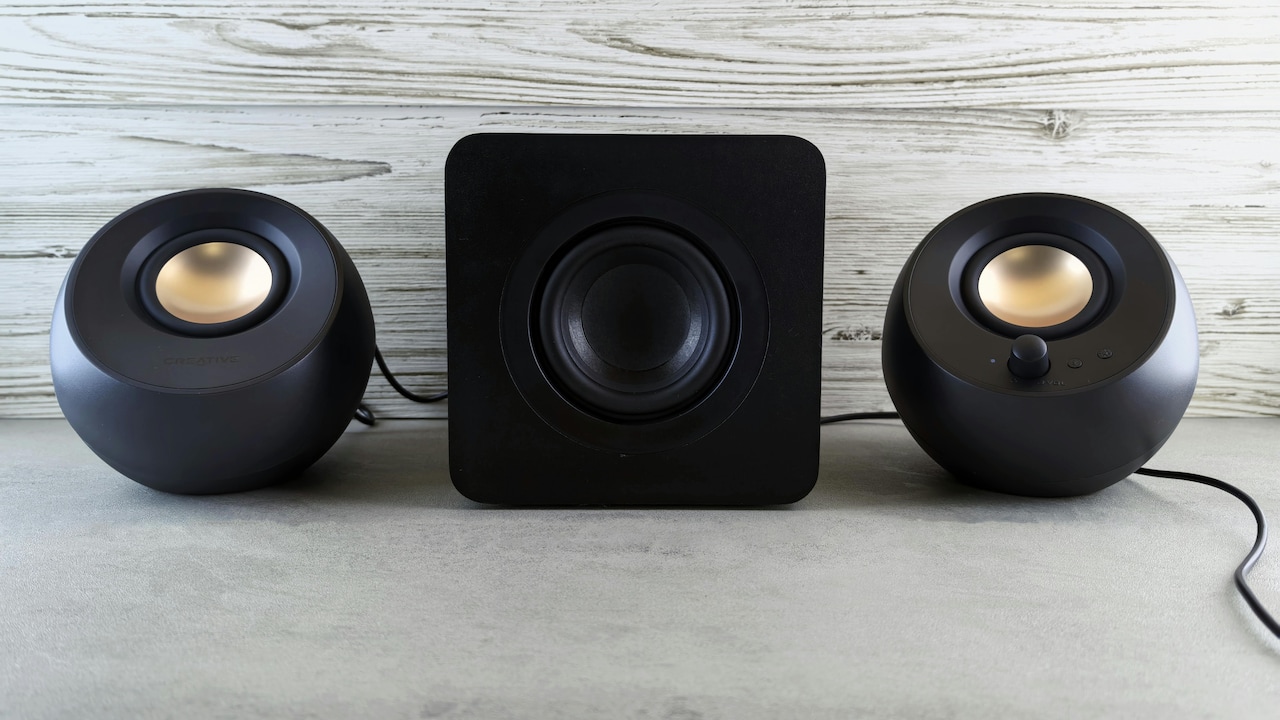
Soundbars suit medium to large rooms. Their elongated design spreads sound horizontally, covering a wider listening area. This ensures consistent audio, even when multiple people watch together.
Bluetooth speakers shine in smaller spaces. Their compact size fits easily on a shelf or bedside table. In a tight room, they can sound surprisingly powerful.
Imagine a small studio apartment. A Bluetooth speaker might suffice, delivering adequate sound without clutter. In a larger living room, however, it may struggle to fill the space evenly.
Room size influences performance more than expected. Choosing the right device means matching it to the environment, not just the budget.
Versatility Beyond Television
Audio devices rarely serve a single purpose. Music playback, phone calls, and even outdoor use come into play.
Bluetooth speakers excel in versatility. They move effortlessly from indoor to outdoor settings. A weekend gathering on the terrace or a quick playlist in the kitchen—these scenarios suit them perfectly.
Soundbars remain mostly stationary. Their strength lies in enhancing TV audio, not mobility. Some models support Bluetooth, allowing music streaming, but they rarely leave the living room.
Think of a festive evening. A Bluetooth speaker doubles as a party companion. A soundbar stays put, focused on the TV.
Versatility adds value, especially for those who enjoy multi-purpose gadgets. Yet, when the primary goal is better TV audio, soundbars still lead the way.
Budget Soundbars vs Bluetooth Speakers: Which Is Better For TV Audio; Photo Credit: Pexels
Price And Value For Money
Budget plays a crucial role in decision-making. Both options offer models under ₹5,000, making them accessible.
Bluetooth speakers often deliver more features at lower prices. Portability, battery life, and rugged designs add to their appeal. For casual users, this feels like great value.
Soundbars, even at similar price points, prioritise audio enhancement for TV. The value lies in improved clarity, better bass, and a more immersive experience.
Consider spending ₹4,000. A Bluetooth speaker offers flexibility and decent sound. A soundbar transforms the TV experience noticeably.
Value depends on priorities. If the goal revolves around television viewing, soundbars justify their cost more effectively. For general use, Bluetooth speakers may seem more appealing.
Aesthetic Appeal And Living Room Setup
Modern homes often focus on aesthetics. Gadgets must blend seamlessly with the décor.
Soundbars complement televisions beautifully. Their sleek design sits neatly below the screen, creating a clean and organised look. Wires remain minimal, especially with wall-mounted setups.
Bluetooth speakers vary in design. Some look stylish, while others feel out of place in a formal living room. Their placement often appears temporary rather than integrated.
Picture a well-arranged entertainment unit. A soundbar enhances the visual symmetry. A Bluetooth speaker might disrupt the balance slightly.
While aesthetics may not affect performance, they influence overall satisfaction. A device that looks right often feels right too.
Long-Term Satisfaction And Upgradability
Audio preferences evolve over time. What feels sufficient today may seem lacking later.
Soundbars offer better upgrade paths. Some models support additional subwoofers or rear speakers, allowing gradual improvements. This flexibility extends their lifespan.
Bluetooth speakers rarely offer such expansion. Upgrading usually means replacing the device entirely.
Imagine starting with a basic setup and slowly building a richer audio system. Soundbars support this journey more naturally.
Long-term satisfaction often comes from adaptability. Devices that grow with changing needs tend to deliver better value over time.
Products Related To This Article
1. Boat Aavante Bar 490 10W Signature Sound
2. Dubstep Pop 1200 with Upto 16 Hrs Playtime
3. ZEBRONICS 90 Watts, Compact Soundbar, Home Theatre, Dual Driver Soundbar
4. Tribit Updated Version XSound Go Wireless Bluetooth 5.3 Speakers with Loud Stereo Sound
5. ZEBRONICS Astra 35, Portable Bluetooth Speaker
Choosing between a budget soundbar and a Bluetooth speaker isn't about picking the “better” device in general. It's about selecting the right tool for the intended purpose.
For television audio, soundbars consistently deliver a more immersive, balanced, and reliable experience. They enhance dialogue clarity, improve bass, and maintain perfect synchronisation. They feel like a natural extension of the TV.
Bluetooth speakers, while impressive in their own way, cater to flexibility and portability. They shine in casual listening and social settings, but fall short in delivering a truly cinematic experience.
The decision ultimately rests on priorities. For those tired of straining to hear dialogue or craving richer sound during movie nights, a budget soundbar offers a noticeable upgrade. For those who value mobility and multi-purpose use, a Bluetooth speaker remains a practical choice.
In the end, better TV audio isn't just about louder sound. It's about clarity, depth, and connection to what unfolds on screen. And that's where the right choice makes all the difference.
(Disclaimer: This article may include references to or features of products and services made available through affiliate marketing campaigns. NDTV Convergence Limited (“NDTV”) strives to maintain editorial independence while participating in such campaigns. NDTV does not assume responsibility for the performance or claims of any featured products or services.)