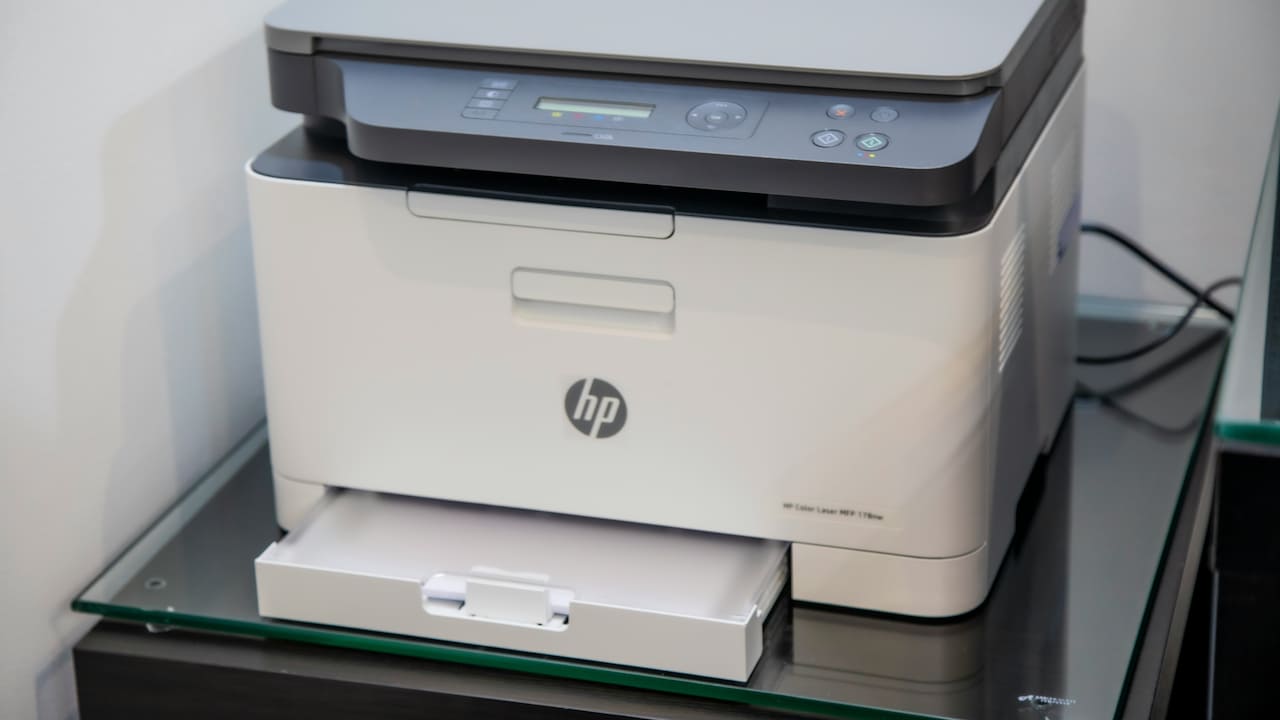
Extension Boards Heating Up? How To Use Them Safely
A heating extension board is more than an inconvenience; it can signal overload, faulty wiring, or fire risk. Smart usage, regular checks and safe habits can keep homes protected.
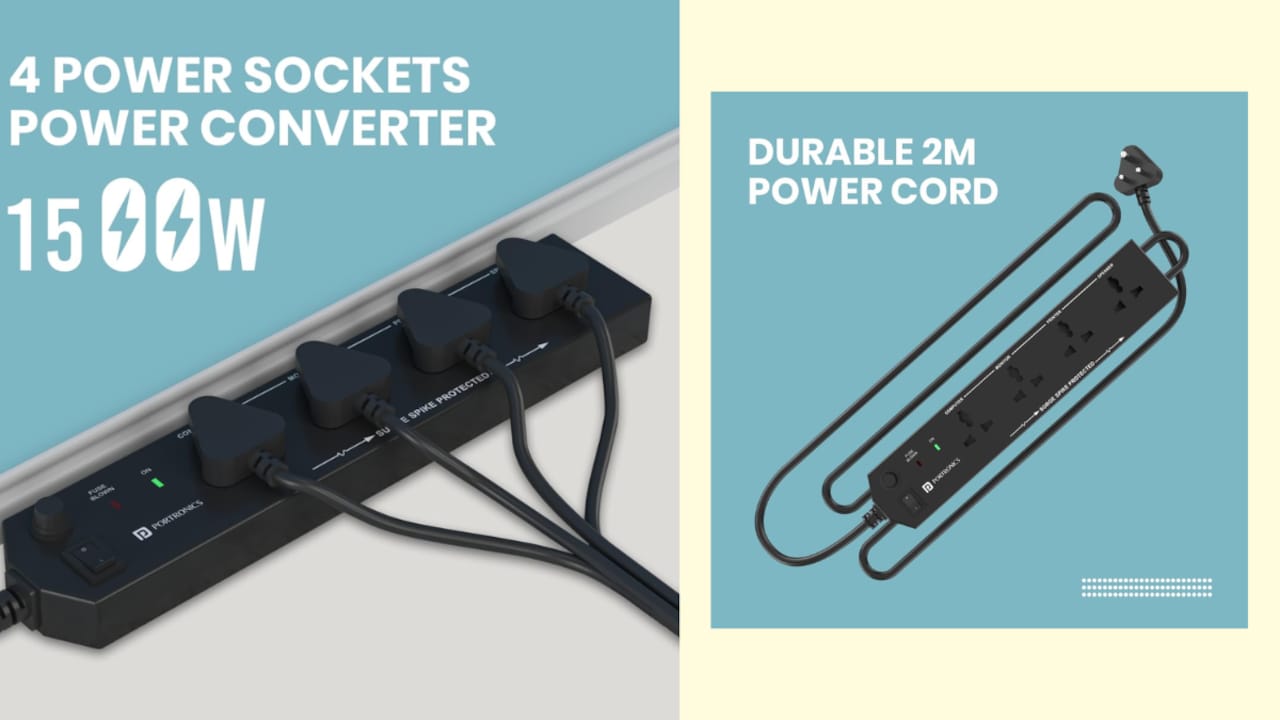
Helpful tips to prevent your extension board from heating up
In many households, extension boards are everyday essentials. With countless devices competing for charging spots, these practical tools seem like lifesavers. Whether it's a study corner buzzing with laptops and phones or festive lights brightening up celebrations, extension boards often bear more responsibility than they should. Yet, that little board is not invincible. Overloading, poor-quality wiring, and careless habits can push it beyond safe limits. A warm extension board may appear harmless at first, but it can signal serious electrical trouble brewing beneath the surface.
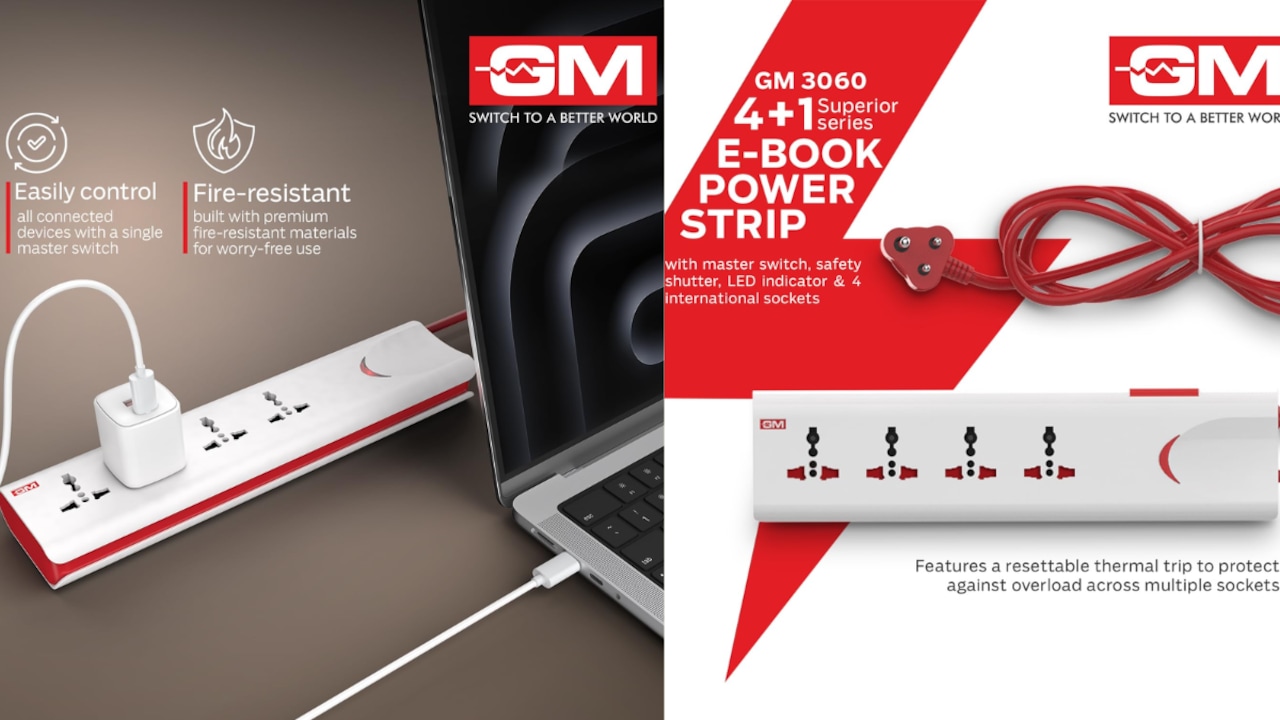
Read why do some extension boards heat up quicker than others; Photo Credit: Amazon
Electrical safety rarely grabs attention until something goes wrong. A faint burning smell, melted plastic, or sudden sparks can transform a regular evening into a costly disaster. Fortunately, avoiding these dangers does not require technical expertise. A few mindful practices can go a long way in keeping homes safer.
Understanding extension board safety is not about fear; it is about smarter living. With the right precautions, these devices can remain helpful without becoming hazardous.
Also Read: More Sockets, Less Hassle With Extension Boards For Everyday Need
Everyday Habits That Keep Extension Boards Safe And Reliable
Why Extension Boards Heat Up In The First Place
Extension boards heat up mainly because of excessive electrical load. Every board comes with a specific power capacity, and plugging in multiple high-energy devices can exceed that limit quickly. Imagine running a microwave, an electric kettle, and a room heater from the same board. That setup can strain the wiring and create dangerous heat buildup.
Poor internal wiring also plays a major role. Low-cost extension boards may save money initially, but they often compromise on copper quality and insulation. Over time, this can lead to overheating even with moderate usage.
Loose plugs can create resistance, too. When a plug does not fit snugly, electricity struggles to flow smoothly, generating extra heat. It's a bit like traffic congestion on a busy road; friction increases, and problems follow.
Sometimes, environmental factors matter as well. Dust accumulation, humid conditions, or placing boards under rugs can trap heat and worsen the issue.
Recognising these causes early helps prevent bigger electrical mishaps later.
Choose Quality Over Cheap Bargains
A ₹200 extension board from a roadside stall may seem tempting, especially when budgets feel tight. However, electrical safety is not an area for risky shortcuts. Inferior boards often use flimsy materials, weak connections, and inadequate surge protection.
Reliable brands usually invest in safety certifications, better insulation, and fire-resistant materials. Features like overload protection and automatic shut-off switches can make a significant difference during power surges.
While premium options may cost more upfront, they can prevent expensive appliance damage or fire hazards. Spending ₹800 to ₹1,500 on a quality extension board is often far wiser than risking devices worth tens of thousands.
Packaging should clearly display wattage ratings and safety approvals. If these details are missing, that's usually a red flag.
Think of it like buying a helmet. The cheaper version may look similar, but when real danger strikes, quality determines protection.
A dependable extension board offers peace of mind that no bargain can truly match.
Never Overload Your Extension Board
One of the most common mistakes is treating extension boards like endless power sources. They are convenient, but they have limits.
High-power appliances such as refrigerators, induction cooktops, irons, and air fryers draw substantial electricity. Connecting several such devices to one board can overload circuits within minutes. Heat builds up, wires strain, and fire risks rise dramatically.
A good rule is to reserve extension boards for low-to-medium power devices like chargers, laptops, televisions, or lamps. Large appliances deserve dedicated wall sockets.
Many people underestimate cumulative wattage. A fan, a desktop computer, and a phone charger may seem harmless individually, but together they can exceed safe thresholds depending on board quality.
Reading the manufacturer's wattage recommendations can help avoid dangerous assumptions.
When in doubt, less is safer. If an extension board starts warming noticeably, unplug some devices immediately.
Convenience should never outweigh caution, especially when electricity is involved.
Avoid Daisy Chaining At All Costs
Plugging one extension board into another might appear clever during festive seasons or home office setups, but this practice, known as daisy chaining, is highly unsafe.
Each additional board increases electrical resistance and multiplies the load on the original outlet. This can rapidly overheat wiring hidden behind furniture or curtains.
Daisy chaining often creates an illusion of expanded capacity without actually increasing safe power distribution. It's similar to stacking multiple passengers onto a scooter designed for two people. Sooner or later, something gives way.
This habit becomes especially risky during celebrations when decorative lights, speakers, and appliances all compete for electricity.
Instead of chaining boards together, installing additional wall sockets through a licensed electrician offers a much safer solution.
A proper setup may cost a little more initially, but it dramatically reduces long-term hazards.
Electrical systems function best when designed thoughtfully, not improvised under pressure.
Keep Extension Boards In Open, Ventilated Spaces
Placement matters more than many realise. Extension boards hidden beneath carpets, mattresses, or piles of clothes can trap dangerous heat.
When airflow gets restricted, even moderate electrical activity can cause temperatures to rise. Fabric materials also increase fire risk if sparks occur.
Boards should always remain in open areas with proper ventilation. Positioning them on hard surfaces allows heat to dissipate more effectively.
Dust is another hidden enemy. Over time, dust particles can enter sockets and interfere with connections, increasing resistance and heat. Regular cleaning with dry cloths can help maintain safer operation.
In monsoon-prone regions, moisture adds another layer of concern. Wet floors or damp walls near extension boards can trigger short circuits.
Simple placement choices can significantly improve safety.
An extension board should never feel like something to hide away carelessly. Treating it as an active electrical device rather than a passive accessory changes everything.
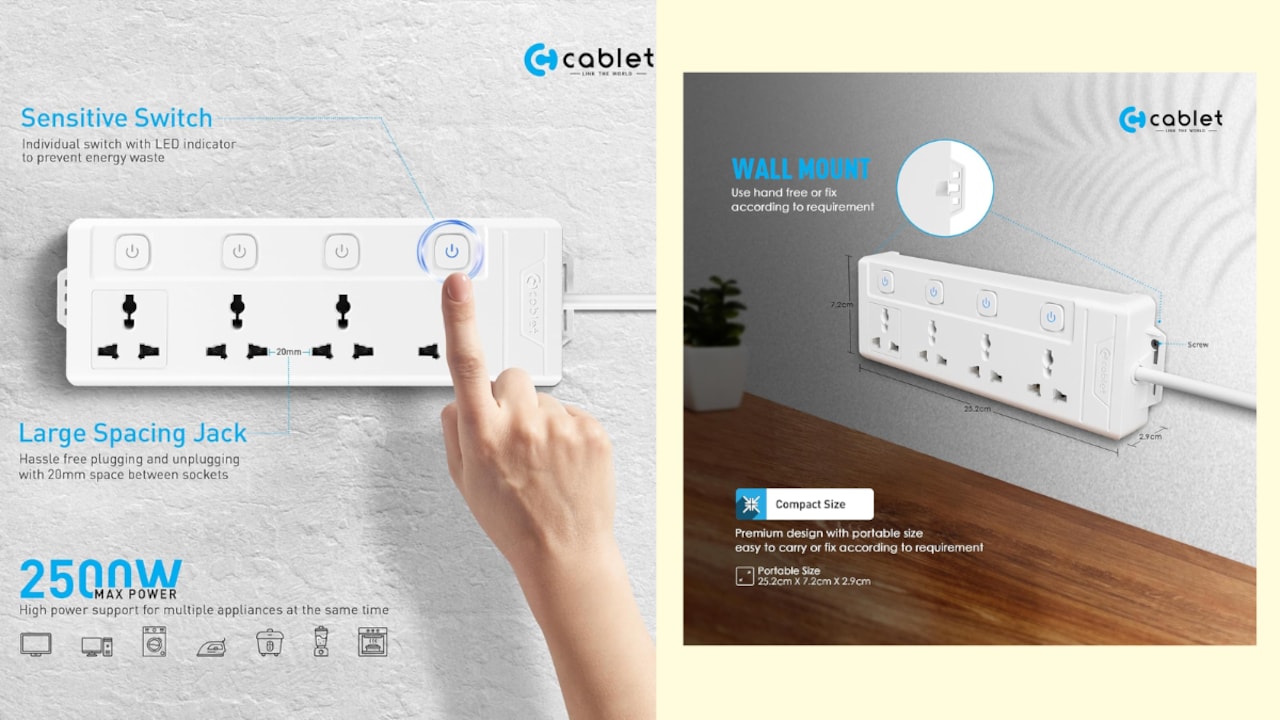
Placing the board in a poorly ventilated spot can also cause heating issues; Photo Credit: Amazon
Inspect Cords And Plugs Regularly
Electrical wear and tear often develops gradually. Frayed wires, bent plugs, cracked plastic, or scorch marks may seem minor, but can indicate serious danger.
Regular inspection takes only a few moments but can prevent major accidents. If cords show visible damage, replacement is usually safer than repair.
Tape fixes may appear practical, but they rarely restore proper insulation. Temporary solutions often create false confidence while risks remain.
Plug points should fit securely without wobbling. Loose connections generate heat and can spark unexpectedly.
Children and pets can also unintentionally damage cables through chewing or rough handling, making frequent checks even more important.
A monthly safety glance can reveal issues before they escalate.
Electrical equipment ages just like any household item. Ignoring visible warning signs rarely ends well.
Unplug Devices When Not In Use
Many devices continue drawing power even when switched off. This standby energy usage not only increases electricity bills but can also contribute to gradual heating.
Phone chargers, televisions, and gaming consoles often remain plugged in unnecessarily for hours or days. Over time, this constant power flow can strain extension boards.
Unplugging devices when not needed reduces electrical load and improves safety. It also helps during sudden voltage fluctuations, which can damage sensitive electronics.
During thunderstorms or power cuts, unplugging extension boards entirely offers extra protection.
This habit may feel small, but it can save money and lower fire risks simultaneously.
Energy conservation and electrical safety often go hand in hand.
Use Surge Protectors For Valuable Electronics
Not all extension boards provide surge protection. Standard boards merely expand socket access, while surge protectors actively shield electronics from voltage spikes.
Power fluctuations remain common in many cities and towns, especially during heavy rains or peak summer demand. These sudden surges can damage laptops, smart TVs, or gaming systems within seconds.
Investing in surge-protected boards adds an important layer of defence. Though slightly costlier, they help protect expensive devices from unpredictable electrical instability.
Checking joule ratings and protection features before purchase ensures better reliability.
For home offices or entertainment setups, surge protection is particularly worthwhile.
Protecting electronics worth ₹50,000 or more with a properly rated board simply makes practical sense.
Teach Family Members Safe Usage Habits
Electrical safety works best when everyone at home understands the basics. Children, elderly family members, and domestic helpers may unknowingly misuse extension boards.
Simple household guidelines can make a significant difference. Avoid touching plugs with wet hands, never force oversized plugs into sockets, and report unusual smells or sparks immediately.
Creating awareness builds safer daily habits.
Festive periods often involve temporary lighting setups, making family-wide caution even more important.
Safety is rarely about one person's vigilance alone. Shared understanding strengthens protection for everyone.
Conversations about electricity need not feel intimidating. A practical, approachable mindset often works best.
Know When To Replace An Old Extension Board
Extension boards do not last forever. Years of repeated use gradually weaken internal wiring and socket grip.
If a board frequently overheats, emits buzzing sounds, or shows physical wear, replacement is often the safest option.
Old boards may lack modern safety standards, making them more vulnerable to overload and short circuits.
Replacing outdated equipment every few years, especially for heavily used boards, can significantly improve household safety.
The cost of replacement remains minor compared to potential losses from fire or damaged appliances.
Sometimes, prevention simply means knowing when to let go of worn-out tools.
Products Related To This Article
1. GM 3041 Trio 2-Pin Flex Box with 5M Copper Cord
2. Cablet 250 Volts Extension Board 2500W 10A
3. Ant Esports PS400 Power Strips with 4 Universal Socket
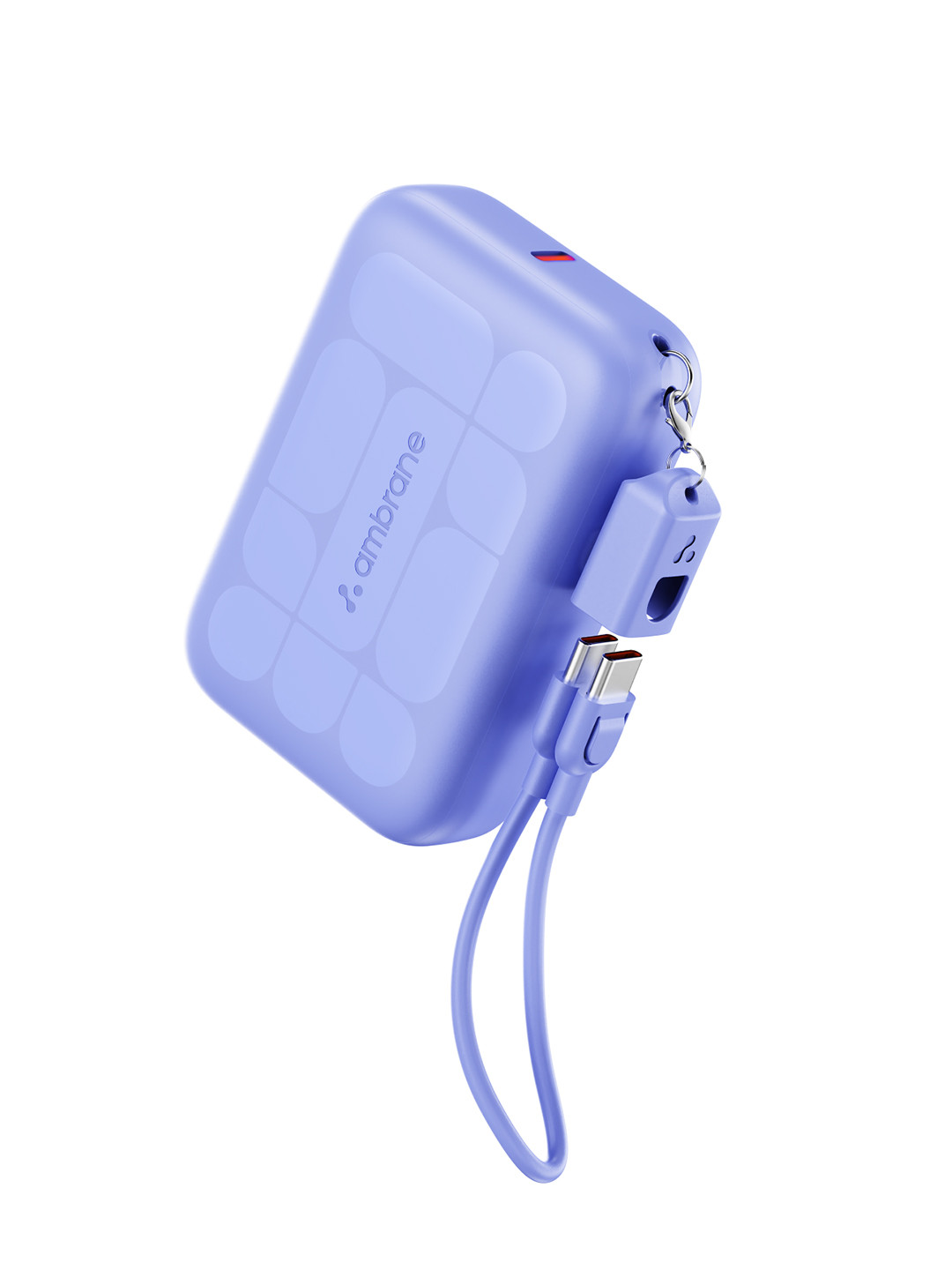
4. Ambrane Extension Board, 4 Type C
5. Acer PowerHub Smart
Extension boards may seem ordinary, but their safe use carries extraordinary importance. In homes filled with growing electrical demands, these devices quietly support daily life. However, convenience should never overshadow caution.
From choosing certified products to avoiding overloads and maintaining regular inspections, small habits can create a safer living environment. Electrical accidents often stem from preventable mistakes rather than unavoidable circumstances.
Treat extension boards with the respect any electrical equipment deserves. A little awareness today can prevent significant damage tomorrow.
After all, true comfort at home comes not just from powered devices, but from the peace of knowing they operate safely.
(Disclaimer: This article may include references to or features of products and services made available through affiliate marketing campaigns. NDTV Convergence Limited (“NDTV”) strives to maintain editorial independence while participating in such campaigns. NDTV does not assume responsibility for the performance or claims of any featured products or services.)