How To Choose Weatherproof Security Cameras For Indoor And Outdoor Use
Confused about choosing indoor or outdoor security cameras? Learn how to pick weatherproof models that withstand rain, dust, heat, and daily wear without wasting money.
Best Indoor and Outdoor Security Cameras: How to Choose Weatherproof Models That Survive Rain.
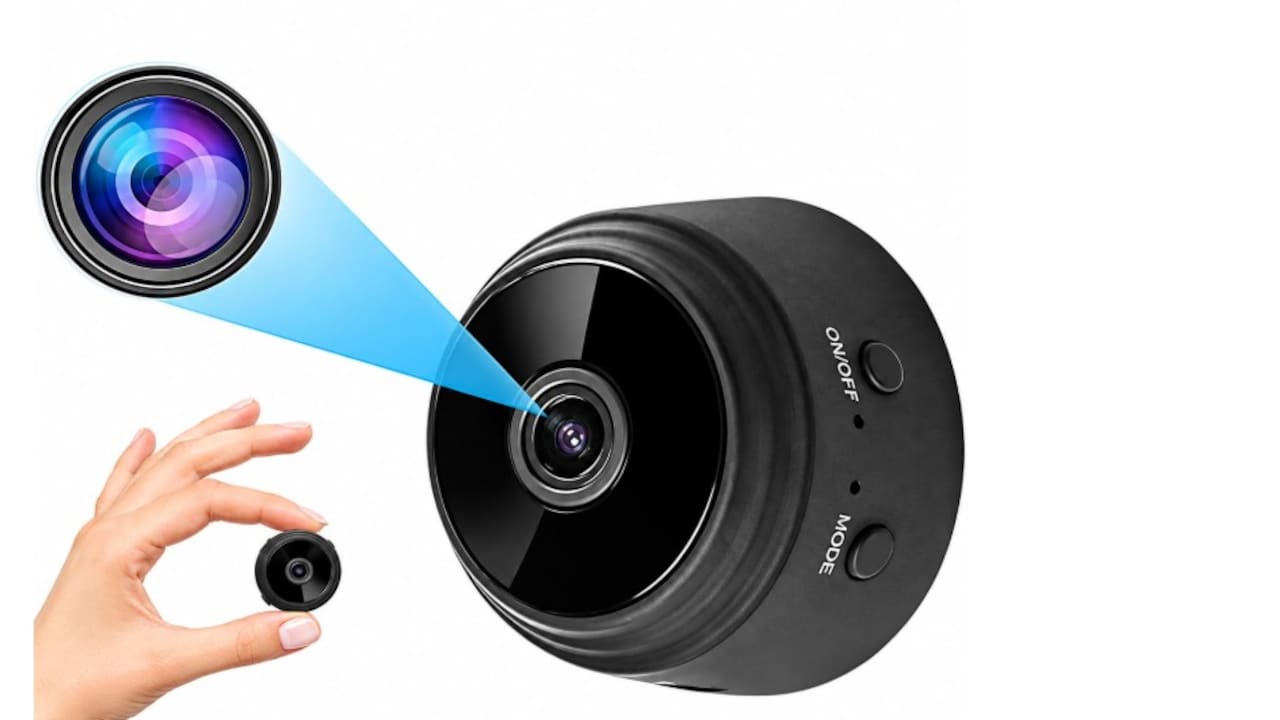
Security cameras once felt like luxury gadgets meant for large villas or office buildings. Times have changed. Compact flats, independent houses, shops, and even small godowns now rely on smart cameras for peace of mind. The challenge lies not in buying a camera, but in choosing one that survives monsoon downpours, dust storms, summer heat, and the occasional power fluctuation. Many people focus on megapixels and forget the basics. A camera that looks impressive online may fail after one heavy rain. Another may record crisp footage indoors but struggle at night. The right choice balances durability, clarity, ease of use, and value for money.

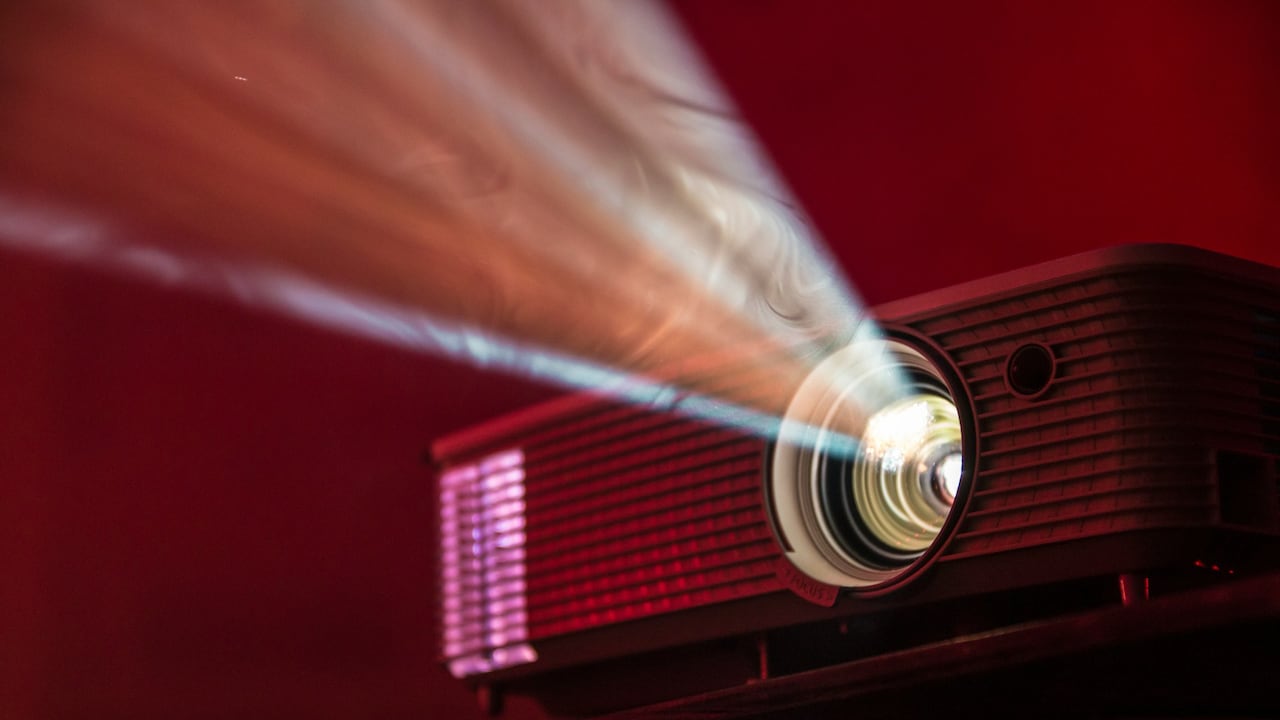
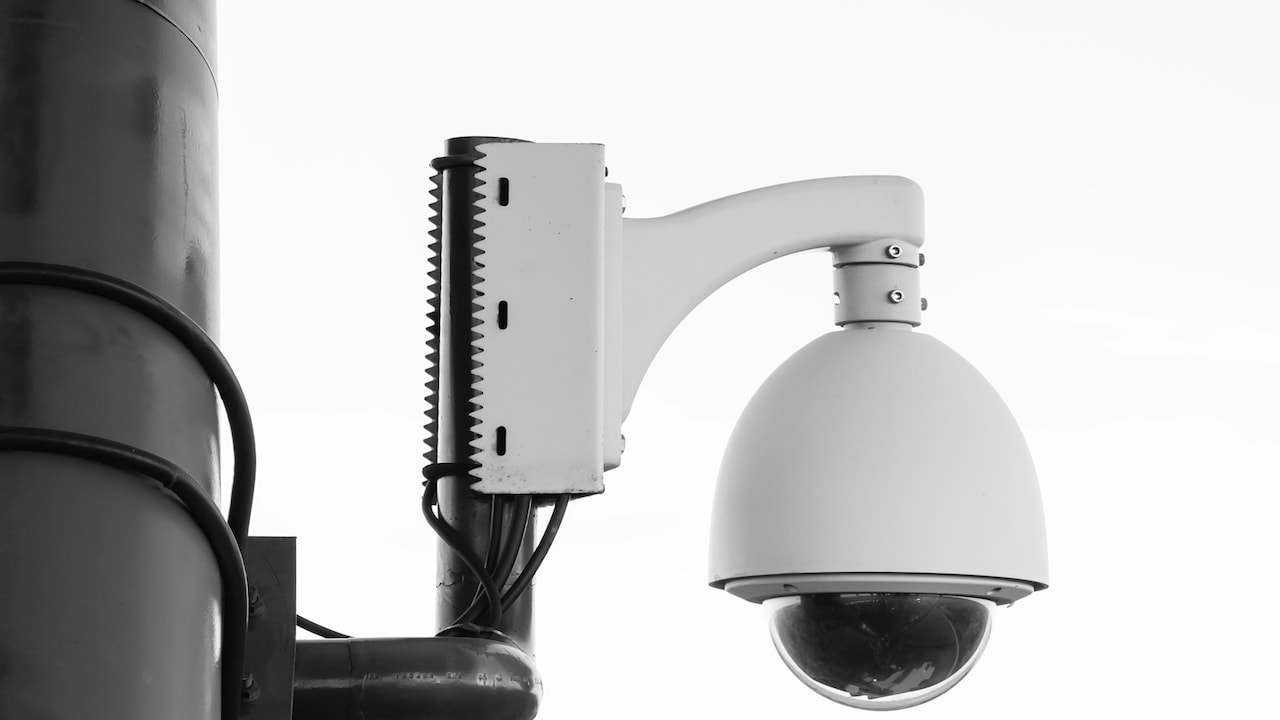
Try these easy tips to find the best weatherproof security cameras for indoor and outdoor use; Photo Credit: Unsplash
This article explores how to choose indoor and outdoor security cameras that truly last, without technical jargon or sales fluff.
Also Read: Secure Your Home Smartly! Top 5 Security Cameras Under ₹2000 Offering Real Protection
Key Factors That Matter Before Buying a Security Camera
1. Understanding the Difference Between Indoor and Outdoor Cameras
Indoor and outdoor cameras serve different purposes, even though they may look similar. Indoor cameras focus on monitoring living spaces, entrances, or nurseries. They prioritise clear audio, wide viewing angles, and smooth connectivity. Outdoor cameras face harsher conditions. Rain, dust, heat, insects, and even the odd cricket ball test their strength daily.
Outdoor models come with sealed casings and tougher materials. Many include metal housings or thick plastic shells. Indoor cameras often look sleek and blend with décor, while outdoor ones lean towards function over form. Using an indoor camera outside usually leads to disappointment. Moisture creeps in, lenses fog up, and electronics fail.
Placement also matters. Indoor cameras work well at eye level, while outdoor cameras perform best when mounted higher. This reduces tampering and improves coverage. Choosing the right type from the start saves money and frustration later.
2. Why Weatherproof Ratings Matter More Than Brand Names
A well-known brand name may feel reassuring, yet weatherproof ratings reveal the real story. Look for an IP rating, which shows how well a camera resists dust and water. An IP65 rating handles dust and water jets. IP66 or IP67 offers stronger protection, suitable for heavy rain.
In cities with unpredictable weather, these ratings matter more than fancy packaging. A camera without proper sealing may work fine for months, then fail during peak monsoon season. Repairs often cost nearly as much as replacement.
Dust protection matters just as much. Construction work, dry winds, and pollution clog lenses and vents. Cameras with higher dust resistance maintain clear footage longer. A weatherproof rating acts like an umbrella and mask combined, shielding the camera from daily abuse.
3. Choosing Cameras That Handle Heat and Humidity
Heat remains an underrated enemy of electronics. Summers push temperatures beyond comfort levels, especially on terraces and outer walls. Cheap cameras often overheat, causing lag, blurry footage, or sudden shutdowns.
Look for cameras rated for high operating temperatures. Many reliable models function smoothly between -10°C and 50°C. Ventilation design also plays a role. Cameras with heat-dissipating materials last longer in direct sunlight.
Humidity creates another challenge. Moist air sneaks into poorly sealed cameras, leading to condensation on lenses. Foggy footage ruins surveillance, especially at night. Weatherproof cameras with silica protection or sealed lenses handle humidity better. Choosing such models ensures consistent performance through sticky summers and damp evenings.
4. Night Vision That Works Beyond Marketing Claims
Night vision often seals the deal during purchase. Yet not all night vision works equally well. Infrared LEDs allow cameras to see in complete darkness, but quality varies widely. Some cameras show clear faces. Others capture ghostly shapes.
Check the night vision range. Ten metres suits small spaces. Outdoor areas benefit from 20 metres or more. Colour night vision adds value, using low light and sensors to show colour footage after sunset. This helps identify clothing or vehicles more easily.
Glare also affects night footage. Cameras placed near reflective walls or metal grills may suffer from washed-out images. Adjustable infrared intensity helps reduce this issue. Reliable night vision turns a camera from decorative gadget into a true security tool.
5. Wired vs Wireless: Stability Versus Convenience
Wireless cameras attract attention due to their easy installation. No drilling for cables feels tempting, especially in rented homes. These cameras rely on Wi-Fi and need strong network coverage. Weak signals cause lag or missed recordings.
Wired cameras offer stable connections and uninterrupted recording. They suit permanent installations and larger properties. However, installation requires planning and professional help.
Power supply matters too. Battery-powered cameras work well for short periods but need frequent charging. Solar-assisted models help outdoors, though cloudy weeks reduce efficiency. Choosing between wired and wireless depends on layout, internet reliability, and willingness to manage maintenance.

Find the best weatherproof security cameras for your home with these easy tips; Photo Credit: Unsplash
6. Storage Options: Cloud, Local, or Both
Recording footage serves little purpose without proper storage. Cameras offer cloud storage, local storage via memory cards, or a mix of both. Cloud storage allows access from anywhere and protects footage even if the camera gets damaged. Monthly fees apply, often starting around ₹200–₹500.
Local storage avoids recurring costs. Memory cards store footage within the camera. However, theft or damage risks losing recordings. Some cameras overwrite older footage automatically.
Hybrid storage offers flexibility. Important clips upload to the cloud, while daily recordings stay local. This setup balances cost and security. Storage choice should align with usage habits and budget, not marketing pressure.
7. Motion Detection That Avoids False Alarms
Motion detection saves time and storage, yet poor detection leads to constant alerts. Moving curtains, pets, or passing vehicles trigger unnecessary notifications. Advanced cameras use AI-based detection to recognise humans specifically.
Customisable motion zones help focus on important areas like doors or gates. Sensitivity controls reduce false alarms during windy days or heavy rain. Smart alerts allow quick checks without anxiety.
A well-tuned motion detection system feels helpful, not irritating. It keeps attention on real events instead of buzzing phones every few minutes.
8. Audio Features and Privacy Considerations
Two-way audio allows communication through the camera. This proves useful for instructing delivery personnel or scaring off intruders. Clear microphones and speakers matter, especially outdoors where traffic noise interferes.
Privacy deserves equal attention. Cameras placed indoors should respect personal spaces. Many models include privacy shutters or scheduling features that turn cameras off during certain hours.
Strong encryption protects footage from unauthorised access. Password protection and regular firmware updates enhance safety. Security cameras should offer peace of mind, not new worries about data misuse.
9. Ease of Installation and Daily Use
Complicated setups discourage regular use. Cameras with intuitive apps and clear instructions save time and nerves. Simple mounting systems allow quick adjustments when angles need tweaking.
Mobile apps should load quickly and offer smooth live views. Delays frustrate users during urgent moments. Look for apps with stable performance and responsive controls.
Voice assistant compatibility adds convenience, though not essential. The real test lies in daily use. A camera that works quietly in the background earns trust over time.
10. Balancing Budget with Long-Term Reliability
Price often influences decisions. Basic indoor cameras start around ₹1,500. Outdoor weatherproof models range from ₹3,000 to ₹8,000 or more. Cheaper options may seem attractive, yet frequent replacements increase long-term costs.
Investing slightly more brings better durability, clearer footage, and reliable support. Warranty coverage adds reassurance. Consider cameras as long-term safety tools, not disposable gadgets.
Choosing wisely once prevents repeated spending and constant troubleshooting. Value lies not in the lowest price, but in dependable performance across seasons.
Products Related To This Article
1. CP PLUS 3MP Smart Wi-Fi CCTV Camera
2. MANOMAY Bot Pro 2MP Smart CCTV Wi-fi Home Security Camera with Color Night Vision
3. Imou 360° 1080P Full HD CCTV Security Camera
4. Trueview 2MP Smart CCTV Wi-fi Home Security Camera with Pan Tilt 360
5. MANOMAY Protect Dot Security Camera 4G Sim 3mp CCTV Dome Camera
Choosing the best indoor and outdoor security cameras requires more than scanning online ratings. Real homes face real challenges from weather, heat, dust, and daily wear. Cameras that survive these conditions offer lasting peace of mind.
Focus on weatherproof ratings, heat tolerance, night vision quality, and ease of use. Balance convenience with stability, and cost with reliability. A thoughtfully chosen camera becomes a silent guardian, watching over homes through rain, dust, and quiet nights. Security then feels less like a chore and more like a trusted routine.
(Disclaimer: This article may include references to or features of products and services made available through affiliate marketing campaigns. NDTV Convergence Limited (“NDTV”) strives to maintain editorial independence while participating in such campaigns. NDTV does not assume responsibility for the performance or claims of any featured products or services.)