How To Set Up A Digital Electronic Safe In 5 Minutes Without Confusion
Set up a digital electronic safe at home in just 5 minutes. Learn how to install batteries, set a secure code, mount it safely, and avoid common mistakes—without confusing manuals or tech jargon.
Know All About How To Create A Digital Safe For Passwords And Documents: Fast 5-Minute Method.
A digital safe is one of those home upgrades that feels boring right until the day it saves you. It could be jewellery you only wear at weddings, property papers you swear you kept “somewhere safe”, or a backup phone that mysteriously vanishes whenever relatives visit.
And yet, many people buy a digital electronic safe and leave it sitting in a cupboard like an unopened gym membership. Why? Because the setup feels intimidating. There's a keypad, a battery compartment, sometimes a key, and a manual that makes everything sound ten times harder than it is.
Let's fix that.
This article keeps it simple, quick, and practical. No technical drama. No confusing steps. No unnecessary jargon. Just a smooth five-minute setup that makes the safe feel like it belongs in your home, not in a sci-fi film.
How To Set Up A Digital Electronic Safe In 5 Minutes Without Confusion
Photo Credit: Amazon
How To Set Up A Digital Safe In 5 Minutes Without Confusion
1) Choose The Right Spot Before You Touch The Keypad
The fastest way to make safe setup painful is to start setting the code before deciding where the safe will live. Placement comes first. A digital safe works best when it feels natural to access, but not obvious to spot.
Most homes have a few classic choices: inside a wardrobe, in a loft storage area, behind a false panel, or in a low cabinet that doesn't scream “valuables inside”. The sweet spot is somewhere private but convenient. If it's too hard to reach, it becomes a showpiece instead of a habit.
Also, think about heat and humidity. If the safe sits near a bathroom wall or a kitchen corner, moisture can mess with the keypad over time. Not instantly, but slowly, like a villain in a family serial.
One more thing: check door swing. Many people mount the safe and later realise the door hits a shelf, a wall, or their own knee. A safe that opens halfway is not a safe. It's a frustration box.
2) Unbox It Like You're Looking For A Trap
Unboxing a digital electronic safe is less exciting than unboxing a phone, but it deserves the same attention. Open the box and check everything. Most safes come with emergency override keys, bolts or screws for mounting, and a battery pack.
The override keys matter more than people think. These keys are not a “bonus”. They are your safety net for the day the batteries die or the keypad acts up. Keep them somewhere separate from the safe. Not in the same drawer. Not in the same wardrobe. Definitely not taped to the safe like a house key.
Now check the inside of the safe. Many models ship with a foam base, a moisture-absorbing packet, and sometimes a removable shelf. Take a second to confirm nothing is stuck behind the door frame.
Also, do a quick quality check. If the door feels misaligned or the keypad seems loose, don't ignore it. A safe should feel solid, like it could survive a toddler tantrum and a nosy cousin.
3) Install The Batteries The Right Way, Not The Fast Way
This is where many setups go sideways. People throw in batteries quickly, close the door, and then wonder why the keypad flashes like it's angry.
Most digital safes use AA batteries. Some use 9V or AAA. The battery compartment is usually inside the safe door, behind a small panel. Open it carefully. If it feels stiff, don't force it like a stubborn pickle jar. Wiggle it gently.
Use fresh, branded batteries. This is not the moment for “these were lying around in the TV remote since 2021”. Weak batteries cause half-working keypads, random beeps, and lockouts that feel personal.
Insert the batteries according to the + and – markings. Then close the compartment properly. Many safes won't work if the panel sits even slightly loose.
After that, test the keypad with the door still open. Most safes beep or light up to show power. If nothing happens, re-check battery direction. Nine out of ten times, that's the issue.
4) Set The First Code With The Door Open (Always)
This step is the golden rule of digital safe setup: never set a new code with the door closed.
Because if something goes wrong, you've just locked yourself out five minutes after buying the thing. It's like buying a new scooter and immediately losing the key in the parking lot.
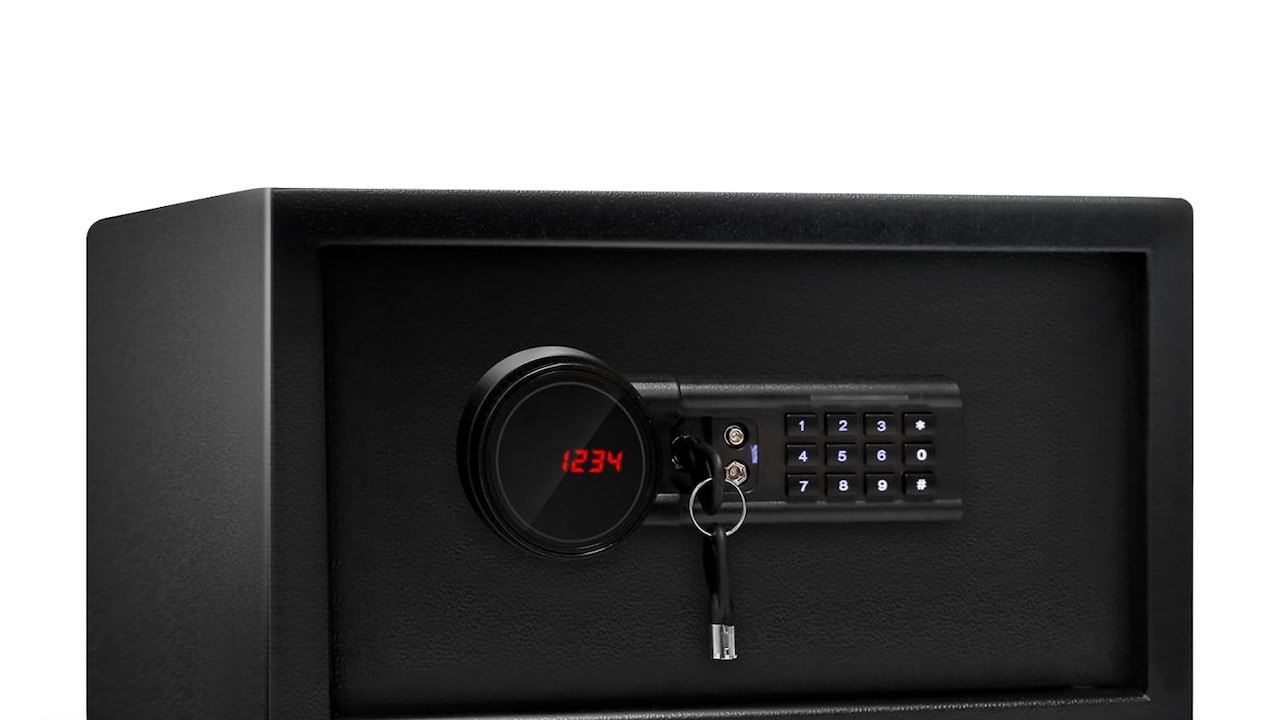
Keep the safe door open. Look for the reset button inside. It's often a small red or black button near the hinge side or behind a tiny cover. Some models use a reset hole instead.
Press the reset button. You'll usually hear a beep or see a light. Then enter your new code on the keypad. Most safes require 3 to 8 digits, depending on the model. Finish by pressing a confirm button like “#”, “Enter”, or “A”.
If your safe has no clear confirm button, the manual may say the code saves automatically after a beep. Listen for it. Digital safes communicate mostly through attitude and beeps.
Once saved, test the code twice with the door open. Don't rush this part. You want certainty, not confidence.
5) Pick A Code That Won't Betray You Later
A safe code should be easy to remember but hard to guess. That sounds obvious until people choose codes like 1234, 0000, or their birth year. A thief doesn't need hacking skills for those. They just need common sense and five minutes.
The best code is something meaningful to you but not visible in your life. Avoid your house number, wedding date, vehicle number, or anything someone could find on a social media post or an envelope.
A neat trick is to use a number pattern you can recall mentally, like a phrase converted into digits. For example, a short line you always remember, where each word length becomes a digit. It's personal, memorable, and almost impossible for others to guess.
Also, don't make it too long. If the safe needs you to enter eight digits perfectly every time, you'll eventually mistype it in a hurry. That's when panic begins and the safe starts feeling like it's judging you.
Your code should feel like a confident handshake, not a maths exam.
6) Test The Locking Mechanism Like You Don't Trust It
Even after setting the code, the safe isn't truly “ready” until you test the lock properly. Digital safes have a motorised locking bolt system. When you close the door, you usually need to turn the handle or press a lock button. Some models auto-lock.
With the door still open, enter the code and trigger the unlock. You should see the bolts retract. Then trigger lock and watch them extend again. Do this a couple of times.
Now close the door and lock it. Enter the code to unlock. If it opens smoothly, great. If it sticks, don't ignore it. Sticking can happen when the safe sits on an uneven surface or when the door isn't aligned.
Some people slam the door like it's an argument. That's unnecessary. A safe door should close firmly, not violently.
Also, listen for the sound. A clean motor sound is normal. Grinding or struggling noises are not. A safe should feel like a reliable friend, not like a scooter that refuses to start in the rain.
7) Bolt It Down So The Safe Doesn't Become The Loot
A home safe feels secure until someone simply picks it up and walks away with it. This happens more than people like to admit. If the safe isn't bolted, it's basically a heavy gift box.
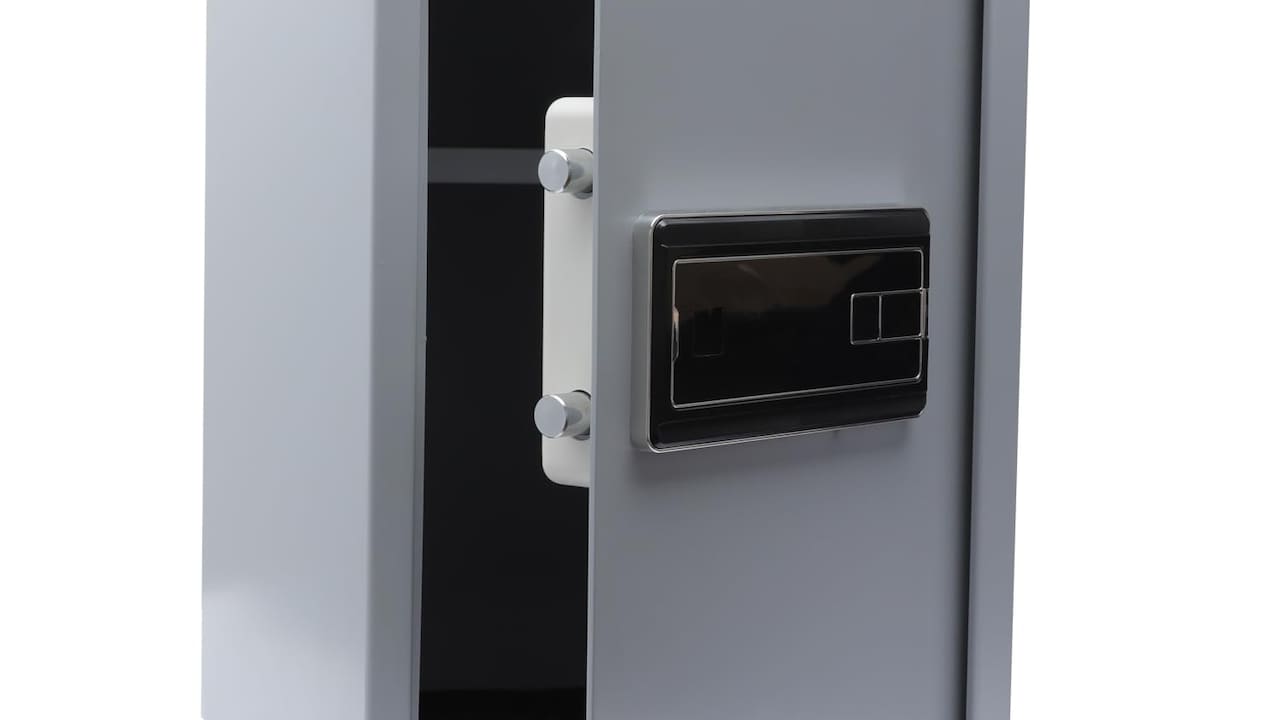
Most digital safes include pre-drilled holes at the back or bottom. They also include bolts and screws. Use them. If you're placing it in a wooden wardrobe, bolting through the base works well. If it's going into a wall niche, back bolting makes sense.
If drilling feels intimidating, consider calling a local handyman. This job takes about 15 minutes for someone experienced, and it's worth the small cost. Paying ₹300 to ₹600 to secure a safe that holds valuables is a sensible trade.
Also, bolt placement matters. A safe bolted to thin plywood won't resist force. Choose a strong surface. Solid wood, concrete, or a reinforced panel works best.
Once bolted, test the safe. Try shaking it. It should feel steady. If it wobbles, tighten the bolts. A safe should sit like it owns the place.
8) Store The Override Key Like A Sensible Paranoid Person
Every digital safe comes with override keys for emergencies. Treat them like a fire extinguisher. You hope you never need them, but when you do, you need them immediately.
The biggest mistake people make is keeping the override key inside the safe. That's like locking your spare house key inside your house and then congratulating yourself on preparedness.
Keep the override key in a separate location. A different room is better. A locked drawer works. A trusted family member can hold it, but only if that person doesn't casually forget things. If they lose their spectacles every morning, don't give them your safe key.
Some people tape the key under a drawer or behind a frame. That's fine, but be smart about it. Avoid places anyone would check first.
Also, don't announce it. No dramatic “the key is in the top shelf behind the books” speech. The safest key is the one nobody knows exists.
A good safe setup includes a good key plan. Otherwise, the safe becomes a puzzle box.
How To Set Up A Digital Electronic Safe In 5 Minutes Without Confusion
Photo Credit: Amazon
9) Add A Simple Routine For What Goes In And What Stays Out
Once the safe works, the next challenge is human behaviour. People buy safes and then never use them. Or they put everything inside, including items they need daily, and then get annoyed.
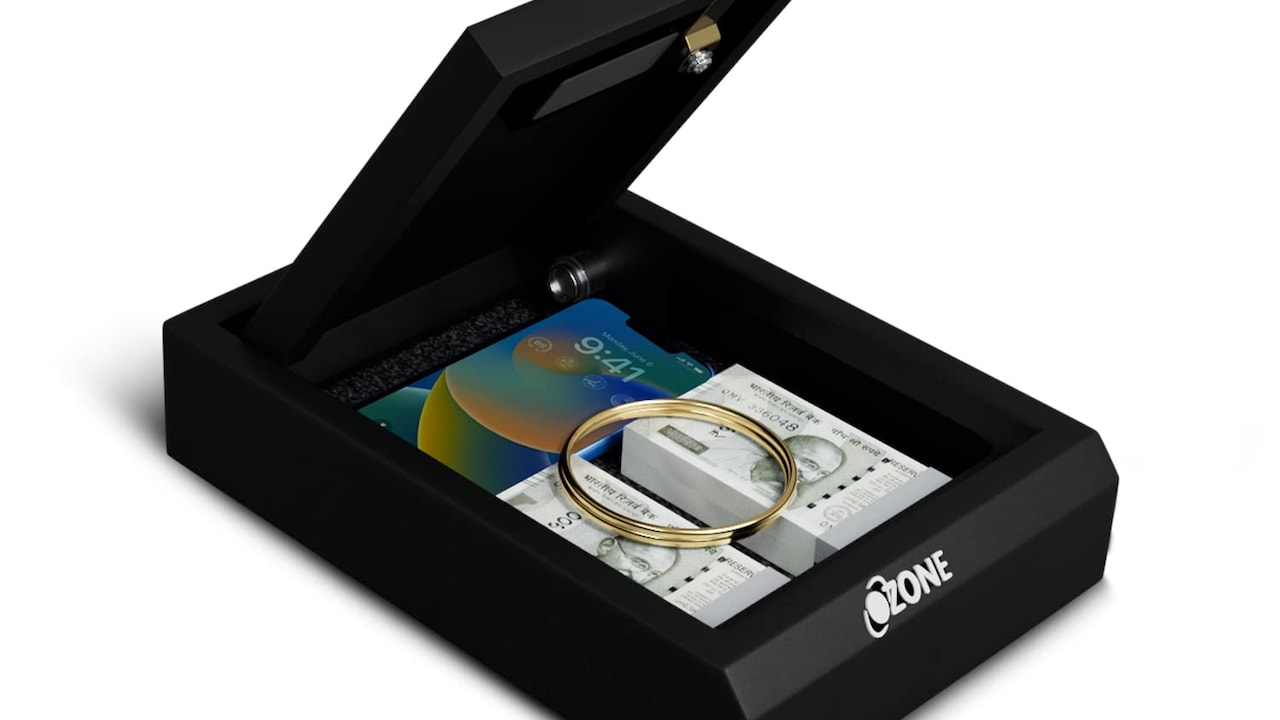
Create a simple rule. Only store things you genuinely need protected: property papers, passports, jewellery, emergency cash, small electronics, backup drives, and important certificates.
Avoid stuffing it with clutter. A safe is not a junk drawer with a keypad.
Also, use a small pouch system inside. Keep documents in a file sleeve. Keep jewellery in a soft pouch. Keep cash in an envelope. When you open the safe, you should find things quickly, not dig like you're searching for lost earbuds.
If your safe has a shelf, use it. Separate papers from items that could scratch them.
A safe is supposed to reduce stress. If opening it becomes a chaotic rummage, the safe loses its purpose.
Think of it like a home's quiet corner: organised, calm, and reassuring.
10) Do A 30-Second Maintenance Check Once A Month
A digital safe is low-maintenance, but not zero-maintenance. A tiny monthly check prevents 90% of future headaches.
Once a month, open the safe and test the code. Check the battery indicator if your model has one. If the keypad starts sounding weaker or the light dims, replace the batteries immediately.
Also, keep the keypad clean. Dust and oil from fingers can build up. A soft dry cloth works. Avoid wet wipes or harsh cleaners. Water and electronics don't mix, and your safe doesn't need a skincare routine.
If you live in a humid area, add a small silica gel packet inside the safe. Replace it every few months. This protects documents and metal items from moisture damage.
Finally, do a quick bolt check. A safe mounted in a wardrobe can loosen slightly over time, especially if the door gets yanked open often.
These tiny checks take less time than making chai. And they keep your safe dependable, which is the whole point.
Products Related To This Article
1. Ozone 16 Litres Digital Safe Locker for Home & Office
2. Yale YSS/250 Digital Safe Locker for Home & Office
3. Godrej Security Solutions Forte Pro 15 Litres Digital Electronic Safe Locker for Home & Office with Motorized Locking Mechanism
4. Amazon Basics Digital Safe With Electronic Keypad Locker For Home
5. Yale YSS/390/DB2 Digital Safe Locker for Home & Office
Setting up a digital electronic safe isn't complicated. It only feels complicated because the first time comes with beeps, buttons, and the fear of locking yourself out. But once you follow a simple flow, choose the spot, power it up, set the code with the door open, test it properly, bolt it down, and store the override key wisely, the safe becomes one of the most calming things in the house.
A good safe doesn't just protect valuables. It protects peace of mind. It's the quiet confidence of knowing that the important stuff has a home, and that home has a lock that doesn't depend on luck.
And the best part? The whole setup really can take five minutes. Just don't rush the beeps. They take things personally.
(Disclaimer: This article may include references to or features of products and services made available through affiliate marketing campaigns. NDTV Convergence Limited (“NDTV”) strives to maintain editorial independence while participating in such campaigns. NDTV does not assume responsibility for the performance or claims of any featured products or services.)