How To Fix Boomy Bass At Home: 10 Checks Before Replacing Your Subwoofer
Boomy bass does not always mean a faulty subwoofer. Check placement, volume, crossover, phase, room vibrations and calibration before spending on a replacement.
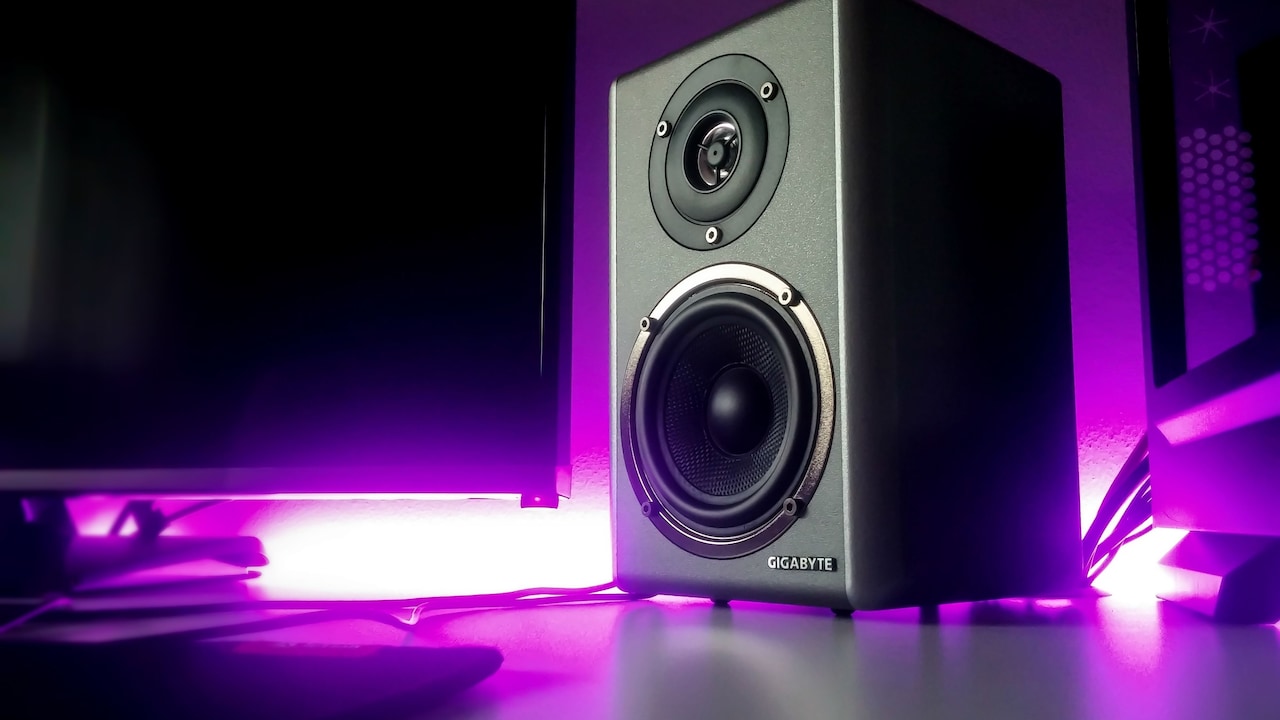
Explore easy ways to inspect and fix a boomy bass
Deep bass should add weight to a film soundtrack, warmth to music and impact to a cricket match intro. It should not sound like a pressure cooker rolling down the stairs. Boomy bass occurs when low frequencies become exaggerated, slow or uneven. One note may shake the room while the next almost disappears. Dialogue can lose clarity, kick drums may sound swollen, and every action scene can turn into the same endless rumble. The subwoofer often takes the blame because it produces the sound. Yet the real culprit may sit elsewhere. Room dimensions, corners, tiled floors, incorrect crossover settings and even a hollow television cabinet can change how bass behaves. A small adjustment may achieve more than an expensive upgrade.

Explore easy tips to fix a boomy bass
Photo Credit: Pexels
Before spending ₹20,000, ₹50,000 or more on a new unit, work through these ten checks. They require no specialist laboratory, and most take only a few minutes. A familiar song, a favourite film scene and a little patience should provide everything needed.
Also Read: Top 5 Soundbars With Inbuilt Subwoofer Under 5000
10 Simple Checks To Fix Boomy Bass
1. Move The Subwoofer Away From The Corner
Corners amplify low frequencies because sound reflects from three nearby surfaces: two walls and the floor. This effect can make a modest subwoofer sound powerful, which seems useful at first. Unfortunately, the extra output often creates thick, uneven bass.
Start by moving the subwoofer 30 to 60 centimetres away from the corner. Play a familiar track with a steady bass line and listen from the main seating position. The bass may become quieter, but it should also sound cleaner and more controlled.
Do not worry if the new position looks less symmetrical. Bass cares little about interior-design rules. A subwoofer placed neatly beside the television may sound worse than one sitting slightly off-centre.
Try moving it along the front wall in small steps. Even a shift of 20 centimetres can reduce a troublesome room resonance. Mark promising positions with small pieces of masking tape before comparing them.
In compact flats, space may limit the options. Moving the unit away from both walls might not work. In that case, pull it forward from the corner or place it beside a sofa. The goal is not maximum rumble. The goal is bass that arrives, makes its point and leaves without hanging around like an uninvited wedding guest.
2. Try The Subwoofer Crawl
The subwoofer crawl sounds faintly ridiculous, but it remains one of the most effective placement methods. It helps locate areas where bass sounds balanced at the listening seat.
Place the subwoofer on the sofa or chair where the listener usually sits. Keep it secure and avoid blocking its driver or port. Play a bass-heavy track on repeat. A test tone sweep can also work, though familiar music often makes differences easier to recognise.
Now crawl around the edges of the room while listening. Pay attention to places where the bass sounds smooth, defined and consistent. Avoid spots where it becomes overwhelmingly loud or strangely hollow. Those locations reveal how the room reacts to low frequencies.
When a good-sounding spot appears, place the subwoofer there and return to the sofa. The result may surprise anyone who assumed that the front-left corner was compulsory.
This method works because source and listening positions can swap places while keeping similar acoustic behaviour. No measuring microphone is required.
Keep expectations practical. The ideal spot might sit in the middle of a doorway, which is hardly useful. Choose the best workable location nearby. A slightly imperfect position that keeps family peace will beat a technically flawless one that causes daily arguments.
3. Lower The Subwoofer Volume
A subwoofer should blend with the main speakers, not announce its presence every few seconds. When the volume sits too high, bass notes dominate the mix and create the impression of boominess.
Turn the subwoofer level down by a small amount. Avoid dramatic changes. A reduction of two or three steps may provide enough balance. Then replay familiar material at a normal listening volume.
Listen for integration rather than excitement. The system should still feel full, but the bass should seem to come from the entire soundstage. If every low note points towards the subwoofer cabinet, its level probably remains too high.
Many people adjust bass during an action film and leave the setting there. The explosions sound thrilling, yet music and television programmes become tiring. Use several sources before settling on a level. A film scene, a vocal track and a song with an acoustic bass line can reveal different problems.
Also check the bass controls on the television, soundbar, amplifier and streaming app. Boost may exist in more than one place. Several small boosts can combine into one large headache.
Good bass does not always shake cups on the dining table. Sometimes it simply makes a drum sound real. That quieter, more natural result often proves far more enjoyable over time.
4. Check The Crossover Frequency
The crossover determines which low frequencies move from the main speakers to the subwoofer. An incorrect setting can cause both to play too much of the same range, producing a swollen and congested sound.
For large floor-standing speakers, a crossover near 60 or 80 Hz often works well. Compact bookshelf speakers may need 80 or 100 Hz. Small satellite speakers sometimes require 100 or 120 Hz. These figures offer starting points rather than rigid laws.
When the crossover sits too high, voices can gain an unnatural chestiness and the subwoofer may become easy to locate. When it sits too low, the system may develop a weak gap between the speakers and the subwoofer.
Adjust the crossover in small stages while playing music with bass guitar, male vocals and kick drums. Listen for a smooth handover. The low end should feel continuous rather than divided into separate layers.
Home theatre receivers may manage crossover settings through a speaker menu. In that case, turn the crossover knob on the subwoofer to its maximum value or select the dedicated bypass mode, depending on the model. This prevents two filters from interfering with each other.
A crossover adjustment costs nothing, takes minutes and often transforms a system that seemed destined for an expensive replacement.
5. Inspect The Phase Setting
Phase controls help the subwoofer work in step with the main speakers. When their sound waves clash, some bass frequencies weaken while others become exaggerated. The result may sound uneven, slow or oddly detached.
Many subwoofers provide a simple switch marked 0 and 180 degrees. Others include a variable phase knob. Sit in the usual listening position and play a track with steady bass. Change the phase setting and choose the option that sounds tighter and fuller, not merely louder.
A louder result often indicates better alignment, but clarity matters too. Bass notes should start and stop cleanly. A kick drum should sound like a firm hit rather than a soft thud followed by a cloud of vibration.
Placement affects phase, so check this setting after moving the subwoofer. The correct choice in one location may not suit another.
Some audio systems include automatic calibration. Run it again whenever the subwoofer position changes. Ensure the room stays quiet during the process. A ceiling fan, mixer-grinder or enthusiastic pressure cooker whistle can confuse sensitive measurements.
Phase problems often hide behind vague complaints such as “the bass feels wrong”. That description may lack technical precision, yet the ears recognise the issue. A single switch can sometimes bring the entire system back into focus.

Inspect the phase setting of your subwoofer before buying a new one
Photo Credit: Pexels
6. Disable Extra Bass Modes
Manufacturers know that powerful bass creates an instant showroom impression. As a result, televisions, soundbars and receivers often include modes called Bass Boost, Extra Bass, Dynamic Bass, Mega Bass or something equally dramatic.
These settings can add excitement at low volume, but they may produce boominess in a real room. Disable them temporarily and compare the sound. Also turn off loudness compensation, night mode and artificial surround processing during testing.
Check every device in the signal chain. A streaming app may use an equaliser. The television may boost low frequencies. The soundbar may add another layer, while the subwoofer level remains elevated. Each setting looks harmless on its own, but together they can turn a gentle tabla stroke into a minor geological event.
Start with a neutral preset such as Standard, Direct or Pure. Then make one change at a time. This approach helps identify the setting that causes the problem.
Some bass enhancement may still suit late-night viewing or low-volume listening. The feature itself is not necessarily bad. Trouble begins when it remains active for every situation.
A well-set system should not depend on permanent electronic exaggeration. Once the natural balance sounds right, add only a modest amount of processing when the content or listening conditions genuinely need it.
7. Check For Rattling Furniture And Loose Objects
Not every bass problem comes from the speakers. Low frequencies can excite doors, shelves, windowpanes, cupboards and decorative items. The resulting vibration creates a buzzing or booming sound that people often mistake for subwoofer distortion.
Play the scene or track that causes the problem. Walk around the room and gently touch nearby objects. Check cabinet doors, photo frames, loose cables, metal grills, glass shelves and television stands. Even a steel plate inside a kitchen cabinet can join the performance from the next room.
Place felt pads under rattling objects. Tighten loose screws and move fragile decorations away from vibrating surfaces. A folded cloth may help identify the source, though it should not become a permanent engineering solution.
Also inspect the subwoofer itself. Ensure its feet sit firmly on the floor. Check whether the power cable or signal cable taps against the cabinet. Avoid placing routers, set-top boxes or flowerpots on top of the unit.
A hollow wooden television console can amplify vibration like a musical instrument. Moving the subwoofer a few centimetres away may solve the issue.
This check often produces the most satisfying result because the subwoofer turns out to be innocent. The real offender may be a ₹200 wall clock behaving like an overconfident percussionist.
8. Add Soft Furnishings Carefully
Hard surfaces reflect sound. Rooms with tiled floors, bare walls, glass windows and minimal furniture often feel lively and echoey. While thick carpets do not absorb the deepest bass effectively, soft furnishings can reduce higher-frequency reflections that make muddy bass feel even more confusing.
Add a rug between the speakers and the seating area. Use curtains over large windows. Cushions, fabric sofas and filled bookshelves can also make the room sound calmer. The improvement may seem subtle at first, but dialogue and musical detail often become clearer.
Avoid treating the room randomly. Covering every surface with foam will not solve deep bass modes, and thin acoustic panels offer limited control below roughly 100 Hz. Proper bass traps need thickness and careful placement.
Still, ordinary furnishings can help create a more balanced listening environment. A nearly empty room often exaggerates problems because reflections arrive from several directions. Once those reflections settle, the bass becomes easier to judge.
Do not push the subwoofer against a thick curtain or soft sofa without checking ventilation and port clearance. Some units need open space behind them.
Room treatment need not resemble a recording studio. A rug, curtains and a sensible furniture layout can improve sound while keeping the living room comfortable, familiar and ready for unexpected guests.
9. Recheck Receiver Calibration And Speaker Settings
Modern home theatre receivers use automatic calibration to measure speaker distance, level and frequency response. These systems can help, but they sometimes make poor decisions, especially in noisy rooms or unusual layouts.
Open the receiver menu and check the detected speaker sizes. Many systems label speakers as Large or Small. Even physically large speakers may work better as Small when a subwoofer handles deep bass. The label refers to bass management, not cabinet dimensions or social status.
Check the measured subwoofer distance as well. The figure may differ from the actual tape-measure distance because electronic delay inside the subwoofer affects timing. A slightly unusual value does not automatically indicate an error.
Review the subwoofer level set by calibration. When it reaches the lowest or highest possible adjustment, change the gain knob on the subwoofer and run calibration again. Extreme values can limit fine control.
Place the calibration microphone at ear height, not on a cushion or coffee table. Keep it away from walls and seat backs. Complete every requested measurement position if the system supports several readings.
After calibration, listen before making changes. Automatic correction should provide a starting point, not an unquestionable verdict. Human ears still get the final vote, particularly in a room used for both film nights and everyday family life.
10. Test The Subwoofer For Actual Damage
After checking placement, settings and room vibrations, examine the subwoofer for genuine faults. A damaged driver, failing amplifier or torn surround can cause distortion that no amount of calibration will cure.
Disconnect the unit from power before inspecting it. Look for cracks, loose components or visible damage around the driver. Do not press the cone aggressively. A gentle touch may reveal scraping, but careless pressure can create a new problem.
Reconnect the system and play bass at a low level. Listen closely for crackling, mechanical scraping, sudden volume changes or distortion across several sources. Test another cable and another input where possible. A damaged signal cable can imitate hardware failure.
Also check whether the problem appears only at extreme volume. Small subwoofers have limits. Asking an entry-level unit to fill a large hall may cause strain even when nothing has broken.
Heat offers another clue. An amplifier panel that becomes unusually hot, shuts down or smells burnt needs professional attention. Stop using the subwoofer rather than risking further damage.
Contact an authorised service centre before replacing the entire unit. A cable, power supply or amplifier board may cost far less than a new subwoofer. Replacement makes sense only after the room and settings receive a fair trial.
Products Related To This Article
1. Sonos Ray | Compact Soundbar for TV and Music
2. ZEBRONICS 90 Watts, Compact Soundbar, Home Theatre, Dual Driver Soundbar
3. boAt Aavante Bar 490 10W Signature Sound, Dual Full-Range Drivers
4. Sony HT-S100F 2.0 Ch Dolby Audio Soundbar with Bass Reflex Speaker for deep Bass
5. JBL Cinema SB510, Dolby Audio Soundbar with Built-in Subwoofer for Deep Bass
6. CrossBeats Blaze B1100 5.1 Dolby Home Theater Speaker 625W for TV
7. iBall Cinebar 100 220W Soundbar, 2.1 Channel
Boomy bass rarely means that a subwoofer has reached the end of its life. More often, the room and the settings have formed an awkward partnership.
Move the unit away from the corner, test alternative positions and lower its level. Then check the crossover, phase, sound modes and receiver calibration. Track down rattling furniture, soften harsh rooms and inspect the hardware only after simpler causes have been ruled out.
Make one adjustment at a time. Use the same familiar tracks and scenes for every comparison. Quick, repeated changes can confuse the ears, while patient listening reveals which improvement actually works.
The best bass does not dominate every moment. It supports music, deepens cinematic tension and adds scale without smothering dialogue. When properly tuned, a subwoofer may disappear from attention even while transforming the entire experience.
Before browsing for a replacement priced in tens of thousands of rupees, give the existing unit another afternoon. It may not need retirement. It may simply need a better corner, a lower setting and freedom from that rattling glass cabinet.
(Disclaimer: This article may include references to or features of products and services made available through affiliate marketing campaigns. NDTV Convergence Limited (“NDTV”) strives to maintain editorial independence while participating in such campaigns. NDTV does not assume responsibility for the performance or claims of any featured products or services.)