Power Bank Capacity: How Much mAh Do You Actually Need
Learn how much power bank capacity you actually need, understand mAh ratings, and choose the right portable charger for your smartphone, tablet, or laptop.
Power Bank Capacity: How Much mAh Do You Actually Need
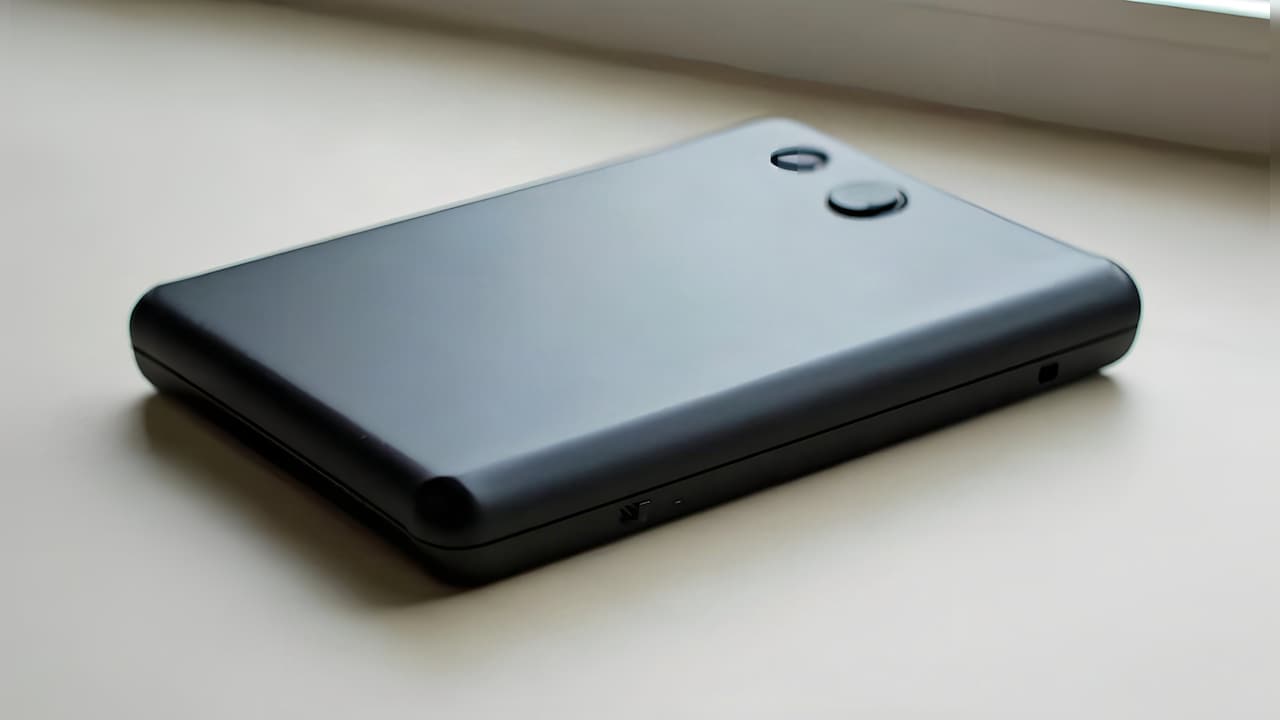
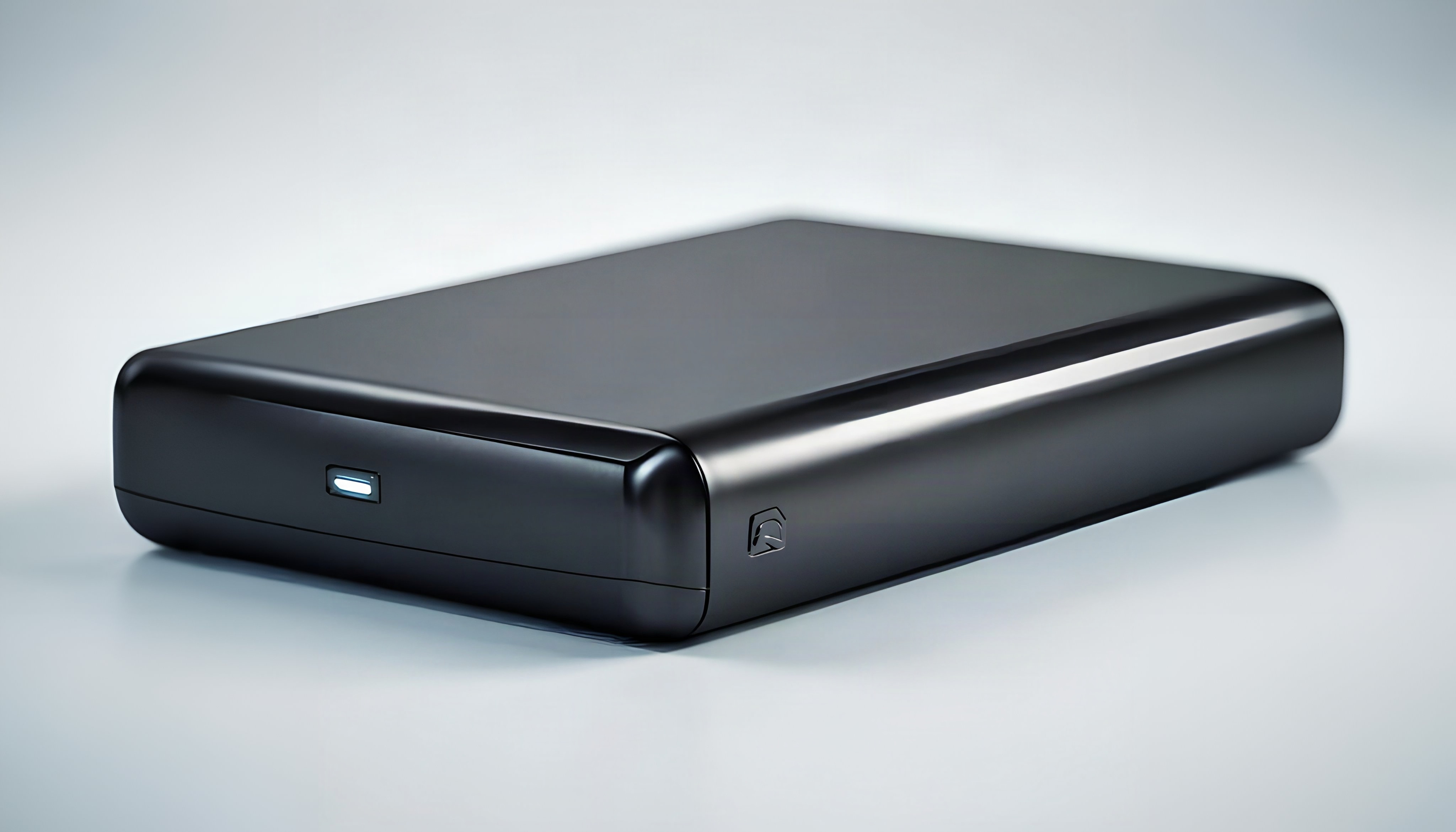
For individuals and users who use their cell phone, tablet, wireless earbuds or other portable devices all day long, the power bank has become another daily essential. Backup power is convenient and useful, adding to its peace-of-mind aspects when travelling, commuting or working remotely. But not all the time is it easy to select a power bank. The capacities of the units range from 5,000 mAh to more than 30,000 mAh.
Power Bank Capacity: How Much mAh Do You Actually Need
Photo Credit: iStock
Many people are not sure which to consider for their needs, and often end up paying more for the additional capacity they may not need, as knowing about the significance of mAh and its impact on the power bank's charging speed can enable you to pick a bank that suits your portability needs, charge duration, and cost.
Choosing The Right Power Bank Capacity For Your Needs
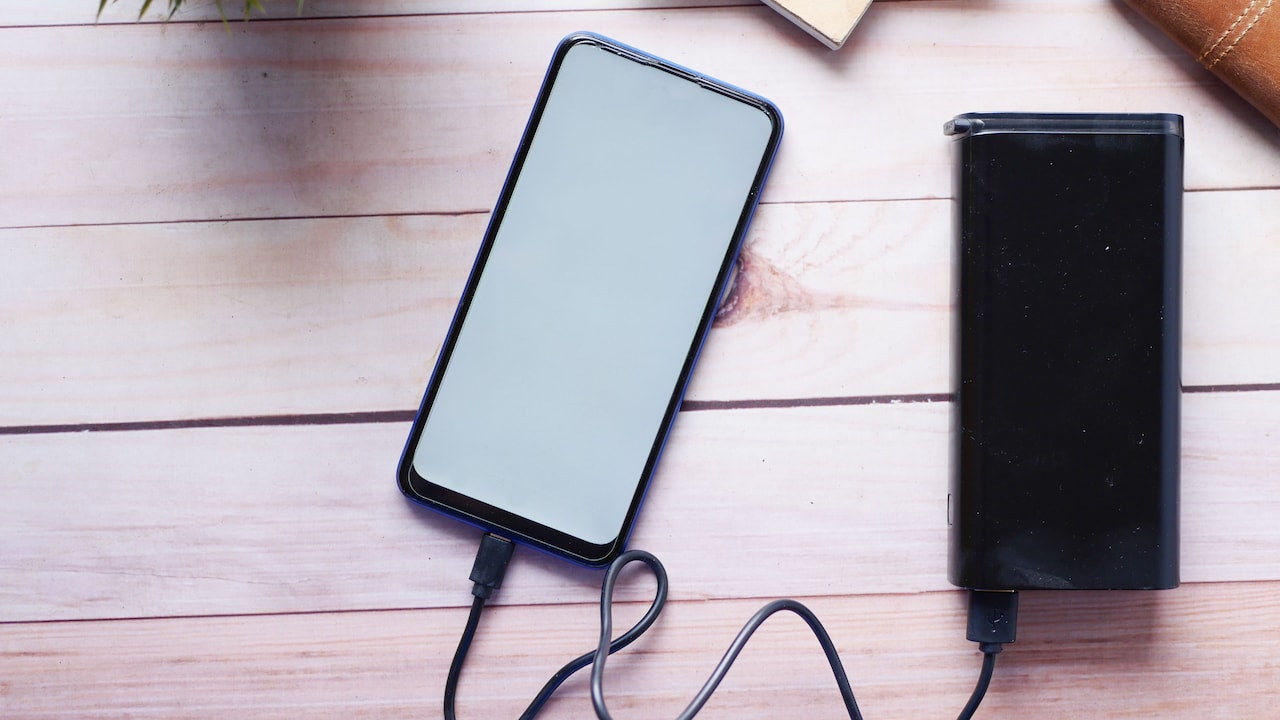
The capacity of a power bank is determined in terms of milliampere-hours (mAh), and this represents the energy capability of the power bank. The mAh specification refers to the amount of charge stored; a higher integral number indicates the power bank can charge more devices but will be larger and heavier. This will vary according to the type of device you have, the frequency with which you travel, and how many times you want to use your device before needing to access a wall outlet.
1: 5,000mAh Is Best For Light Users
People who only rely on an emergency top-up during the day would indeed be using a 5,000mAh power bank. It comes with a pocket handbag to be lightweight and compact to carry.
2: 10,000mAh Offers The Best Balance
One of the most popular models is a 10,000mAh, as it delivers a sufficient amount of power to charge one to two smartphones as well as remaining mobile for day-to-day use.
3: 20,000mAh Is Ideal For Frequent Travellers
The 20,000mAh power bank is perfect for frequent travellers or anyone with multiple devices. It can charge a smartphone multiple times and, usually, helps with tablets and other attachments.
4: 30,000 mAh and Above Suits Heavy Usage
Power banks with high output are designed for extended charging sessions of multiple devices or for outdoor activities; however, they tend to be heavier due to their greater inherent backup power.
5: Charging Efficiency Matters Too
However, a power bank can't actually supply its advertised end result, as some power is lost from voltage conversion. The usable capacity varies from the actual capacity, as a rule.
Understanding What mAh Really Means
There are numerous conventions when it comes to converting horses to cars. H2: Know the meaning of "mAh". "mAh" is a term that means "milliampere hour," and refers to the quantity of electrical charge that a battery stores. This doesn't necessarily mean that the bigger the number, the quicker the charging time.
Other factors like output wattage, fast charging protocols, cable quality, and the compatibility of devices play a role in the charging speed, and power banks do not necessarily have to charge devices at the same speed as others can if they have different output specifications, even though they may be the same capacity.
Practical Tips For Selecting The Right Power Bank
Step 1: Think About How You Charge Every Day
Consider how many devices you have and how often you use them. You have to select the capacity, then charge them for a whole day.
Step 2: Check Battery Sizes Of Devices
To determine how many charges you can expect, look at your phone's battery capacity and compare that to the power bank's capacity that your phone can use.
Step 3: Check That It Supports Fast Charging
This could allow presentations such as USB Power Delivery (PD) and Quick Charge to charge many devices much faster.
Step 4: Balance Capacity And Portability
Bigger batteries mean more backup power. But they are also heavier and bulkier. Choose a size that fits the realities of travel and practical, everyday use.
Benefits Of Choosing The Correct Power Bank Capacity
Choosing a good power bank that provides dependable backup electricity without being cumbersome to carry is essential. The more capacity you have, the more comfortably you can commute, work, travel, and handle emergencies.
Deciding wisely can also help increase the charging efficiency and avoid many recharge cycles for the power bank. Those models that have rapid charging and several output ports are simple to supply various devices simultaneously, which is very useful for today's lifestyles. It's also a way to avoid overspending on battery capacity or size when choosing the right one.
Common Mistakes To Avoid
1: Buying the Highest mAh Without Considering Size
Several customers think that the bigger the capacity, the better. But bulky power banks are too heavy to carry on a regular basis if charging needs are limited.
2: Ignoring Output Power And Charging Standards
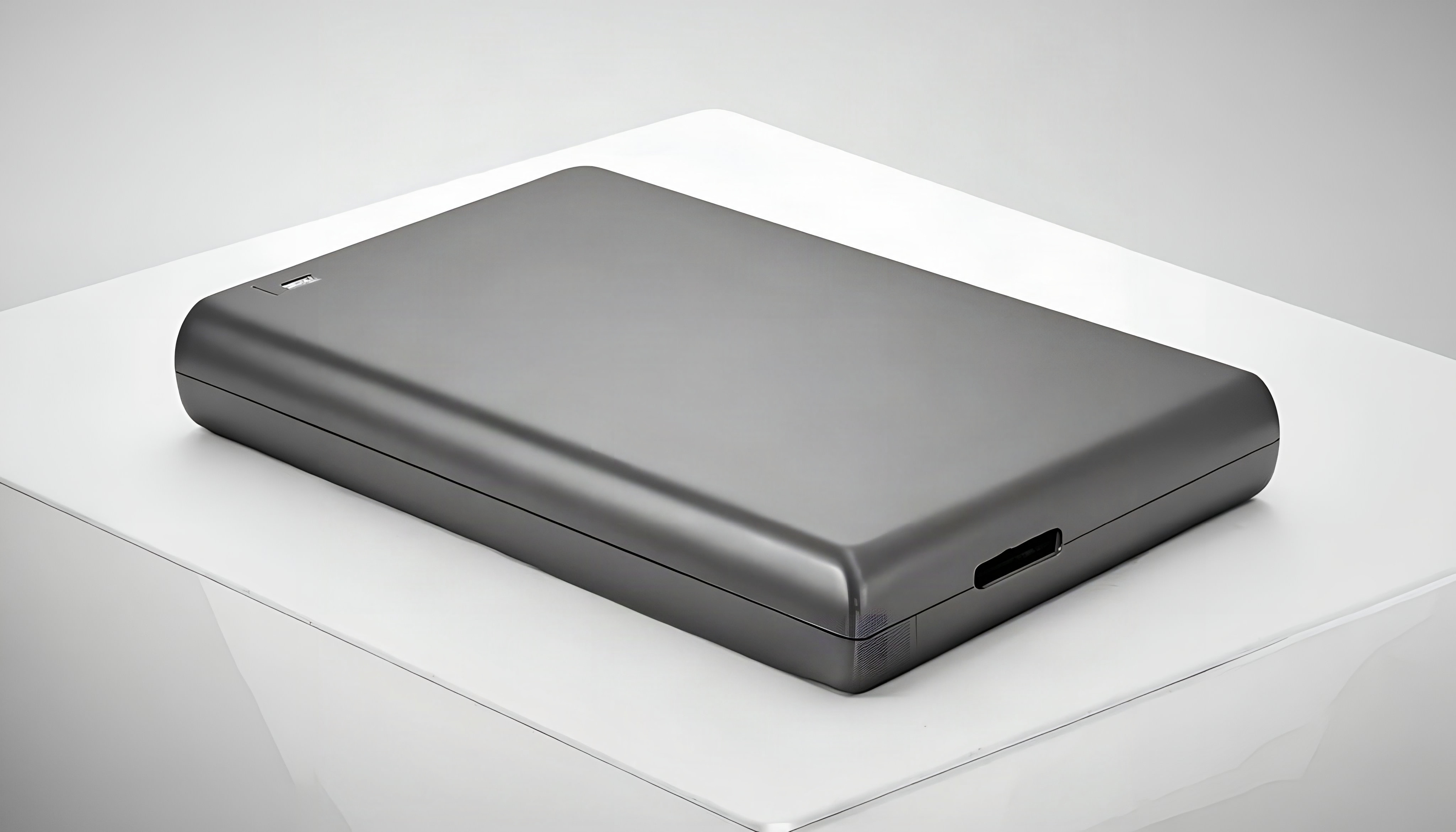
If only the mAh figure is considered, and not the output wattage, fast-charge capacity, or port selection, it can mean that fast charging won't occur.
Meta Title: Power Bank Capacity: How Much mAh Do You Actually Need
Photo Credit: iStock
Some Power Banks You May Like
1. Lifelong Electronics 20000mAh 22.5W Fast Charging Power Bank
2. URBN 20000 mAh Premium Nano Power Bank
3. Ambrane 20000mAh Pocket-Size Power Bank
4.LAPCARE Smart Tank 10000mAh Fast Charging Power Bank
5. ZEBRONICS MB10000S15 Power Bank, 10000 mAh
6.Amazon Basics 20000 mAh Power Bank
7.boAt Energyshroom PB300 10000 mAh 22.5W Fast Charging Power Bank
8. Xiaomi Power Bank 4i 20000mAh 33W Super Fast Charging PD
=
Frequently Asked Questions (FAQs)
1. How many phones can a 10,000mAh power bank charge?
10,000mAh power banks usually provide one to two full charges for a smartphone. The number of charges a 10,000mAh power bank can provide mostly depends on the size of the phone's battery and its charging efficiency.
2. Power bank 20000mAh or 10000mAh, which is better?
More can be charged by a 20,000mAh power bank. A 20,000mAh power bank is ideal for travel or charging multiple devices. But it weighs more. It is bigger.
3. Does a higher mAh mean a faster charge?
No, mAh is the measurement of the battery capacity and not charging speed. The charging speed also depends on the output wattage and the fast-charging technologies that are supported.
4. Why is the real capacity of a power bank less than advertised?
Some energy must be lost in charging and voltage conversion; therefore, the usable capacity is always less than the printed mAh rating.
5. Best-sized power bank for everyday use?
For most people, the best combination of portability, charge capacity, and everyday use is a 10,000 mAh power bank. Shop now on Amazon.
(Disclaimer: This article may include references to or features of products and services made available through affiliate marketing campaigns. NDTV Convergence Limited (“NDTV”) strives to maintain editorial independence while participating in such campaigns. NDTV does not assume responsibility for the performance or claims of any featured products or services.)