Why Do Power Banks Charge Slowly? What To Check Before Buying One
Power banks shouldn’t take forever to charge your phone. From output power to cable quality, here’s what slows them down, and what to check before buying one that actually delivers.
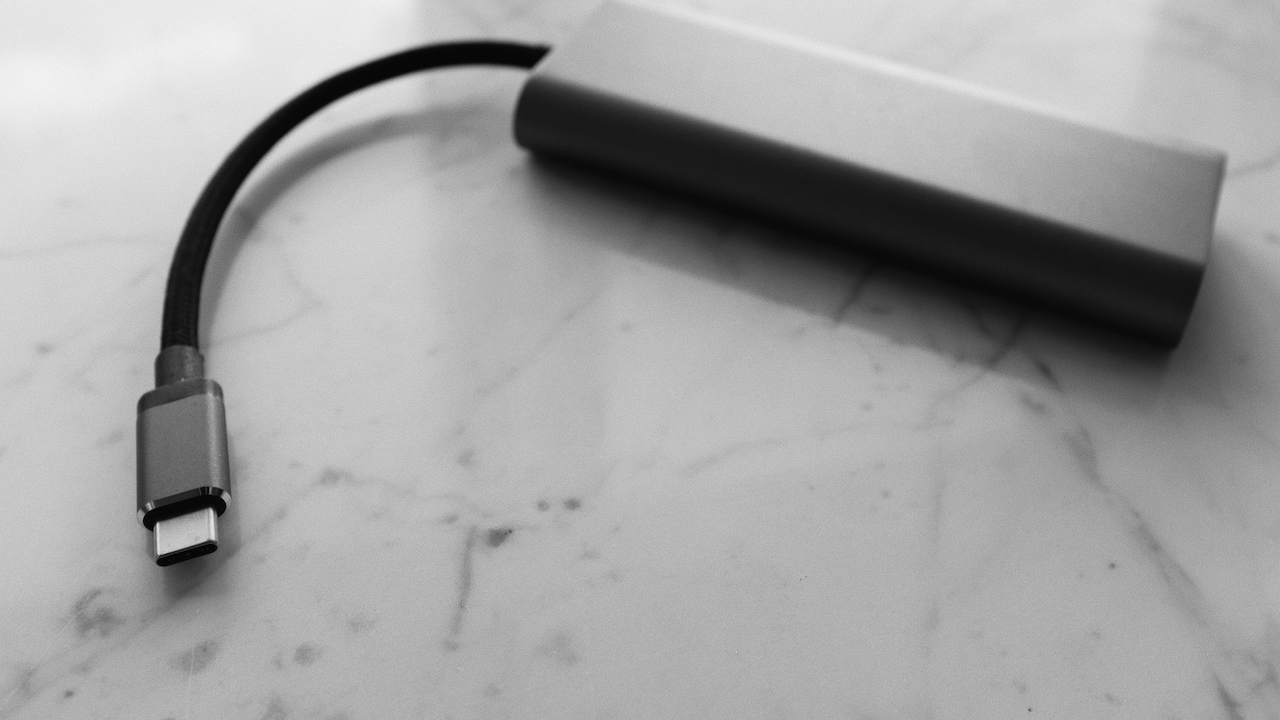
10 common reasons for a power bank that charges way too slow than expected
A dying phone in the middle of a busy day can feel like a minor crisis. Whether it's navigating traffic, making payments, or catching up on messages, everything pauses when the battery dips below ten per cent. That's where power banks step in, quietly becoming everyday essentials. Yet, not all power banks perform equally. Many users notice that their device charges painfully slowly, even when the power bank claims fast charging. The frustration builds when a quick top-up turns into a long wait, especially during travel or long commutes.
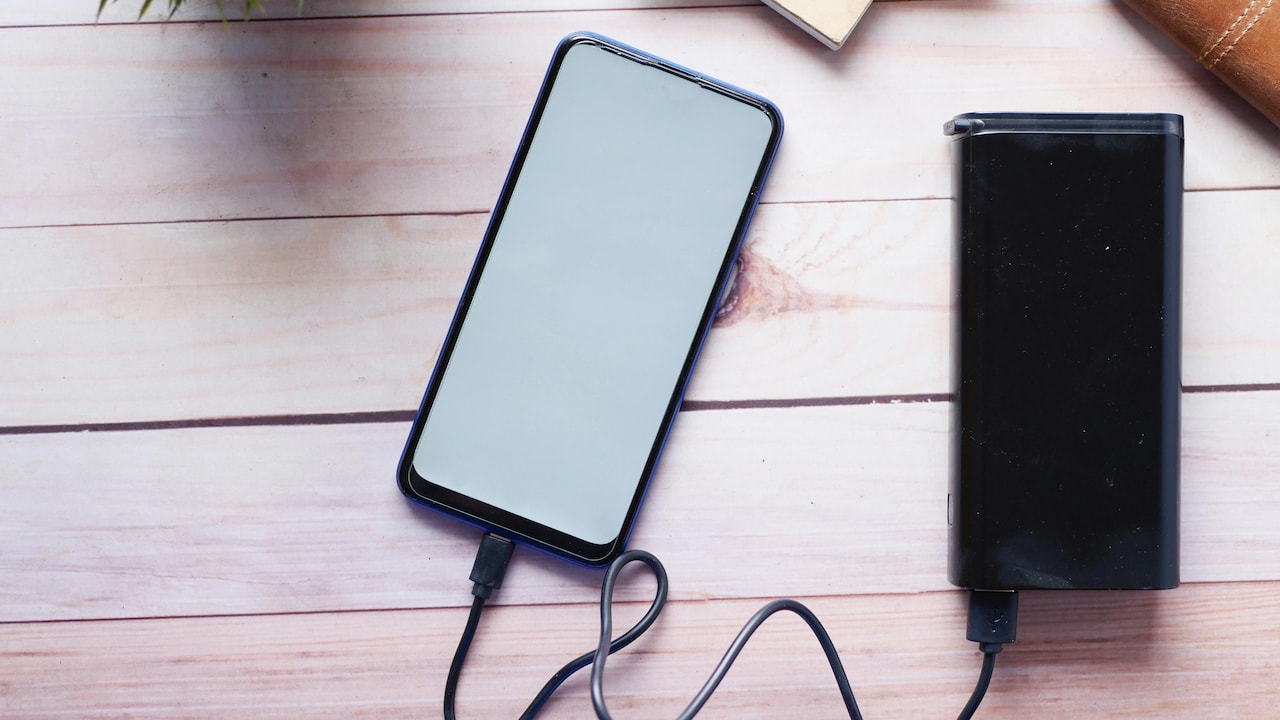
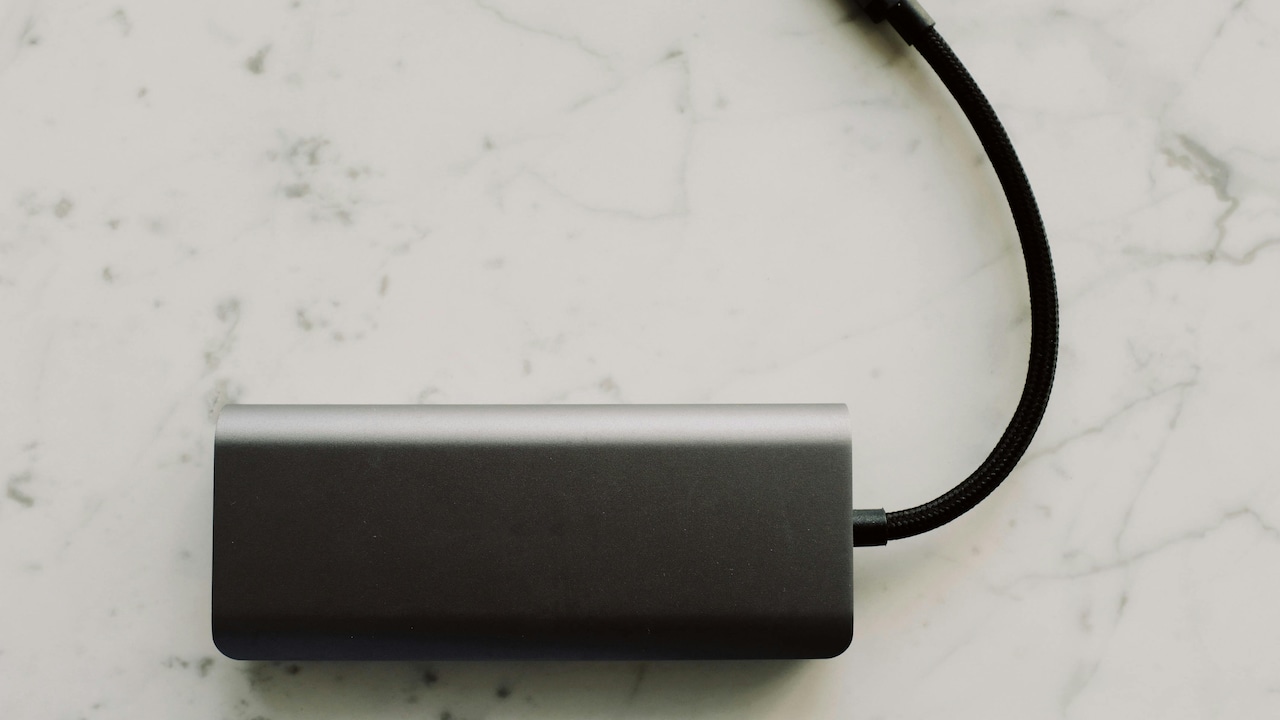
Explore the common reasons for a power bank that charges slow; Photo Credit: Pexels
The truth is, slow charging rarely comes down to one single fault. It often results from a mix of overlooked details, some technical, some surprisingly simple. Understanding these factors can save both time and money, especially when investing ₹1,000 to ₹3,000 in a device that should ideally last a few years.
This guide breaks down the real reasons behind slow charging and highlights what to check before buying a power bank. No jargon-heavy explanations, just practical insights that help make smarter choices.
Also Read: Power Up On The Go: Top 10 Laptop Powerbanks You Can Grab At Attractive Prices
Key Factors That Affect Power Bank Charging Speed And Buying Decisions
Battery Capacity Isn't Everything
A common assumption links higher mAh ratings with better performance. While a 20,000mAh power bank sounds impressive, it doesn't guarantee faster charging. In fact, larger capacity often means more energy to manage, which can slow down output if the internal circuitry isn't optimised.
Many affordable options focus heavily on capacity while cutting corners on output efficiency. This results in longer charging times despite the bigger number printed on the box. A well-designed 10,000mAh power bank can sometimes outperform a poorly built 20,000mAh one.
Think of it like a water tank. A larger tank holds more water, but if the pipe is narrow, the flow remains slow. The same logic applies here.
Before buying, consider how often the device will be used and whether fast charging matters more than sheer capacity. For daily commutes and light use, a balanced option often proves more practical than chasing the biggest number available.
Output Power Determines Speed
Charging speed depends heavily on output power, measured in watts. Many users overlook this detail, focusing instead on battery size. A power bank with a low output rating will charge devices slowly, regardless of its capacity.
Standard USB output sits around 5W, which feels painfully slow with modern smartphones. Fast charging begins at around 10W and goes up to 18W, 30W, or even higher in premium models.
If a power bank lacks sufficient output, it simply cannot deliver energy quickly. This becomes especially noticeable with larger phones or devices with bigger batteries.
When shopping, always check the output rating. A difference between 10W and 18W may not sound dramatic, but in real use, it can cut charging time almost in half.
Paying a little extra for higher output often proves worthwhile. Spending ₹500 more upfront can save hours of waiting over time.
Cable Quality Makes A Big Difference
The charging cable often becomes the silent culprit. A low-quality or worn-out cable can significantly reduce charging speed, even if the power bank itself performs well.
Cheap cables struggle to carry higher currents. They may look identical to premium ones but lack the internal wiring needed for fast charging. Over time, bending and wear further reduce efficiency.
Many users unknowingly use old cables from previous devices. These cables may not support modern fast-charging standards, leading to slower performance.
A good cable feels sturdy, slightly thicker, and often comes with fast-charging certifications. Investing ₹200 to ₹500 in a reliable cable can dramatically improve charging speed.
It's a small upgrade, yet it often delivers immediate results. Sometimes, the solution lies not in replacing the power bank but in switching the cable.
Fast Charging Standards Must Match
Not all fast charging works the same way. Different brands use different technologies, such as Quick Charge or Power Delivery. If the power bank and the phone don't support the same standard, charging speed drops.
This mismatch often confuses users. A power bank may advertise fast charging, but if it doesn't align with the phone's requirements, it defaults to slower speeds.
For example, a phone that supports USB Power Delivery won't benefit fully from a power bank designed only for Quick Charge. The result feels underwhelming despite premium branding.
Before buying, check compatibility. It doesn't require deep technical knowledge, just a quick look at specifications.
Matching standards ensures that both devices communicate effectively. When they do, charging feels seamless and significantly faster.
Number Of Devices Connected Matters
Charging multiple devices at once can slow things down. Many power banks distribute power across ports, meaning each device receives less energy when several are plugged in.
This becomes noticeable when charging a phone and earbuds together. The phone charges more slowly, even if the power bank claims fast charging.
Some advanced models manage power distribution better, but budget options often struggle in this area. They prioritise convenience over speed.
If fast charging matters, it's best to charge one device at a time. Alternatively, look for power banks with higher total output, designed to handle multiple devices efficiently.
This small habit change can make a noticeable difference, especially during travel or long days out.
Charging multiple devices at the same time can reduce its speed; Photo Credit: Pexels
Internal Battery Quality Plays A Role
The quality of the internal battery cells affects both speed and longevity. Cheaper power banks often use lower-grade cells, which struggle to maintain consistent output.
Over time, these cells degrade faster, leading to slower charging and reduced capacity. What once felt quick becomes frustratingly slow after a few months.
Premium models use better battery technology, ensuring stable performance over longer periods. While they cost more upfront, they often last longer and perform better.
A power bank priced suspiciously low may compromise on internal components. Spending ₹1,500 instead of ₹800 can mean better reliability and faster charging over time.
It's a classic case of getting what's paid for, especially with electronic accessories.
Temperature Affects Charging Speed
Heat plays a surprisingly important role in charging performance. When a power bank or phone heats up, the system automatically slows charging to protect the battery.
This often happens during outdoor use, especially in hot weather. Charging under direct sunlight or inside a crowded bag can trigger this slowdown.
Users may assume the power bank is faulty, but it's actually a safety feature. Lithium-ion batteries perform best within a moderate temperature range.
To improve charging speed, keep devices cool. Avoid charging in extreme heat and allow airflow when possible.
Even small steps, like removing a phone case during charging, can help maintain optimal temperature and improve speed.
Charging Input Speed Of The Power Bank
A power bank's own charging speed also matters. If it takes too long to recharge, it may not deliver power efficiently when needed.
Many older or budget models support only slow input charging. This affects overall performance, especially if the power bank hasn't been fully charged before use.
Modern power banks support fast input charging, allowing them to recharge quickly and maintain better output efficiency.
Checking input specifications ensures that the device stays ready when needed. It's an often-overlooked detail that impacts daily convenience.
A power bank that charges itself quickly tends to perform better overall.
Port Type Influences Performance
The type of port used affects charging speed. USB-A ports are common but often slower compared to USB-C ports, which support higher power delivery.
USB-C has become the standard for fast charging due to its ability to handle higher wattage. Many newer smartphones rely on this port for optimal performance.
Using the wrong port can limit charging speed, even if the power bank supports faster output elsewhere.
When choosing a power bank, look for USB-C output with fast charging support. It ensures compatibility with modern devices and future-proofs the purchase.
A small detail, yet one that significantly impacts everyday usability.
Brand Reliability And Safety Features
Not all power banks follow the same quality standards. Reliable brands invest in safety features such as overcharge protection, temperature control, and stable output.
These features don't just protect devices; they also maintain consistent charging speed. Poorly designed power banks may fluctuate in output, leading to slower performance.
While lesser-known brands may offer attractive prices, they often lack the refinement needed for efficient charging.
Choosing a trusted brand may cost ₹300 to ₹800 more, but it ensures peace of mind and better performance.
In the long run, reliability matters more than saving a small amount upfront.
Products Related To This Article
1. Xiaomi Power Bank 4i 20000mAh 33W Super Fast Charging PD
2. Noise Qi2 Certified MagSafe Wireless 10000mAh Power Bank with Built-in Stand
3. Kratos Legend Champ Power Bank 20000mAh
4. Boat Energyshroom PB400 Pro 20000 mAh 22.5W Pocket Size
5. Lifelong Electronics 10000mAh 22.5W Fast Charging Power Bank
A slow-charging power bank can feel like a daily annoyance, especially when time matters. Yet, the issue rarely stems from a single flaw. It often results from a combination of factors, such as output power, cable quality, compatibility, and even temperature.
Understanding these elements changes how power banks are chosen and used. Instead of relying on flashy packaging or high mAh numbers, it becomes easier to focus on what truly matters.
A good power bank doesn't just store energy; it delivers it efficiently, consistently, and safely. Spending wisely, checking specifications, and paying attention to small details can transform the charging experience.
In a world where staying connected is essential, a reliable power bank isn't a luxury. It's a quiet companion that keeps everything running smoothly, provided the right one is chosen.
(Disclaimer: This article may include references to or features of products and services made available through affiliate marketing campaigns. NDTV Convergence Limited (“NDTV”) strives to maintain editorial independence while participating in such campaigns. NDTV does not assume responsibility for the performance or claims of any featured products or services.)