Surge Protector vs Extension Board: Which Do Your Diwali Lights Need
Wondering whether Diwali lights need a surge protector or an extension board? Know the key differences, safety tips and how to pick the right one for your home.

Surge Protector vs Extension Board: Which Do Your Diwali Lights Need
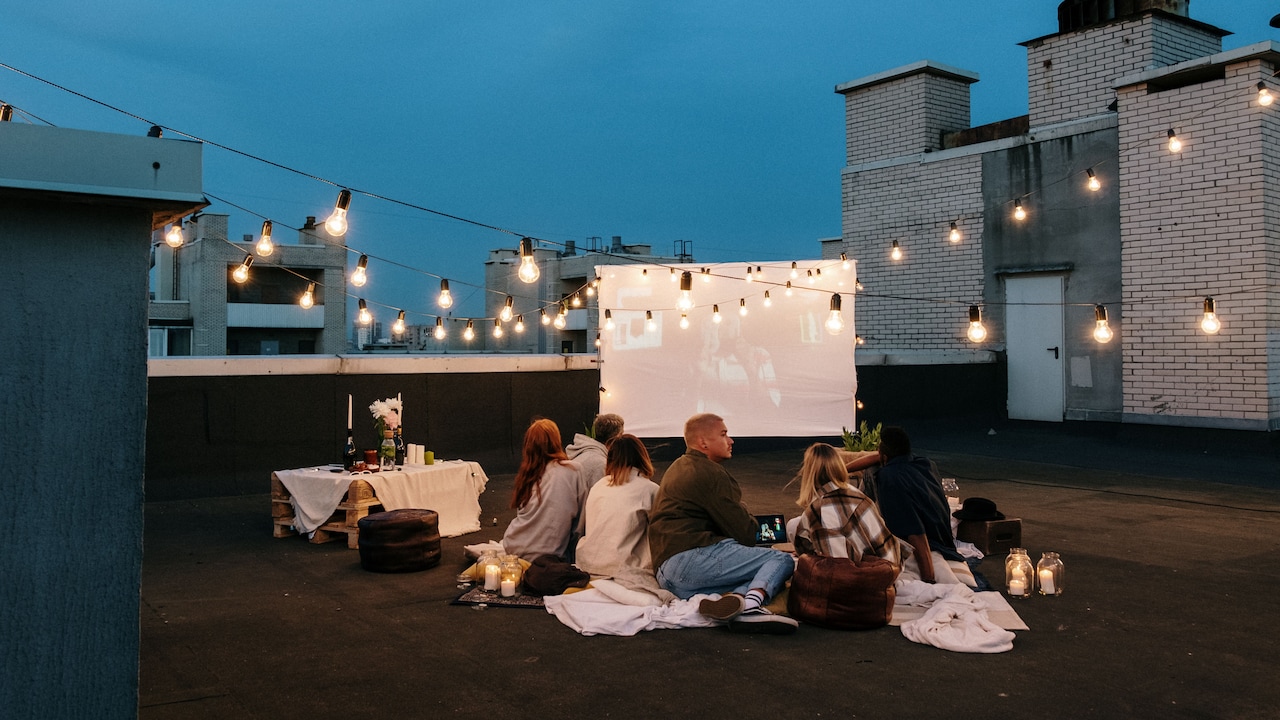
Each year, a few days before Diwali, the same scene occurs in most of the homes. Boxes of fairy lights come out of the cupboard, a tangle of wires gets spread across the floor, and someone plugs everything into one socket. It works for a night or two, then a bulb flickers or a plug gets warm. What you plug those lights into is the real question. A surge protector and extension board look alike, but they serve very different purposes. Knowing which one is right for your holiday setup can save your lights and wiring. This guide explains what each device does, where to use it, and how to use it safely at home during the festival. Most electrical problems during the festive season are due to overloading and poor placement rather than faulty products, so here's a look at some safety habits that matter more than the gadget itself.
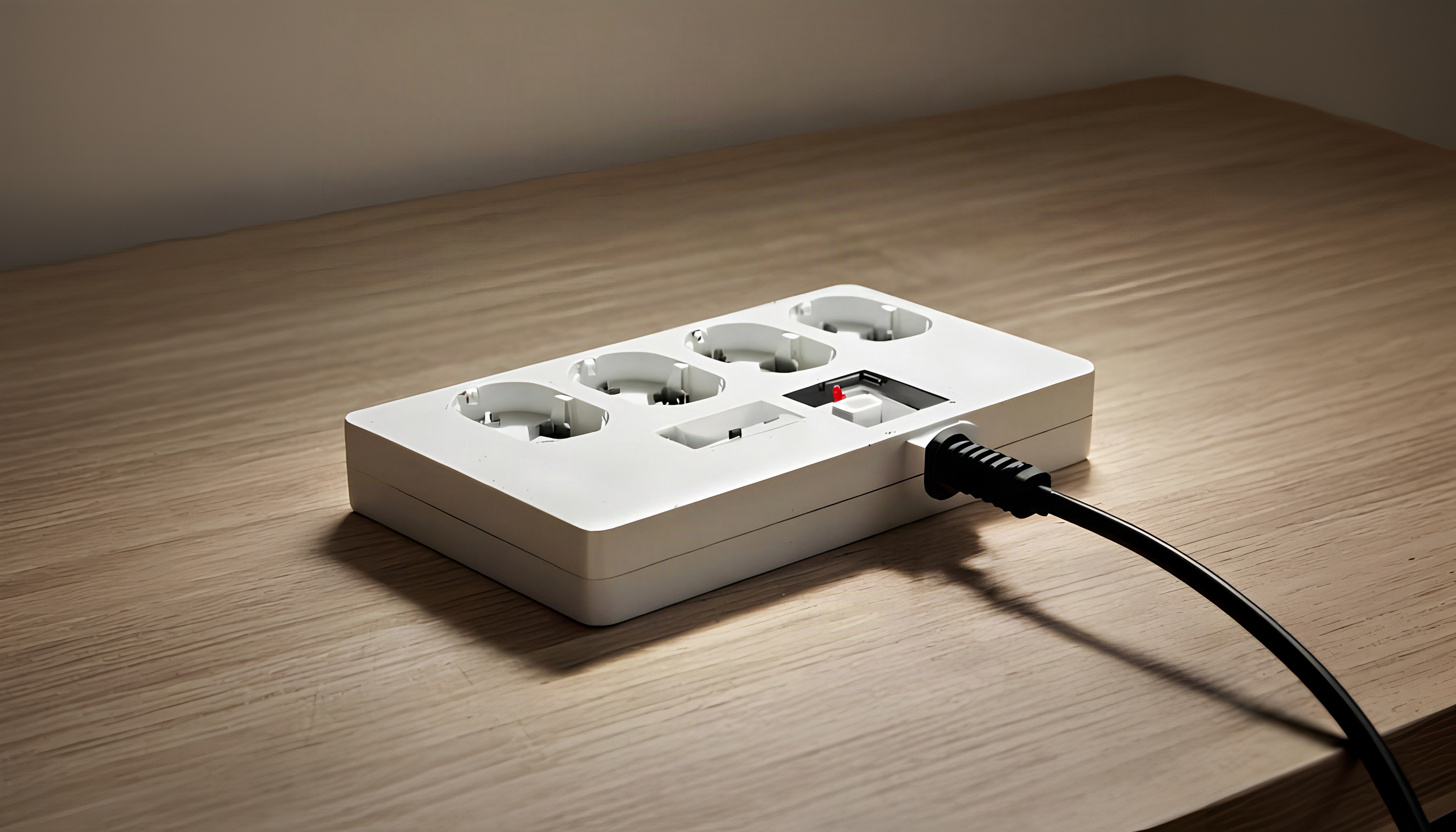
What Is The Difference Between A Surge Protector And An Extension Board; Photo Credit: iStock
What Is The Difference Between A Surge Protector And An Extension Board
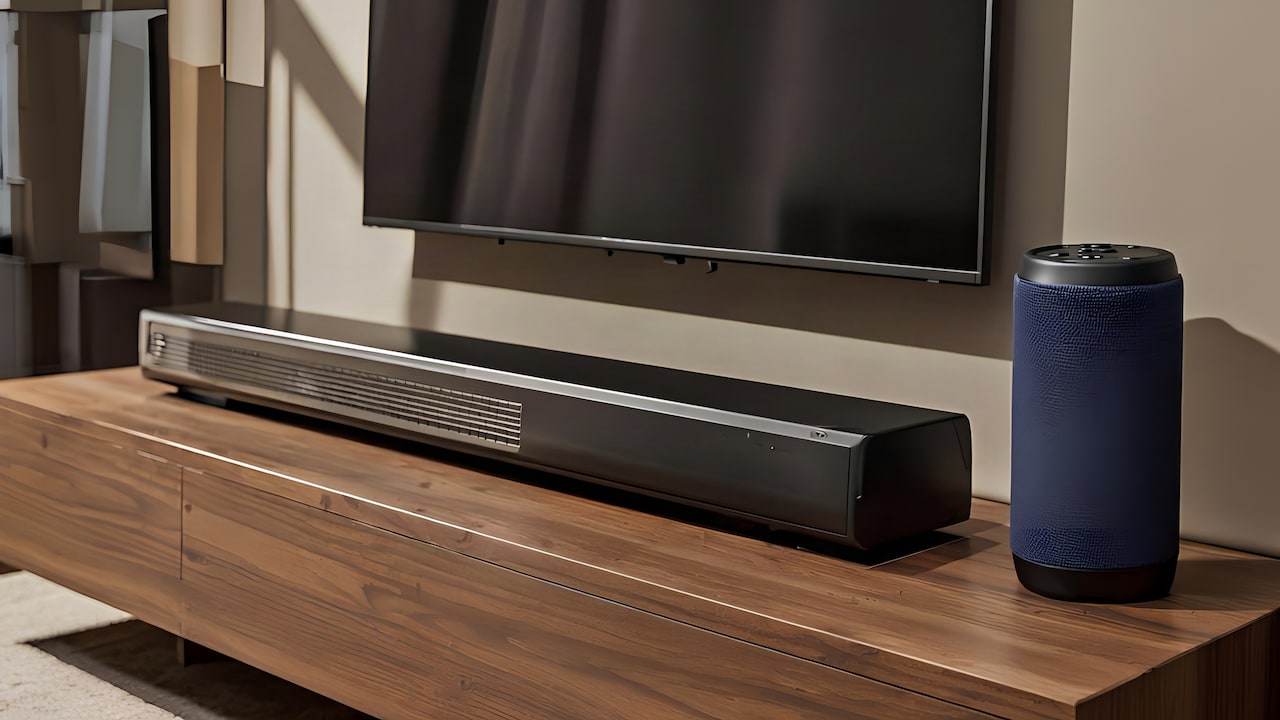
They sit side by side in most shops, so it is easy to assume they are the same thing. They are not.
1. What An Extension Board Does
The extension board only provides you with more sockets from one wall point. That's all. The simplest ones have a switch, a fuse or small circuit breaker and a length of cable. They do nothing to regulate the voltage to your devices. If the mains supply jumps, it affects anything plugged in. For a couple of LED strings, a good-quality board is often all you need.
2. What A Surge Protector Does
A surge protector has the same extra sockets but also has parts that absorb sudden voltage spikes and send the excess away. These spikes can occur after a power cut, or when whole neighbourhoods turn on lights, fans, and air-conditioners at the same time. Many of the models also have an indicator to show if the protection is still active. It may have to be replaced after a few big hits.
Which One Suits Your Diwali Lights
The answer depends on what you are lighting up and how much of it.
Also Read: Power Up Your Space: Top 5 Extension Boards Under ₹500
1. For LED String Lights
Modern LED strings draw very little power, so an extension board will usually cope with the load. The worry is the small adapter inside, which is sensitive to voltage swings. If your area sees frequent fluctuations, a surge protector adds a low-cost layer of safety for something quite delicate.
2. For Rice Lights And Older Bulb Strings
Older incandescent strings and long rice light chains draw more current and often run for hours without a break. The biggest risk here is overheating, so the rated capacity of the board is more important than spike protection. Choose a heavy-duty board with a built-in breaker and add surge protection if the same socket powers a TV or router.
3. For Electric Diyas, Lanterns And Decor
Plug-in diyas, rotating lanterns and small fountains have motors or small circuits that don't like uneven power. When several of these run together, a surge protector is the better choice. Don't let them near the socket points that feed heavy appliances like an iron or geyser.
Safe Ways To Use Them During Diwali
The device only does half the job. How you use it counts for the rest.
1. Check The Load Before Plugging In
Add up what you want to connect and check the rating on the back of the board, usually in amps or watts. Keep it well below that number. A 6 amp rated board won't like heavy bulb strings, a decorative fountain and a phone charger all at the same time.
2. Keep Connections Away From Moisture
The festive season brings dampness to balconies, gardens and doorways, especially after an evening shower. Place boards off the floor, under cover, or in a protective area. If you are running something outdoors, make sure you use outdoor-rated cable, and don't run the cable through puddles or under doormats where it can get crushed.
3. Avoid Daisy-Chaining Boards
Plugging one board into another is handy, but it loads the burden onto one cable and creates weak points. If you need more reach, use a longer cable rated for the total current. And turn everything off at midnight, too, instead of leaving the lights on until morning.
What To Look For While Buying
A few details distinguish a dependable product from one that is merely for show.
1. Certification And Build Quality
Look for the ISI mark or BIS certification, indicating that the product meets safety standards. Good signs are thick pins, flame resistant casing and a tight socket grip. A very light board with thin wiring is usually a warning, no matter how attractive the price may seem.
2. Socket Count And Cable Length
Choose a board with a few more sockets than you need now, because decorations have a way of multiplying. And consider the distance as well. A too-short cable leads to people running wires across doorways; a longer one lets you keep the board in a safer place.
Some Options You May Like:; Photo Credit: iStock
Some Options You May Like:
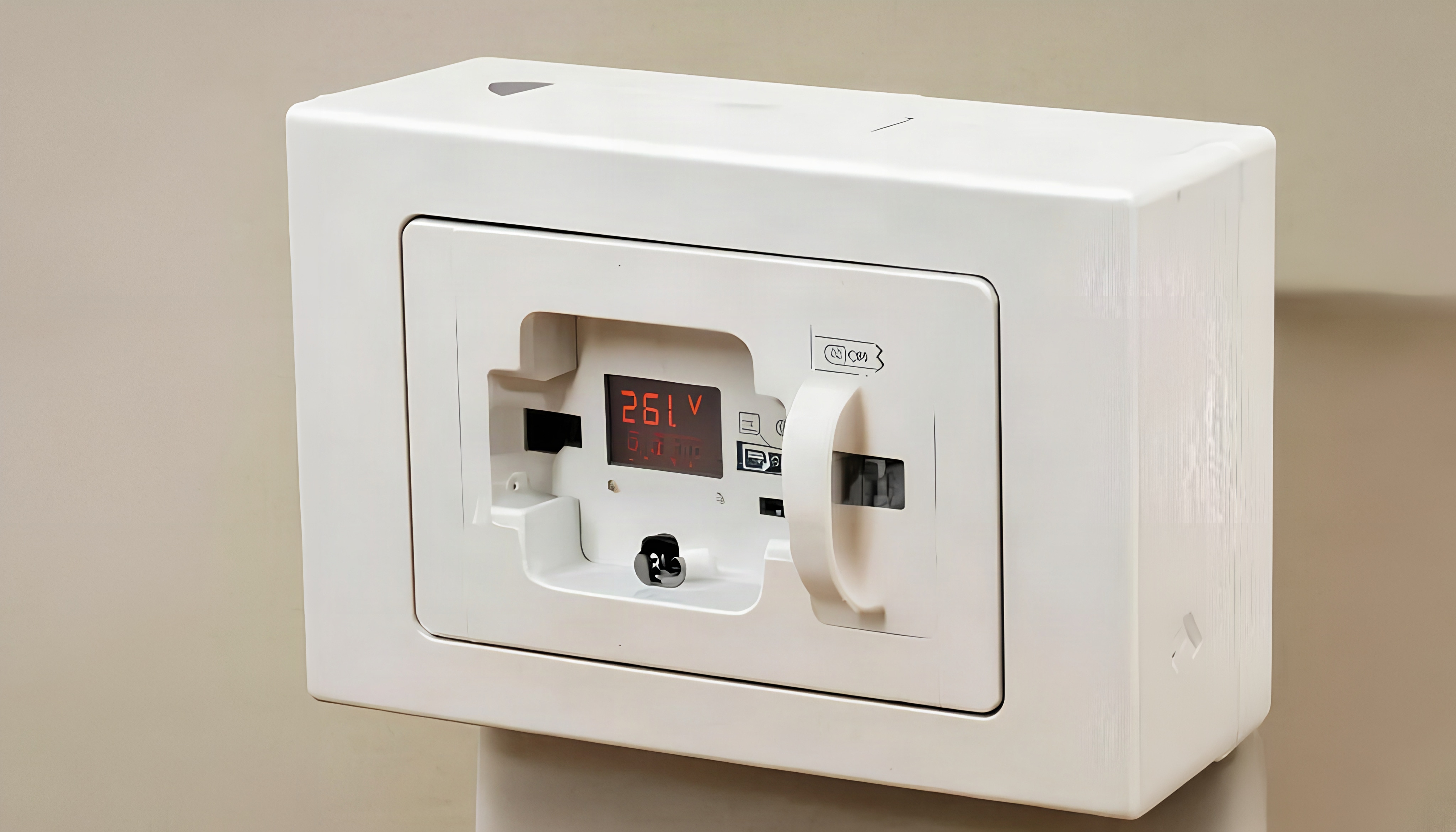
1. ELEQUA 6A Digital High/Low Voltage Cutoff
2. Honeywell Surge Protector
3. FEDUS Surge Protector
4. Artis AR-4SS-3USBCB 4 Universal Sockets
5. Havells EcoStar 4+1 Extension Board
6. Portronics Power Plate 10 Extension Boards
7. Lifelong Electronics Extension Board
8. Cablet Extension Board
While extension boards power multiple Diwali lights, only a surge protector guards against voltage spikes and short circuits. For delicate LED and fairy lights, a surge protector is the safer choice. Invest in protection over convenience this Diwali to keep your home bright, safe, and worry-free throughout the festive season. Shop now on Amazon.
Frequently Asked Questions (FAQs):
1. Can I use an extension board for Diwali lights?
Yes, for a small number of low-power LED strings, a good-quality board with a fuse or breaker works fine. Avoid heavy loads, and keep it covered if it is outdoors.
2. Is a surge protector safer than an extension board?
It offers better protection against voltage spikes, but it does not stop overloading. Both need to be used within their rated limits.
3. How many light strings can go on one board?
That depends on wattage. Add up the load of each string and keep the total comfortably below the board's rating, ideally around 70 to 80 per cent of it.
4. Can I leave Diwali lights on overnight?
It is better not to. Running them for long hours raises heat and fire risk, so switch them off before you sleep.
5. Do surge protectors need replacing?
Yes. The protective parts wear out after absorbing spikes, so replace the unit if its indicator stops glowing or after a major surge.
(Disclaimer: This article may include references to or features of products and services made available through affiliate marketing campaigns. NDTV Convergence Limited (“NDTV”) strives to maintain editorial independence while participating in such campaigns. NDTV does not assume responsibility for the performance or claims of any featured products or services.)