10 Best Blazer And Suit Styling Tips That Work For Office Wear And Events
Here are the top 10 blazer and suit styling tips - perfect outfit ideas for office wear, business meetings, and special events.

Here Are 10 Best Blazer And Suit Styling Tricks For Work Looks, Formal Events, Parties, And More.
A blazer or suit often sits at the back of the wardrobe, saved for “important days.” Yet these pieces deserve a more active life. When styled with care, they shift seamlessly from weekday meetings to evening celebrations. This article shares 10 best blazer and suit styling tips that work for office wear and events. These are evergreen styling tricks that feel current, practical, and refreshingly simple. Think of these as friendly nudges that help blazers and suits feel more relaxed, more expressive, and far more wearable.

10 Blazer And Suit Styling Tricks For Work And Events; Photo Credit: Pexels
Easy Styling Tweaks That Take You From Desk to Dinner
1. Focus on Fit Before Fashion
Fit changes everything. A reasonably priced blazer that fits well always outperforms an expensive one that hangs awkwardly. Shoulders need to sit flat. Sleeves should reveal a hint of the shirt cuff. The jacket must close comfortably without pulling.
Tailoring remains the unsung hero of great style. A small alteration, often costing ₹500–₹1,500, sharpens the entire look. Shortening sleeves, tapering trousers, or nipping the waist transforms how a suit feels and moves.
For workdays, a clean silhouette builds quiet authority. For events, the same fit creates elegance without stiffness. Baggy blazers feel dated, while overly tight ones restrict movement and confidence.
When in doubt, choose comfort. A well-fitted blazer allows long meetings, travel, and celebrations without constant adjusting. Style starts with ease, and fit delivers exactly that.
2. Play With Colour Beyond Black and Navy
Black and navy dominate wardrobes for good reason. They remain reliable, polished, and versatile. Yet colour introduces personality without drama. Shades like charcoal, olive, beige, or soft grey work beautifully for both office and social settings.
Lighter colours suit daytime events and summer weddings. Darker, earthy tones feel perfect for evening functions. Pairing a muted blazer with neutral trousers keeps the look grounded and professional.
Colour also changes mood. A deep green blazer softens formal wear. A tan suit brightens a dull workday. These shades photograph well and stand out subtly in a crowd.
The key lies in balance. Keep shirts, shoes, and accessories simple when experimenting with colour. Let one piece lead while others support. Style feels confident when colour feels intentional, not accidental.
Also Read: 10 Blazer Styling Tips: Know How To Pick One That Does Not Make You Look Like A Novice
3. Master the Art of Smart Layering
Layering turns a simple suit into a flexible outfit. A crisp shirt works for meetings, while a fine-knit sweater under a blazer adds warmth and texture. Waistcoats bring old-school charm when styled lightly.
For cooler months, try a lightweight turtleneck under a blazer. It feels modern, sleek, and surprisingly comfortable. For warmer days, a breathable cotton shirt keeps things fresh.
Layering also helps transition from work to events. Remove a tie, open a button, or add a pocket square. These small changes shift the tone instantly.
Think of layering as storytelling. Each layer adds depth and interest without overwhelming the look. When done right, it keeps outfits practical, polished, and ready for changing schedules.
4. Shoes Set the Mood
Shoes quietly decide whether an outfit feels formal or relaxed. Classic leather oxfords signal authority and suit corporate settings. Loafers strike a balance between ease and elegance. Clean sneakers, paired thoughtfully, add contemporary flair.
For long workdays, comfort matters. Well-made shoes prevent fatigue and keep posture confident. Neutral colours like brown, tan, or black pair easily with most suits.
At events, footwear offers room for expression. Textured leather, subtle detailing, or rich colours elevate the look. Avoid overly shiny finishes unless the occasion demands it.
Shoes deserve care. Polished footwear shows attention to detail. Scuffed shoes distract instantly, no matter how sharp the suit looks. Strong outfits often rest on well-chosen, well-maintained shoes.

10 Blazer And Suit Styling Tricks For Work And Events; Photo Credit: Pexels
5. Mix Formal and Casual With Confidence
Modern style thrives on balance. Pairing a structured blazer with relaxed elements keeps outfits relevant. A blazer over a plain T-shirt works for creative offices or evening gatherings. Tailored trousers with a casual shirt soften formal vibes.
This mix-and-match approach stretches wardrobe value. One blazer can appear in multiple looks across the week. It also reflects real life, where strict dress codes rarely apply anymore.
The trick lies in quality. Casual pieces must look intentional. Choose clean fabrics, neutral colours, and good fits. Avoid loud graphics or worn-out textures.
Blending formal and casual elements creates approachability. It shows style awareness without trying too hard. When done right, it feels effortless and modern.
6. Use Accessories Sparingly But Smartly
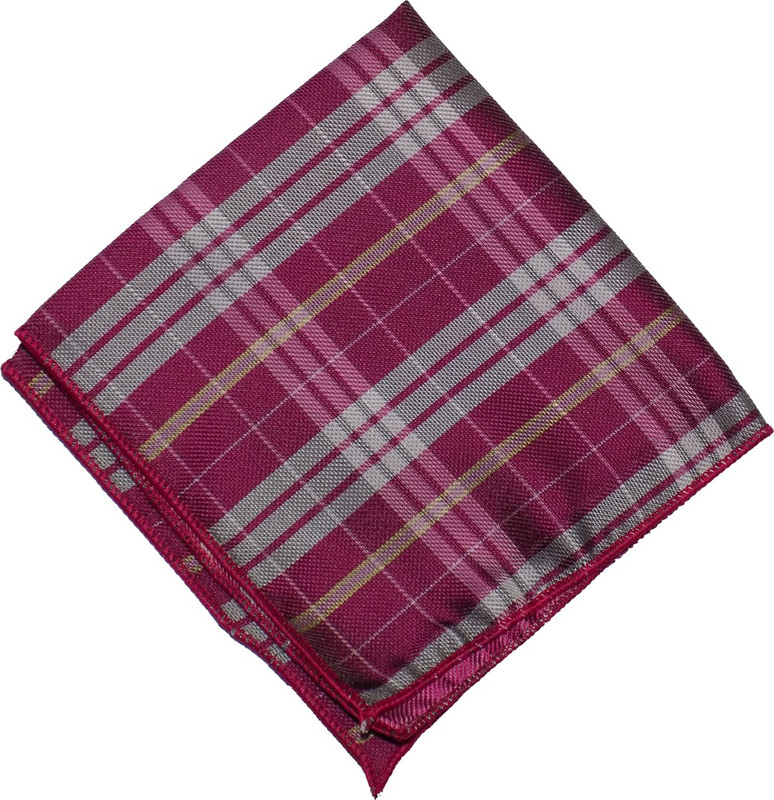
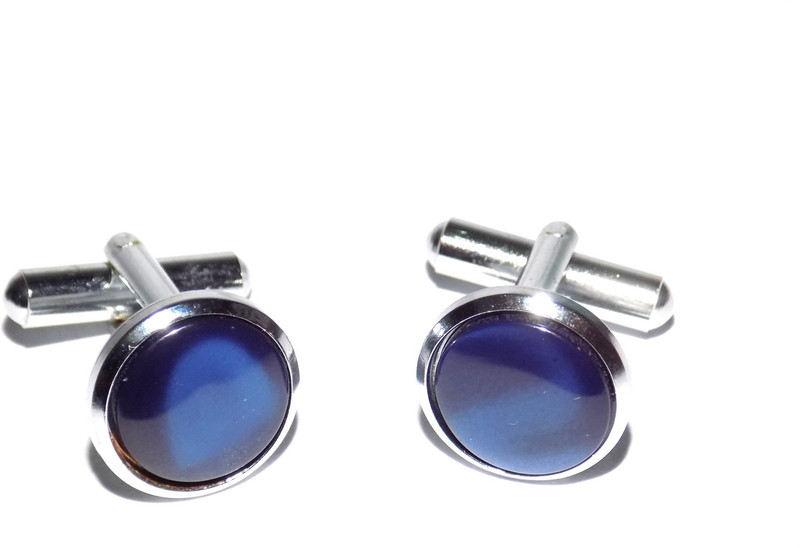
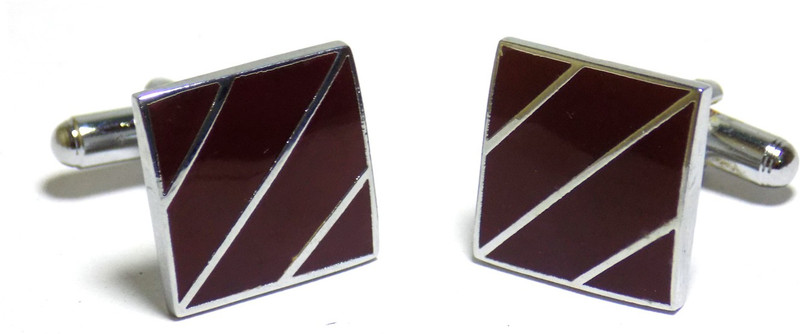
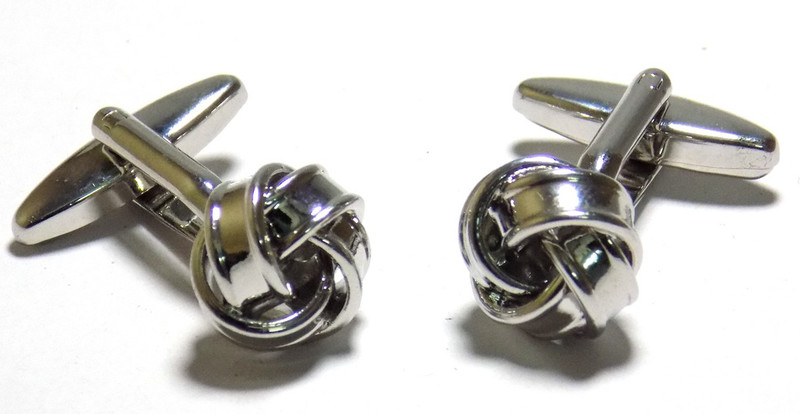
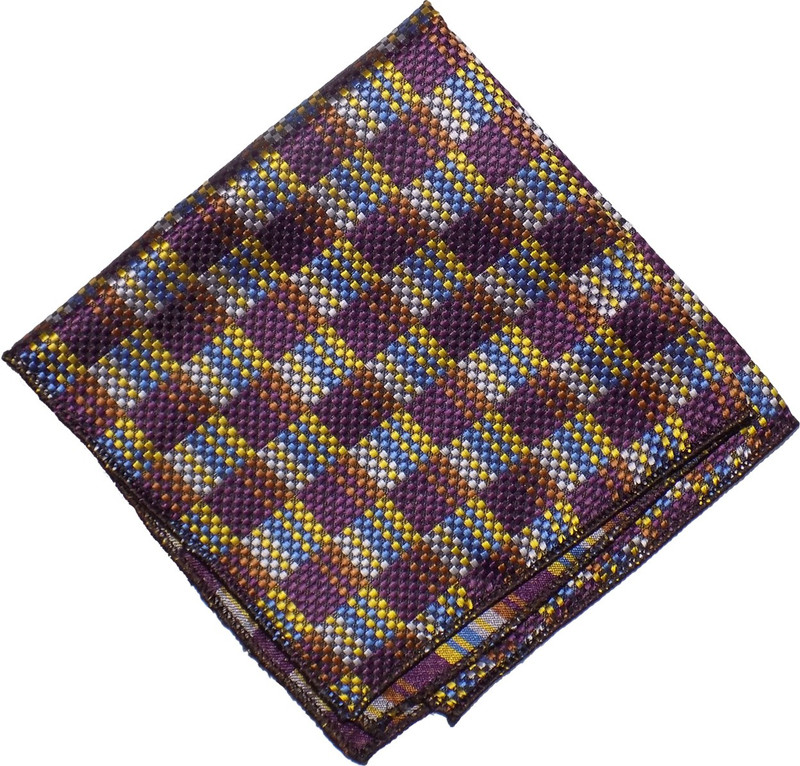
Accessories whisper style. A simple watch, a leather belt, or a pocket square adds polish without stealing focus. Over-accessorising distracts and feels forced.
For work, keep accessories minimal. A classic watch and matching belt suffice. For events, introduce subtle flair, a patterned pocket square or a textured tie.
Quality matters more than quantity. One good accessory often outshines several mediocre ones. Neutral tones ensure longevity and easy pairing.
Accessories also reflect personality. They add warmth to structured outfits. When chosen thoughtfully, they complete the look and create quiet confidence.
7. Pay Attention to Fabric and Season
Fabric choice influences comfort and appearance. Lightweight wool or cotton suits suit warmer months. Heavier fabrics work better in cooler weather and formal events.
Breathable fabrics prevent discomfort during long days. Wrinkled, sweat-marked suits undermine even the best styling. Choosing season-appropriate materials keeps outfits fresh.
Texture adds interest. Tweed, linen blends, or subtle weaves elevate simple designs. These fabrics photograph well and feel tactile.
Understanding fabric helps avoid fashion frustration. When comfort aligns with style, confidence follows naturally.

10 Blazer And Suit Styling Tricks For Work And Events; Photo Credit: Pexels
8. Experiment With Shirt Styles
Shirts shape the overall tone. Crisp white shirts remain timeless. Light blue, soft pink, or subtle patterns add variety without risk.
For work, structured collars maintain professionalism. For events, softer collars or band styles feel relaxed yet refined. Fit matters here as much as with blazers.
Avoid overly bold patterns. Subtle stripes or micro-prints keep outfits versatile. Shirts should support the blazer, not compete with it.
Rotating shirt styles refreshes familiar suits. Small changes create noticeable impact without major investment.
9. Grooming Completes the Outfit
Even the best suit struggles without good grooming. Neat hair, trimmed facial hair, and clean nails elevate the entire look. Grooming shows respect for self and occasion.
Clothes reflect style; grooming reflects discipline. Together, they create a cohesive appearance. Neglecting grooming breaks the illusion of effortlessness.
Well-groomed individuals carry suits with ease. The outfit feels natural rather than costume-like.
10. Confidence Makes Everything Work
Confidence remains the final styling trick. A blazer worn with ease always looks better. Fidgeting, slouching, or constant adjusting signals discomfort.
Confidence grows from preparation. Knowing the outfit fits, feels comfortable, and suits the occasion builds calm assurance. That assurance shows in posture and presence.
When confidence leads, blazers and suits stop feeling formal. They become reliable companions for workdays and celebrations alike.
Products Related To This Article
1. VERTICALS Men 3 Piece Suit Solid Suit
2. ALJAAMI Men jodhpuri bandhgala Solid Suit
3. PETER ENGLAND Men Two Piece Textured Suit
4. VAN HEUSEN Men Single Breasted Solid Suit
5. Riyon Men Blazer and Pant Solid Suit
Blazers and suits hold remarkable potential. With thoughtful styling, they adapt to changing roles, seasons, and events. These 10 tricks focus on fit, comfort, balance, and confidence, elements that never go out of style. A well-styled blazer or suit supports long days, meaningful meetings, and memorable moments. When approached with curiosity and ease, blazers and suits stop feeling intimidating.
(Disclaimer: This article may include references to or features of products and services made available through affiliate marketing campaigns. NDTV Convergence Limited (“NDTV”) strives to maintain editorial independence while participating in such campaigns. NDTV does not assume responsibility for the performance or claims of any featured products or services.)