Best Summer Saree Fabrics Ranked By Breathability To Keep You Cool During Summer
Discover the most breathable summer saree fabrics ranked for comfort and style. From mulmul cotton to linen and Kota Doria, find lightweight options that keep you cool and elegant during hot summer days. Try these saree fabrics in summer and slay without sweating.
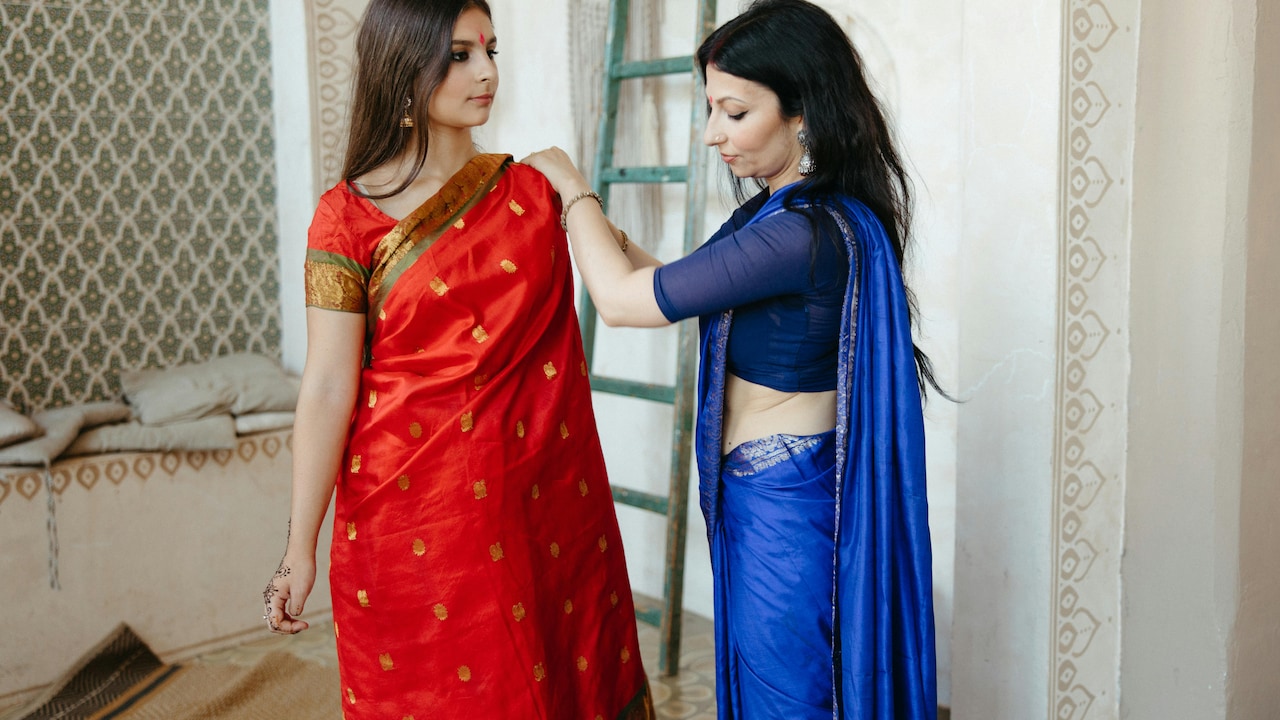
10 Best Summer Saree Fabrics Ranked By Breathability To Keep You Cool In Hot Weather.
Summer arrives with familiar rituals: chilled nimbu pani, crowded local trains filled with hand fans, and wardrobes quietly shifting toward lighter colours and softer fabrics. Sarees, despite modern fashion cycles, continue to hold their ground as everyday wear, festive attire, and office essentials. Yet anyone who has spent a humid afternoon wrapped in the wrong fabric knows that beauty alone cannot win against heat.
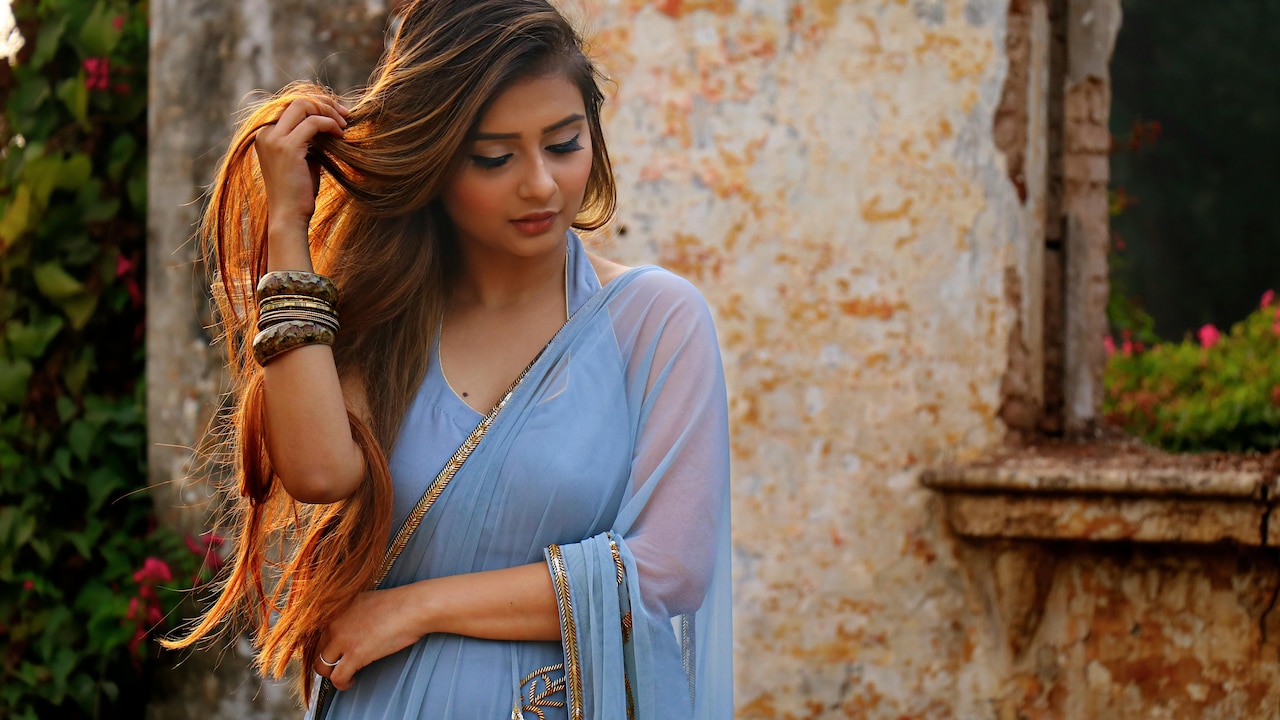
Say goodbye to overheating in sarees with these fabrics; Photo Credit: Pexels
Breathability becomes the secret hero of summer dressing. A well-chosen saree allows air to circulate, absorbs moisture, and keeps the body calm even during power cuts or long outdoor events. The difference between discomfort and ease often lies not in design but in weave, fibre, and texture.
Fashion conversations frequently focus on trends, embroidery, or celebrity inspiration. However, seasoned saree lovers understand a deeper truth: fabric decides the experience. The right material feels almost invisible, moving with the body rather than clinging to it.
This ranking explores ten summer-friendly saree fabrics, judged primarily by breathability while also considering practicality, affordability, and everyday usability. Expect nostalgia, practical wisdom, and a few surprising contenders along the way. After all, surviving summer gracefully deserves as much attention as dressing for weddings.
Also Read: Everyday Elegance: Top 5 Sarees Under ₹1,000 That Are Easy-To-Wear
How Fabric Choice Can Transform Summer Saree Comfort
1. Mulmul Cotton – The Undisputed Summer Champion
Mulmul cotton earns its reputation honestly. Often described as wearing a cloud, this fabric feels astonishingly light against the skin. Its loosely woven structure allows constant airflow, making even peak afternoon heat manageable. Unlike stiff cotton varieties, mulmul drapes softly and adapts beautifully to movement.
Many wardrobes carry memories of heirloom mulmul sarees passed down through generations. Grandmothers favoured it during long summers without air conditioning, relying on its ability to absorb sweat without looking heavy. Even today, stepping into a mulmul saree instantly creates relief similar to finding shade after walking under harsh sunlight.
The fabric also dries quickly after washing, a blessing during humid months when clothes refuse to cooperate. Prices range widely, from simple daily wear options around ₹1,200 to handcrafted versions reaching ₹6,000 or more. Despite its delicate texture, maintenance remains surprisingly easy with gentle washing.
Mulmul ranks highest because breathability meets practicality. It suits office hours, casual outings, and relaxed gatherings alike. In summer fashion, comfort rarely feels this graceful.
2. Linen Sarees – Crisp Elegance With Airflow
Linen has quietly transformed summer dressing over the past decade. Once considered too minimal for traditional wear, it now represents understated sophistication. The secret lies in flax fibres, which naturally regulate temperature and allow heat to escape quickly.
A linen saree feels cool immediately upon touch, almost like freshly ironed bedsheets on a warm night. The fabric absorbs moisture without appearing damp, making it ideal for long commutes or outdoor events. Unlike synthetic materials, linen breathes continuously, preventing that sticky discomfort familiar during humid evenings.
Its slightly crisp texture gives structure without heaviness, perfect for professional settings. Many working women favour linen because it looks polished even after hours of wear. Wrinkles, often criticised, actually add charm and authenticity.
Quality linen sarees typically start around ₹2,500 and can climb beyond ₹10,000 depending on weaving techniques and blends. Neutral shades such as ivory, pastel blue, and soft beige enhance the cooling effect visually as well.
Linen ranks high because it balances comfort and modern aesthetics. It proves that summer style can remain sharp without sacrificing airflow.
3. Kota Doria – Feather-Light Royalty
Kota Doria feels almost magical the first time worn. Known for its signature square weave, this fabric combines cotton and silk threads to create tiny air pockets throughout the saree. These spaces allow constant ventilation, which explains its exceptional summer performance.
Despite its delicate appearance, Kota Doria remains remarkably resilient. The airy transparency creates elegance without weight, making it perfect for festive daytime occasions when heavy silks feel unbearable. Walking in a Kota saree often feels effortless, as though the fabric floats rather than rests on the body.
Hot afternoons at family gatherings become noticeably easier when dressed in this weave. The saree refuses to cling, allowing natural movement and airflow. Many people describe it as the closest experience to wearing almost nothing while still looking fully dressed.
Prices usually begin near ₹1,800 and rise significantly for handwoven varieties. Maintenance requires gentle handling, yet the comfort reward justifies extra care.
Kota Doria ranks among the best because it blends tradition with climate-friendly design, offering elegance that respects summer realities.
4. Chanderi Cotton – Sheer Comfort With Subtle Shine
Chanderi cotton carries a quiet glow that elevates everyday dressing. The fabric combines lightweight cotton with fine weaving techniques, producing a sheer texture that allows air circulation without compromising sophistication.
Unlike heavier festive sarees, Chanderi feels breathable enough for daytime functions. The subtle sheen catches sunlight beautifully without creating warmth. Many choose it for celebrations held during warmer months, where dressing up remains necessary but overheating feels inevitable.
Its lightweight nature prevents fatigue during long ceremonies. Sitting through extended rituals becomes more comfortable when fabric rests gently rather than weighing down shoulders. The weave also allows perspiration to evaporate quickly, keeping freshness intact.
Chanderi sarees range from ₹3,000 to ₹12,000 depending on craftsmanship. Pastel tones and delicate motifs enhance its cooling personality, creating visual calm alongside physical comfort.
This fabric ranks highly because it bridges daily wear and occasion dressing. Few sarees manage elegance and breathability so effortlessly, making Chanderi a dependable summer companion.
5. Handloom Cotton – Everyday Heat Warrior
Handloom cotton represents reliability. It may not always attract immediate attention, yet its performance during summer remains unmatched for daily wear. The handwoven process creates tiny irregular gaps within the fabric, improving airflow compared with machine-made cotton.
Many households rely on handloom cotton for routine activities, from office work to market visits. The fabric absorbs sweat effectively and grows softer after each wash. Over time, it moulds to the wearer's comfort, becoming almost personalised.
Another advantage lies in durability. Unlike delicate fabrics reserved for special occasions, handloom cotton withstands frequent washing without losing breathability. During extended heatwaves, practicality matters more than glamour, and this fabric delivers consistently.
Prices remain accessible, starting around ₹900 and extending to ₹5,000 for intricate regional weaves. Its affordability allows multiple colour options, encouraging rotation throughout the week.
Handloom cotton ranks firmly among summer essentials because it prioritises function while quietly maintaining style. Sometimes the simplest choice proves the smartest.
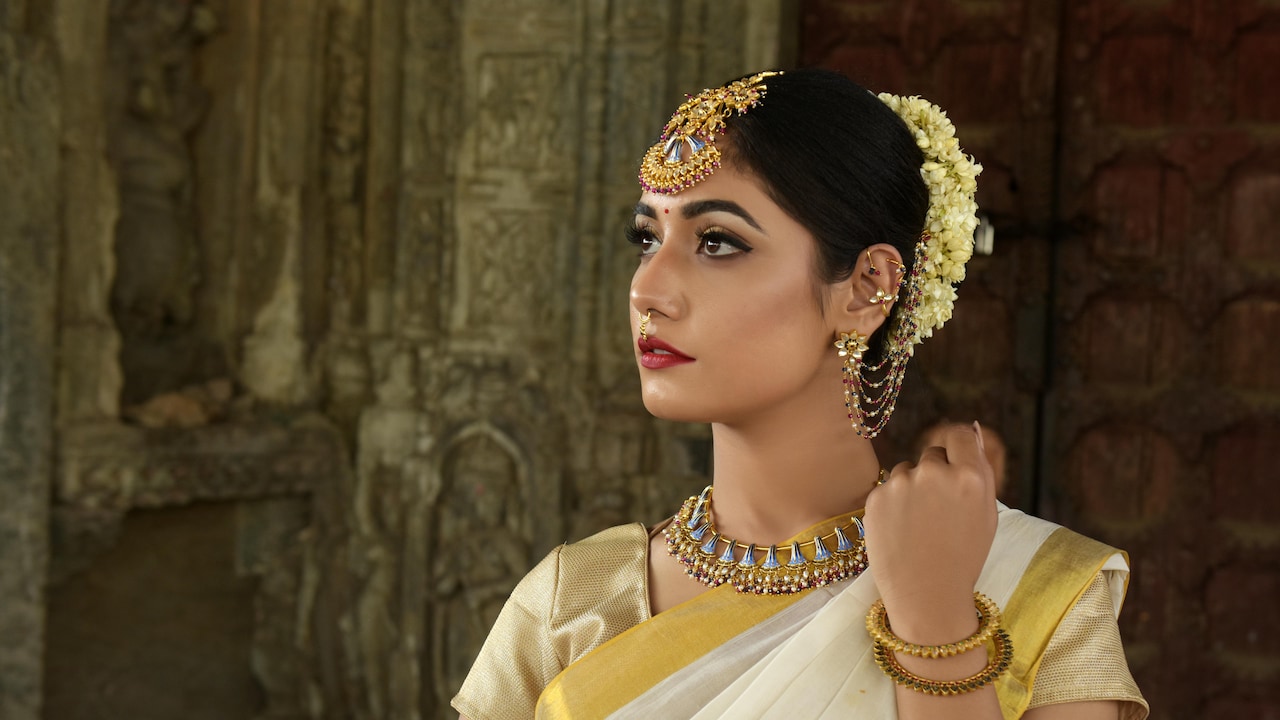
Handloom cotton absorbs sweat effectively and grows softer after each wash; Photo Credit: Pexels
6. Organza – Surprisingly Breezy Statement Wear
Organza often surprises people by performing well in summer despite its structured appearance. Made from thin yarns woven tightly yet lightly, the fabric allows airflow while maintaining dramatic volume.
Unlike heavy party fabrics, organza feels crisp rather than suffocating. Air circulates beneath its slightly stiff surface, preventing excessive heat retention. This makes it suitable for evening celebrations when elegance remains essential, but comfort cannot be ignored.
Modern organza sarees frequently feature floral prints or minimal embroidery, keeping weight low. Movement creates gentle swishing sounds, adding theatrical charm without discomfort. Though not ideal for scorching afternoons, organza excels during semi-formal summer events.
Prices typically range from ₹2,000 to ₹8,000, depending on detailing. Care requires attention, yet the payoff lies in statement style without overwhelming warmth.
Organza earns its place because breathability sometimes hides behind unexpected textures. It proves festive dressing need not feel like endurance training.
7. Tussar Silk – Natural Texture With Cooling Comfort
Silk rarely enters summer conversations, yet tussar silk deserves recognition. Unlike glossy varieties, tussar features a porous texture that allows moderate airflow. Its slightly coarse feel prevents the fabric from sticking to the skin.
Daytime weddings often call for something richer than cotton. Tussar fills that gap beautifully. It provides elegance while remaining lighter and more breathable than conventional silk sarees. The natural golden undertone pairs well with earthy colours that visually complement summer moods.
The fabric absorbs moisture better than expected, making it manageable during humid evenings. Although warmer than cotton-based options, it remains comfortable for shorter events or indoor gatherings.
Prices generally begin around ₹4,000 and can exceed ₹15,000 depending on weaving complexity. Investing in a versatile tussar saree often pays off across multiple occasions.
Its ranking reflects balance rather than supremacy. Tussar silk offers breathable luxury for moments when simplicity feels insufficient.
8. Khadi Cotton – Heritage Meets Ventilation
Khadi cotton carries a story within every thread. Hand-spun fibres create a slightly uneven texture, which significantly improves ventilation. Tiny air channels allow heat to escape naturally, making khadi a reliable summer companion.
The fabric feels earthy and grounded, ideal for those who appreciate understated aesthetics. Khadi sarees remain cool even during long outdoor days, thanks to excellent moisture absorption. As temperatures rise, the material adapts rather than resisting the climate.
Another advantage lies in sustainability. Handcrafted production requires minimal industrial processing, giving wearers comfort beyond physical ease. Many appreciate the emotional connection tied to slow fashion traditions.
Khadi sarees typically cost between ₹1,500 and ₹6,000, offering affordability alongside cultural depth. Over time, the fabric softens beautifully, enhancing comfort further.
Khadi ranks strongly due to its breathable structure and timeless appeal. Wearing it often feels like choosing simplicity in a world chasing excess.
9. Cotton-Silk Blends – Balanced But Slightly Warm
Cotton-silk blends attempt to combine elegance with practicality. The cotton component introduces breathability, while silk adds shine and fluid drape. The result works well for semi-formal summer occasions.
However, breathability varies depending on the ratio. Higher silk content increases warmth, making some blends less comfortable during peak heat. Still, lighter versions perform adequately for office events or evening functions.
These sarees appeal to those seeking versatility. One piece transitions easily from daytime meetings to dinner gatherings without requiring wardrobe changes. The fabric holds pleats neatly and photographs beautifully under natural light.
Prices range widely from ₹2,000 to ₹9,000. Choosing lighter weaves improves comfort significantly.
This fabric ranks lower purely due to reduced airflow compared with pure cotton options. Nevertheless, it remains a practical compromise between comfort and festive appeal.
10. Georgette – Light Yet Less Breathable
Georgette often appears in summer wardrobes because of its lightweight feel. Yet breathability tells a different story. Many georgette sarees use synthetic fibres that trap heat despite appearing airy.
The fabric drapes beautifully and resists wrinkles, making it popular for travel and long events. However, extended wear during humid conditions may feel slightly sticky. Airflow remains limited compared with natural fibres.
That said, georgette works well for evening occasions or air-conditioned environments. Printed versions offer vibrant styles without excessive weight, making them visually appealing choices.
Prices begin around ₹1,200 and vary widely based on embellishments. Selecting pure or blended natural variants improves comfort marginally.
Georgette ranks last in breathability but still earns mention due to practicality and popularity. Style survives, though comfort depends heavily on setting.
Products Related To This Article
1. Mitera Colourblocked Sequinned Pure Georgette Saree with Embellished Border
2. Paramparik Textile Woven Design Zari Silk Cotton Handloom Banarasi Saree
3. JAINICA Ethnic Motifs Embroidered Organza Heavy Work Saree
4. ZUBEE LUMI Embellished Embroidered Organza Heavy Work Chanderi Saree
5. SAMANTHA Ethnic Motifs Pure Linen Saree
6. Sangria Floral Printed Saree
Summer dressing revolves around intelligent fabric choices rather than sacrificing elegance. Sarees, often misunderstood as heavy or impractical in heat, actually offer remarkable comfort when crafted from breathable materials. From the whisper-soft charm of mulmul cotton to the structured grace of linen and the airy sophistication of Kota Doria, each fabric tells a story shaped by climate awareness.
The ranking reveals a clear pattern: natural fibres outperform synthetic alternatives when temperatures climb. Breathability, moisture absorption, and weave structure determine comfort far more than price or ornamentation.
Choosing wisely transforms summer experiences. Weddings feel enjoyable instead of exhausting. Office days remain manageable even during power cuts. Evening strolls become pleasant rather than draining.
Ultimately, the perfect summer saree does more than look beautiful. It allows movement, ease, and confidence under the sun. When fabric works with the weather instead of against it, style stops being effort and becomes pure joy.
(Disclaimer: This article may include references to or features of products and services made available through affiliate marketing campaigns. NDTV Convergence Limited (“NDTV”) strives to maintain editorial independence while participating in such campaigns. NDTV does not assume responsibility for the performance or claims of any featured products or services.)