A-Line vs Fit-and-Flare: Which Dress Shape Actually Lasts Through Long Days Out?
A-line and fit-and-flare dresses may look similar, but they wear very differently over long days. This article breaks down comfort, movement and practicality to see which silhouette truly lasts.
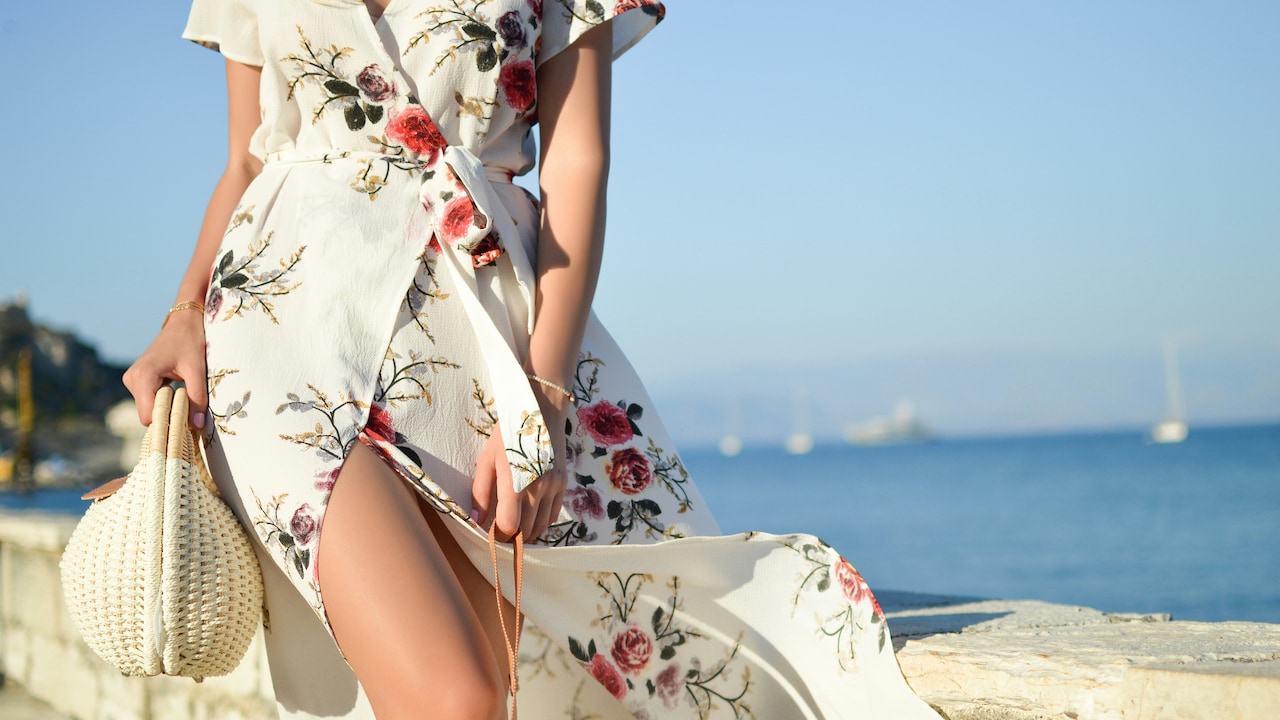
Want To Know Which Dress Shape Lasts All Day? We Compare A-Line vs Fit-and-Flare.
Long days out rarely follow a neat plan. A quick coffee turns into hours of walking. Shopping stretches longer than expected. Family lunches merge into evening catch-ups. Clothes need to keep up without becoming a distraction. Dresses feel like the simplest answer, but not all shapes behave the same once the clock keeps ticking.
A-line and fit-and-flare dresses often appear interchangeable. Both cinch near the waist and flow downwards. Both suit casual and semi-dressy settings. Yet comfort lives in details. Fabric movement, waist placement, airflow and posture support decide whether a dress feels friendly at hour ten or unbearable by sunset.
This article breaks down how these two popular silhouettes perform across real-life scenarios. The focus stays on long days, changing temperatures and varied activities. Expect relatable moments, honest comparisons and practical insight, all rooted in everyday experiences rather than runway fantasy.
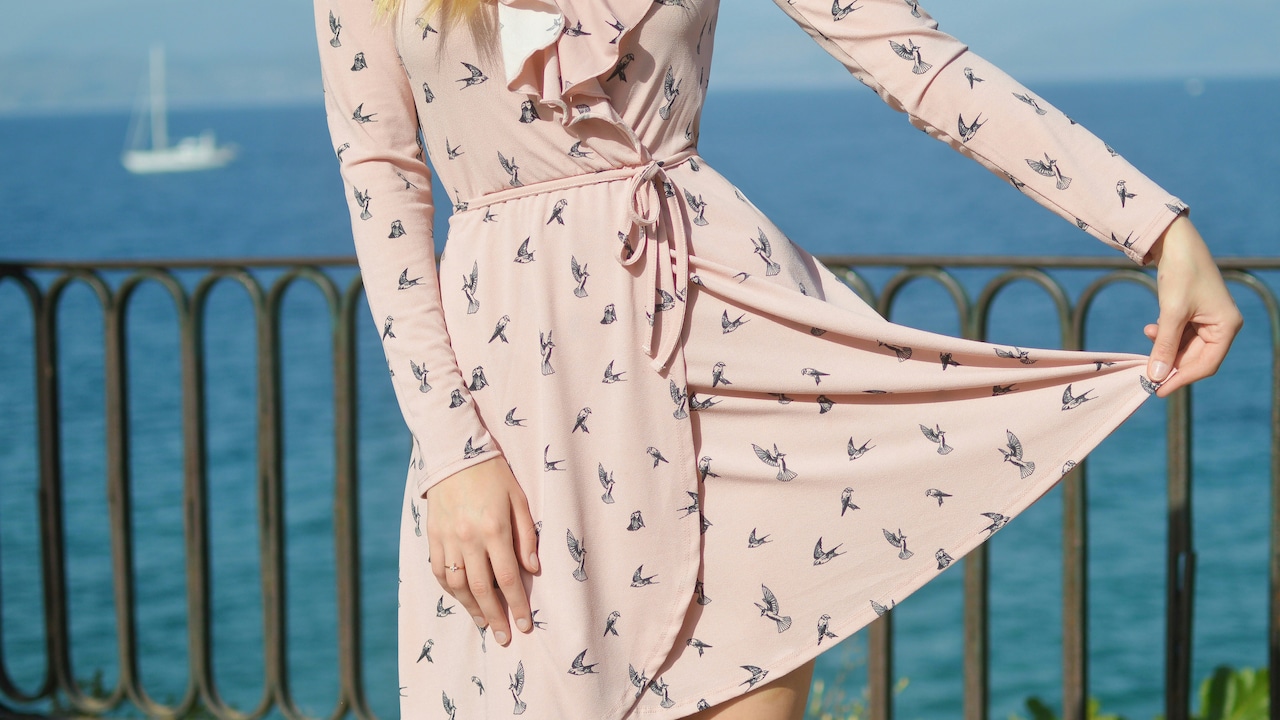
A-Line vs Fit-and-Flare: Which Dress Shape Actually Lasts Through Long Days Out?
Photo Credit: Pexels
What Really Matters When a Dress Has to Last All Day
1. Understanding the A-Line Shape in Real Life
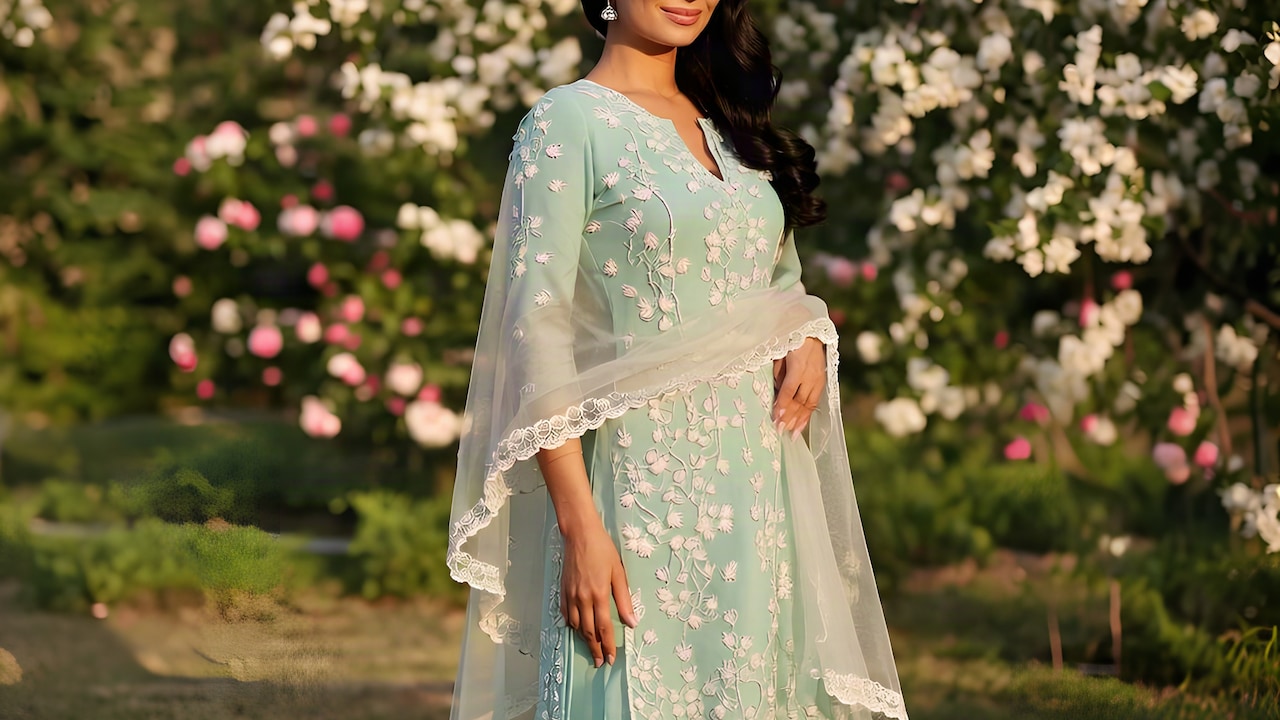
The A-line dress earns its name from its simple geometry. Fitted at the top, it gently widens towards the hem. This shape avoids drama and thrives on balance. On long days out, that simplicity becomes its biggest strength.
Movement feels natural in an A-line. The fabric does not cling or swing excessively. Walking through busy markets or climbing metro stairs feels easy. The dress stays in place without tugging or shifting. Sitting for long lunches remains comfortable since the waist does not press hard against the body.
Another advantage lies in adaptability. A-line dresses suit both structured and soft fabrics. Cotton versions handle heat well. Crepe or linen blends maintain shape through hours of wear. Even after repeated sitting and standing, the silhouette looks tidy rather than rumpled.
This shape also forgives fluctuations. A heavy breakfast or late dessert does not cause discomfort. The gradual flare allows space without shouting for attention. For days that start early and end late, the A-line often behaves like a quiet companion that never demands fuss.
2. Fit-and-Flare: Designed for Drama, Tested by Time
Fit-and-flare dresses focus on contrast. A snug bodice meets a sharply flared skirt. The shape celebrates curves and movement. At first glance, it promises elegance and charm. Over long hours, however, that structure faces challenges.
The fitted upper portion demands precision. Waistbands, seams and darts sit firmly in place. After hours of wear, that firmness can feel restrictive. Long car rides, extended meals or humid weather may cause discomfort around the midsection.
The flared skirt offers freedom but also adds volume. In crowded spaces, extra fabric brushes against surfaces and people. The skirt may twist or lift slightly while sitting, requiring readjustment. This interrupts ease during a packed day.
Fit-and-flare dresses shine during shorter outings or occasions with controlled movement. Overextended hours, the shape asks for patience. The look remains striking, but comfort slowly competes with style. For long days, this silhouette works best when cut with softer seams and forgiving fabrics.
3. Fabric Choices That Change Everything
Dress shape never works alone. Fabric decides how that shape behaves over time. In long-day scenarios, this factor becomes crucial.
A-line dresses handle heavier fabrics well. Cotton twill, linen blends and light denim hold structure without stiffness. These fabrics resist creasing and allow airflow. The shape stays consistent from morning to night.
Fit-and-flare dresses demand lighter materials. Stiff fabrics exaggerate volume and restrict movement. Soft georgette, rayon or lightweight cotton improves comfort. Even then, the fitted bodice may trap heat during peak afternoon hours.
Sweat absorption also matters. Natural fibres perform better across both silhouettes. Synthetic blends may look polished, but often feel uncomfortable after prolonged wear. A long day out leaves little room for breathless fabrics.
In local climates where humidity rises without warning, fabric choice often outweighs shape. An A-line in breathable cotton often outlasts a fit-and-flare in synthetic satin, regardless of visual appeal.
4. Waist Placement and Its Impact Over Hours
Waist placement defines comfort more than most realise. Both silhouettes rely on the waist, but they treat it differently.
A-line dresses usually skim the waist rather than grip it. Some designs place the seam slightly higher or lower, creating flexibility. This suits long wear, especially during meals or long periods of sitting.
Fit-and-flare dresses centre attention on the waist. The seam sits firmly at the narrowest point. Early in the day, this feels flattering. Over time, the constant pressure may cause discomfort. Posture changes, bloating or extended sitting amplify the issue.
Elasticated waists soften the problem but alter the structure. Without stretch, the fitted bodice demands consistent body alignment. Any shift feels noticeable.
For long days that include eating out or travel, gentler waist definitions perform better. A-line dresses win here by offering shape without constraint.
5. Movement, Mobility and Everyday Chaos
Long days involve unpredictable movement. Walking, bending, sitting on low stools, climbing steps and standing in queues test clothing resilience.
A-line dresses support mobility. The moderate flare allows leg movement without excess fabric. The hem stays controlled, reducing the risk of accidental stepping or catching. This proves helpful in busy streets and public transport.
Fit-and-flare dresses encourage graceful movement but require space. The wider skirt swings freely. In tight environments, this becomes inconvenient. Sitting may require arranging the skirt to avoid creasing or exposure.
Wind also plays a role. Flared skirts lift easily in breezy conditions. A-line skirts stay grounded due to their subtler spread.
For days packed with errands and spontaneous detours, ease of movement defines success. A-line dresses align better with everyday chaos.
6. Temperature Control Through Long Hours
The weather rarely stays consistent. Morning coolness gives way to afternoon heat, followed by evening humidity. Dress shape affects how the body manages these shifts.
A-line dresses promote airflow. The gradual flare allows heat to escape. The lack of tight seams improves ventilation. This keeps the body comfortable during extended outdoor time.
Fit-and-flare dresses trap warmth at the bodice. The snug upper half limits airflow. During hotter hours, this causes discomfort. The flared skirt helps slightly, but cannot offset the fitted top.
Layering also differs. A-line dresses accept light jackets or shrugs easily. Fit-and-flare dresses may bunch under layers due to their structure.
For long days under shifting temperatures, breathability matters more than shape aesthetics. A-line designs offer a practical edge.
7. Style Longevity from Morning to Night
Looking put-together at 9 am feels easy. Maintaining that appearance at 9 pm proves harder.
A-line dresses age gracefully through the day. Minor creases blend into the silhouette. The shape hides signs of wear. The overall look remains neat without effort.
Fit-and-flare dresses show fatigue sooner. The bodice creases around the waist. The skirt may lose volume or appear crushed after hours of sitting. Frequent smoothing becomes necessary.
Footwear changes also influence appearance. A-line dresses adapt well to flats during the day and sandals or low heels later. Fit-and-flare dresses often demand specific footwear to balance the silhouette.
For long days that stretch into evening plans, visual longevity supports confidence. A-line dresses maintain composure with less intervention.
8. Versatility Across Social Settings
Long days rarely stick to one setting. Office meetings blend into shopping trips, family lunches and casual dinners.
A-line dresses transition smoothly. Neutral designs suit professional spaces. Simple accessories shift the mood for evening outings. The shape never feels out of place.
Fit-and-flare dresses lean towards occasion wear. The dramatic flare draws attention. In formal settings, this works well. In casual errands, it may feel overdressed.
Adaptability reduces outfit anxiety. When one dress suits multiple settings, the day flows better. A-line designs deliver that flexibility without sacrificing style.
For those days that involve unexpected invitations, the understated charm of an A-line proves valuable.
9. Budget, Wear Frequency and Practical Value
Cost matters when choosing everyday wear. Dresses that last through long days also need to justify their price.
A-line dresses offer better cost-per-wear. The shape resists trend cycles. Simple designs remain relevant for years. Frequent use does not degrade comfort.
Fit-and-flare dresses often serve specific occasions. Limited wear reduces value. Repeated long-day use may strain seams and fabric due to the fitted structure.
Maintenance also differs. A-line dresses tolerate machine washing better. Fit-and-flare dresses may require careful handling to preserve shape.
For budgets that balance quality and frequency, A-line dresses provide reliable returns. Spending ₹1,500 on a dress worn weekly feels wiser than ₹3,000 on one worn twice a year.
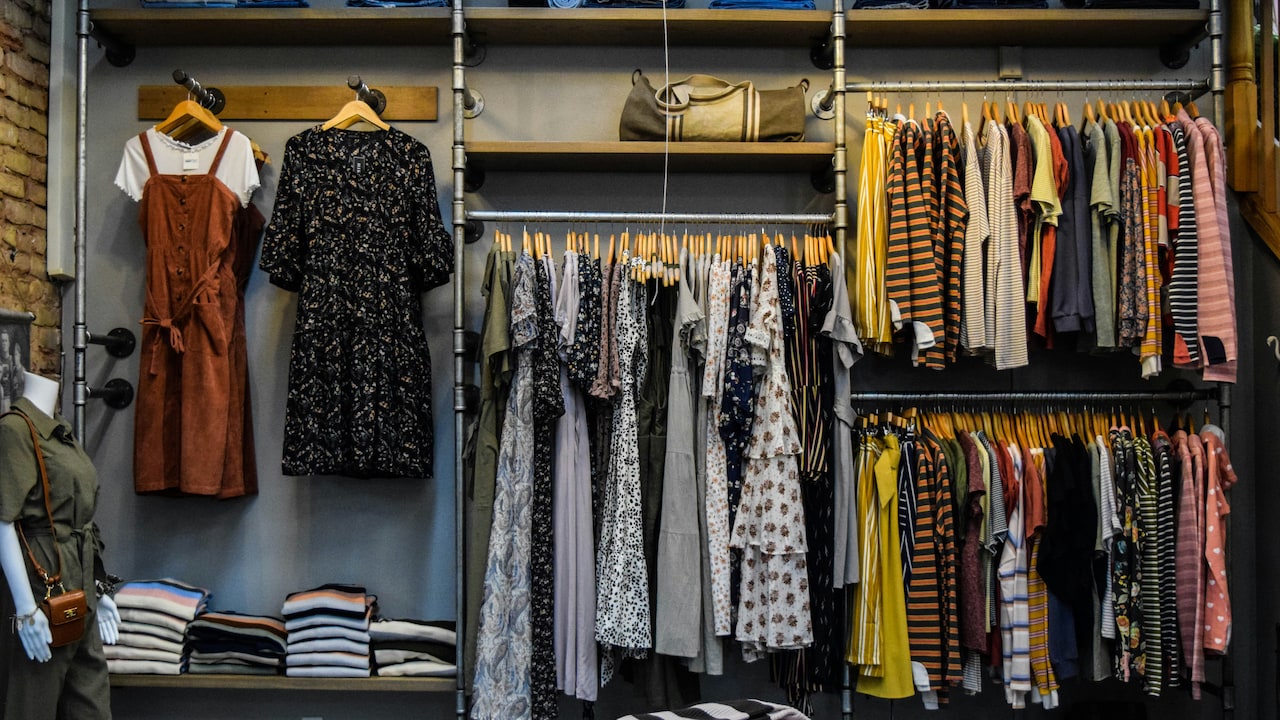
A-Line vs Fit-and-Flare: Which Dress Shape Actually Lasts Through Long Days Out?
Photo Credit: Pexels
10. Emotional Comfort and Confidence Over Time
Comfort extends beyond fabric and fit. Emotional ease plays a role during long days.
A-line dresses create quiet confidence. The wearer forgets about the dress and focuses on the day. No constant adjusting. No worry about posture or sitting angles.
Fit-and-flare dresses demand awareness. The shape invites compliments but also self-monitoring. Over time, that attention may feel tiring.
Clothes that disappear into the background often serve best. When comfort supports confidence, energy stays high.
For long days out, emotional comfort matters as much as style. A-line dresses tend to win this invisible yet powerful battle.
Products Related To This Article
1. Anayna Red Floral Ethnic A-Line Cotton Midi Ethnic Dress
2. OCTICS Red Embroidery Puff Slevee Midi Dress
3. SAANVRA Floral Print Fit & Flare Midi Dress
4. THREAD BOX Floral Print Flutter Sleeve Georgette A-Line Midi Dress
5. Stylecast X Slyck Solid Pattern V-Neck A-Line Above the Knee Length Dress
6. Inddus Shoulder Straps Fit and Flare Ethnic Dresses
7. Claura Blue Floral Printed Mandarin Collar Tiered Cotton Cambric Fit & Flare Midi Dress
Both A-line and fit-and-flare dresses bring charm to wardrobes. Each serves a purpose. When the day stretches long, however, practicality takes the lead. A-line dresses support movement, adapt to temperature changes and maintain comfort without effort. They suit varied settings and endure extended wear with grace.
Fit-and-flare dresses shine during shorter outings and special moments. Their structured beauty suits occasions rather than endurance. Over long hours, the fitted design demands patience.
Choosing the right silhouette depends on the day ahead. For errands, travel, social hopping and unpredictable plans, A-line dresses offer reliability. They move with the wearer rather than against them.
Style lasts longer when comfort leads the way. On long days out, the quiet strength of the A-line often proves that lasting appeal comes from ease, not excess.
(Disclaimer: This article may include references to or features of products and services made available through affiliate marketing campaigns. NDTV Convergence Limited (“NDTV”) strives to maintain editorial independence while participating in such campaigns. NDTV does not assume responsibility for the performance or claims of any featured products or services.)