Anarkali vs Straight Kurta: Which Suits A Festive Family Function
Anarkali or straight kurta for a festive family function? Compare fit, comfort, styling and fabrics to choose the right outfit for your celebration best.
Easy tips to choose between anarkali vs straight kurta
Festive family functions have a way of turning the wardrobe into a decision-making exercise. You want something traditional enough for the occasion, comfortable enough to move around in, and stylish enough to feel dressed up without looking overdressed.
That is where the choice between an Anarkali and a straight kurta often comes in. Both work beautifully for festive dressing, but they create very different silhouettes and moods.
How To Choose The Right One For Your Family Function
Photo Credit: iStock
So, which one should you pick for a family puja, Diwali gathering, wedding function or festive dinner? The answer depends on the occasion, the kind of fit you prefer and how much styling you want to bring into the look.
Why Anarkali Kurtas Feel More Festive
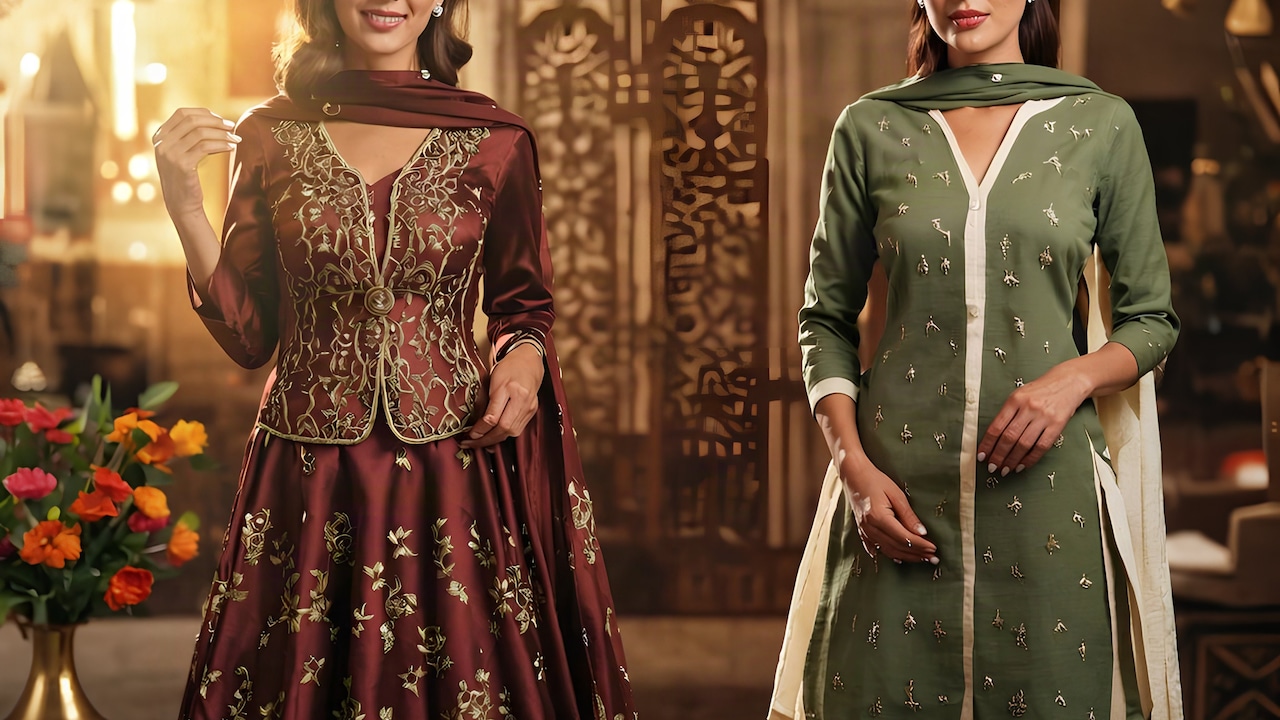
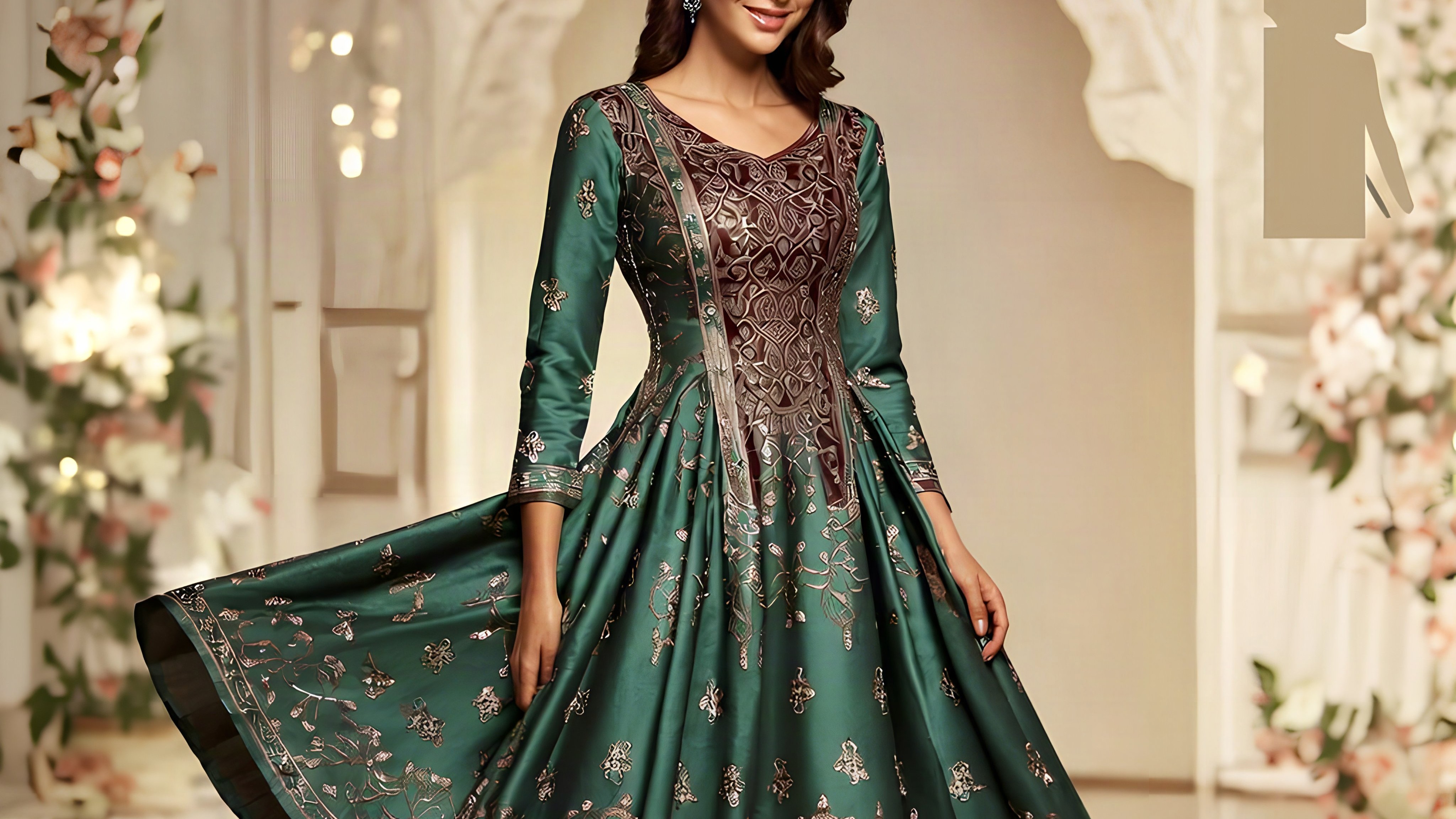
Anarkalis naturally have a dressier appearance because of their flared silhouette. The extra volume from the waist or below gives the outfit movement, making it look more elaborate even when the detailing is relatively simple.
For family functions where you want your outfit to feel traditional, or at least a celebratory mood, an Anarkali is an effortless pick. Printed cotton versions can work for daytime get-togethers, but when it's evening, embroidered, silk-blend, or embellished styles seem to look more dressed up.
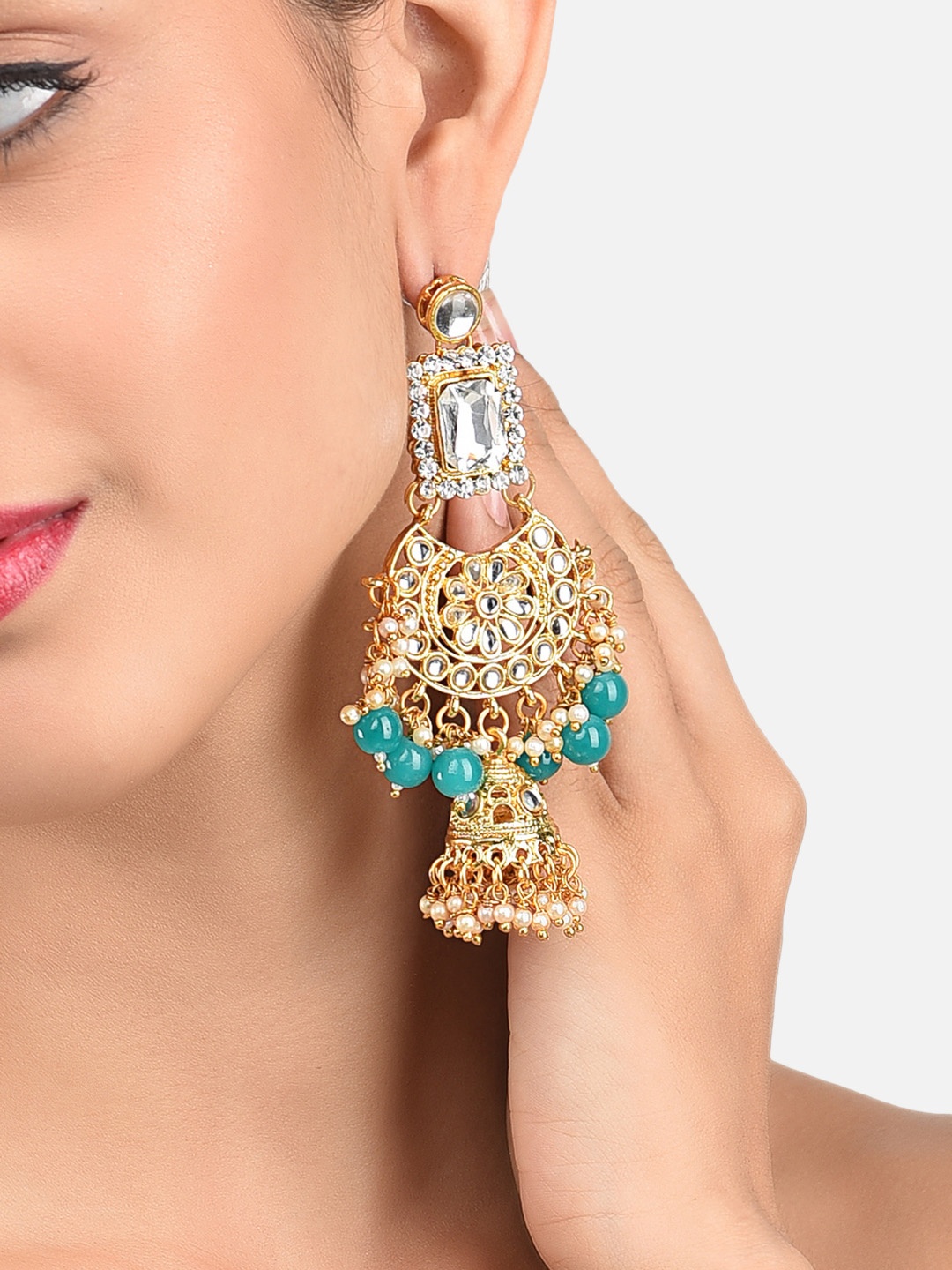
The silhouette also vibes nicely with dupattas, jhumkas and classic footwear. So you get a lot of room to craft a festive look without stacking on too many accessories or going overboard.
When Does A Straight Kurta Work Better?
A straight kurta has a more streamlined silhouette, and it usually ends up looking polished without feeling overly elaborate. So it's especially well-suited for those family events where there's lots of moving around, hosting people or just spending several hours with relatives.
Straight kurtas can also be easier to style in different ways. Pair one with palazzos for a relaxed festive look, straight pants for a sharper appearance or a contrasting dupatta when you want more colour and detail.
If you prefer understated ethnic wear or want an outfit that can be reused beyond festive occasions, the straight kurta can offer greater versatility.
Anarkali vs Straight Kurta: How Do They Compare?
The biggest difference is the silhouette, Anarkalis add volume and movement, while straight kurtas still do that cleaner, more structured line.
If dressing up is part of the fun, then an Anarkali can make a stronger visual statement, it just reads differently. For smaller get-togethers or moments where comfort and everyday versatility feel more important, a straight kurta might feel more natural, like you can just move.
Fabric also changes the overall effect. Flowing fabrics can enhance the movement of an Anarkali, while cotton, rayon and similar everyday-friendly fabrics can make either style more comfortable for longer celebrations.
Which One Is More Comfortable?
Comfort depends more on the fabric, fit and construction than on the silhouette alone. A lightweight Anarkali can feel comfortable to wear, while a straight kurta in a heavy fabric may feel restrictive.
If you expect to sit, move around and spend several hours at the function, check the fabric, sleeve fit and overall length before choosing.
Which One Looks More Traditional?
Anarkalis generally have a more traditional and occasion-ready appearance because of their flared shape. However, embroidery, prints, dupattas and accessories can make a straight kurta look really festive. A straight kurta with a rich dupatta and statement jewellery can easily shift from simple ethnic wear to celebration-ready dressing too.
Which One Is Easier To Style?
Straight kurtas usually offer more styling flexibility. You can change the bottoms, dupatta, jewellery or footwear and create a noticeably different look.
Anarkalis already have a strong silhouette, so they often need fewer styling elements. A pair of earrings, comfortable footwear and a coordinated dupatta may be enough.
Which One Works For Different Body Types?
Neither silhouette is limited to a particular body type. The better choice depends on the fit and proportions you feel most comfortable in.
Anarkalis can create a flowing, elongated look, while straight kurtas give more of a defined, streamlined vibe. If you try a few different lengths and fits, you can end up finding the silhouette that just feels more flattering for you.
How To Choose The Right One For Your Family Function
Instead of picking what looks best just based on trend, pause and think about what the function actually demands. A grand family celebration might call for a more elaborate Anarkali, yet a smaller puja could be better suited to a simple straight kurta.
Step 1: Consider The Type Of Function
Start with the occasion itself. Like a wedding-related celebration, a festive dinner, or a large family gathering, it gives you more space to experiment with an embellished Anarkali effortlessly.
For a morning puja or a casual family get-together, a printed or lightly detailed straight kurta can look put-together without feeling too excessive.
Step 2: Check The Time Of The Event
Daytime functions usually go pretty well with lighter shades, breathable cloths and those subtle prints that don't shout. Cotton and lightweight rayon can be a comfort pick when temperatures climb a bit.
For evening celebrations you might want darker colours, embroidery, metallic accents or richer textures for a more festive final touch.
Step 3: Think About Your Comfort
Festive occasions rarely involve sitting still for hours. You may be moving between rooms, greeting relatives, eating, taking photographs or helping with arrangements.
Choose a silhouette that allows comfortable movement. Pay attention to sleeve openings, neckline, fabric weight and the amount of flare before buying.
Step 4: Match The Outfit With Your Styling Plans
If you already got statement earrings or a super embellished dupatta, then a simpler kurta can balance everything out.
On the other hand, if you like minimal accessories, an embroidered Anarkali can give enough visual interest all by itself.
Step 5: Pick The Right Fabric
Fabric can entirely change how an ethnic outfit looks and feels. Cotton gives a more relaxed appearance, while rayon and blended fabrics can add that extra fluidity and a better drape feel to it.
For dressier occasions, materials with some sheen, embroidery, or even richer textures can make the whole outfit feel a bit more celebratory.
Step 6: Consider Reusability
Think beyond the upcoming function. A versatile straight kurta can often be worn with different bottoms and dupattas for work, dinners, or smaller occasions, and you don't need to make it a whole event every time.
An Anarkali can also be reused, especially if you pick a flexible print or a comparatively simple design rather than something too occasion-specific, because then it feels more adaptable.
Step 7: Balance Colour And Prints
Festive dressing does not always mean choosing the brightest outfit. Jewel tones, earthy shades, pastels and traditional prints can all work depending on the event.
If the kurta has a bold print or embroidery, keep the rest of the outfit relatively balanced. With a plain kurta, a colourful dupatta or statement jewellery can add a festive element.
Step 8: Finish The Look With Accessories
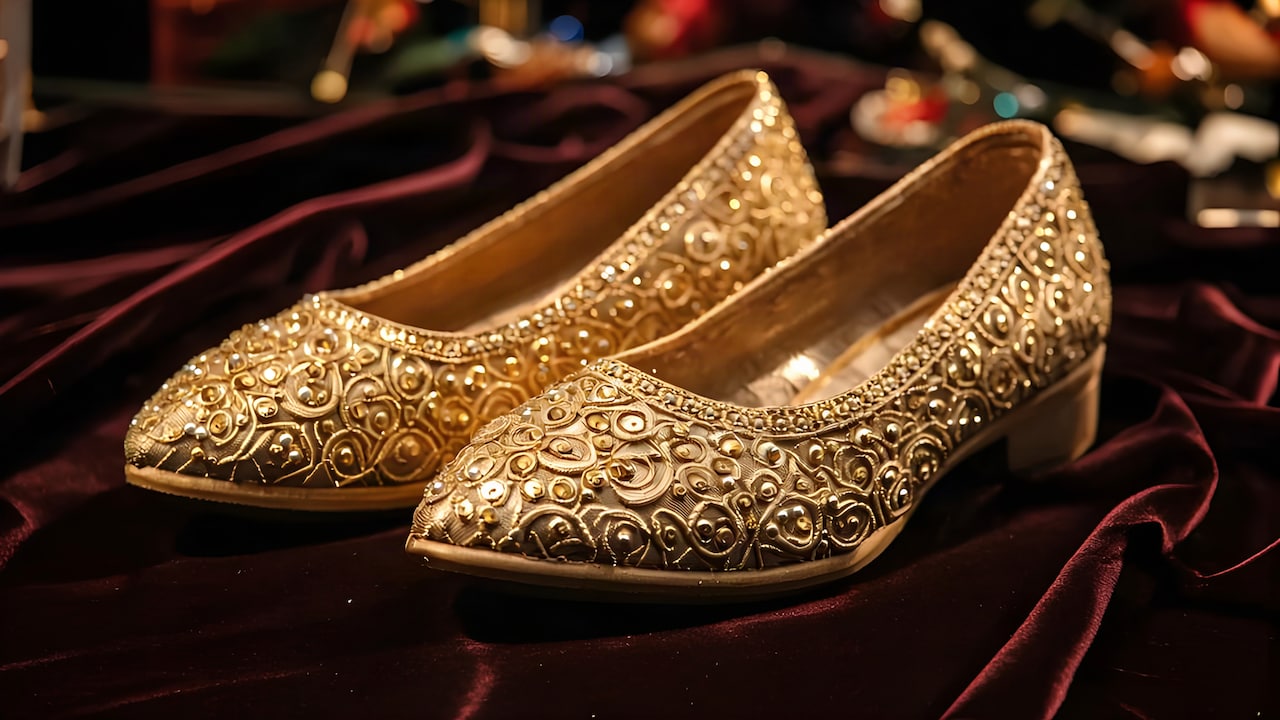
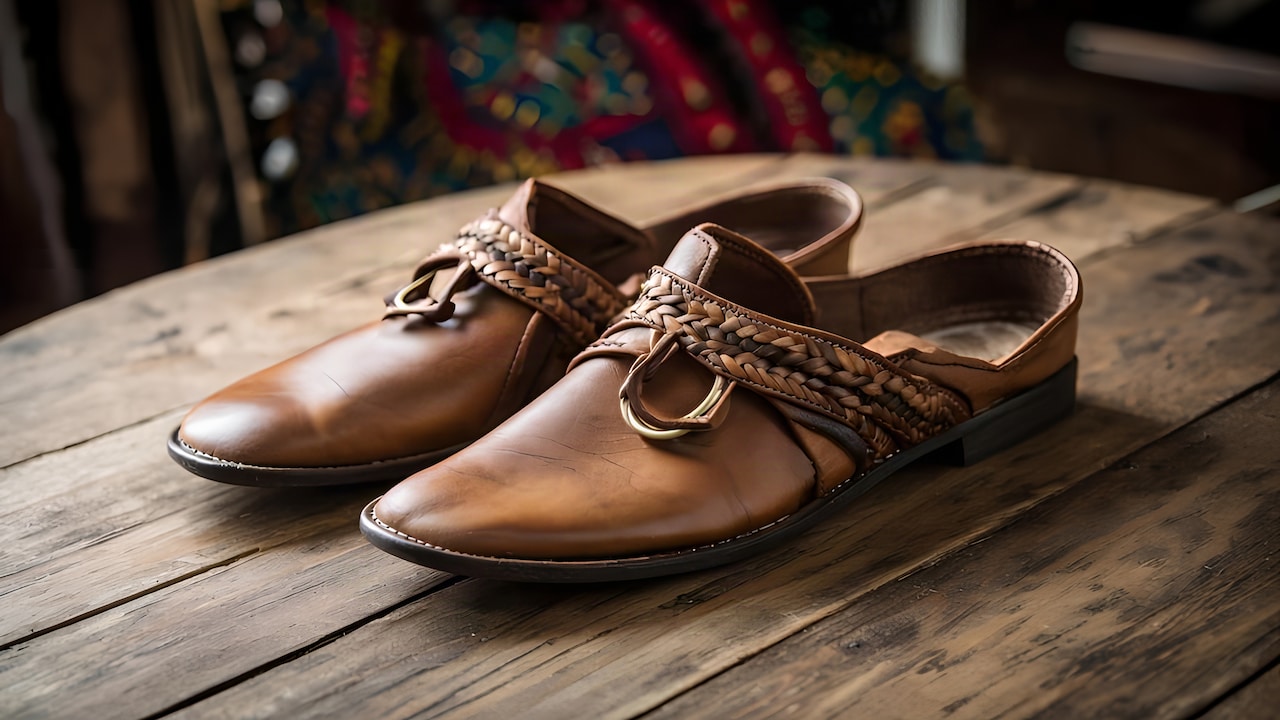
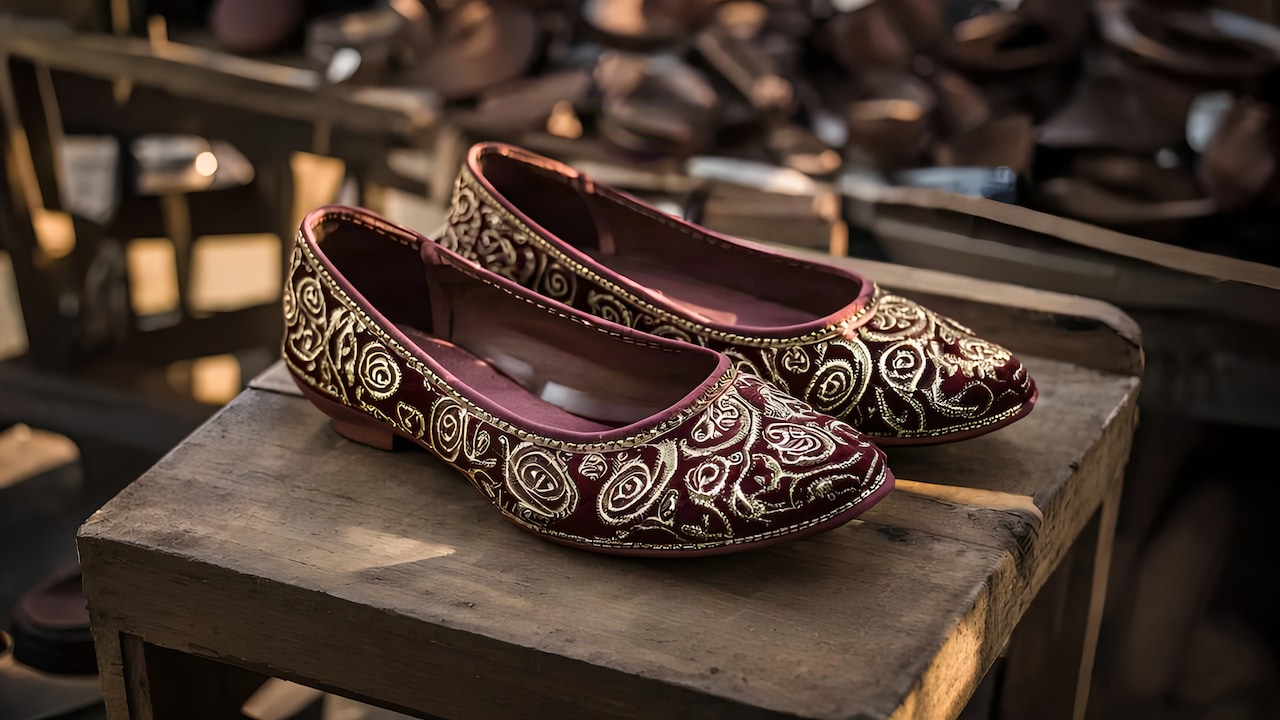
The right accessories can really change the vibe of each silhouette, like it's almost immediate. Jhumkas, bangles, a little bindi and traditional footwear can instantly make a plain kurta feel more celebratory.
For an Anarkali, avoid adding too many competing elements. Let the flare, embroidery or print remain the main focus and use accessories to complement it.
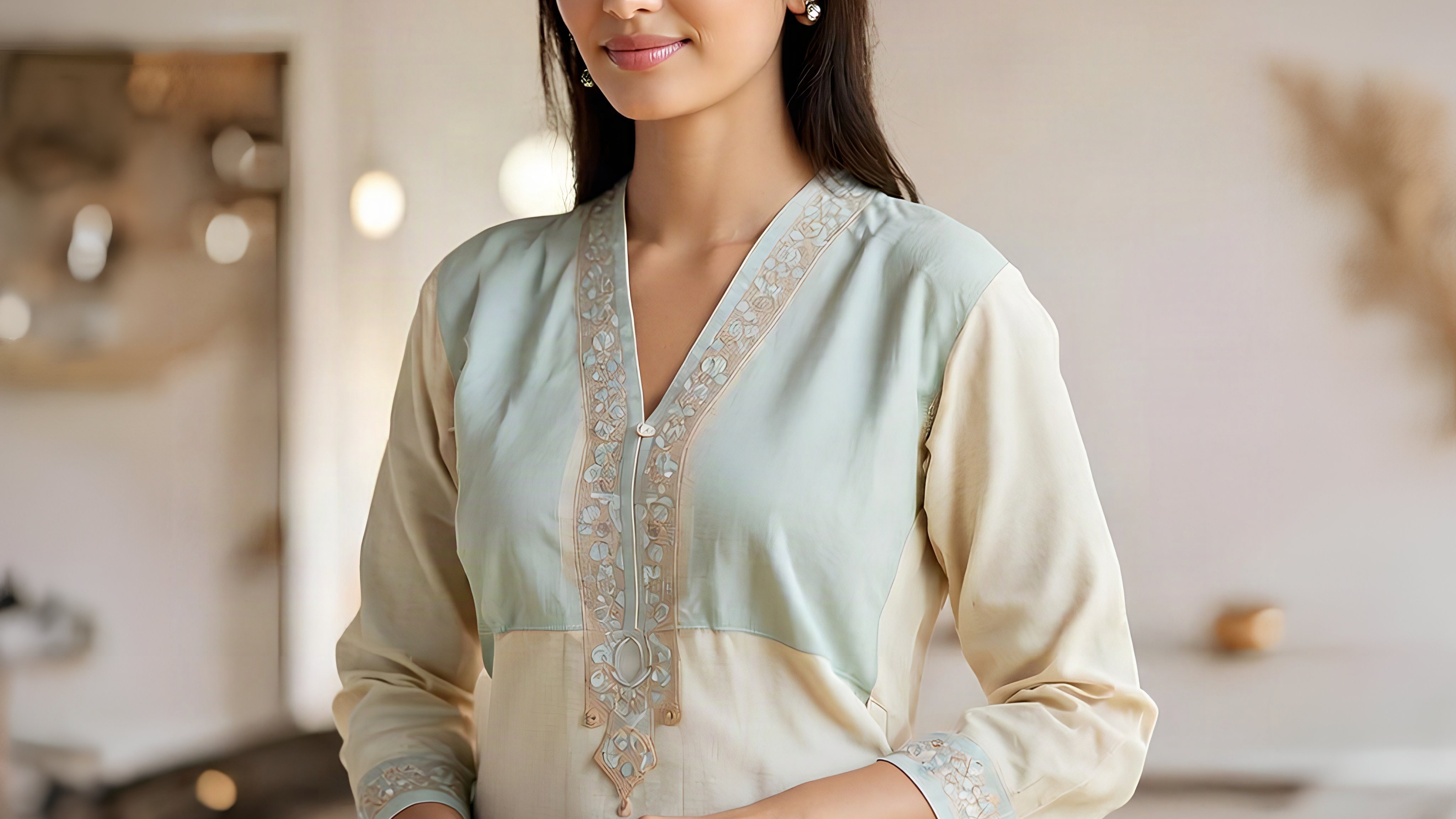
How To Choose The Right Dress For Your Family Function
Photo Credit: iStock
Top Ethnic Wear Options To Consider
These Amazon listings include a mix of Anarkali and straight-kurta styles that can work as starting points for festive family-function shopping. Availability, colours, sizes and prices can vary.
1. ASSUME FAB Women's Blue Viscose Ajrakh Print Anarkali
2. PARTHVI Women's Printed Anarkali Kurta
3. KLOSIA Women's Embroidery Solid Anarkali
4. MOKOSH Women's Silk Embroidery Anarkali
5. PARTHVI Women's Pure Cotton Printed Straight Kurta
6. Arayna Women's Cotton Printed Kurta Set
7. rytras Women's Cotton Straight Fit Printed Kurta
8. Amazon Brand - Tavasya Women's Cotton Solid Straight Fit Kurta
Frequently Asked Questions (FAQs)
1. Is an Anarkali better than a straight kurta for a festive function?
Neither is universally better. Anarkalis tend to look more elaborate, while straight kurtas offer a cleaner and more versatile silhouette.
2. Can I wear a straight kurta to a wedding family function?
Yes. Pick richer fabrics, do some embroidery here and there, go for a dressy dupatta, and add statement jewellery so that a straight kurta becomes more occasion-appropriate.
3. Are Anarkali kurtas comfortable for long functions?
They can be, especially when made from lightweight and breathable fabrics. Check the flare, fabric weight and fit before choosing one for an extended event.
4. What accessories go well with an Anarkali?
Jhumkas, bangles, a small bindi and traditional footwear work well. If the Anarkali is heavily embellished, keep the accessories relatively understated.
5. Which kurta style is more versatile for repeated wear?
A straight kurta is generally easier to restyle with different bottoms, dupattas and accessories. However, a simple Anarkali can also work for multiple festive and semi-formal occasions.
(Disclaimer: This article may include references to or features of products and services made available through affiliate marketing campaigns. NDTV Convergence Limited (“NDTV”) strives to maintain editorial independence while participating in such campaigns. NDTV does not assume responsibility for the performance or claims of any featured products or services.)