Are Co-ord Sets Stylish or Lazy? How to Wear Matching Outfits the Right Way
Are co-ord sets stylish or lazy? Co-ords are stylish, time-saving outfits that look polished, not lazy, when you choose good fabrics, flattering fits, and intentional accessories.
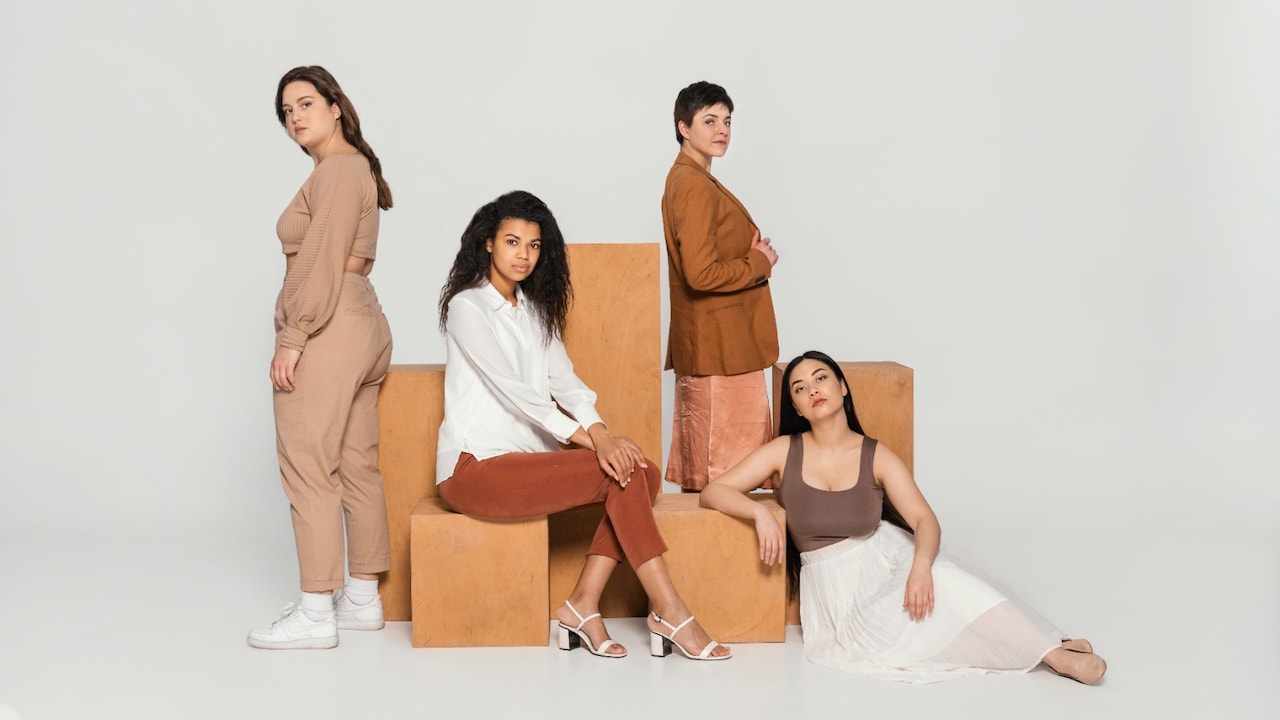
Co-ord Sets: When Matching Outfits Look Stylish and When They Can Appear Lazy.
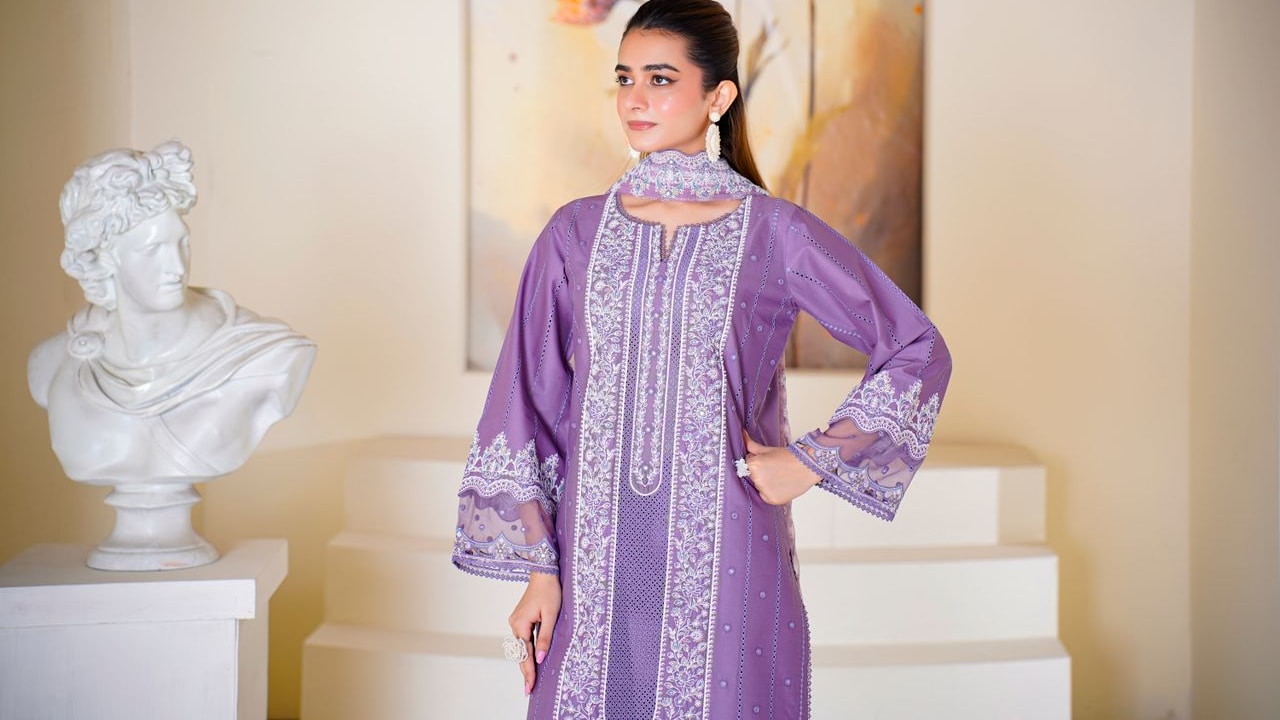
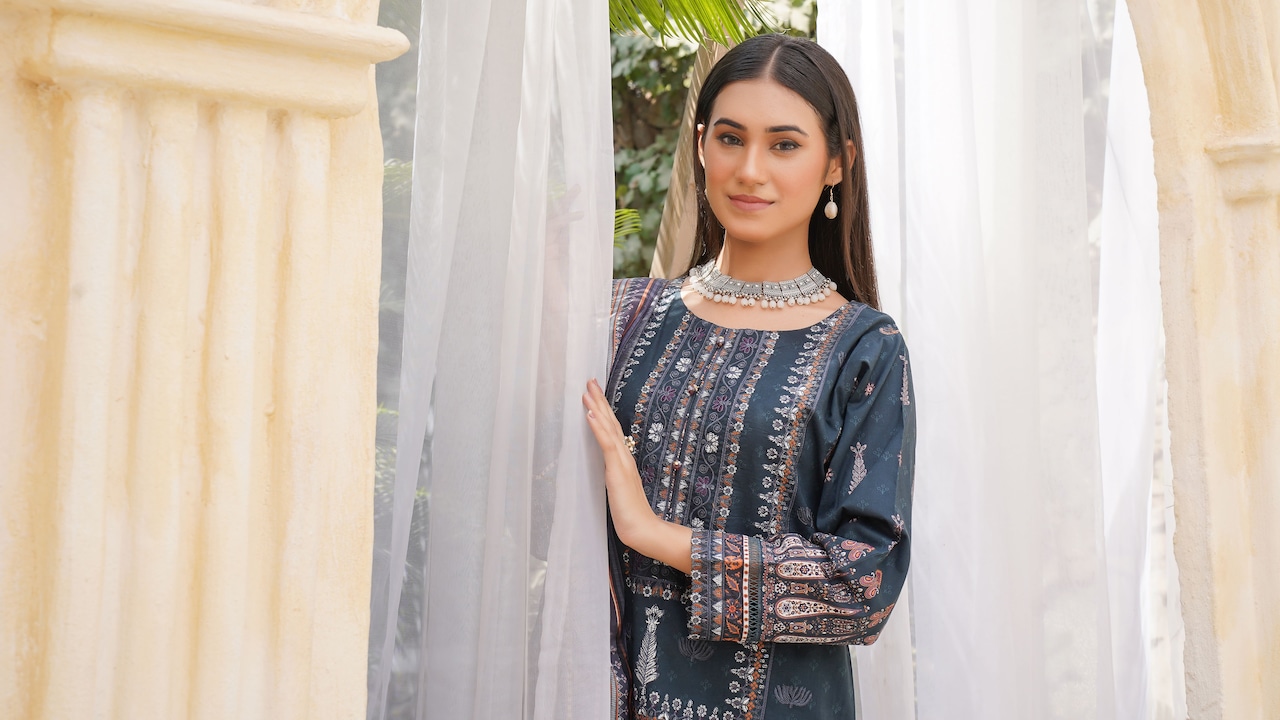
Few wardrobe trends have divided opinion quite like the co-ord set. Matching tops and bottoms once lived quietly in nightwear drawers and holiday suitcases. Then fashion gave them a glow-up. Today, they appear everywhere, brunch tables, airport lounges, office corridors and wedding after-parties. The appeal feels obvious. A ready-made outfit removes the stress of styling. No frantic mirror checks. No colour clashes. Just slip in, step out and move on with the day. Yet this very convenience sparks criticism. Detractors label co-ords as lazy dressing, a shortcut that skips creativity.
The truth sits somewhere in between. A co-ord can look razor-sharp or painfully dull. Fabric, fit, context and styling decide its fate. When worn with thought, a co-ord speaks of confidence and modern ease. When worn carelessly, it whispers of rolled-out-of-bed energy. So, here we explain how to wear co-ord sets right - the idea is to pick the right silhouette for your body, balance colors, add layers, and style with smart shoes and accessories for chic, put-together co-ord looks.
This article explores 10 moments where co-ord sets either rise to the occasion or miss the mark. From brunch-ready prints to boardroom-friendly tailoring, the goal remains simple: to understand how matching outfits can feel intentional, stylish and expressive rather than rushed and forgettable.
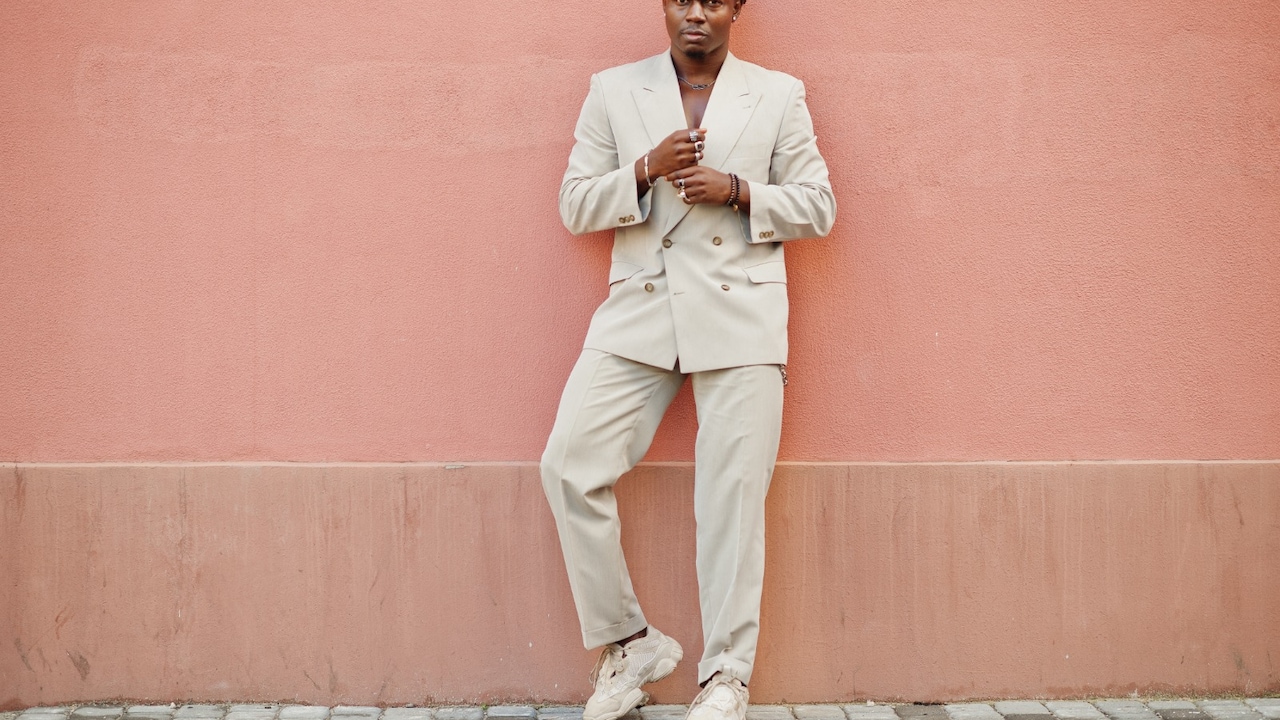
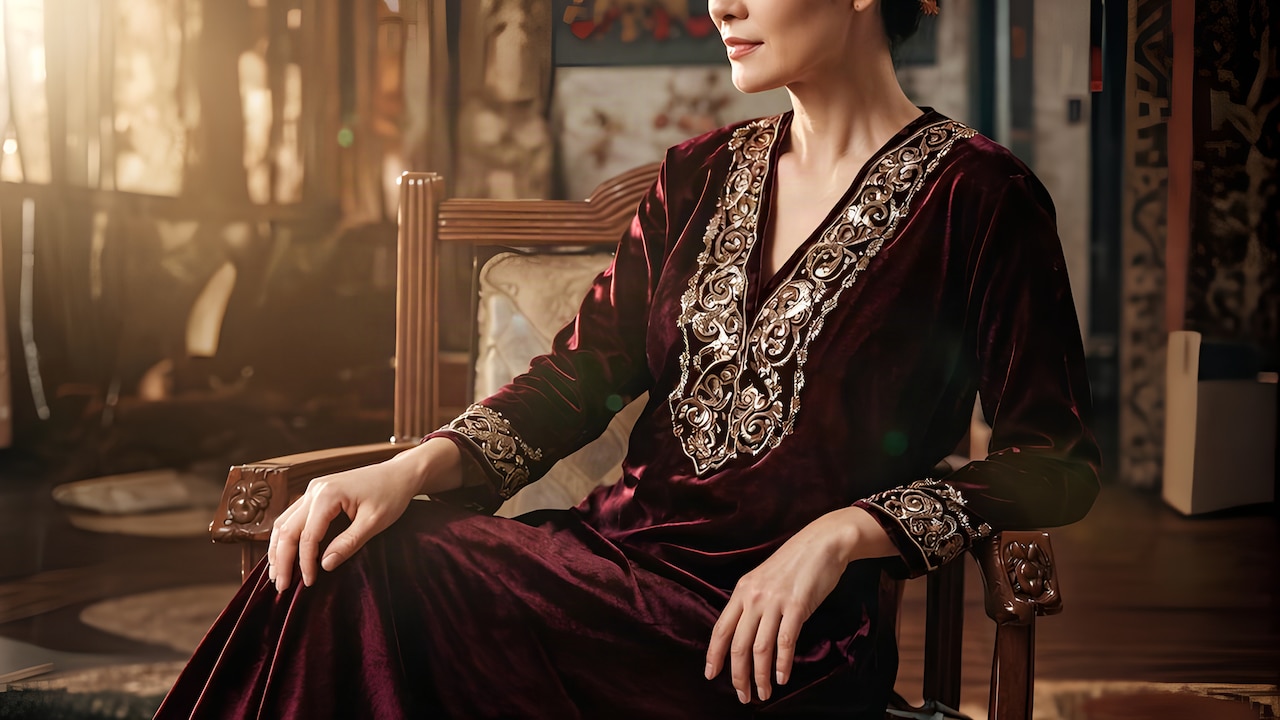
How To Wear Co-ord Sets Without Looking Lazy; Photo Credit: Pexels
How Fabric, Fit And Styling Decide The Fate Of A Co-ord
1. Fabric Choices: Where Style Begins or Ends
Fabric often decides whether a co-ord looks luxe or lacklustre. Crisp cottons, breathable linens, structured tweeds and fluid silks elevate matching sets instantly. These materials hold shape, photograph well and age gracefully through the day. A linen co-ord paired with leather sandals feels summer-appropriate yet refined, especially during humid afternoons.
On the flip side, flimsy synthetics and overly stretchy knits can undo even the best design. Fabrics that crease within minutes or cling awkwardly tend to signal minimal effort. The problem worsens when the material looks better suited for sleepwear than public outings.
Texture adds quiet sophistication. Ribbed knits, jacquard weaves or subtle embroidery create visual interest without shouting for attention. These details suggest intention rather than convenience.
When shopping, a simple test helps. If the fabric feels out of place in a standalone top or tailored trousers, the co-ord likely belongs at home. Style begins with touch and drape, long before accessories enter the picture.
2. Fit Matters More Than Matching
A perfectly matched outfit means little without a flattering fit. Co-ords succeed when proportions feel balanced and tailored to the body. High-waisted trousers paired with cropped tops elongate the frame. Boxy shirts work best when trousers taper gently at the ankle.
Ill-fitting co-ords often fall into the “lazy” category. Oversized sets without structure risk resembling loungewear, even when worn outdoors. Baggy silhouettes need purpose. Without it, the outfit feels unfinished rather than fashion-forward.
Alterations change everything. Adjusting trouser length, cinching waists or refining sleeve widths transforms mass-produced sets into personalised statements. A small tweak can lift the entire look.
Fit also connects closely to comfort. A co-ord should allow easy movement without appearing sloppy. When comfort meets structure, confidence follows naturally. Good fit never shouts, yet poor fit announces itself loudly.
Also Read: 7 Trendy Co-Ord Sets For Women That Transition From Work To Weekend
3. Prints That Speak Style or Scream Shortcut
Prints play a starring role in co-ord culture. Florals, geometrics and abstract patterns often look striking when worn head-to-toe. When done right, they feel playful and bold, especially during festive seasons or casual gatherings.
However, not all prints deserve full-body attention. Overly loud motifs or cartoonish patterns can overwhelm the eye. Instead of appearing daring, they risk looking like impulse buys worn once and forgotten.
Scale matters. Smaller prints offer versatility and sophistication, while larger designs demand restraint in styling. Pairing bold printed co-ords with neutral footwear and minimal jewellery keeps the focus balanced.
Prints also set the mood. Soft pastels suit daytime brunches, while darker hues with sharper motifs work well for evenings. Choosing prints thoughtfully ensures the co-ord feels expressive rather than excessive.
4. Occasion Decides Everything
Context shapes perception. A co-ord worn at a café on a Sunday morning reads differently from the same outfit at a formal meeting. Stylish dressing respects the setting.
Casual co-ords thrive during relaxed outings. Think market runs, movie plans or short trips. In these spaces, ease becomes an asset rather than a flaw. Structured co-ords, however, suit professional or semi-formal environments better.
Office-friendly co-ords rely on clean cuts and muted colours. Neutral palettes paired with blazers or closed shoes lend authority. Conversely, wearing beachy co-ords to work invites the “lazy” label unfairly.
Understanding occasions avoids fashion missteps. A co-ord does not automatically suit every scenario. Choosing the right set for the right moment reflects awareness and maturity in personal style.
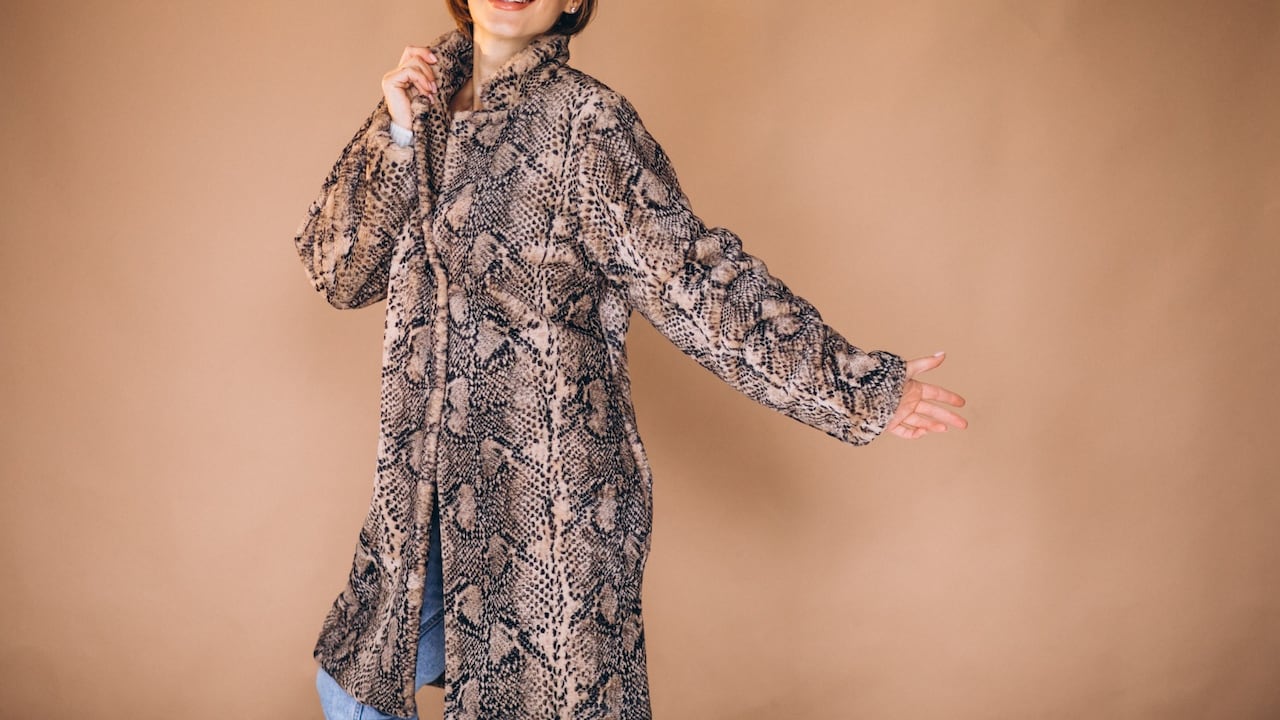
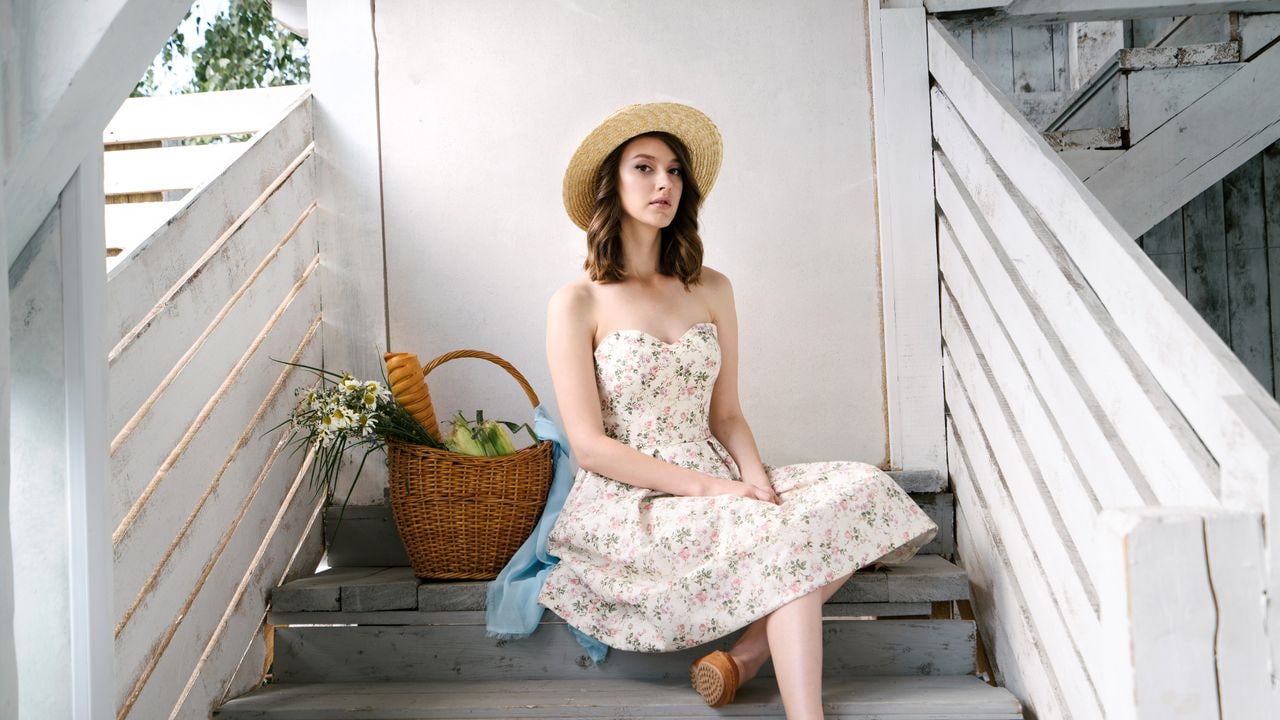
How To Wear Co-ord Sets Without Looking Lazy; Photo Credit: Pexels
5. Accessories Turn Simple into Statement
Accessories rescue co-ords from monotony. Without them, matching sets can feel flat. With them, they come alive.
Belts add shape and break visual monotony. Statement earrings frame the face and add personality. Structured handbags elevate even the simplest cotton co-ord. Footwear also plays a crucial role. Sneakers keep things casual, while heels sharpen the look instantly.
Over-accessorising creates chaos. The goal lies in balance. One standout piece often works better than many competing elements.
Accessories also allow repetition without boredom. The same co-ord can appear fresh across multiple outings with clever styling changes. This flexibility proves that co-ords need not feel repetitive or unimaginative.
6. Colour Coordination Beyond Matching
Matching does not mean monotony. Colour depth and tone matter. Earthy hues, monochrome palettes and jewel tones offer sophistication. They allow the outfit to feel cohesive yet dynamic.
Flat colours without contrast can appear dull. Adding texture or subtle tonal variation keeps the look engaging. For instance, pairing matte fabric with a slight sheen creates quiet intrigue.
Bright colours demand confidence. When worn with conviction, they feel joyful. When worn hesitantly, they appear costume-like. Colour psychology plays its part here.
Neutral co-ords provide longevity. They adapt easily to different seasons and occasions. Bright co-ords shine briefly but boldly. Choosing wisely avoids wardrobe regret.
7. Styling Hair and Makeup Makes the Difference
Hair and makeup complete the narrative. A polished co-ord paired with unkempt hair sends mixed signals. Conversely, simple outfits paired with neat grooming feel intentional.
Natural makeup suits daytime co-ords. Evenings allow bolder choices. Hairstyles also shift the mood. Sleek buns add sophistication, while loose waves bring softness.
Neglecting grooming risks the lazy stereotype. Co-ords thrive on balance. Since the outfit already simplifies styling, grooming deserves extra attention.
Small efforts create a big impact. A swipe of lipstick or a clean hairstyle transforms the overall impression dramatically.
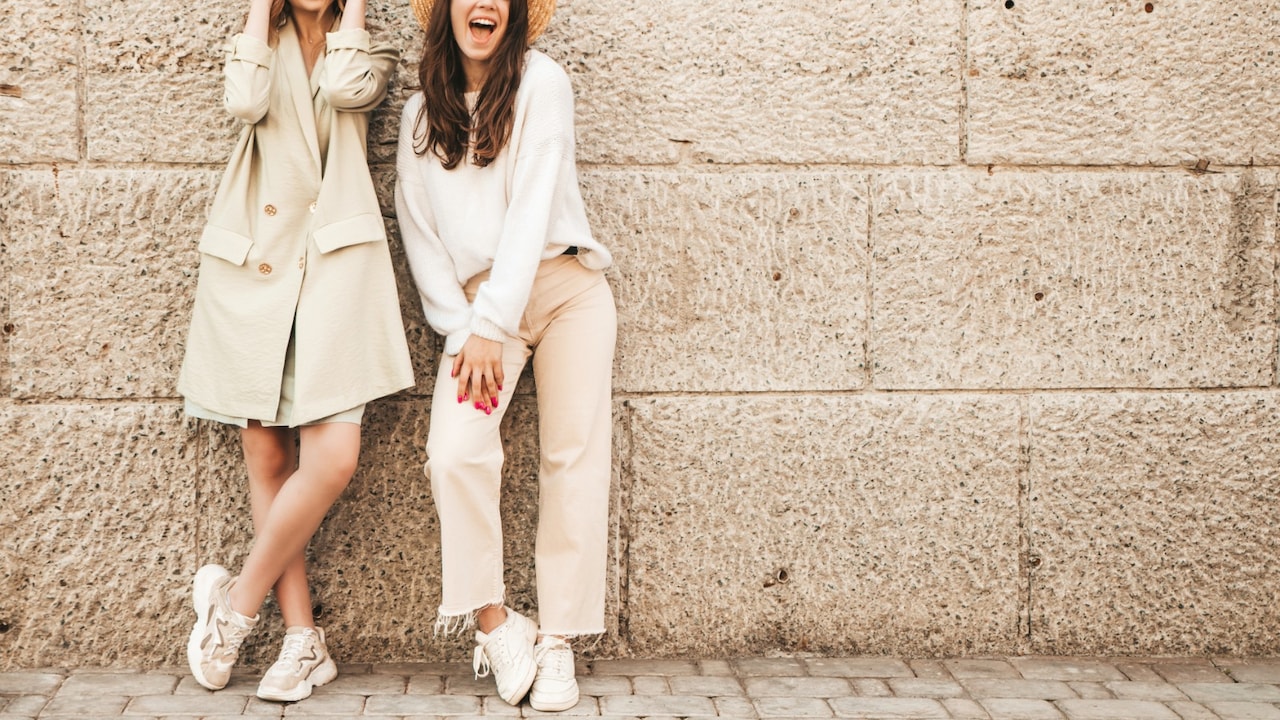
How To Wear Co-ord Sets Without Looking Lazy; Photo Credit: Pexels
8. The Loungewear Trap
The line between co-ords and loungewear feels thin. Some sets blur it intentionally. Others fall into it accidentally.
Soft jersey co-ords feel comfortable but rarely translate well outside casual settings. Wearing them beyond appropriate spaces invites judgment. Elevating such sets requires strong accessories and confident posture.
Purpose-built co-ords avoid this trap. They borrow comfort without sacrificing structure. Choosing designs meant for public spaces makes all the difference.
Comfort should support style, not replace it. Recognising this boundary keeps co-ords fashionable rather than forgettable.
9. Confidence as the Ultimate Styling Tool
Confidence transforms perception. A well-worn co-ord radiates ease rather than effortlessness. Body language, posture and attitude shape how outfits register socially.
Second-guessing shows. Tugging at hems or adjusting waistbands repeatedly undermines the look. Choosing co-ords that feel comfortable ensures relaxed confidence.
Fashion responds to energy. When wearers feel good, outfits appear better. Co-ords reward self-assurance more than most trends.
Owning the look matters more than the look itself.
10. Sustainability and Smart Wardrobing
Co-ords encourage mindful dressing when chosen well. Versatile sets offer multiple styling options, reducing unnecessary purchases.
Separates can mix with existing wardrobe pieces. A co-ord top pairs easily with jeans, while trousers match different shirts. This adaptability enhances value for money.
Impulse buying flashy co-ords leads to regret. Thoughtful selections build long-term wardrobes. Choosing quality over quantity benefits both style and sustainability.
Fashion feels most satisfying when it aligns with intention and responsibility.
Products Related To This Article
1. NOBERO Men Oversized Colorblocked Co-ords
2. Glitchez Relaxed Fit Co-Ords
3. Stylecast X Slyck Hooded Cropped Sweatshirt With Trouser
4. Sangria Embroidered Top With Palazzo Co-Ords
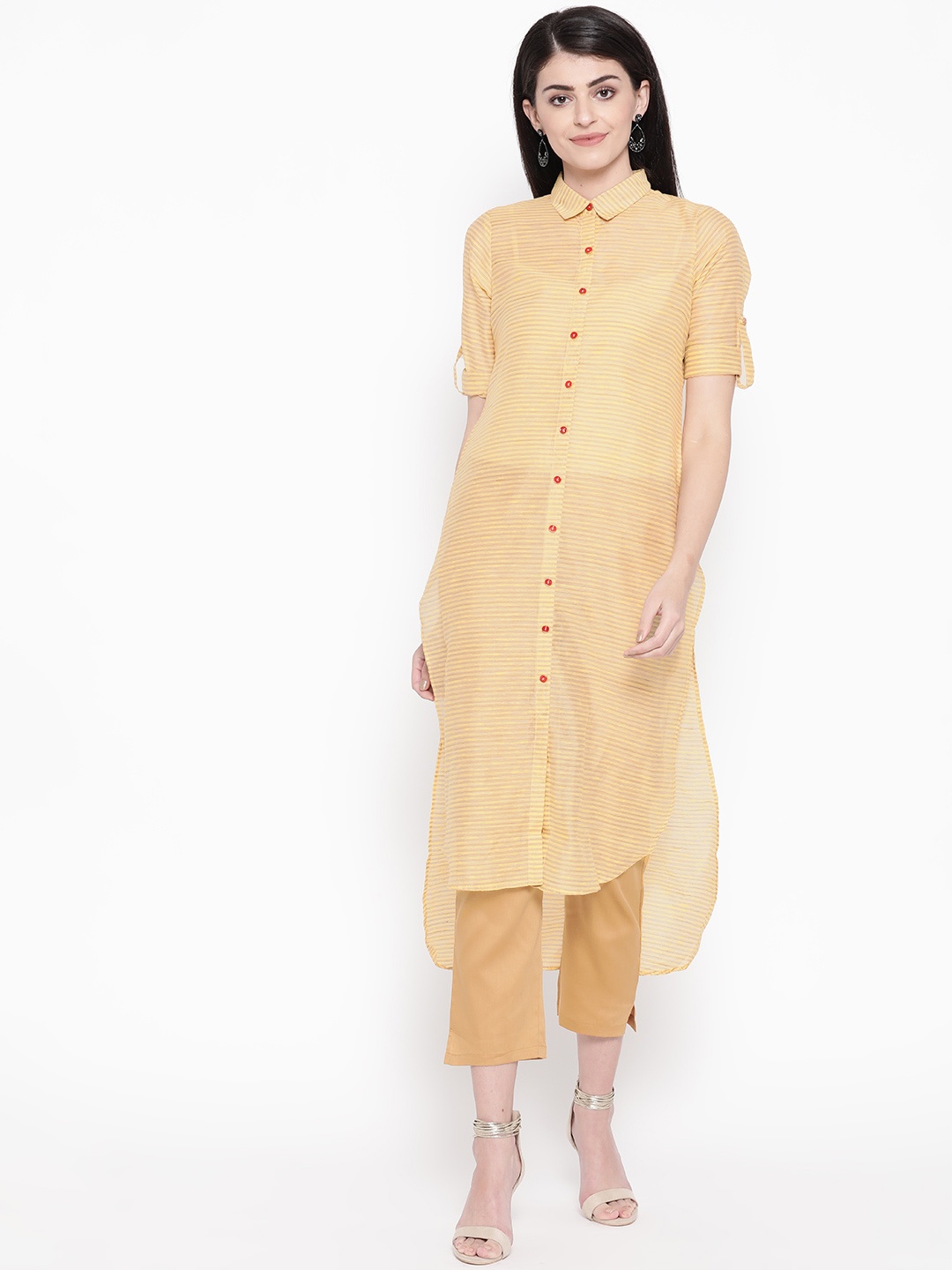
5. Stylum Printed Collar Neck Top With Trousers Co-Ords
6. Glitchez Men Sweatshirt & Joggers Relaxed Fit Co-Ords
7. Roadster Women Maroon Ribbed Co-Ord Set
Co-ord sets remain neither heroes nor villains of modern wardrobes. They simply reflect how thoughtfully they are worn. Matching outfits offer convenience, but style demands intention. The next time a matching set beckons from the wardrobe, the question should not be about laziness. It should ask whether the outfit feels considered, comfortable, and true to personal style. When the answer feels right, the co-ord set will always deliver.
(Disclaimer: This article may include references to or features of products and services made available through affiliate marketing campaigns. NDTV Convergence Limited (“NDTV”) strives to maintain editorial independence while participating in such campaigns. NDTV does not assume responsibility for the performance or claims of any featured products or services.)