Are Your Backpacks Ruining Your Posture? How To Choose An Ergonomic Backpack For Better Spine Health
Heavy backpacks can strain your spine and slowly damage posture. Discover why this happens and how choosing an ergonomic backpack can reduce back pain, improve comfort, and protect long-term spinal health.

Backpacks Damaging Your Posture? Know Why And How To Pick Ergonomic Ones.
Backpacks have travelled a long way from simple cloth satchels to multi-pocket travel companions. Students lug textbooks, professionals carry laptops, and commuters pack everything from water bottles to gym shoes. On any weekday morning, a glance around a railway platform or bus stop reveals dozens of people leaning slightly forward under the weight of their bags.
The issue rarely appears dramatic at first. A mild shoulder ache after a long commute or a stiff neck after a day at college often seems harmless. Over time, however, these small discomforts accumulate. The body begins to compensate for the weight in ways that strain muscles and disturb spinal alignment. Poor posture gradually becomes a habit.
Healthcare professionals frequently warn that backpacks heavier than ten to fifteen percent of body weight can cause stress on the back and shoulders. When the bag design fails to distribute weight evenly, the risk multiplies. Unfortunately, style and brand names often overshadow comfort and support while choosing a bag.
Ergonomic backpacks offer a practical solution. Designed to follow the natural curve of the spine, they spread weight across stronger muscle groups rather than concentrating it on delicate areas. Choosing the right backpack, adjusting straps properly, and packing wisely can transform daily carrying from a painful routine into a comfortable habit.
Understanding why backpacks affect posture marks the first step towards making better choices.

Backpacks Damaging Your Posture? Know Why And How To Pick Ergonomic Ones; Photo Credit: Pexels
Why The Right Backpack Matters For Your Posture
The Hidden Strain Behind Everyday Backpacks
At first glance, a backpack appears harmless. It simply holds belongings and sits neatly on the back. Yet the human spine does not enjoy carrying heavy loads in awkward ways. When a bag becomes too heavy or sits too low, the body instinctively leans forward to maintain balance.
This subtle adjustment creates pressure along the spine. Shoulder muscles tighten to hold the straps, while the lower back compensates for the shifted centre of gravity. Over time, these repeated adjustments lead to fatigue and discomfort.
Consider a typical college day. A student carries textbooks, a laptop, chargers, notebooks, lunch, and sometimes a water bottle the size of a cricket bat. The bag may easily weigh several kilograms. When that load rests unevenly, muscles struggle throughout the day.
Crowded commutes worsen the problem. Standing in a packed train with a heavy bag pulls the shoulders down and encourages slouching. After months of this routine, posture gradually changes. The spine learns the wrong alignment.
The strain rarely shouts for attention immediately. Instead, it whispers through occasional back pain, tight shoulders, and headaches. Recognising this hidden stress helps explain why ergonomic backpacks deserve serious consideration.
Why Posture Matters More Than Most People Realise
Posture influences far more than appearance. A straight back and aligned shoulders allow muscles, joints, and organs to function efficiently. When posture collapses into a forward slump, the body works harder just to maintain balance.
Poor posture compresses the chest and restricts breathing. Oxygen intake decreases slightly, leaving people feeling tired more quickly. Concentration drops, and even mood can suffer.
Muscle fatigue becomes another common complaint. When the spine tilts forward under the weight of a poorly balanced backpack, neck muscles tighten to hold the head upright. This tension often triggers headaches by the end of the day.
Young students face particular risk because their bones and muscles continue developing. Carrying heavy backpacks daily may encourage long-term spinal issues. Teachers often notice students leaning forward or adjusting straps constantly during class.
Good posture supports physical confidence as well. Standing upright naturally projects energy and alertness. Slouching, on the other hand, signals fatigue.
Backpacks that support posture instead of disturbing it, therefore, play a surprisingly important role in daily comfort and health.
The Weight Problem: When Bags Become Mini Suitcases
Many backpacks resemble miniature travel suitcases. Multiple compartments tempt people to carry far more than necessary. The result often feels like transporting an entire room on one's back.
Textbooks remain one of the biggest contributors to excessive weight. A few thick academic volumes can easily push a backpack beyond safe limits. Add a laptop, a power bank, headphones, and a metal water bottle, and the bag begins to resemble a gym workout.
Healthcare guidelines generally suggest that a backpack should not exceed ten to fifteen percent of body weight. For someone weighing 60 kilograms, the safe range sits around 6 to 9 kilograms. Many daily bags quietly exceed that number.
Students sometimes joke that their bags weigh more than their lunch. The humour hides a genuine issue. Repeatedly carrying heavy loads encourages the body to lean forward. Shoulders round inward, and the lower back absorbs the stress.
A simple weighing scale at home can reveal surprising results. Many people discover their bags carry far more weight than expected. Reducing unnecessary items and choosing lighter materials can dramatically improve comfort.
Ergonomic backpacks address the weight issue by distributing loads across stronger areas of the body.
The Shoulder Trap: Thin Straps And Uneven Pressure
One of the most overlooked design flaws in many backpacks lies in the shoulder straps. Thin straps may look sleek, but they concentrate weight onto a narrow strip of muscle.
This pressure creates discomfort quickly. The trapezius muscles, which sit between the neck and shoulders, begin to ache under constant strain. When straps dig into the shoulders, the body reacts by hunching slightly forward.
Uneven strap adjustment worsens the problem. Many people tighten one strap more than the other without noticing. The backpack tilts to one side, forcing the spine into an unnatural curve.
The result often appears as one shoulder sitting higher than the other. Over time, muscle imbalance develops. Neck stiffness becomes a regular companion during long days.
Wide, padded straps solve much of this problem. They spread weight across a larger surface area and reduce pressure points. Proper padding also prevents straps from cutting into the shoulders.
Adjustability matters as well. Straps should allow the backpack to sit comfortably against the upper back rather than hanging loosely near the hips.
Comfortable straps transform a backpack from a burden into a supportive partner during daily commutes.
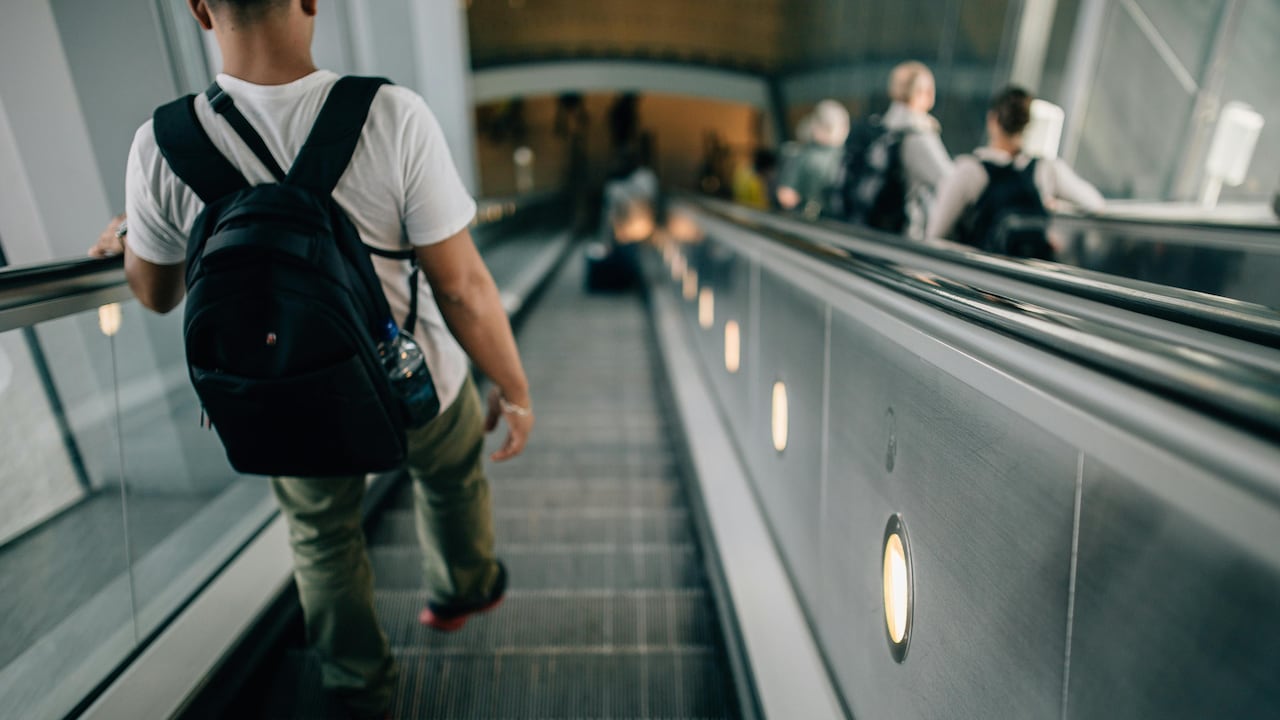
Backpacks Damaging Your Posture? Know Why And How To Pick Ergonomic Ones; Photo Credit: Pexels
The Role Of Back Support And Spine Alignment
The human spine follows a gentle S-shaped curve. Good backpack design respects this natural structure. Unfortunately, many bags ignore it completely.
Flat-backed backpacks press awkwardly against the spine. When the bag carries heavy objects, those items push directly into the back. The discomfort encourages slouching as the body tries to escape the pressure.
Ergonomic backpacks include structured back panels that support the natural curve of the spine. Some designs use foam padding or breathable mesh layers that cushion the back while maintaining airflow.
Spine alignment improves when the backpack sits snugly against the body. The closer the load rests to the back, the less strain falls on the shoulders and lower spine.
Ventilated panels also reduce sweating during hot afternoons. Anyone who has walked across a campus or office complex in peak summer understands the value of airflow.
Back support may sound like a minor feature, yet it dramatically affects comfort. Properly designed support panels turn heavy loads into manageable ones.
Chest And Waist Straps: Small Features With Big Benefits
Many modern ergonomic backpacks include chest and waist straps. At first glance, these extra straps appear unnecessary. In reality, they perform a crucial role in weight distribution.
Chest straps connect the shoulder straps across the chest. This small feature prevents straps from sliding outward and stabilises the load. When the backpack stays centred, the shoulders relax naturally.
Waist straps shift part of the load onto the hips. The hip muscles rank among the strongest in the body, making them ideal for carrying weight. Hikers rely heavily on this principle when carrying large trekking packs.
Daily commuters benefit from the same design. When a waist strap supports the bag, the spine and shoulders experience less stress.
These straps also keep the backpack steady while walking quickly or climbing stairs. Anyone rushing to catch a train understands the relief of a bag that stays in place.
Although some people skip using these straps due to habit or convenience, they significantly improve posture and comfort.
Materials Matter: Light Yet Durable Fabrics
Backpack material influences both weight and durability. Heavy fabrics increase the base weight of the bag before anything goes inside. Over time, even a few extra grams contribute to fatigue.
Modern ergonomic backpacks often use lightweight synthetic materials such as nylon blends or advanced polyester fabrics. These materials balance strength with reduced weight.
Durability remains essential. A bag that tears easily will not survive daily commuting or college life. Reinforced stitching and strong zippers ensure long-term reliability.
Water resistance adds another layer of practicality. Sudden rain showers appear without warning during certain seasons. A water-resistant backpack protects electronics, books, and documents.
Breathable materials also improve comfort. Mesh panels allow air circulation between the backpack and the back, reducing sweat build-up.
While style and colour may attract attention in shops, fabric quality determines how comfortable and reliable the bag will remain after months of use.

Backpacks Damaging Your Posture? Know Why And How To Pick Ergonomic Ones; Photo Credit: Pexels
Smart Compartments Prevent Weight Imbalance
Organisation inside the backpack plays a surprisingly important role in posture. When heavy items cluster in one area, the bag becomes unbalanced.
A laptop placed far from the back panel creates a pulling sensation. The body leans forward to counterbalance the weight. Over time, this repeated motion strains the spine.
Ergonomic backpacks usually include dedicated compartments close to the back panel for heavier items. This design keeps weight near the body's centre of gravity.
Multiple compartments also encourage better organisation. Books, electronics, and accessories each find their own space. The load spreads evenly across the bag.
Some backpacks even include compression straps that tighten the load, preventing items from shifting while walking.
Organisation may seem like a minor detail, yet it significantly affects comfort. A balanced backpack supports posture naturally without constant adjustment.
The Importance Of Proper Backpack Positioning
Even the best ergonomic backpack cannot help if worn incorrectly. Many people allow their bags to hang low near the hips. This position increases strain on the lower back.
Ideally, a backpack should sit in the middle of the back, roughly two inches above the waist. This placement keeps the load closer to the body's natural centre of gravity.
Both shoulder straps should always remain in use. Carrying a backpack on one shoulder may appear casual, but it places uneven pressure on the spine.
Adjusting the straps regularly ensures the bag fits snugly without restricting movement. A properly positioned backpack moves with the body rather than pulling against it.
Students often ignore these adjustments while rushing to class. However, spending a few seconds tightening straps can prevent hours of discomfort later.
Correct positioning transforms a backpack from a source of strain into a balanced load.
Choosing The Right Backpack Without Falling For Style Alone
Shopping for backpacks often revolves around colour, brand logos, and trendy shapes. Comfort rarely receives the same attention.
However, the smartest choice balances style with ergonomic design. Wide padded straps, breathable back panels, adjustable chest straps, and organised compartments all contribute to healthy posture.
Price also influences decisions. While ergonomic backpacks may cost slightly more, the long-term benefits justify the investment. Spending ₹2,000 to ₹4,000 on a well-designed bag often prevents medical expenses later.
Trying the backpack in a store helps assess comfort. Adjust the straps, wear the bag, and walk around for a few minutes. The difference between ordinary and ergonomic designs becomes clear quickly.
Parents purchasing school bags for children should pay particular attention to these features. A supportive backpack protects growing bodies during long academic years.
Style certainly matters, but comfort and health deserve equal priority.
Products Related To This Article
1. Worng Large 35l Laptop Backpack Unisex Without Usb Port Rain Cover
2. Safari Ashper Cb 6 Pockets 30l Laptop Backpack
3. Genius Jumpstart 27l Backpack
4. Wrogn Classic Anti-Theft Faux Leather Office Travel College 15.6 Sleeve Men 30l Laptop Backpack
5. Hp-7603 27l Trolley Laptop Backpack
Backpacks quietly accompany daily routines, from classrooms and offices to crowded trains and evening walks home. Despite their ordinary appearance, these bags carry more than books and gadgets. They carry the responsibility of supporting the body.
When backpacks place uneven pressure on the shoulders and spine, posture suffers. Slouching, muscle fatigue, and recurring aches slowly become part of everyday life. The problem rarely arrives overnight. Instead, it grows through repeated strain.
Ergonomic backpacks offer a simple yet powerful solution. Thoughtful design spreads weight across stronger muscle groups, supports the natural curve of the spine, and encourages healthier posture.
Choosing the right backpack involves more than colour and brand. Proper straps, supportive back panels, balanced compartments, and correct positioning all play vital roles.
A comfortable backpack does more than carry belongings. It protects the spine, supports posture, and turns daily movement into a smoother experience.
Sometimes, the smallest changes in everyday objects create the biggest improvements in well-being.
(Disclaimer: This article may include references to or features of products and services made available through affiliate marketing campaigns. NDTV Convergence Limited (“NDTV”) strives to maintain editorial independence while participating in such campaigns. NDTV does not assume responsibility for the performance or claims of any featured products or services.)