Why Artificial Earrings Turn Black Quickly And How To Pick Better Finishes
Artificial earrings often turn black due to sweat, moisture, chemicals and weak plating. Learn what causes tarnishing, which finishes last longer, and how to choose better-quality earrings.
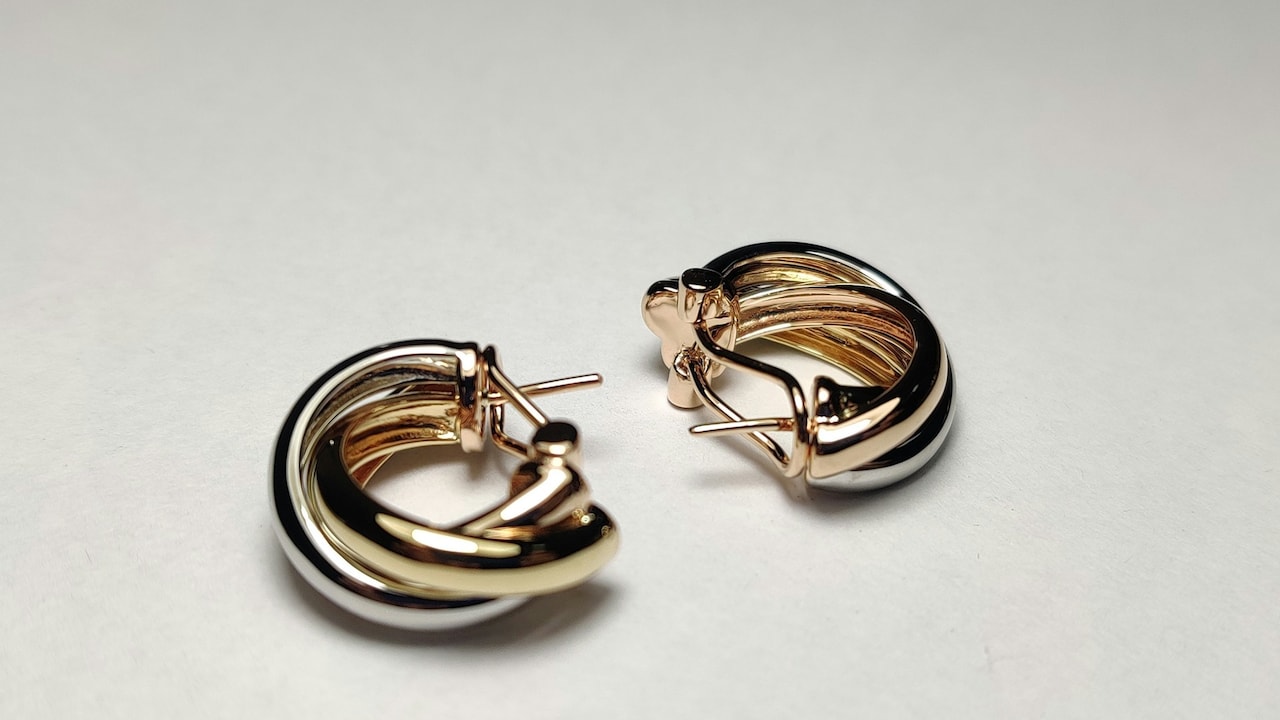
Expert tips to find earrings that don't turn black with gradual use
A new pair of earrings can lift the mood in seconds. The packaging opens, the stones sparkle, and suddenly even an ordinary outfit feels ready for a celebration. Then, after a few outings, the trouble begins. The hooks look dull. The edges darken. A faint green mark appears near the ear. Before long, the once-glossy pair sits forgotten in a drawer beside tangled chains and lonely studs. Artificial earrings do not usually turn black because they are poorly designed. Most darkening happens when the metal surface reacts with moisture, air, sweat, perfume or skincare products. The speed of that reaction depends on the base metal and the quality of the outer finish.

What causes artificial jewellery to turn black
Photo Credit: Pexels
The good news is that tarnishing is not completely mysterious. A shopper who understands plating thickness, metal composition and protective coatings can make far better choices. A few sensible habits also help earrings survive humid weather, crowded wedding functions and long workdays. Better jewellery care begins with knowing what is happening beneath the shine.
Also Read: Top 5 Earrings For Sensitive Ears: Best Hypoallergenic Silver Styles That Prevent Infection
What Makes Artificial Earrings Tarnish And How To Prevent It
1. Understand What Tarnishing Really Means
Tarnishing sounds dramatic, but it is simply a surface reaction. Artificial earrings often contain metals such as copper, brass, nickel alloys or mixed metals. When these materials meet oxygen, moisture or certain chemicals, their surface begins to change. That reaction can create black, brown, grey or greenish marks.
The outer layer may still look golden, silver-toned or rose gold when the earrings are new. However, that colour usually comes from plating rather than solid precious metal. Once the thin plated layer wears away, the base metal becomes exposed. Sweat and humidity then speed up the darkening process.
This explains why one part of an earring may tarnish before another. The post, hook and back clasp touch the skin most closely, so they face more sweat and friction. Edges also lose plating quickly because they rub against clothing, boxes and other jewellery.
Tarnishing does not always mean the earrings are unusable. Sometimes the marks can be cleaned. In other cases, the finish has permanently worn off. Knowing the difference helps prevent endless scrubbing that may damage the surface further.
2. Notice How Sweat And Humidity Affect The Metal
Warm weather can be wonderful for mangoes and evening walks, but artificial jewellery may disagree. Sweat contains salts, oils and traces of acids. These substances can react with the metal surface, especially when earrings remain in contact with damp skin for several hours.
Humidity makes matters worse. Moist air settles on jewellery even when it is not being worn. During the monsoon, earrings left on a dressing table may begin to dull faster than expected. A bathroom shelf is an even riskier place because steam creates the perfect setting for corrosion.
Some people also have naturally more acidic sweat. Their earrings may darken after two or three wears, while the same pair lasts much longer for someone else. This does not indicate poor hygiene or a skin problem. Body chemistry simply varies.
Wiping earrings after use can make a noticeable difference. A soft, dry cloth removes sweat before it settles into corners. Earrings should also dry completely before storage. Placing a damp pair inside a closed pouch traps moisture and gives tarnish a private room in which to work overnight.
3. Keep Perfume, Hair Spray And Creams Away
Getting ready often follows a familiar rhythm. Moisturiser goes on first, followed by sunscreen, perfume, hair spray and finally jewellery. Trouble begins when earrings enter the scene too early.
Beauty products contain alcohol, oils, fragrances, preservatives and other ingredients that may weaken artificial finishes. Perfume is particularly harsh because it can settle directly on the plated surface. Hair spray also creates a sticky layer that attracts dust and moisture.
Even rich face creams can affect earring posts and backs. When these products remain around the earlobes, they mix with sweat and form a film over the metal. Over time, this film dulls the shine and encourages discolouration.
Jewellery should always be the final touch. Allow perfume, lotion and hair products to dry before wearing earrings. Spraying fragrance directly near the neck and ears may smell glamorous, but the earrings will pay the bill.
Removing jewellery before cleansing the face also helps. Face wash and make-up remover can collect around stones, grooves and clasps. A minute of care during the dressing routine can preserve the finish far better than aggressive cleaning later.
4. Check The Base Metal Before Buying
The finish may catch the eye, but the base metal determines how the earrings behave over time. Brass and copper are common because they are affordable, easy to shape and suitable for detailed designs. However, both metals can oxidise when exposed to air and moisture.
Mixed-metal alloys may tarnish unpredictably because their exact composition is unclear. Some very inexpensive earrings use low-grade alloys that lose colour quickly. They may also cause irritation, itching or a burning sensation in sensitive ears.
Stainless steel usually performs better. It resists corrosion, feels sturdy and often suits everyday wear. Surgical-grade stainless steel can be a useful option for people with sensitive skin, although product descriptions should still be checked carefully.
Titanium is another durable choice, but it may cost more than ordinary fashion jewellery. Sterling silver can also darken, though its tarnish is usually easier to clean than damage caused by peeling artificial plating.
Online shoppers should read the material details rather than relying on photographs. Words such as “gold colour”, “gold look” or “metal earrings” reveal very little. Clear descriptions such as stainless steel, brass base or nickel-free alloy offer more useful information.
5. Choose Thicker And Better-Quality Plating
Plating acts like a protective jacket over the base metal. The thicker and more evenly applied that jacket is, the longer the earrings are likely to hold their colour.
Low-cost jewellery often uses flash plating. This method applies an extremely thin layer of colour. It looks attractive at first, but friction can wear it away quickly. Earrings with flash plating may begin fading around hooks and edges after only a few outings.
Electroplated finishes generally offer better coverage. Some brands also mention micron plating, which refers to the thickness of the plated layer. A higher micron level usually provides greater durability, although daily care still matters.
Gold-plated and silver-plated labels should not be treated as guarantees. Two pairs can carry the same description yet perform very differently. The quality depends on preparation, thickness, sealing and the metal underneath.
A slightly higher price can make sense when the finish feels smooth and consistent. Look closely near joints, backs and narrow corners. Uneven colour, rough patches or tiny exposed areas suggest weak plating. A good finish should look deliberate, not as though it was hurriedly painted during a tea break.
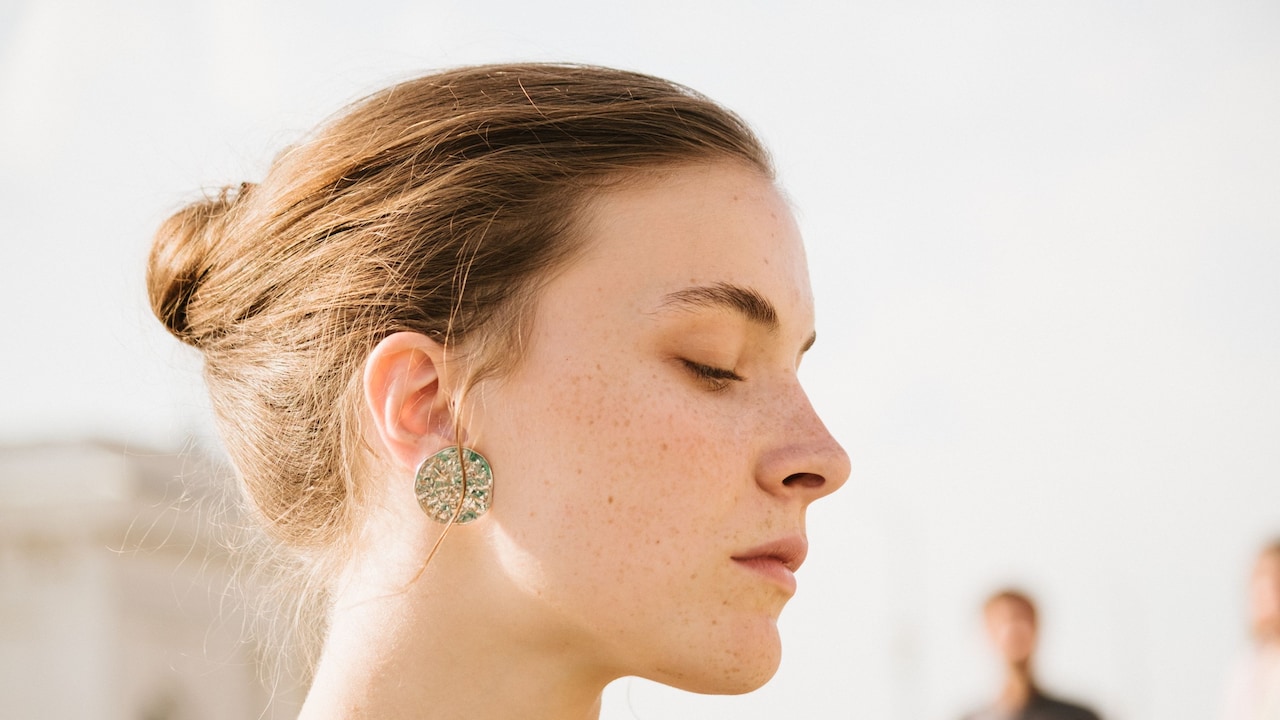
Always choose earrings with thicker and high quality plating for durability
Photo Credit: Pexels
6. Look For Protective Coatings And Anti-Tarnish Finishes
Some earrings receive a clear protective coating over the coloured surface. This invisible layer helps reduce contact with air, sweat and chemicals. It works much like a transparent shield, though it cannot make jewellery completely indestructible.
Anti-tarnish coatings are especially useful for earrings intended for frequent wear. They can slow fading and reduce dark marks around the posts. E-coating, lacquer coating and nano-coating are terms that may appear in product descriptions.
These coatings vary in quality. A strong coating should feel smooth, not sticky or plasticky. It should also cover small joints and textured areas evenly. Poor coating may crack or peel, particularly when earrings bend.
Vacuum plating and physical vapour deposition, often called PVD, can offer impressive durability. PVD finishes bond more strongly with the surface and resist scratching better than many basic plating methods. They are often found on stainless steel jewellery.
Shoppers need not become laboratory experts. Simply checking whether the seller mentions anti-tarnish treatment, PVD coating or long-wear plating can narrow the options. Vague phrases such as “premium quality” sound pleasant, but technical details are far more useful.
7. Pay Attention To Hooks, Posts And Earring Backs
The decorative front receives all the compliments, but the smaller parts often reveal the true quality of a pair. Hooks, posts and backs touch the skin closely, face constant friction and collect the most sweat.
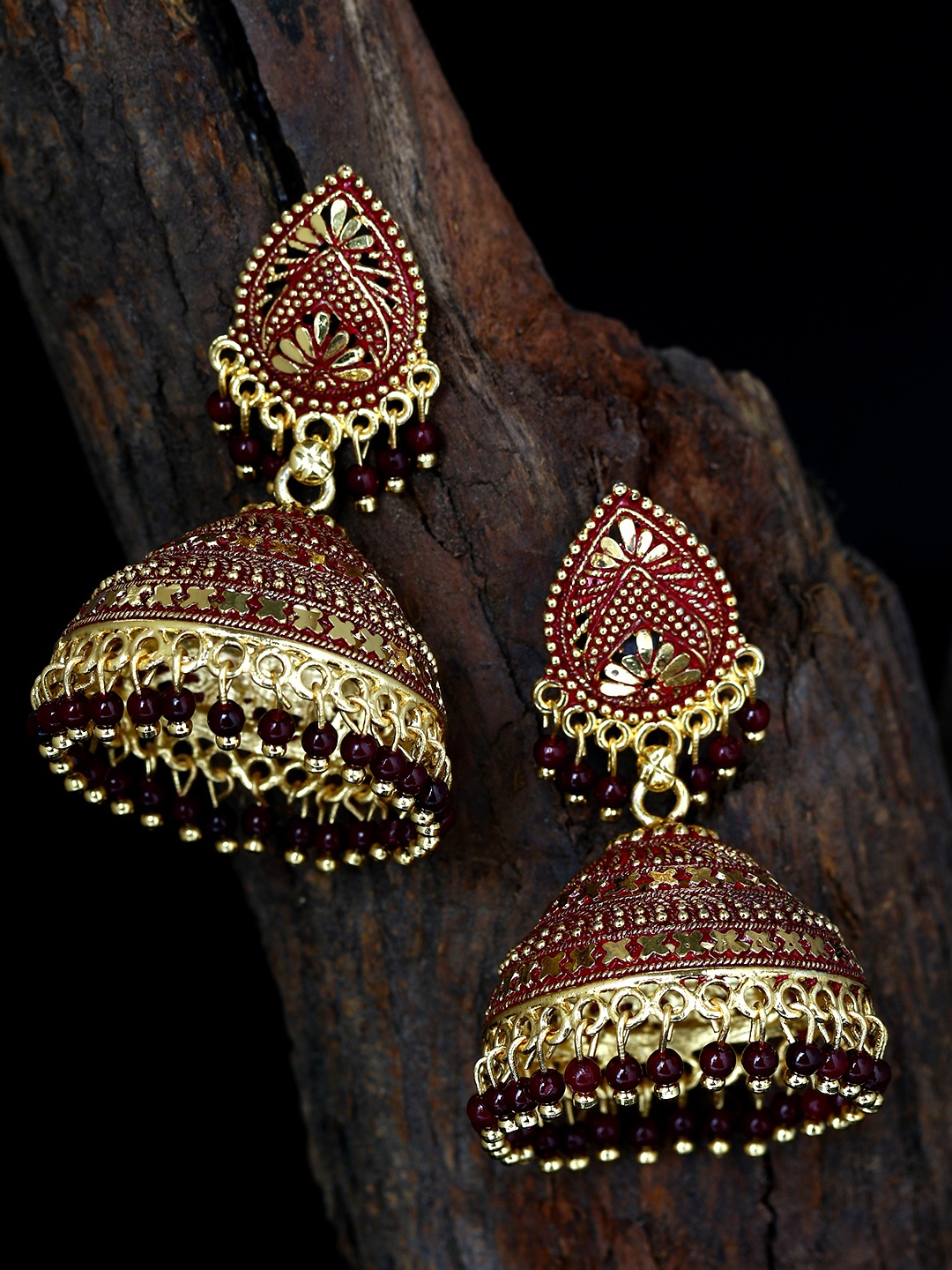
A beautifully finished jhumka may still disappoint if its hook uses a weak alloy. The hook can darken first and transfer marks onto the earlobe. Thin posts may also bend, exposing the base metal where the surface cracks.
Stainless steel posts are a practical choice for regular wear. They tend to resist corrosion and are less likely to cause irritation than unidentified mixed metals. Nickel-free or hypoallergenic posts can be helpful for sensitive ears, though these claims are most reliable when the brand provides clear material information.
Earring backs deserve attention too. Tight backs create friction every time they are removed. Very loose backs may fall off and leave an earring missing before the evening snacks arrive. Silicone backs are comfortable, but they should be cleaned and dried regularly.
When shopping in person, inspect the joining points. Darkness around soldered areas, rough edges or uneven colour often signals that tarnishing may begin there.
8. Match The Finish To How Often You Will Wear It
Not every pair needs the same level of durability. A dramatic chandbali worn twice a year for weddings has different requirements from small hoops worn during the daily commute.
For occasional festive use, ornate brass earrings with traditional gold-tone plating may be perfectly suitable. They can deliver visual impact without the cost of precious jewellery. Careful storage between events may help them remain attractive for years.
Daily-wear pieces need stronger finishes. Stainless steel, PVD-coated jewellery and well-sealed electroplating usually cope better with regular handling. Lightweight designs also create less friction around the posts and hooks.
Think honestly about lifestyle. Earrings worn during exercise, long travel, kitchen work or humid outdoor events face more sweat and moisture. A delicate plated pair may not survive such treatment gracefully.
Price should match purpose. Spending ₹1,500 on a durable everyday pair may offer better value than replacing four ₹300 pairs that darken quickly. At the same time, there is little reason to overspend on a highly fashionable design that may feel outdated next season. Smart buying is not about choosing the costliest option. It is about choosing the right finish for the job.
9. Store Earrings Separately And Keep Them Dry
Many earrings tarnish inside the jewellery box rather than on the ear. A crowded box allows pieces to rub against one another, scratching the finish and exposing the base metal.
Each pair should ideally have its own small pouch, compartment or zip-lock packet. Soft fabric pouches reduce friction, while airtight packets limit contact with humid air. The earrings must be completely dry before being sealed.
Silica gel packets can help absorb moisture. Those tiny packets often arrive with shoes, handbags or electronics and can be reused inside jewellery storage. They should remain closed and away from children and pets.
Avoid storing artificial earrings in bathrooms, near windows or beside damp walls. A cool, dry cupboard works better. Direct sunlight may also fade coloured coatings and weaken adhesives used around stones.
Before storage, wipe earrings gently with a clean microfibre cloth. Do not use tissue paper with a rough texture, as it may create fine scratches. Chains and long earrings should lie flat rather than being folded tightly.
A little organisation may feel excessive, but it prevents the familiar morning drama of untangling earrings while already running late.
10. Clean Gently And Know When To Stop
Cleaning can revive dull earrings, but harsh methods may remove the finish completely. Toothpaste, baking soda, lemon juice and strong detergent often appear in household cleaning advice. These substances may work on certain solid metals, yet they can be too abrasive or acidic for artificial plating.
The safest routine begins with a soft, dry cloth. For light dirt, use a slightly damp cloth and wipe gently. The earrings should be dried immediately, including narrow grooves and the area behind stones.
A cotton bud can reach around posts and clasps. Mild soap may be used sparingly on sturdy, water-resistant pieces, but earrings with glued stones, fabric, enamel or pearls should not be soaked.
Stop cleaning if colour begins transferring onto the cloth. That usually means the plated layer is wearing away. Continued rubbing will expose more of the base metal.
Clear jewellery protectant may extend the life of some pieces, but it should be compatible with the material. Ordinary nail polish is sometimes used on posts, though it can chip and may irritate sensitive skin. When the finish has peeled badly, replacement is often safer and neater than repeated repair attempts.
Products Related To This Article
1. Estele 24 Kt Gold Plated Earrings With Green Coloured Flower Print For Women
2. Shining Diva Fashion 18k Rose Gold Plated Latest Fancy Stylish Copper Zircon Bali Earrings for Women
3. YouBella Jewellery Earings Gold Plated Floral Earrings for Girls and Women
4. Nilu's Collections Abstract Drip Design Earrings in Trendy and Modern Look
5. Zaveri Pearls Set of 2 Gold Tone Contemporary Cubic Zirconia Brass Stud Earrings For Women
6. Shining Diva Fashion Latest Sweet Romantic Elegant White Flower Hoop Earrings
7. LeCalla 925 Sterling Silver BIS Hallmarked Lightweight Teardrop Filigree Leverback Drop Dangle Earrings
Artificial earrings are meant to bring colour, personality and a little sparkle to everyday life. Their shine may not last forever, but it should not disappear after one family function and a humid auto-rickshaw ride.
Most blackening comes from a simple combination of reactive base metals, thin plating, moisture, sweat and chemical exposure. Once these factors become familiar, shopping gets easier. Clear material descriptions, thicker plating, anti-tarnish coatings and durable posts are better signs of quality than bright photographs or grand claims.
Care matters just as much as selection. Earrings should go on after perfume and creams have dried. They should come off before bathing, sleeping or exercising. A quick wipe and dry storage can add months, sometimes years, to their useful life.
The best pair is not always the most expensive or the most dazzling under shop lights. It is the one with a finish suited to its purpose, a comfortable base metal and enough durability to survive real life. After all, jewellery should complete the outfit, not leave a mysterious black reminder on the earlobe.
(Disclaimer: This article may include references to or features of products and services made available through affiliate marketing campaigns. NDTV Convergence Limited (“NDTV”) strives to maintain editorial independence while participating in such campaigns. NDTV does not assume responsibility for the performance or claims of any featured products or services.)