Belts For Dresses vs Jeans: Why The Same Belt Does Not Work For Every Outfit
Belts designed for jeans don't always suit dresses. From fit and fabric to comfort and style, this article explains why one belt can't do both, and how choosing the right one can instantly improve any outfit. Learn which belts are the right option for dresses and jeans.
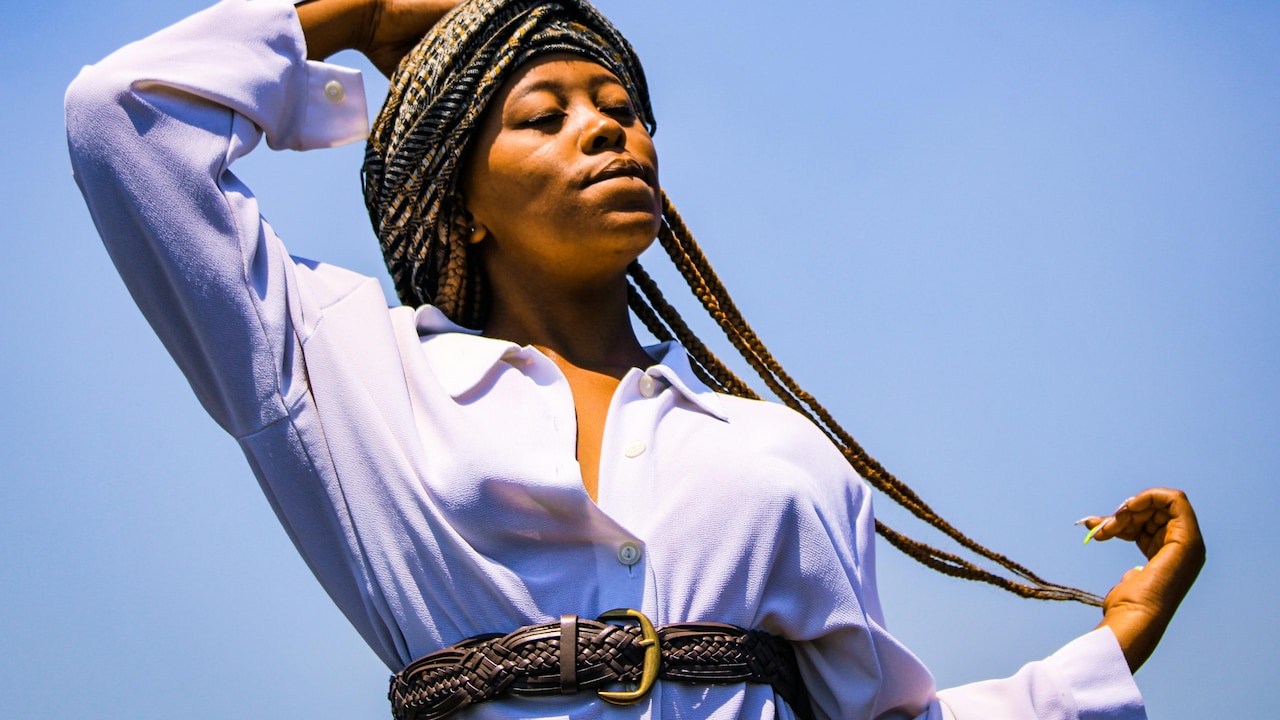
Belts For Dresses Vs Jeans: Why One Size Never Truly Works For Both, And What To Buy.
Belts rarely get the credit they deserve. They sit quietly in wardrobes, looped through jeans or cinched over dresses, doing their job without much fuss. Yet, the moment the wrong belt meets the wrong outfit, the entire look feels off. A thick leather belt that works perfectly with denim can ruin the flow of a soft cotton dress. A slim, elegant belt that flatters a kurta-style dress can look lost on rugged jeans. Many people assume belts are interchangeable. After all, they come with holes and buckles, so why not use one everywhere? The answer lies in function, proportion, fabric, and even mood. Dresses and jeans demand different things from a belt, both practically and aesthetically.
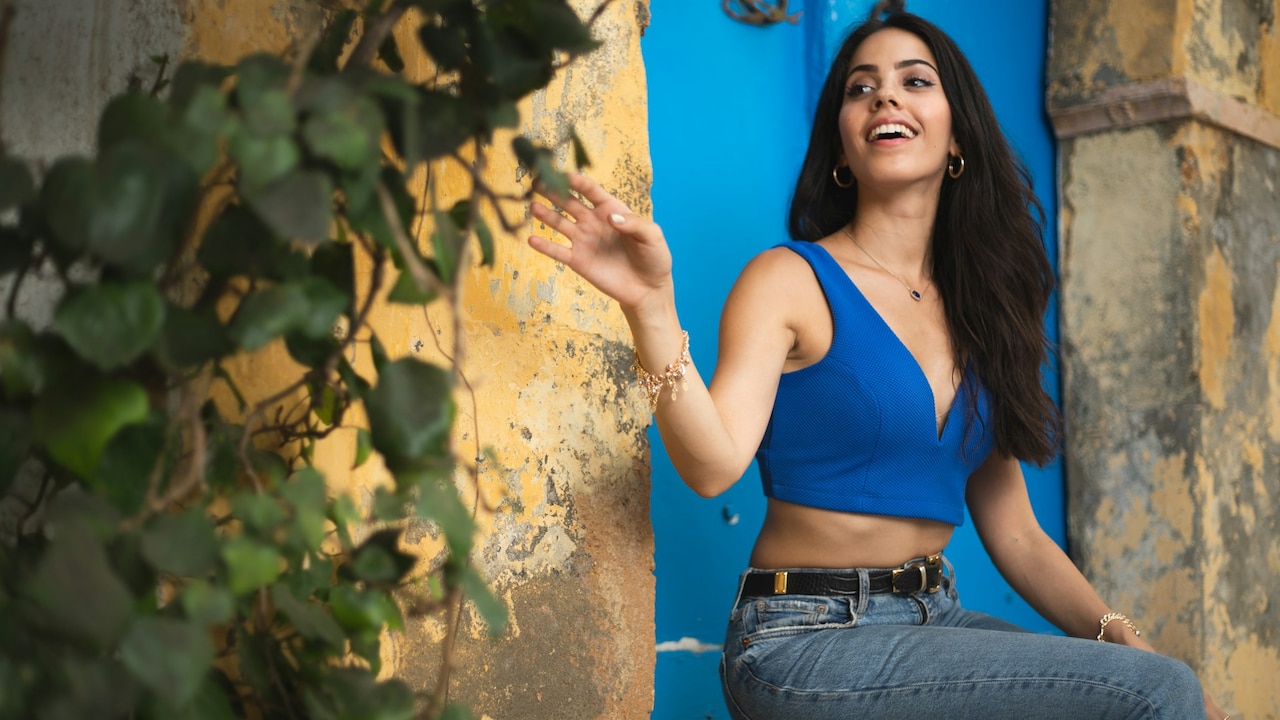
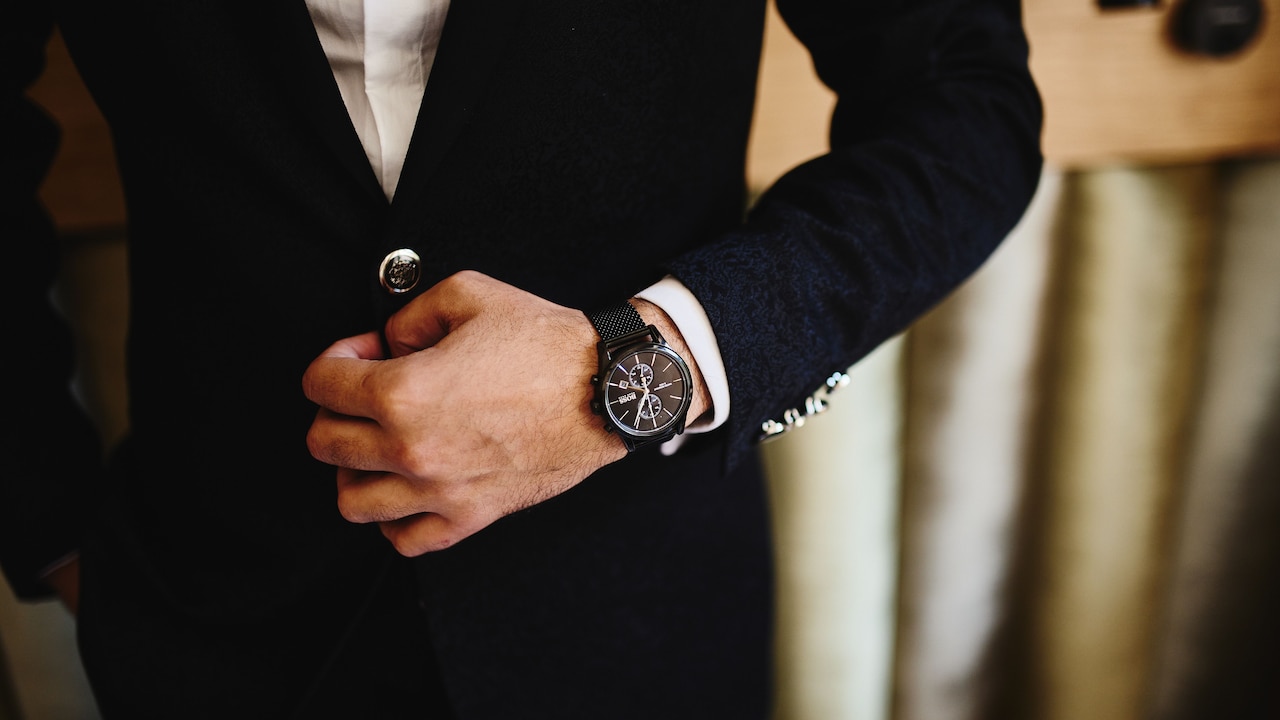
Get expert tips to choose the right belt for your jeans and dresses; Photo Credit: Pexels
This article breaks down the reasons why one-size belts fail across outfits, with relatable examples drawn from daily life, celebrations, and workwear. It also shows how choosing the right belt can quietly elevate an outfit, without shouting for attention.
Also Read: Best Women's Fashion Belts To Elevate Casual Looks: Top 7 Stylish Picks
Why Belts Behave Differently Depending On What You Wear Them With
1. Purpose Comes Before Style
Belts for jeans begin with a clear job description: support. Jeans are structured, heavy, and designed to sit firmly on the hips or waist. The belt needs strength to hold weight, especially with keys, phones, and wallets tugging at pockets. That's why denim belts tend to be thicker, sturdier, and made from tough leather or similar materials.
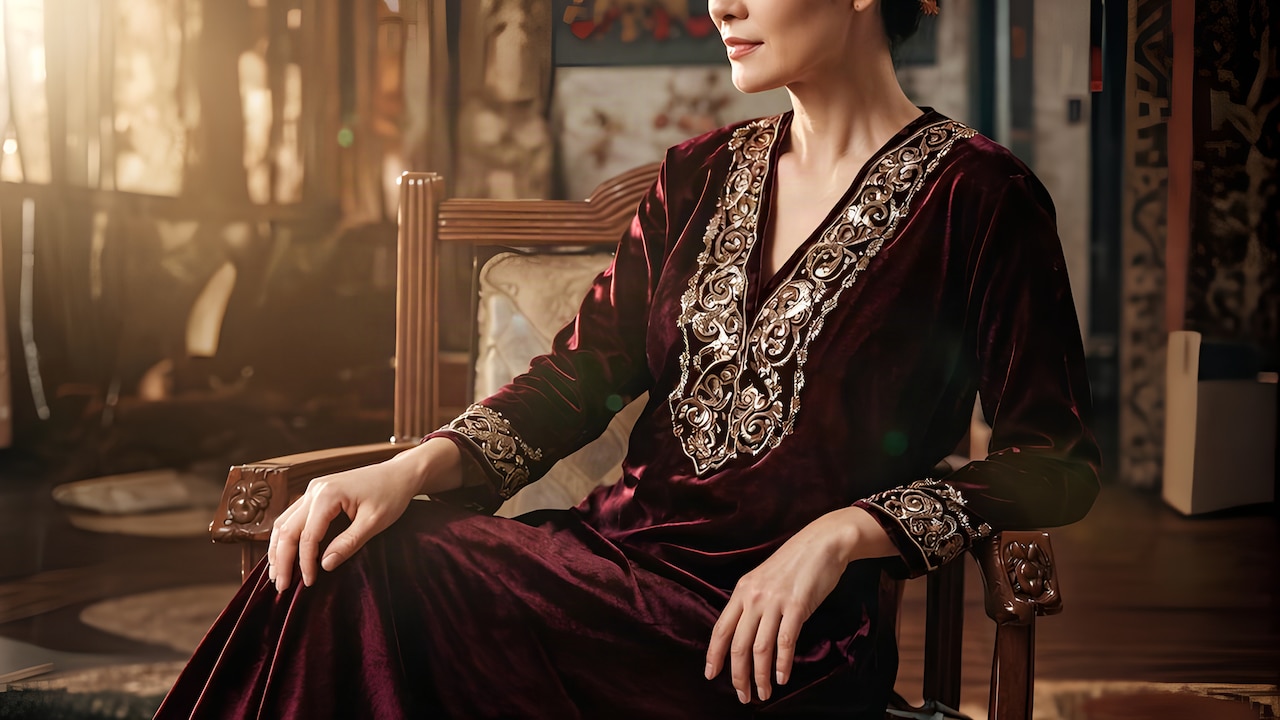
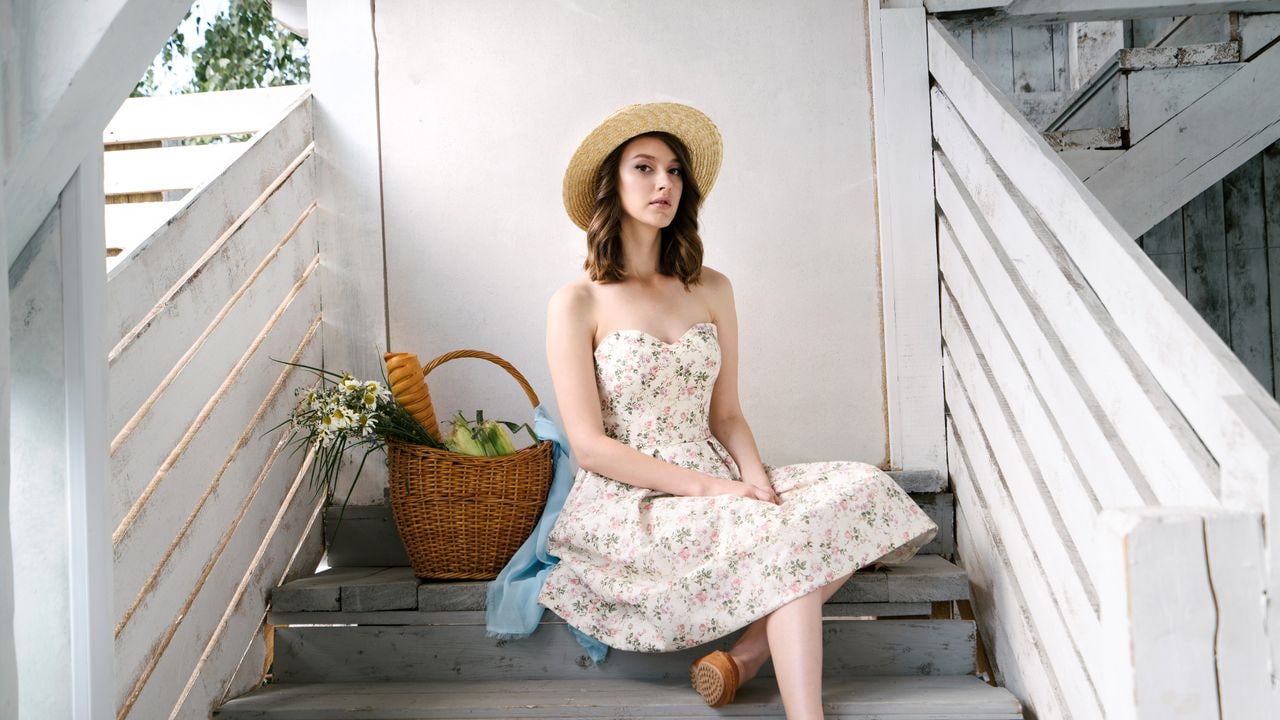
Belts for dresses tell a different story. Their role focuses more on shaping than supporting. A dress usually stays up on its own. The belt steps in to define the waist, add contrast, or introduce texture. Using a rigid jeans belt on a flowy dress often feels like wearing formal shoes with beachwear. The outfit loses harmony.
Think of a casual brunch look. A light midi dress paired with a chunky jeans belt can feel abrupt, cutting the outfit into awkward halves. Swap that belt for a slim fabric or faux leather option, and the look instantly softens. The belt stops being a tool and becomes a design element. Purpose sets the foundation, and style follows.
2. Fabric Weight Changes Everything
Fabric weight plays a quiet but powerful role in how belts behave. Jeans are thick, with reinforced waistbands and loops designed to hold firm accessories. A belt that works here needs substance. Thin or delicate belts tend to twist, crease, or disappear altogether against denim.
Dresses, on the other hand, often feature lighter fabrics like cotton blends, georgette, chiffon, or rayon. These materials respond better to flexible, lighter belts. A heavy belt pulls the fabric down, creating bunching or awkward folds. It can also cause the dress to shift while walking, leading to constant adjustments.
Picture a long summer dress worn to a daytime event. A bulky belt drags the fabric, making the dress sit unevenly by evening. A lighter belt moves with the fabric instead of fighting it. Matching fabric weight keeps the outfit comfortable and visually balanced, proving that belts must respect the clothes they accompany.
3. Width Isn't Just a Measurement
Belt width often decides whether an outfit feels intentional or accidental. Jeans typically pair well with wider belts. The waistband is broad, the loops are spaced accordingly, and the overall look benefits from a bold line breaking up the outfit.
Dresses usually require narrower belts, especially when worn at the natural waist. A wide belt can overwhelm the torso, particularly on shorter frames. It can shorten the visual line of the body, making the outfit feel heavy at the centre.
A classic example appears during festive seasons. A dress styled with a broad belt may look trendy in theory, but in practice, it can steal attention from prints, embroidery, or silhouettes. A slimmer belt highlights curves without competing with the dress itself. Width shapes perception, not just fit.
4. Buckles Speak Louder Than Expected
Buckles tell stories. Jeans belts often feature prominent buckles made of metal, sometimes with logos, textures, or bold finishes. They add character to casual or rugged outfits and feel at home with denim.
Dresses usually ask for quieter buckles. Small clasps, hidden fastenings, or minimal designs blend into the outfit. A loud buckle on a dress can pull attention to the waist in an unflattering way, especially in formal or semi-formal settings.
Imagine wearing a sleek evening dress to a family celebration. A large metal buckle catches the light every time you move, distracting from jewellery and fabric details. A subtle fastening keeps focus where it belongs. Buckles aren't just functional. They set the tone of the outfit.
5. Comfort Over a Long Day
Comfort matters more than most people admit. A jeans belt sits low and tight, designed to stay in place while walking, sitting, or riding through traffic. The stiffness helps it hold shape over hours.
A dress belt often sits higher, around the natural waist. This area expands and contracts with breathing and movement. A rigid belt can dig into the skin, leaving marks or discomfort by the end of the day. That's why dress belts often include elastic sections or softer materials.
Consider a long office day followed by dinner plans. A stiff belt around a dress can feel unbearable by evening. A flexible belt adapts to movement, allowing comfort without sacrificing style. When comfort drops, confidence follows. The right belt keeps both intact.
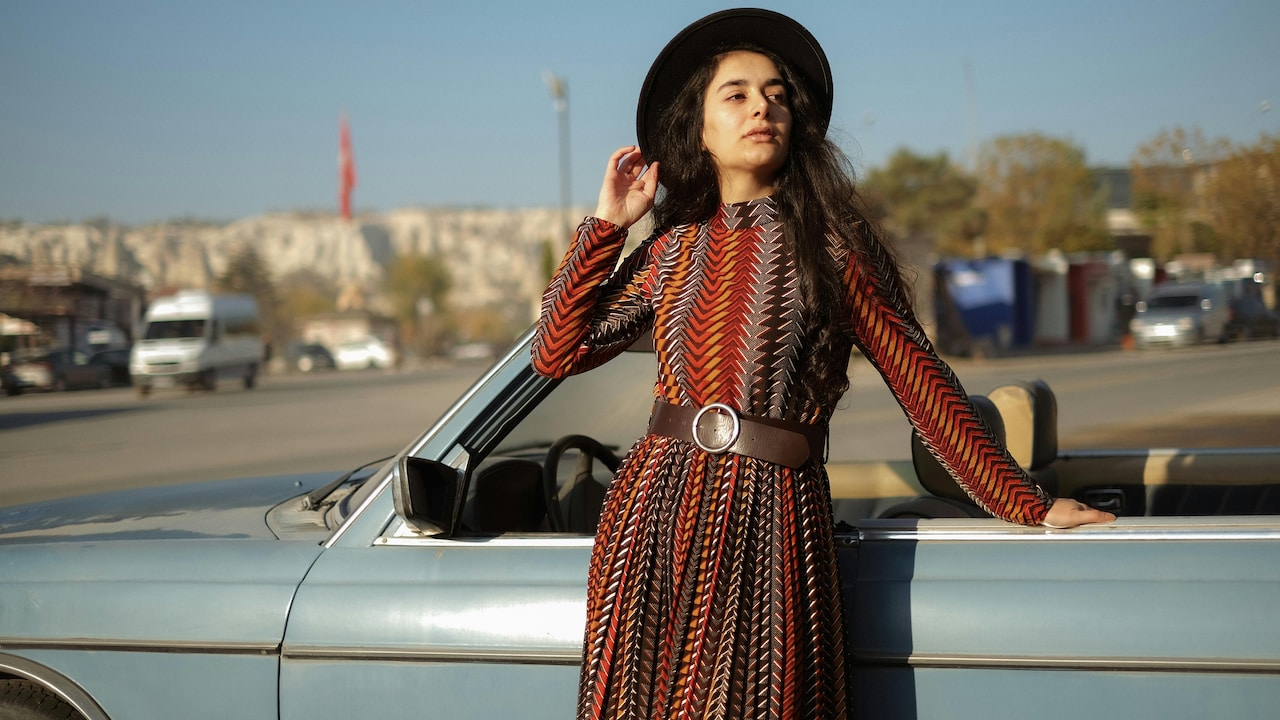
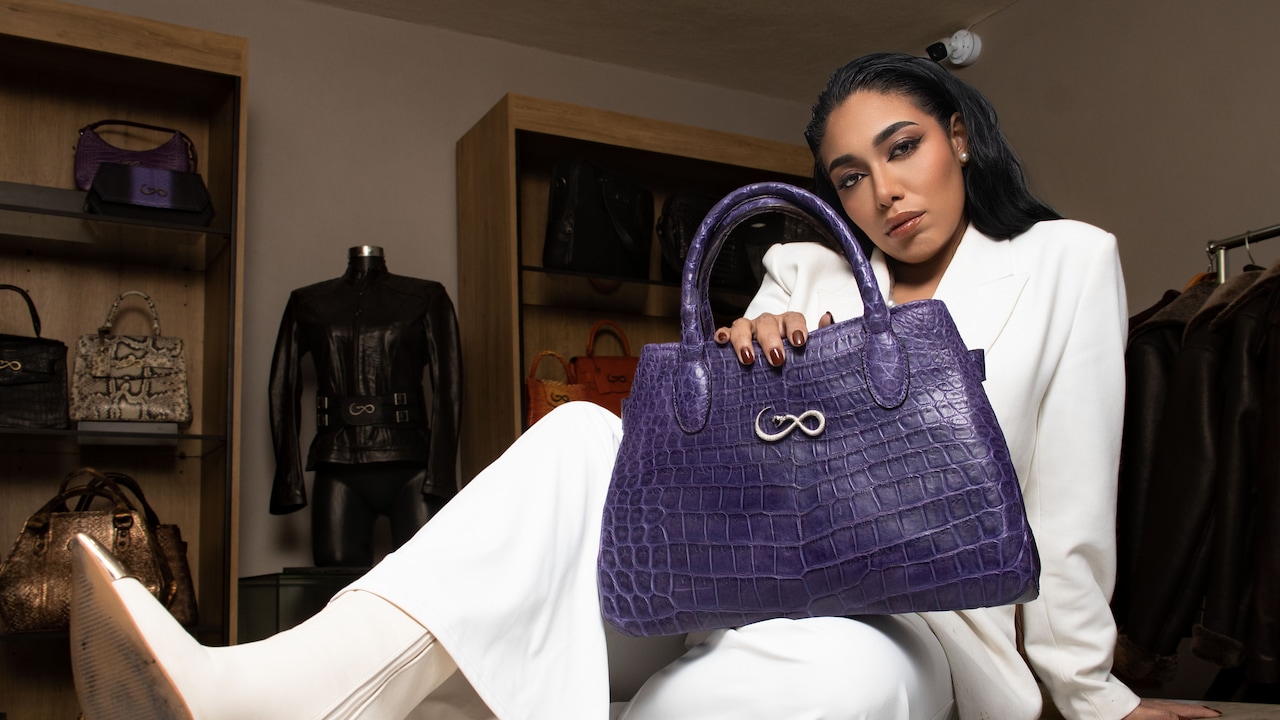
Use belts with elastic sections or softer materials for your dresses; Photo Credit: Pexels
6. Style Language Differs
Every piece of clothing speaks a style language. Jeans speak casual, practical, and grounded. Their belts echo this with earthy tones, textured leather, and solid construction.
Dresses speak a broader range of languages. They can whisper elegance, shout celebration, or hum everyday ease. Dress belts follow suit, offering colours, patterns, metallic finishes, or even fabric ties.
Using a jeans belt with a dress often causes a language clash. The belt says “casual utility” while the dress says “soft elegance.” The mismatch feels off, even if it's hard to pinpoint why. Matching style language ensures the outfit feels cohesive, not confused.
7. Seasonal Needs Shift Choices
Seasons influence belt choices more than expected. In warmer months, dresses dominate wardrobes. Lightweight belts that allow airflow and flexibility feel natural. Materials like fabric, faux leather, or thin leather strips work best.
Colder months bring jeans, layered outfits, and heavier fabrics. Belts step up with thicker materials and darker tones. Expecting one belt to handle both extremes leads to compromise.
During monsoon months, for instance, a thick leather belt worn with a dress can feel sticky and uncomfortable. A fabric belt handles humidity better. Seasonal awareness helps in choosing belts that feel right, not forced.
8. Body Proportions and Balance
Belts play a role in shaping how the body appears. Jeans belts usually sit lower, aligning with the hips. Dress belts often sit higher, highlighting the waist. This shift changes how proportions look.
A wide belt on a dress can shorten the torso visually. A thin belt on jeans can make the lower body look unbalanced. Each garment requires a belt that complements its natural structure.
For example, pairing a slim belt with high-waisted jeans can look underwhelming. The outfit lacks grounding. A structured belt completes the look. Balance creates harmony, and harmony looks effortless.
9. Occasion Dictates Expectations
Occasions carry unspoken dress codes. Jeans with belts suit casual outings, travel days, or relaxed evenings. Dresses span everything from office wear to celebrations.
Wearing a jeans belt with a formal dress sends mixed signals. It can make the outfit feel unfinished or overly casual. Dress belts adapt more easily to occasion-specific needs, whether subtle for work or decorative for events.
At a family function, for instance, a thoughtfully chosen dress belt can elevate a simple outfit. A rugged belt would feel out of place. Occasion shapes expectations, and belts must follow.
10. Longevity and Wear Patterns
Belts age differently based on use. Jeans belts endure friction, weight, and frequent adjustments. They develop creases and patina that suit casual looks.
Dress belts experience gentler wear. Their appeal lies in clean lines and refined finishes. Using a jeans belt for dresses accelerates visible wear, making outfits look tired faster.
Keeping separate belts extends their lifespan and keeps outfits fresh. It's not about excess. It's about smart rotation. One belt trying to do everything ends up doing nothing well.
Products Related To This Article
1. CRUSSET Women Belt
2. Shining Diva Fashion Women Belt
3. YouBella Women Black Belt
4. Shining Diva Fashion Women Link Belt
5. CRUSSET Women Tan Brown Solid Belt
6. Shining Diva Fashion Women Belt
7. Vero Moda PU Slim Belt
Belts may seem small, but they quietly influence how outfits feel, fit, and function. Dresses and jeans live in different worlds, shaped by fabric, purpose, and style language. Expecting one belt to bridge that gap often leads to discomfort and visual imbalance.
Choosing the right belt doesn't require a huge collection. It requires awareness. A sturdy belt for jeans. A softer, flexible option for dresses. Each plays its role without competing for attention. The next time an outfit feels slightly off, the belt might be the reason. When belts align with the clothes they support, everything falls into place.
(Disclaimer: This article may include references to or features of products and services made available through affiliate marketing campaigns. NDTV Convergence Limited (“NDTV”) strives to maintain editorial independence while participating in such campaigns. NDTV does not assume responsibility for the performance or claims of any featured products or services.)