How To Choose Blazers For Short Height Without Looking Swamped
Struggling to find a blazer that flatters a shorter frame? The right length, fit, and structure can add polish without overwhelming your proportions. This is how to choose smartly and look effortlessly sharp.

Explore expert tips to choose the right blazer fabric, fit, and style for those with short height.
Blazers carry quiet power. They turn simple outfits into statements. They sharpen casual jeans and elevate traditional wear. Yet for shorter individuals, the blazer aisle often feels like a trap. Sleeves extend beyond fingertips. Shoulders droop. Length falls mid-thigh and steals inches that matter.
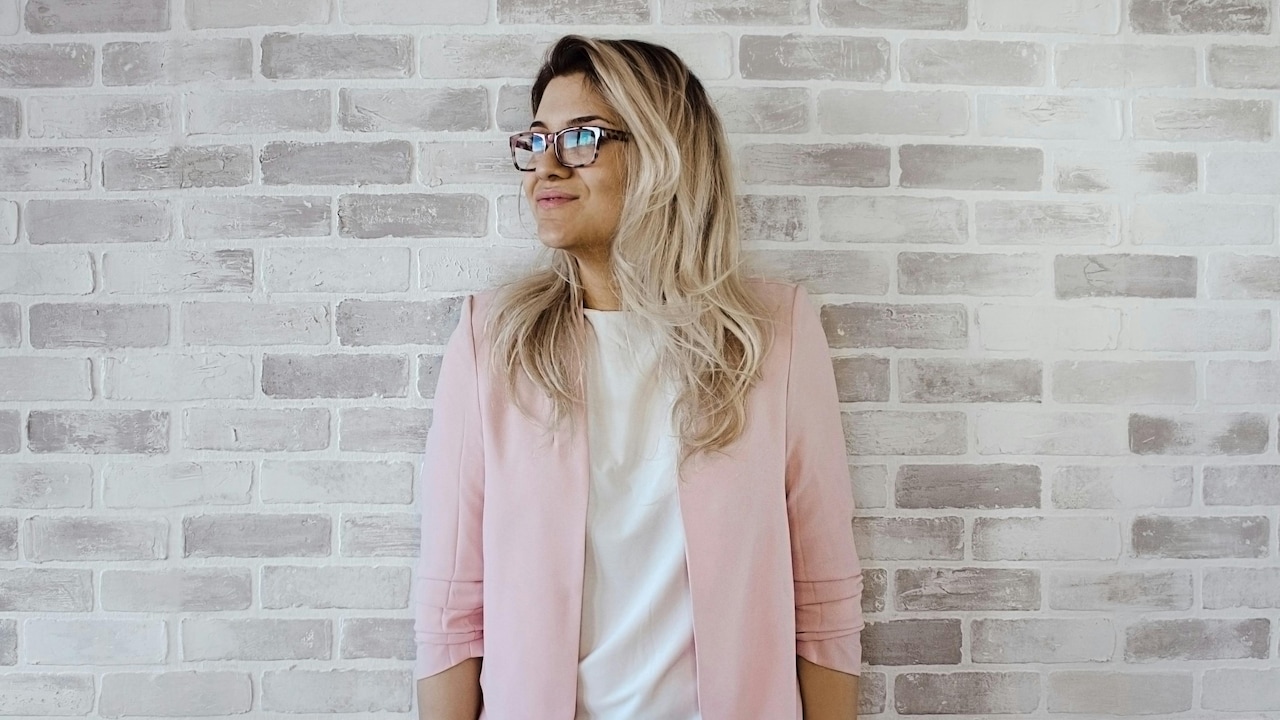
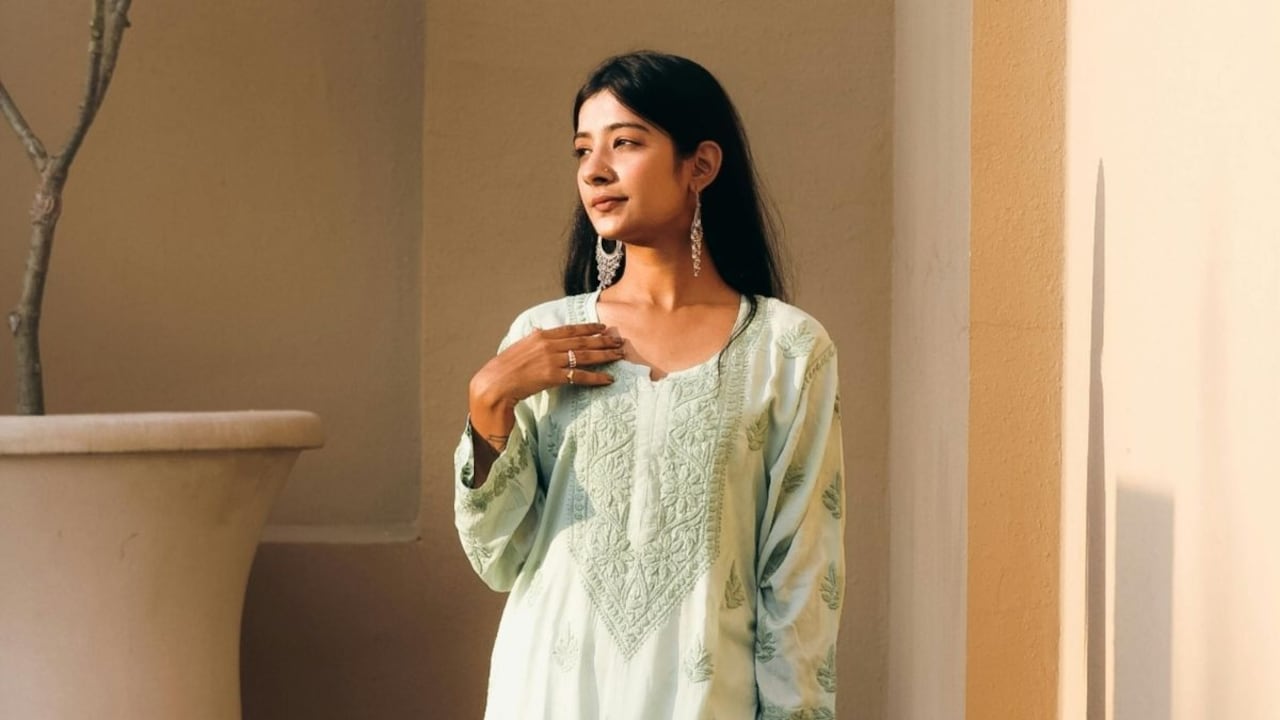
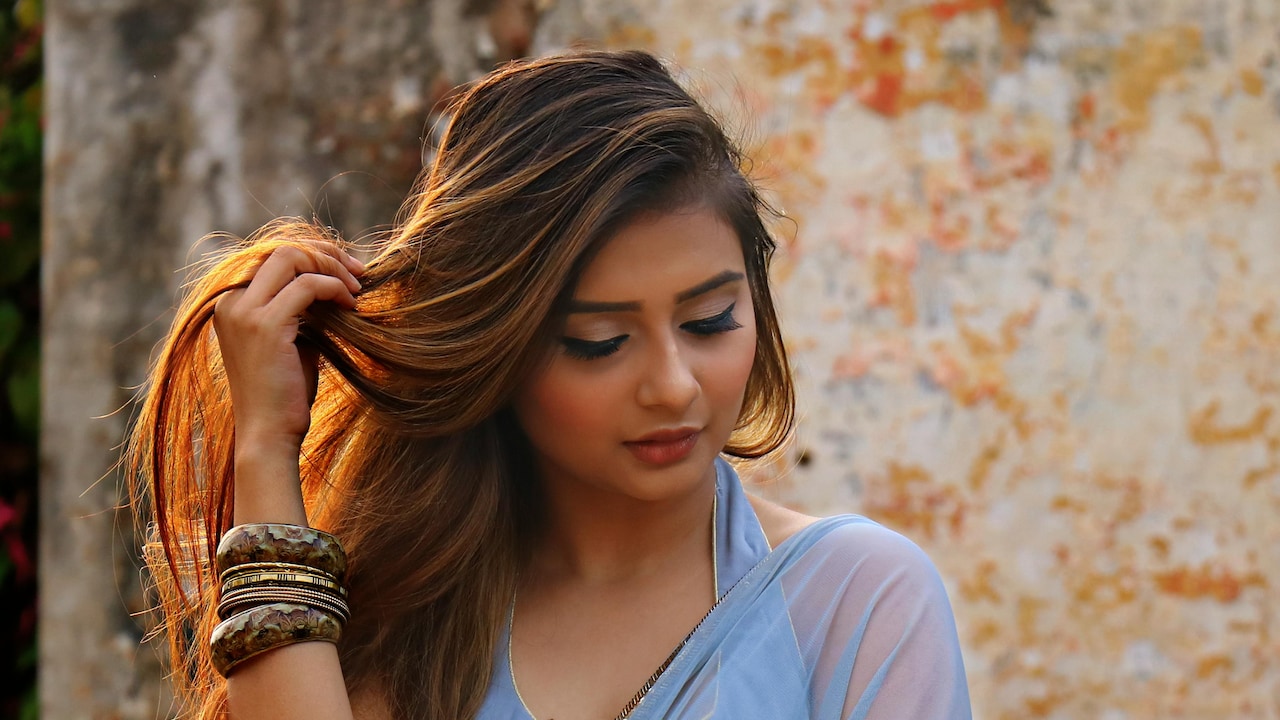
Find the right blazer for short height people that actually look flattering; Photo Credit: Pexels
Height may not change, but perception certainly can. Clever tailoring, thoughtful proportions, and fabric choices create an illusion of length. A well-fitted blazer can make someone look taller, slimmer, and more composed within seconds. No magic required. Just smart styling.
From bustling office corridors in Bengaluru to wedding receptions in Jaipur, the blazer has become a staple across wardrobes. Choosing wisely means avoiding that “borrowed from an elder sibling” look. It means embracing cuts that complement rather than conceal.
The following insights break down how to select blazers that work beautifully for shorter heights. No complicated fashion jargon. No unrealistic runway expectations. Just wearable, relatable advice designed to make every rupee spent feel worthwhile.
What Actually Makes A Blazer Work For Shorter Frames
Focus On The Right Length
Length decides everything. A blazer that extends too far past the hips can make a shorter frame appear compressed. The ideal length usually ends just at the hipbone or slightly below. That subtle difference creates balance and keeps the silhouette clean.
Longline blazers dominate fashion trends, yet they rarely serve shorter heights well unless styled with precision. A shorter blazer allows the legs to take visual priority, which naturally creates the impression of height. Pairing it with well-fitted trousers or high-waisted bottoms enhances that effect.
Tailors in local markets often suggest trimming a blazer by an inch or two. That small adjustment can transform a garment completely. Spending ₹600 to ₹1,000 on alterations often delivers more value than buying an entirely new piece.
Standing in front of a mirror, check where the blazer hits. If it covers most of the thigh, reconsider. When the hemline respects proportions, the overall look feels intentional rather than accidental.
Choose Structured Shoulders
Shoulders frame the body. When they droop or extend too wide, the entire outfit loses shape. Shorter individuals benefit from structured shoulders that sit neatly at the natural shoulder line.
Avoid exaggerated padding. Overly bold shoulders can look theatrical rather than flattering. Instead, seek a subtle structure that provides definition without bulk. Crisp tailoring creates a vertical line from shoulder to waist, giving a streamlined effect.
Many ready-to-wear blazers cater to broader frames. Brands like Zara and H&M offer petite sections in some collections, which often feature narrower shoulders and shorter sleeve lengths. Exploring these ranges saves time and reduces alteration costs.
A simple test works wonders. Raise the arms slightly. If the shoulder seam shifts or collapses, the fit may not be right. A clean shoulder line instantly sharpens presence, making even a simple white shirt and trousers look boardroom-ready.
Opt For Slim, Tailored Cuts
Oversized silhouettes may trend on social media, but they rarely flatter shorter frames. A slim, tailored cut follows natural body lines without clinging. It skims rather than swamps.
Boxy blazers add unnecessary width, which can make the body appear shorter. Tailored designs carve a shape at the waist and maintain proportion throughout. That gentle taper creates vertical emphasis.
Local tailoring shops remain invaluable. Purchasing a slightly snug blazer and adjusting it ensures a bespoke feel without the bespoke price. A decent alteration may cost ₹800, yet the result often rivals premium brands.
Avoid heavy layering underneath. Thick sweaters can bulk up the torso and distort proportions. Lightweight fabrics underneath keep the silhouette clean and elongated.
A tailored blazer does more than flatter height. It radiates confidence. When clothes fit well, posture improves naturally. Shoulders align, chin lifts, and the entire look transforms from hesitant to assured.
Pay Attention To Sleeve Length
Sleeves often betray poor fit. When they bunch at the wrist or extend past the knuckles, the blazer appears borrowed. Correct sleeve length should reveal a sliver of shirt cuff, about one centimetre.
Shortening sleeves remains one of the simplest tailoring fixes. Most local tailors handle this adjustment quickly and affordably. Spending ₹300 to ₹700 refines the entire outfit.
Three-quarter sleeves can also work well for shorter heights, especially in casual settings. They draw attention upward and create visual lightness. Rolling sleeves neatly offers a relaxed yet intentional vibe.
Avoid sleeves with excessive buttons or bulky cuffs. Minimal detailing keeps proportions balanced. Clean lines create elegance.
Standing straight with arms relaxed at the sides offers the best test. If the sleeve swallows the hand, the blazer swallows height too. Precision in this small area delivers a surprisingly big impact.
Embrace Monochrome Looks
Colour influences perception. Dressing in a single colour family from top to bottom elongates the frame instantly. Monochrome outfits create an uninterrupted vertical line, which visually adds height.
An all-black ensemble works beautifully for evening events. Beige or pastel monochrome feels elegant for daytime functions. Navy offers a safe yet sophisticated choice for corporate environments.
Contrast breaks the body into segments. While colour blocking can look striking, it may shorten the appearance of the torso or legs. Keeping tones similar avoids that interruption.
Fabric texture can add interest without disrupting continuity. Pairing a matte blazer with slightly textured trousers maintains dimension while preserving length.
Monochrome dressing does not demand expensive wardrobes. Coordinating pieces thoughtfully often costs less than impulse purchases. A ₹2,500 blazer can look like ₹8,000 when styled cohesively.
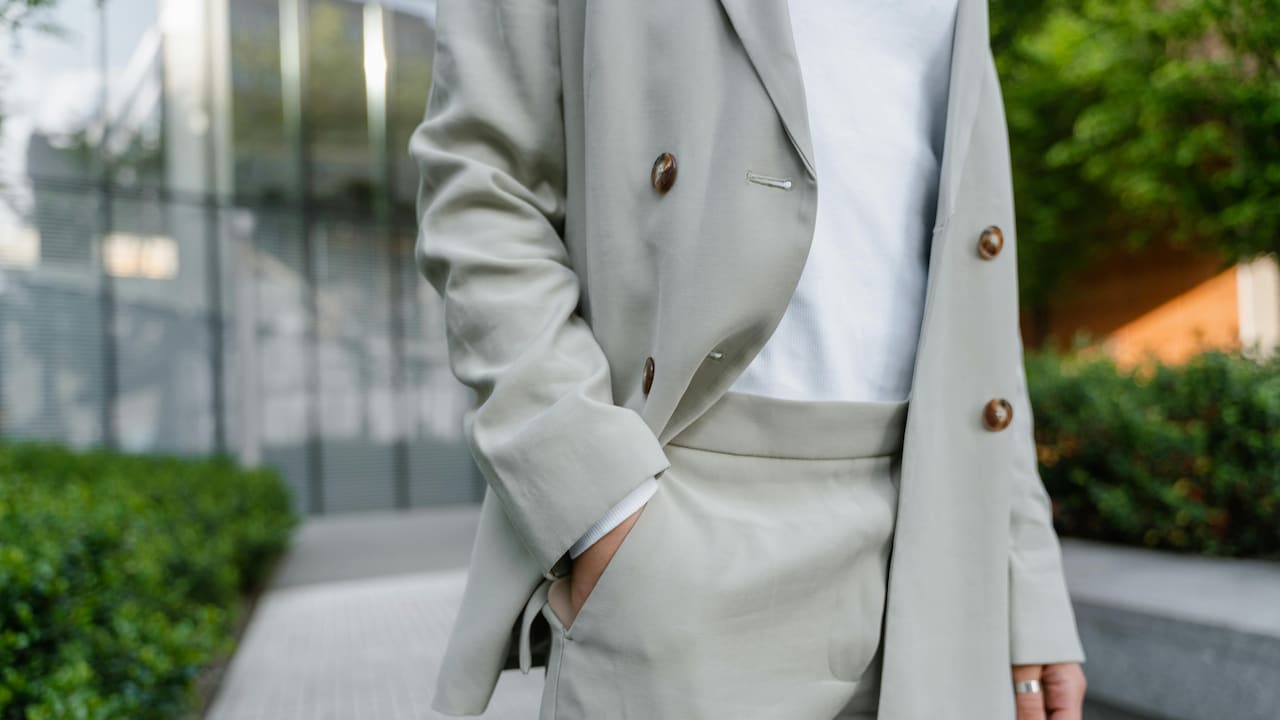
Consider beige or pastel monochrome looks that divide your body in segments; Photo Credit: Pexels
Select Lightweight Fabrics
Heavy fabrics weigh down smaller frames. Thick tweed or bulky wool can overwhelm proportions. Lightweight materials such as cotton blends, linen, or fine wool maintain structure without excess bulk.
Breathable fabrics suit warmer climates too. Sweating through layers rarely enhances confidence. Lightweight blazers remain practical for most seasons, especially in cities where temperatures fluctuate.
Traditional celebrations sometimes call for embellished jackets. In such cases, choose minimal embroidery rather than dense, heavy detailing. Brands like Manyavar often carry lighter festive jackets that balance tradition with comfort.
Fabric drape matters. A material that falls smoothly creates clean vertical lines. Stiff fabrics can jut outward and make the torso appear wider.
Testing fabric involves simple movement. Sit, stand, and walk. If the blazer maintains shape without stiffness, it likely suits a shorter frame better.
Go For Vertical Details
Vertical elements create height illusions effortlessly. Pinstripes, vertical seams, and sharp lapels guide the eye upward and downward in a single sweep.
Avoid large horizontal patterns. Bold checks or wide stripes can compress visual length. Subtle vertical stripes, however, add elegance and elongation.
Lapels also matter. Slimmer lapels complement smaller frames. Oversized lapels can overpower the upper body. Clean, narrow lines keep the focus streamlined.
Buttons arranged in a slightly lower position can lengthen the torso visually. Single-breasted designs often work better than double-breasted styles, which add width.
Details shape perception. When lines move vertically, height appears amplified. That quiet optical trick works every time, whether at office meetings or festive gatherings.
Prioritise High-Waisted Pairings
A blazer rarely stands alone. What sits beneath it influences overall proportion. High-waisted trousers or skirts extend the leg line dramatically. When paired with a shorter blazer, the effect feels seamless.
Low-rise bottoms shorten the appearance of legs. High-rise cuts shift the waistline upward, creating instant elongation. This pairing works especially well for formal wear.
Tucking in shirts enhances that effect further. A clean waistline defines structure and prevents bulk. Cropped blazers combined with high-waisted trousers offer a winning formula for shorter heights.
Local brands such as Raymond provide tailored trousers that complement structured blazers beautifully. Investing in well-fitted bottoms often matters as much as the blazer itself.
Standing in front of a mirror, notice where the eye travels. When legs appear longer, overall height perception increases effortlessly.
Avoid Excessive Layering
Layering adds depth, yet too many layers can swallow a smaller frame. Thick scarves, bulky sweaters, and oversized inner layers disrupt clean lines.
A slim shirt or lightweight knit works best beneath a blazer. Keeping the inner layer fitted ensures the outer layer retains its structure. Minimal layering maintains clarity.
Winter dressing often tempts heavy additions. Instead, choose thermal innerwear that stays invisible yet warm. That approach preserves the silhouette without sacrificing comfort.
Accessories should complement rather than dominate. Long necklaces can add vertical emphasis, while chunky pieces may crowd the neckline.
Simplicity often wins. When each layer serves a purpose rather than volume, the outfit breathes. The body appears balanced, not buried under fabric.
Invest In Tailoring
Off-the-rack rarely fits perfectly. Tailoring bridges the gap between average sizing and personal proportions. Even premium brands cannot predict every body type.
A good tailor can adjust length, taper sides, shorten sleeves, and refine shoulders. Those subtle changes elevate an ordinary blazer into a wardrobe staple.
Spending ₹1,000 to ₹2,000 on alterations may seem unnecessary at first glance. Yet that investment extends the garment's life and boosts confidence each time it is worn.
Finding a reliable tailor often proves more valuable than chasing trends. Once measurements feel right, future purchases become easier to refine.
Clothing should work for the wearer, not against them. Tailoring ensures harmony between the garment and the body, especially for shorter heights.
Products Related To This Article
1. 9 Impression Striped Single Breasted Formal Women Blazer
2. Park Avenue Self Design Single Breasted Formal Men Blazer
3. Hancock Solid Single Breasted Formal Women Blazer
4. Turtle Checkered Single Breasted Casual Men Blazer
5. Kotty Solid Single Breasted Casual Women Blazer
Style never depends solely on height. It depends on proportion, confidence, and thoughtful choices. A well-chosen blazer can redefine presence in seconds. It can transform daily office wear or elevate festive attire without overwhelming the frame.
The secret lies in respecting proportions. Shorter lengths, structured shoulders, tailored cuts, precise sleeves, and lightweight fabrics all contribute to balance. Monochrome dressing and high-waisted pairings enhance that effect further. Vertical details subtly stretch perception, while excessive layering shortens it.
Shopping need not feel frustrating. A little patience, a trusted tailor, and careful observation turn the process into an empowering experience. Whether browsing high-street brands or exploring local markets, the focus should remain on fit and proportion rather than trend alone.
When the blazer fits well, it does not shout. It whispers confidence. It stands tall, even when height remains modest. And that quiet confidence speaks louder than any oversized silhouette ever could.
(Disclaimer: This article may include references to or features of products and services made available through affiliate marketing campaigns. NDTV Convergence Limited (“NDTV”) strives to maintain editorial independence while participating in such campaigns. NDTV does not assume responsibility for the performance or claims of any featured products or services.)