Best Materials for Structured Bags: What to Buy If You Hate Slouchy Handbags
Stop your bags from slouching. These 10 durable materials and structural features help handbags, totes, and backpacks hold their shape for years, through daily use, humidity, and heavy loads.
Stop Your Bags from Losing Shape with These Long-Lasting Materials That Keep Their Structure.
A good bag does more than carry things. It carries confidence. The right one makes an outfit look sharper, a commute feel easier, and a rushed morning feel slightly less like a sprint. But there's one problem that almost everyone has faced: the dreaded “bag slump”.
One day, your bag looks crisp and structured. Next, it folds in the middle like a dosa left out too long. Corners soften. The base sags. The sides start collapsing inward. Suddenly, it doesn't look premium anymore. It looks tired.
The good news is that this is not mysterious bad luck. Bags lose shape for predictable reasons: thin materials, weak lining, flimsy reinforcement, and low-quality hardware. And the fix starts with choosing the right long-lasting materials that naturally hold structure, even when your bag is stuffed with a water bottle, charger, makeup pouch, and that one random receipt you'll never throw away.
Let's talk about the materials that don't just look good on day one, but still look good on day 500.
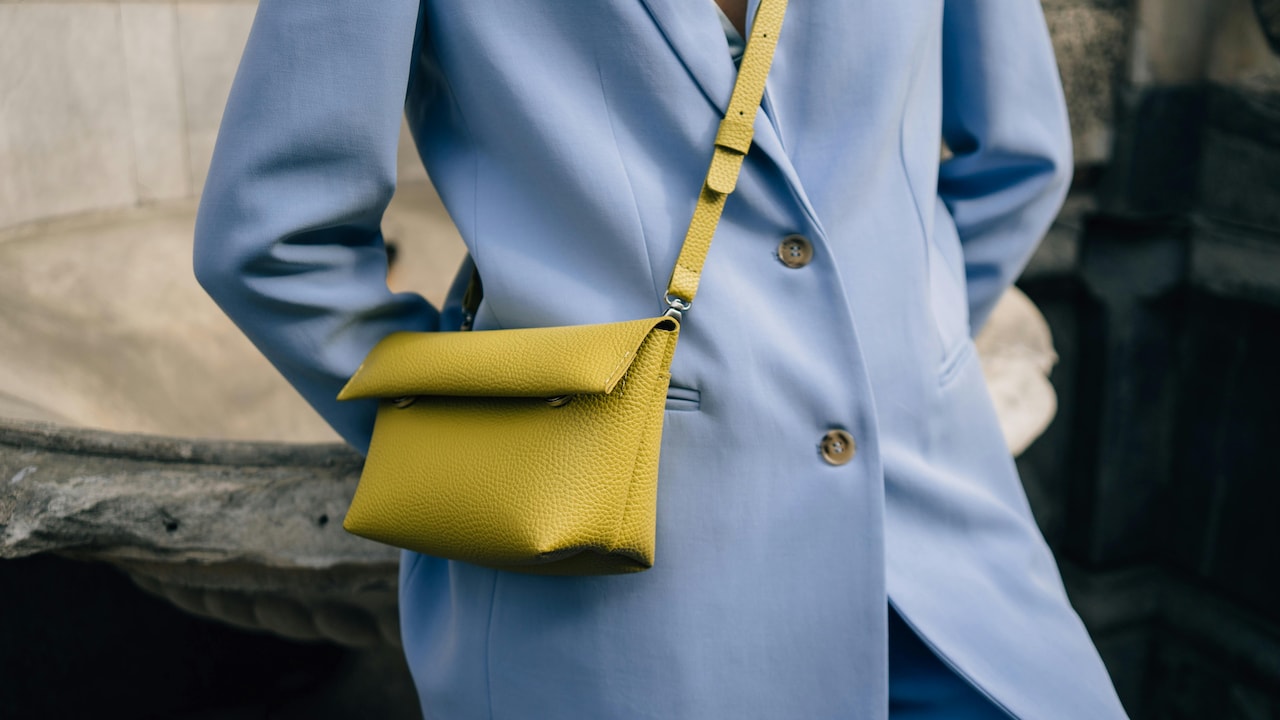
Stop Your Bags from Losing Shape with These Long-Lasting Materials That Keep Their Structure
Photo Credit: Pexels
What to Look for If You Want a Bag That Won't Slouch
1) Full-Grain Leather: The “Age Like Fine Filter Coffee” Option
Full-grain leather is the top-tier choice for structure because it keeps the natural grain of the hide intact. That grain acts like a built-in support system. It resists stretching, holds its form, and develops character rather than damage. Unlike cheap leather that peels or cracks, full-grain tends to soften gradually while still keeping its backbone.
In daily life, this matters a lot. A structured leather tote made with full-grain leather won't collapse even after long commutes or being shoved under an office desk. It may pick up a few scuffs, but those scuffs often look intentional, like the bag has stories, not problems.
For humid weather, it helps if the leather has a proper finish. A light conditioner every few months also keeps it supple without making it floppy. And yes, it costs more upfront. But if a good leather bag lasts five to ten years, it ends up cheaper than replacing a ₹1,800 “trendy” bag every season.
2) Top-Grain Leather: A Smart Middle Ground That Still Holds Shape
Top-grain leather sits right below full-grain in the hierarchy, and it can still be excellent for structure. It gets sanded and treated for a smoother finish, which gives it that clean, polished look many people love for work bags and formal styles.
The key benefit is consistency. Top-grain leather tends to look more uniform, and it often comes with protective coatings that handle daily wear better. It also holds shape well, especially when paired with decent internal reinforcement.
This is the kind of material that works beautifully for satchels, crossbody bags, and structured shoulder bags. It doesn't sag quickly, and it resists that “melted corners” effect that cheaper materials develop.
One thing to watch: not all “genuine leather” labels mean top-grain. Many brands use the term loosely. If the bag feels paper-thin or overly plasticky, it likely won't keep its structure long. A good top-grain bag feels firm but not stiff, like it means business.
3) Vegetable-Tanned Leather: Strong, Structured, and Proudly Old-School
Vegetable-tanned leather is a traditional option that holds structure brilliantly, especially when the bag has clean lines and minimal slouch. It uses plant-based tanning instead of harsh chemicals, which creates a firmer leather that moulds slowly over time.
This is the material behind those gorgeous structured bags that start off slightly stiff and gradually become more comfortable without turning floppy. It develops a rich patina too, which means it changes colour with use in a way that looks premium rather than worn out.
It's perfect for work satchels, briefcases, and classic handbags. It also handles weight well. If your bag regularly carries a laptop, notebook, and charger, vegetable-tanned leather won't stretch out like softer materials.
One reality check: it needs care. Too much water or rough treatment can stain it. But with basic attention, like keeping it dry and storing it properly, it stays structured for years. It's like buying a bag and also buying a personality.
4) Coated Canvas: The Tough, Weather-Friendly Structure Keeper
Coated canvas is the underrated hero for people who want structure without worrying about rain, dust, or daily grime. Regular canvas can slouch over time, but coated canvas holds shape far better because the coating adds stiffness and strength.
This is why many high-end brands love it. It looks neat, resists water, and doesn't sag easily. It also stays lighter than leather, which matters if your shoulders already carry the weight of the world (and a fully loaded bag).
For daily use, coated canvas works beautifully for totes and medium-sized handbags. It keeps crisp edges and doesn't get that droopy look even after months of being carried around.
The best part is low maintenance. A quick wipe is usually enough. No elaborate conditioning routine, no panic when someone spills chai nearby. If you want something structured that survives both office life and weekend errands, coated canvas is a solid bet.
5) High-Density Nylon: The Backpack Material That Refuses to Collapse
Nylon gets a bad reputation because people associate it with flimsy school bags. But high-density nylon is a completely different beast. It's tough, structured, and designed to handle heavy loads without losing shape.
This is the material used in many premium backpacks, travel bags, and commuter-friendly styles. It resists tearing, doesn't stretch easily, and handles humidity like a champ. For cities with unpredictable weather and packed public transport, that's a major win.
The structure in nylon bags often comes from a combination of the fabric and internal panels. When done right, the bag stands upright even when half-empty. That's the dream.
Look for nylon that feels thick and slightly crisp, not soft and wrinkly. Also, check the stitching and zips. A strong fabric means nothing if the construction is weak. A well-made nylon bag can last for years and still look sharp, without demanding constant care.
6) Saffiano Leather: Scratch-Resistant and Stubbornly Structured
Saffiano leather is famous for one thing: it refuses to look messy. It has a textured crosshatch finish that resists scratches, scuffs, and stains. But the real bonus is how well it holds shape.
This material stays firm and structured even with daily use. It doesn't wrinkle easily, and it doesn't sag the way softer leathers do. That's why it's popular for structured handbags, office totes, and crossbody styles that need to look polished.
If you're the kind of person who tosses a bag onto the passenger seat, slides it under a café table, or carries it through crowded markets, saffiano can handle it. It doesn't act precious. It acts practically.
It's also easier to maintain than many other leathers. A wipe with a clean cloth usually does the job. For anyone who wants a bag that stays crisp without constant babying, saffiano is a reliable choice.
7) PU (Premium Grade): When It's Done Right, It Can Stay Structured
Let's be honest: PU has a reputation. Sometimes it deserves it. Cheap PU cracks, peels, and collapses faster than a flimsy umbrella in monsoon winds. But premium-grade PU, made with better backing and thicker layers, can actually hold structure well.
The trick is choosing wisely. Good PU feels firm, not rubbery. It holds its shape when you press it lightly. It also has a strong inner lining and a reinforced base.
PU works well for structured styles like box bags, mini totes, and fashion-forward handbags. It's also budget-friendly, which matters when you want a stylish option without spending ₹12,000.
That said, PU won't age like leather. It won't develop a patina. It won't become a lifelong companion. But if you want structure for a few years of steady use, and you pick a high-quality piece, it can absolutely deliver. Just don't expect miracles from a ₹799 “luxury look” bag.
8) EVA and Foam Reinforcement: The Hidden Skeleton That Makes Bags Stand
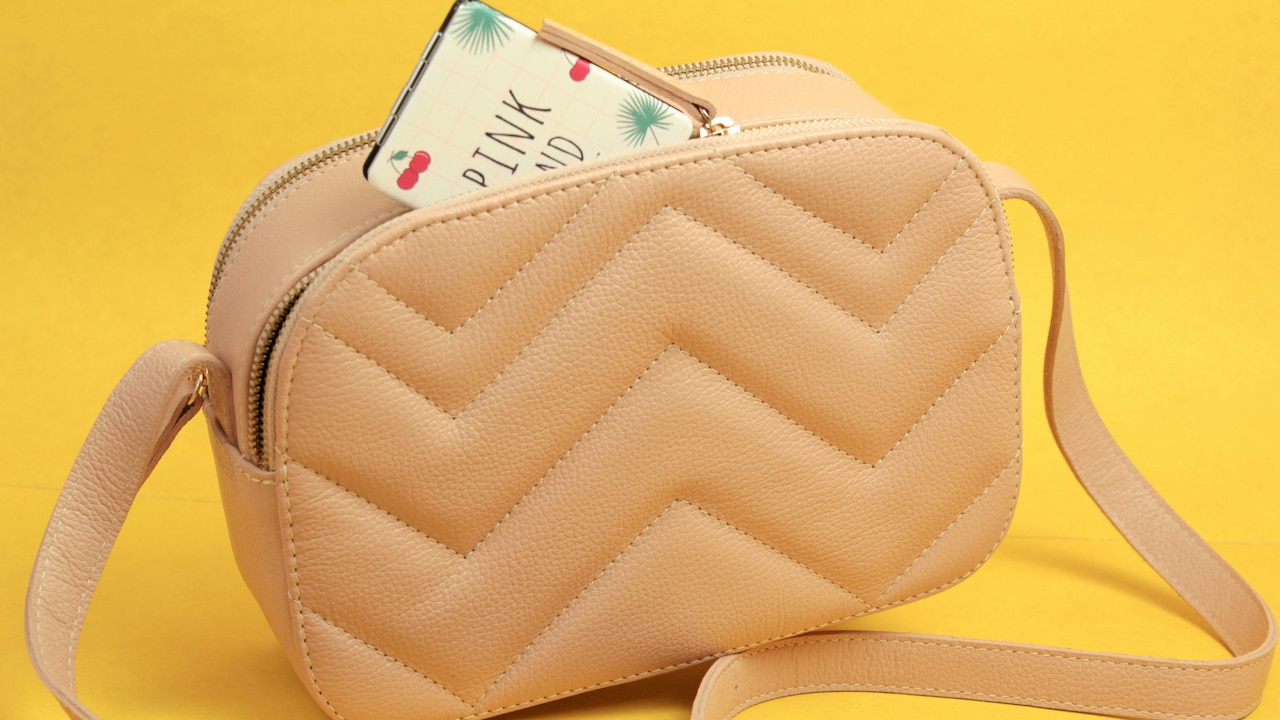
Sometimes the outer material isn't the whole story. A bag can look structured in photos but collapse in real life because it lacks internal reinforcement. That's where EVA panels and foam inserts come in.
EVA is a lightweight, durable material used to give bags their internal “skeleton”. It supports the sides, base, and sometimes even the front panel. Foam reinforcement adds shape without making the bag heavy.
This matters a lot for totes and work bags. Without internal support, even good materials can start sagging, especially at the base. EVA keeps the bag standing upright and prevents the dreaded bottom dip.
A well-reinforced bag feels stable when placed on a table. It doesn't fold into itself like it's shy. It holds its posture.
When shopping, gently press the sides and base. If the bag bounces back and feels firm, it likely has decent reinforcement. If it collapses instantly, it's not built for the long haul.

Stop Your Bags from Losing Shape with These Long-Lasting Materials That Keep Their Structure
Photo Credit: Pexels
9) Microfiber Leather: The Surprisingly Strong Modern Alternative
Microfiber leather is one of the best options for people who want structure, durability, and easier maintenance. It's not the same as cheap faux leather. High-quality microfiber is engineered to mimic leather's strength and texture, often with better resistance to water and scratches.
It holds its shape very well because it doesn't stretch easily. It also stays lighter than leather, which makes it ideal for daily use bags. And unlike PU, it doesn't peel in the same dramatic way.
Microfiber works beautifully for structured totes, sling bags, and office-friendly designs. It also handles humidity better than many natural materials, which is a big deal in coastal cities.
The only downside is perception. Some people still assume “not real leather” means “not premium”. But in terms of structure and practicality, microfiber can outperform many mid-range leather blends.
If you want a bag that stays sharp, feels smooth, and doesn't demand constant care, microfiber deserves a serious look.
10) Stiff Lining and Strong Interfacing: The Quiet Detail That Changes Everything
A bag's structure depends heavily on what's inside. Even the best outer material can look sad if the lining is thin and the interfacing is weak. Interfacing is the layer that sits between the outer material and the lining, and it gives the bag its firmness.
High-quality bags use thick cotton twill, sturdy polyester, or blended linings that don't tear or sag. They also use proper interfacing in the walls and base. This keeps the bag from slumping, even after repeated use.
This is why two bags made from similar leather can behave completely differently. One stays upright and sharp. The other droops like it's exhausted.
When shopping, check inside. If the lining feels like a thin umbrella fabric, the bag likely won't hold shape. If it feels sturdy and well-stitched, you're on safer ground.
Structure isn't always about flashy materials. Sometimes it's about the invisible layers doing the hard work quietly, like a good support system.
Products Related To This Article
1. Lavie Women's Betula Large Tote Handbag
2. Puma Pu Zen Women Handbag
3. Anouk Women Office Shoulder Laptop Tote Bag
4. ZOUK Ethnic Motifs Printed Structured Flap Crossbody Sling Bag
5. Lino Perros Structured Sling Bag
A bag losing shape feels oddly personal. It's not just an accessory failing; it's the small daily disappointment of something that was supposed to make life easier. But the fix is simpler than it seems.
If you want long-lasting structure, focus on materials that naturally resist sagging, like full-grain leather, saffiano leather, coated canvas, and high-density nylon. Then look deeper: reinforcement panels, strong lining, and good interfacing matter just as much as the outer layer.
A structured bag doesn't have to be delicate or high-maintenance. It just needs the right build. The kind that can handle daily commutes, sudden rain, crowded trains, and the very real weight of life carried in one zippered compartment.
And if a bag stays standing tall after years of use, it doesn't just look better. It feels like a small win, one less thing collapsing when the day already has enough drama.
(Disclaimer: This article may include references to or features of products and services made available through affiliate marketing campaigns. NDTV Convergence Limited (“NDTV”) strives to maintain editorial independence while participating in such campaigns. NDTV does not assume responsibility for the performance or claims of any featured products or services.)