Best Sleepwear for Hot Weather: Why Shorter Pyjamas Feel More Comfortable
Shorter pyjamas can improve sleep by keeping you cooler, reducing sweat, and preventing fabric twists. A small change in length can make nights calmer, comfier and more restful. Explore what makes short pyjamas change the way you sleep.
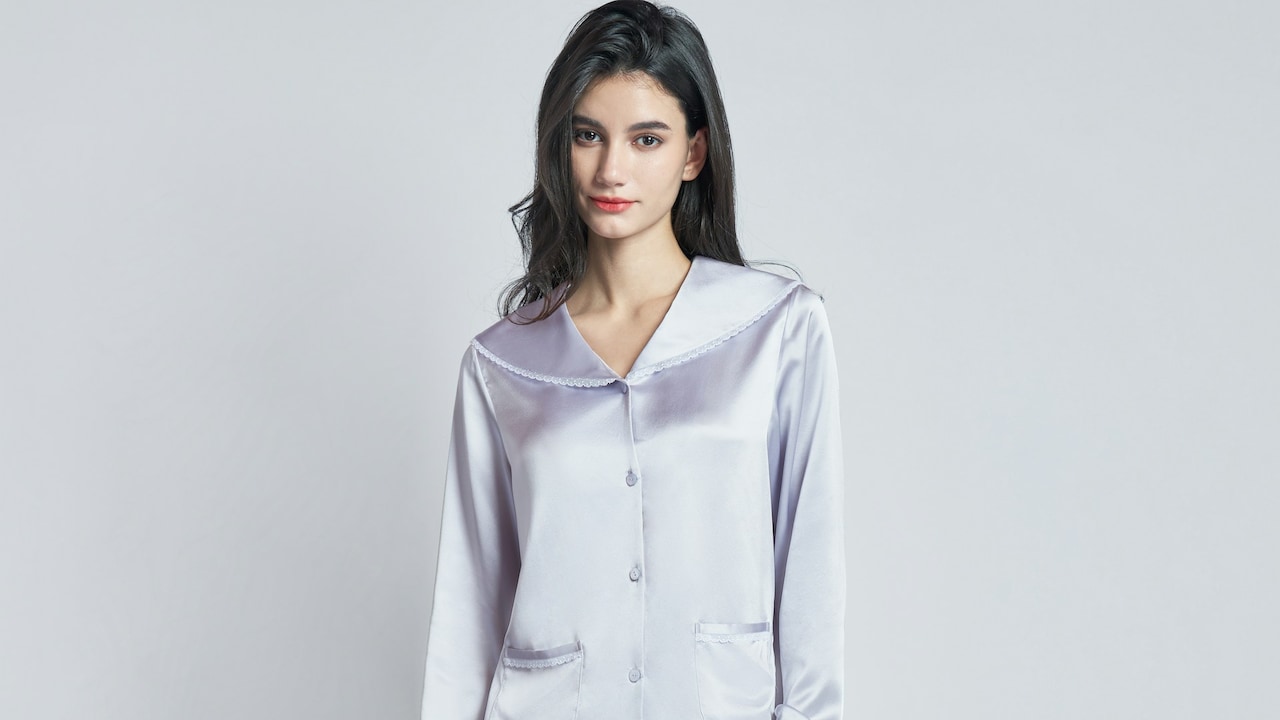
Why Shorter Pyjamas Change How You Sleep: The Subtle Difference Length Really Makes at Night.
Sleep has a funny way of being both complicated and simple. People spend thousands on mattresses, install blackout curtains, buy lavender sprays, and download meditation apps. Then, at 2:14 am, the real villain appears: a pyjama leg twisted like a rope around the calf.
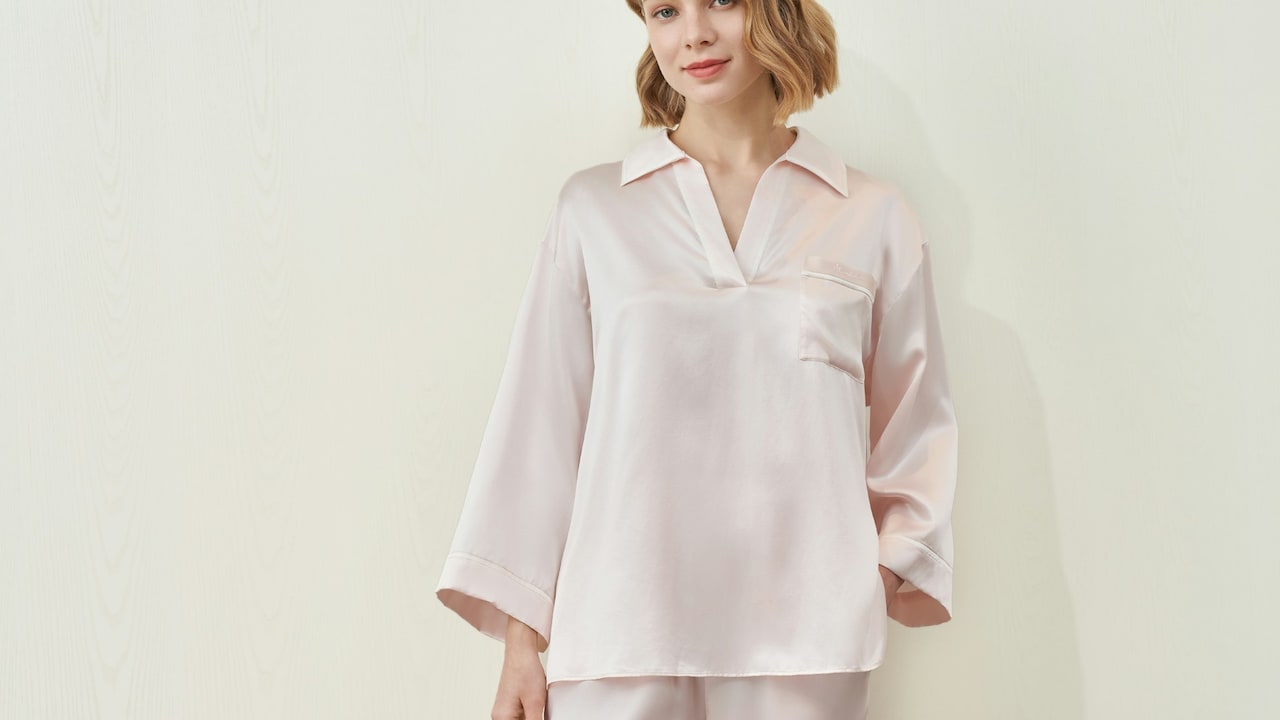
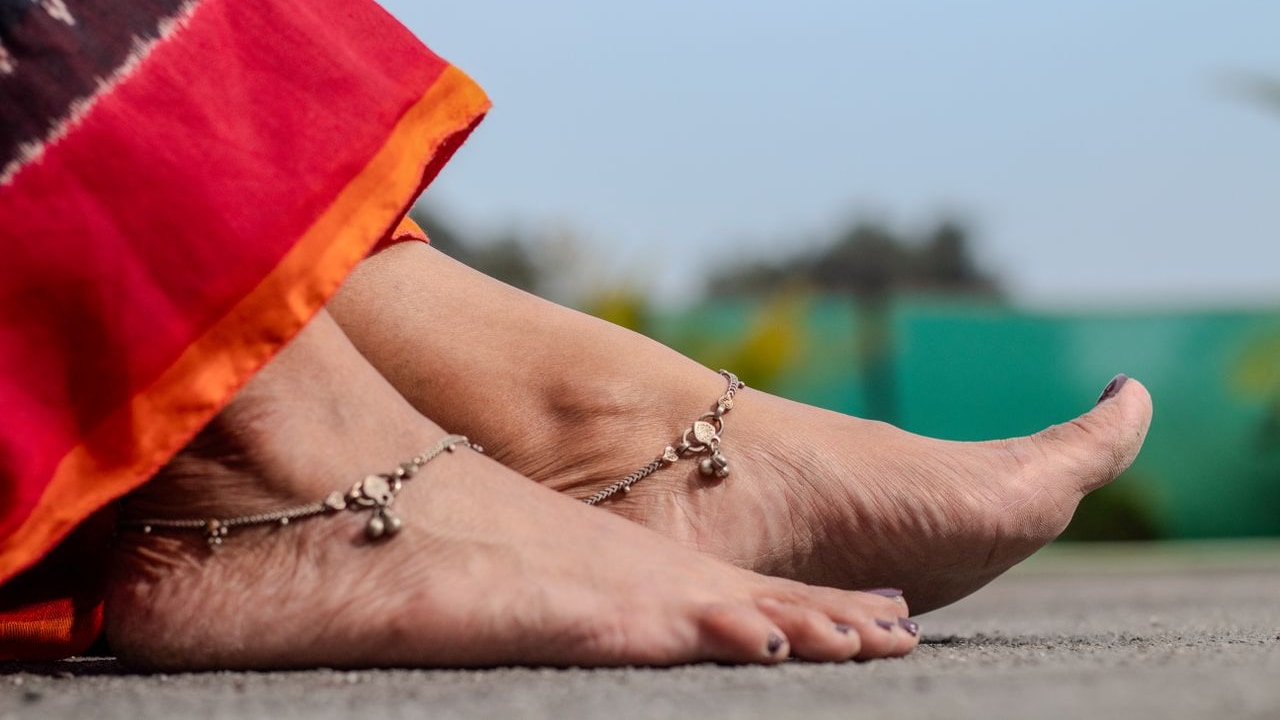
Read what makes short pyjamas make you sleep better at night; Photo Credit: Unsplash
Night comfort often comes down to small details. Not glamorous details. Not “life-changing hacks”. Just the quiet things that make the body feel less annoyed.
Pyjama length is one of those details. Longer bottoms have their place, especially in winter or for those who love that cosy, tucked-in feeling. But shorter pyjamas, think shorts, cropped pyjama pants, or knee-length bottoms — can change sleep in subtle ways. The kind of changes that don't scream for attention, but show up in how quickly sleep arrives and how often it gets interrupted.
Also Read: Best 5 Cosy Winter Night Suits For Women Under ₹1000
Shorter pyjamas do not magically fix insomnia. They won't solve stress, loud neighbours, or that one mosquito that always finds the ear. But they can remove friction from the sleep experience. And when it comes to sleep, less friction often means better rest.
So What Actually Changes When Pyjamas Get Shorter?
1) They help the body cool down faster
Sleep and temperature are close friends. When the body cools down slightly, it gets the signal that it's time to rest. That's why many people feel sleepy after a bath, or why a cool room feels like an instant invitation to sleep.
Long pyjamas can trap heat, especially around the legs. The body then works harder to release warmth, which can delay sleep. Shorter pyjamas give the skin more space to breathe. Air circulates more freely. Heat escapes faster. It sounds basic, but it's surprisingly powerful.
This matters even more in humid weather. Many homes rely on fans rather than air conditioning through the night. With a fan running, shorter pyjamas work like a natural cooling system. They allow that breeze to actually touch the skin instead of getting stuck in fabric.
Even with an AC, shorter pyjamas can help regulate temperature without turning the room into a freezer. That means fewer midnight battles over the remote and fewer “why am I sweating under a blanket?” moments.
2) They reduce the sweaty, sticky feeling
Sweat is not the enemy. Sweat is just the body doing its job. The problem is the sticky aftermath.
Longer pyjamas often cling when the body sweats. Fabric sticks to thighs, knees, and calves. Turning in bed becomes an effort. That effort may not wake someone fully, but it can disturb deep sleep.
Shorter pyjamas reduce the surface area where sweat gets trapped. Less fabric touches the skin. That means less stickiness and fewer moments of tugging at clothes in the dark like a sleepy magician trying to escape a straightjacket.
This also helps people who sleep hot even in winter. Some bodies simply run warm. Shorter pyjamas let them stay comfortable without sacrificing the “sleepwear feeling”. Because yes, sleeping in random old clothes works, but it doesn't always feel like rest.
A good night should feel smooth, not damp. Shorter pyjamas often bring that smoothness back.
3) They stop the “twisted leg” problem
Almost everyone has experienced this: the pyjama leg rides up, twists, and suddenly feels like a tight band around the knee. Or it bunches behind the leg and turns into an itchy lump.
Long pyjama bottoms have more fabric to misbehave. They move around, fold, twist, and sometimes create pressure points. That pressure can cause micro-wake-ups. The brain notices discomfort and briefly comes up for air, even if the person doesn't remember waking.
Shorter pyjamas remove that drama. Less fabric means fewer twists. It also means fewer moments of waking up angry at your own clothing. Which, honestly, is a ridiculous way to start the day.
This becomes extra important for restless sleepers. People who toss and turn do not need their clothes to add obstacles. Sleep already has enough challenges. The last thing anyone needs is a fight with cotton.
Shorter bottoms let the body move freely. Turning feels natural. Sleep stays deeper.
4) They improve comfort for side sleepers
Side sleeping is popular for a reason. It can reduce snoring, support digestion, and make you feel cosy. But it also creates friction. Thighs touch. Knees press together. Fabric gets caught in those areas.
Long pyjamas often bunch at the knees when legs bend. The fabric can press into the skin, especially behind the knees, which is a sensitive area. Some people wake up feeling slightly sore there, without realising the pyjama was the cause.
Shorter pyjamas remove fabric from the knee zone. That makes side sleeping feel smoother. The knees can bend without resistance. The legs can rest naturally.
For those who use a pillow between the knees, shorter pyjamas help even more. There's less fabric to fold awkwardly against the pillow, and the skin stays cooler.
Side sleepers already manage enough: shoulder pressure, neck angles, and the occasional arm going numb. Shorter pyjamas take one issue off the list.
5) They feel lighter and less restrictive
Sleepwear should not feel like a uniform. It should feel like permission to relax.
Longer pyjamas, especially those with thicker fabric or tighter cuffs, can feel restrictive. Even loose ones can create a “wrapped” sensation. Some people love that. Others feel trapped by it.
Shorter pyjamas feel lighter. They allow the body to forget it is wearing anything at all. That's an underrated benefit. The brain relaxes when the body feels unburdened.
This is also useful for people who feel anxious at night. Anxiety often shows up as physical discomfort: feeling too hot, too tight, too restless. Shorter pyjamas reduce sensory irritation. They don't solve anxiety, but they remove one potential trigger.
There's also something psychologically relaxing about shorter pyjamas. They feel casual. They feel like home. Like the day has ended properly.
And that mental shift matters. Sleep begins in the mind long before it begins in the body.
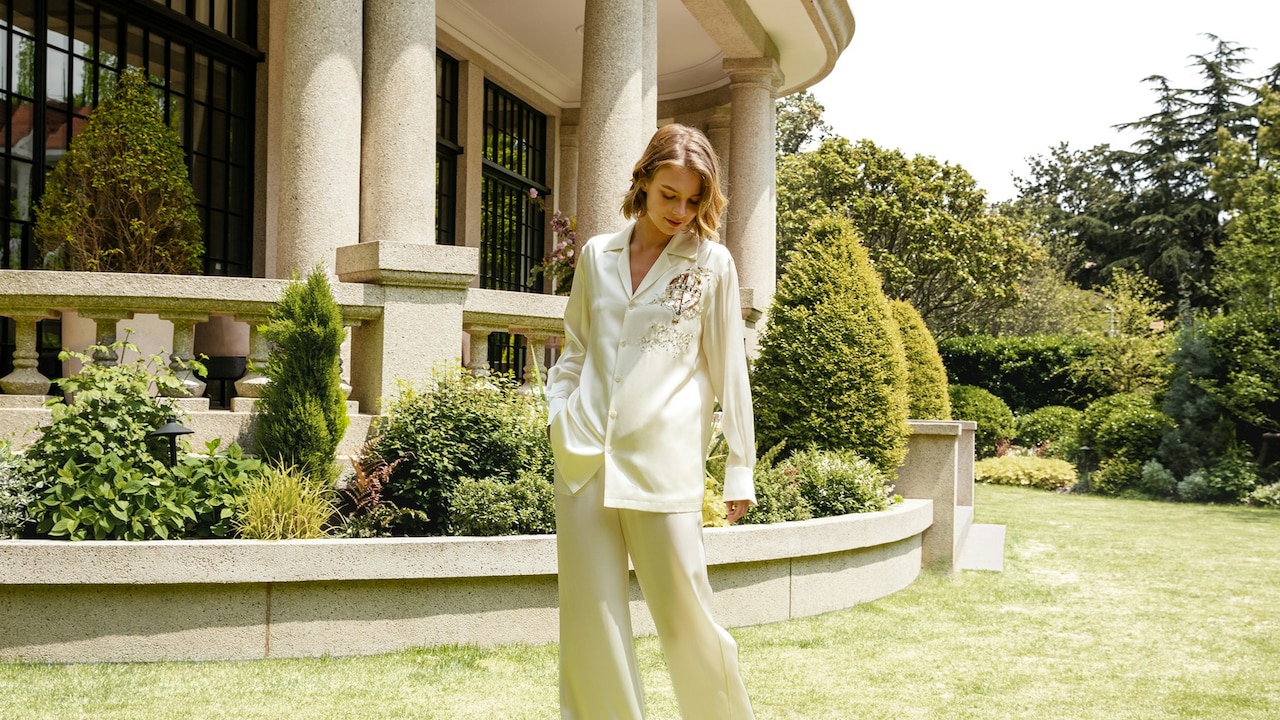
Longer pyjamas can make you feel restrictive and uncomfortable at night; Photo Credit: Unsplash
6) They can help reduce skin irritation
Skin does not always behave at night. Some people deal with dryness, prickly heat, eczema, or general sensitivity. Others have skin that reacts to sweat and friction.
Long pyjamas increase friction. Fabric rubs against the skin, especially when someone moves a lot. Add sweat, and that rubbing becomes worse. It can lead to irritation, tiny rashes, or itchiness that interrupts sleep.
Shorter pyjamas reduce friction simply by covering less skin. Less fabric contact means fewer opportunities for rubbing. It also helps the skin stay cooler and drier.
This becomes especially relevant in humid seasons when prickly heat becomes a regular visitor. The thighs, behind the knees, and calves often suffer. Shorter bottoms keep those areas more ventilated.
Of course, fabric choice still matters. Soft cotton or breathable blends work best. But length plays a big role too.
Sleep should not come with a side of itching.
7) They make bedtime routines feel more relaxed
Clothing affects mood more than people admit. That's why office wear feels different from weekend wear. That's why a crisp kurta can make someone feel sharper, even if they're just going out for chai.
Sleepwear works the same way. Long pyjamas can sometimes feel too “proper”. Like bedtime has become a task. Shorter pyjamas feel relaxed and effortless. They create a small emotional signal: the day is done.
This matters for people who struggle to switch off. Many homes blend work and rest. People answer emails late. Someone is always watching something on the phone. The brain stays in “active mode”.
A simple change like shorter, breezier sleepwear can make bedtime feel like an actual transition. Not just collapsing into bed in whatever clothes survived the day.
There's also a playful side to it. Shorter pyjamas feel youthful. Not childish — just light-hearted. Like giving yourself permission to be comfortable without overthinking it.
That permission is powerful.
8) They work better with fans and natural airflow
Many households rely on fans through the night, especially in warm months. Fans do not cool the air. They cool the body by helping sweat evaporate. That only works when air reaches the skin.
Long pyjamas block airflow. Even thin fabric creates a barrier. The fan blows, but the breeze never really touches the legs. The body stays warmer, sweat stays trapped, and sleep becomes restless.
Shorter pyjamas let fans do their job. Air reaches the thighs and calves. Evaporation happens faster. The body cools down naturally.
This also reduces the need to crank up the air conditioning. That saves electricity and avoids waking up with a dry throat. Many people have experienced that strange situation: sweating at 1 am, freezing at 4 am, and waking up with a cold by morning. Shorter pyjamas can help balance that.
Fans are one of the most practical sleep tools in the world. Shorter pyjamas help them shine.
9) They can improve sleep for people who share a bed
Sharing a bed is sweet in theory. In practice, it's a negotiation.
One person feels cold. The other feels hot. One wants the blanket tucked. The other wants it kicked off. Someone steals the duvet like a professional.
Pyjama length can quietly reduce these conflicts. Shorter pyjamas help hot sleepers stay comfortable without forcing the whole room to become colder. That means fewer temperature battles and fewer midnight blanket wars.
They also reduce fabric tangling when two people sleep close. Long pyjamas can bunch up, especially if legs touch or overlap. Shorter bottoms keep things simpler.
Even small reductions in sleep disturbance matter. A few less wake-ups per night can change mood, patience, and energy the next day. People underestimate how much relationship harmony depends on sleep quality.
If shorter pyjamas reduce even one “why are you turning so much?” argument, they've earned their place in the wardrobe.
10) They feel more practical for real life
Sleepwear is not only for sleeping. It is for everything around sleep, too.
Late-night water breaks. Opening the door for a delivery. Walking to the balcony for fresh air. Dealing with that one neighbour's dog barking at midnight. Sleepwear becomes part of real life.
Shorter pyjamas feel practical in warm weather. They are easier to move in. They don't drag on the floor. They don't cling when someone quickly gets up. They also feel less heavy during humid nights.
From a laundry perspective, shorter pyjamas often dry faster. That's a real benefit during monsoon season when clothes take forever to dry and everything smells vaguely damp.
They can also be budget-friendly. A decent pair of cotton sleep shorts can cost around ₹300–₹700, and they tend to last. Many people already own soft shorts that work perfectly as sleepwear.
Sleep does not need fancy solutions. Sometimes, it just needs sensible ones.
Products Related To This Article
1. Kryptic Women Pack of 2 Printed Cotton Capris
2. Enamor Mid-Rise Straight Leg Lounge Capris
3. Rute Women Plus Size Cotton Capris
4. Van Heusen Women Purple Skinny Fit Yoga Capris
5. Jockey Super Combed Cotton Elastane Stretch Slim Fit Capri with Side Pockets
Pyjama length seems like a small detail. It's easy to dismiss it as a style preference or something that matters only to people who overthink sleep.
But sleep is built from small details. The pillow angle. The room temperature. The noise level. The fabric touches the skin. The way the body feels when it turns in bed. When one of these details improves, sleep often follows.
Shorter pyjamas support cooler nights, smoother movement, less sweat discomfort, and fewer interruptions. They also bring a certain emotional ease to bedtime — the feeling that the day is over and the body can finally stop performing.
Long pyjamas will always have their season. They feel cosy, and in winter they make perfect sense. But when nights turn warm, humid, or restless, shorter pyjamas quietly become the smarter choice.
Sleep does not need drama. It needs comfort that stays out of the way.
And sometimes, the difference between a restless night and a good one really is just a few inches of fabric.
(Disclaimer: This article may include references to or features of products and services made available through affiliate marketing campaigns. NDTV Convergence Limited (“NDTV”) strives to maintain editorial independence while participating in such campaigns. NDTV does not assume responsibility for the performance or claims of any featured products or services.)