10 Best Tips To Choose Everyday Kurtas That Stay Perfect And Dont Stretch At The Neck
Struggling with stretched kurta necklines? Learn how to choose everyday kurtas that retain their shape, from fabric and stitching to fit and care, so they stay neat, comfortable, and wearable for years. Things to know about fabrics, fit, and other things before choosing a kurta.

Everyday Kurta Buying Guide: Here Are The Fabrics and Fits That Prevent Neck Stretching.
Every wardrobe holds at least one kurta that started out perfect. Soft fabric, flattering cut, and a neckline that framed the face beautifully. Then came regular wear, repeated washes, and one unfortunate day when the neckline sagged like it had given up. It happens often, especially with daily-wear kurtas that go through a lot. Morning chores, long commutes, quick washes, and hurried drying all take a toll. Choosing a kurta that stays true to its shape requires more than picking a pretty print. Necklines stretch for specific reasons, and most of them can be avoided with a little awareness. Fabric quality, stitching strength, cut, and even washing habits play a role.
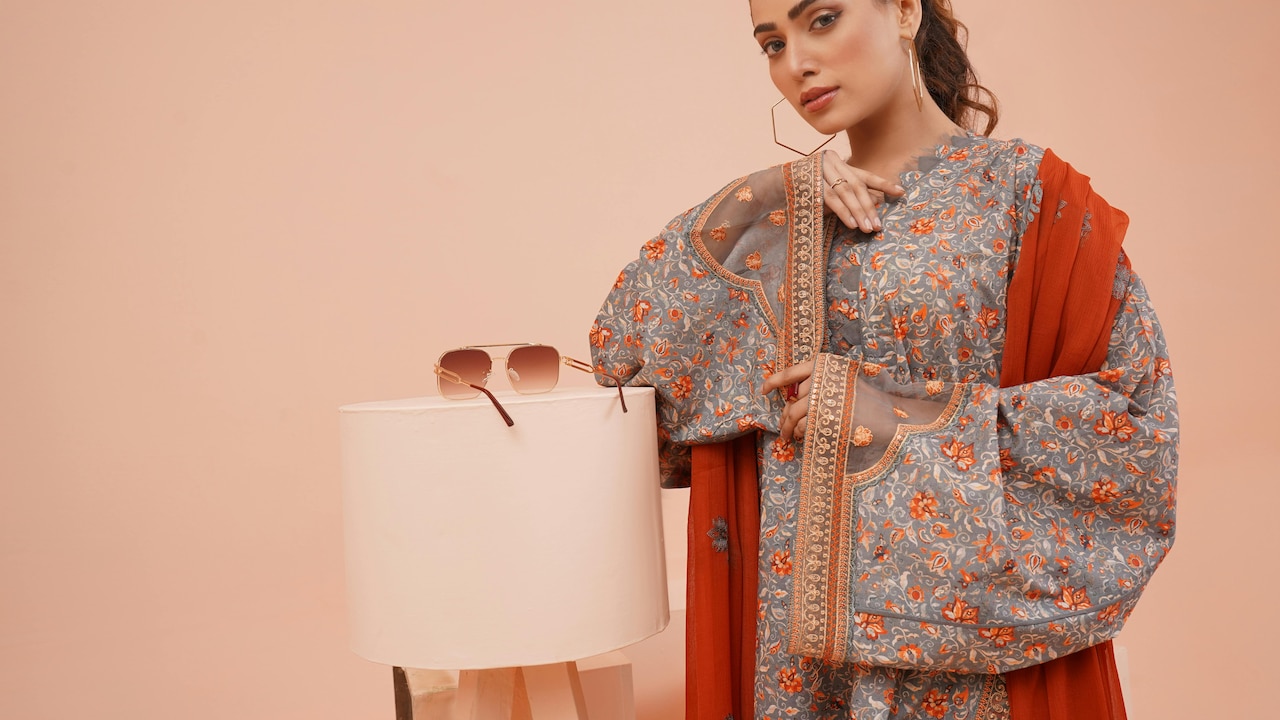
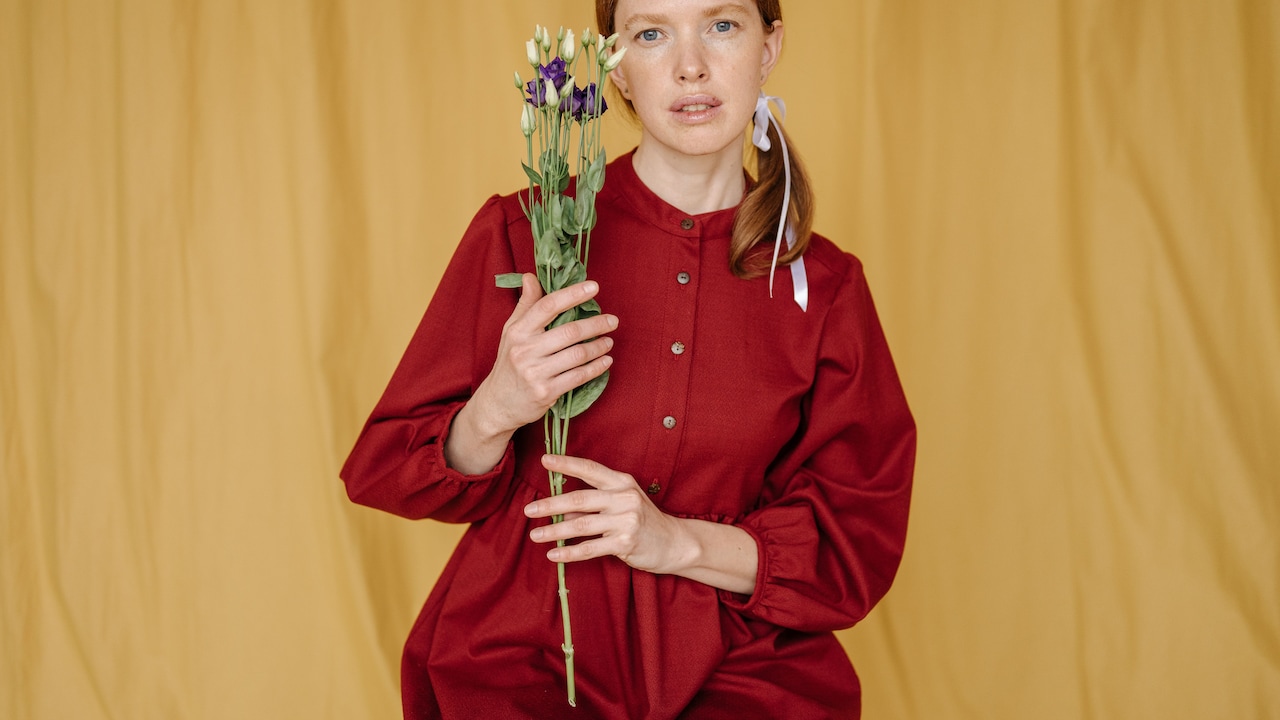
Explore 10 easy tips to choose everyday kurtas that look good and fit right; Photo Credit: Pexels
This article breaks down simple, practical tips that fit real lifestyles and real budgets. No fashion jargon, no unrealistic advice. Just clear guidance to help kurtas look good, feel comfortable, and last longer without losing their charm.
Also Read: Ethnic Wear: 5 Festive Outfits You Can Rewear Daily and On Special Occasions Now On Myntra
What Really Keeps a Kurta Neckline in Shape for Everyday Wear
1. Pay Attention to Fabric Quality, Not Just Fabric Type
Cotton remains a favourite for daily wear, but not all cotton behaves the same. Some feel soft in the shop yet lose structure after two washes. Fabric quality matters more than labels. Tightly woven cotton holds its shape better than loosely spun varieties. Hold the fabric up to the light. If the weave looks too open, the neckline may stretch quickly.
Blended fabrics often get a bad reputation, yet a small percentage of polyester or modal can add strength. These blends resist sagging and recover shape better after washing. The key lies in balance. Fabrics that feel too thin or overly soft may already lack resilience.
Touch also tells a story. A slightly crisp feel usually signals better durability. Extremely limp fabric often stretches at stress points like the neck. Spending an extra ₹200 on better-quality fabric often saves money in the long run. Fewer replacements mean better value and less wardrobe frustration.
2. Choose Neckline Shapes That Naturally Hold Structure
Some necklines invite stretching more than others. Wide round necks and deep scoops look stylish, but face constant tension during wear and washing. Each pull over the head adds pressure. Over time, the fabric gives in.
Boat necks, keyhole styles, and modest V-necks distribute pressure more evenly. They sit comfortably without excessive pulling. Collared kurtas and band-neck designs also offer excellent shape retention. The neckline stays supported by structure rather than fabric alone.
Decorative piping or facing around the neck adds strength, too. Even a simple stitched border can act as reinforcement. Before buying, gently stretch the neckline with your hands. A good one springs back quickly. If it stays stretched even slightly, it may not age well. Neckline shape often decides whether a kurta remains presentable or becomes a stay-at-home piece within months.
3. Inspect Stitching and Finishing Like a Pro
Stitching often decides longevity. A well-stitched neckline resists stretching far better than a rushed one. Look closely at seams. Tight, even stitches indicate care and durability. Loose threads or uneven lines signal shortcuts.
Double stitching around the neckline adds strength. Many quality kurtas include an inner facing, a hidden layer that supports the outer fabric. This detail often goes unnoticed yet makes a huge difference over time. Bias tape finishing also helps maintain shape.
Avoid kurtas where the neckline edge feels thin or flimsy. That area faces constant stress. Tug gently at the stitches. They should hold firm without gaping. Good finishing may not look flashy, but it saves countless disappointments later. Five extra minutes checking seams in the shop can add years to a kurta's life.
4. Avoid Overly Heavy Embellishment at the Neck
Embroidery and beadwork add charm, but weight matters. Heavy embellishment pulls fabric downward, especially during washing. Over time, gravity does its work, and the neckline stretches unevenly.
For everyday wear, lighter detailing works better. Printed borders, light thread embroidery, or minimal mirror work provide style without stress. If embroidery feels stiff or heavy when held, it may distort the neckline later.
Placement also counts. Detailing that sits slightly below the neckline reduces strain. Designs that crowd the very edge tend to drag fabric down. Everyday kurtas should prioritise comfort and durability over ornate designs. Save heavier styles for occasional wear. Daily favourites deserve simplicity that lasts.
5. Pick the Right Fit Instead of Sizing Up
Many people buy kurtas one size larger for comfort. While that seems practical, excess fabric around the neck often stretches faster. A loose neckline lacks support and moves constantly during wear.
A well-fitted kurta offers enough ease without hanging off the shoulders. The neckline should sit flat against the body. It should not gape or shift with movement. Shoulder seams must align properly. Poor shoulder fit transfers stress to the neckline.
Trying different sizes helps. If between sizes, check how the neckline behaves rather than focusing only on body width. Comfort comes from smart cuts, not oversized fits. A kurta that fits well feels better and stays presentable far longer.
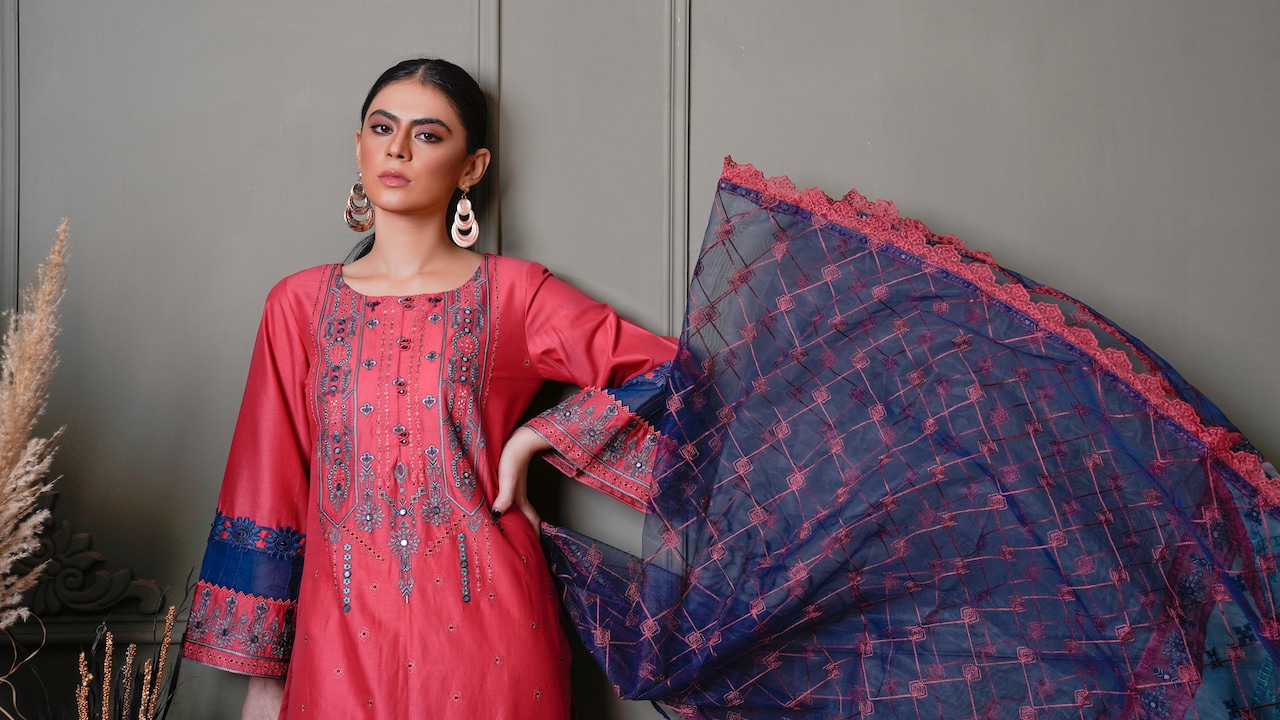
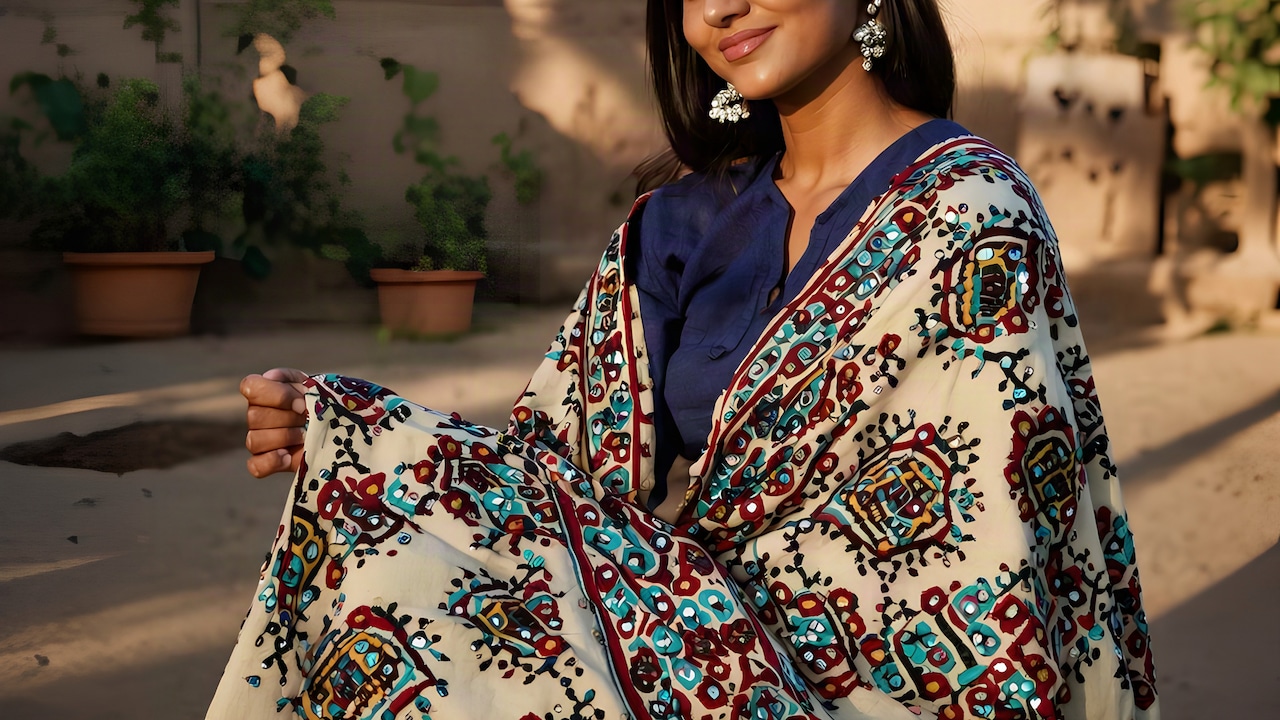
Go with the exact size instead of sizing up; Photo Credit: Pexels
6. Be Mindful of Button and Placket Design
Front-open kurtas and partial plackets reduce strain at the neck. Buttons allow easier wearing without pulling the fabric over the head. This small design feature significantly extends the neckline's life.
Check button quality too. Secure stitching matters. Loose buttons tug at the fabric unevenly. Plackets with interfacing offer extra strength and help maintain shape. Even a short placket provides relief from daily stretching.
Avoid decorative buttons that feel heavy. Lightweight, well-stitched buttons work best for everyday use. Practical design often beats decorative flair when comfort and durability matter. A simple placket may not look exciting, but it quietly does the hard work of protecting the neckline.
7. Test Fabric Recovery Before Buying
A simple test reveals a lot. Gently stretch a small section of the neckline or fabric and release it. Good fabric returns to shape almost immediately. Poor-quality material stays slightly stretched.
This test works especially well for cotton blends and knits. Knit kurtas feel comfortable but need a strong recovery to avoid sagging. If fabric struggles to bounce back in the shop, it will struggle more at home.
Sales assistants may rush the process, but taking a moment helps. This small action separates kurtas that age gracefully from those that disappoint quickly. Trust the hands as much as the eyes when shopping.
8. Consider Lining and Inner Support
Light lining around the neckline adds invisible support. Many everyday kurtas now include partial lining or facing. This feature reduces direct stress on the outer fabric.
Even without full lining, a well-constructed facing strengthens the neckline. It keeps edges neat and helps maintain shape. Unlined kurtas feel airy but need stronger fabric and stitching to compensate.
When browsing, peek inside the neckline. A neatly finished inner edge signals quality. Raw edges or minimal finishing may not withstand daily wear. Inner support rarely shows, yet it quietly extends the kurta's lifespan.
9. Wash and Dry With Care From Day One
Even the best kurta needs gentle care. Rough washing ruins necklines faster than wear. Hand washing or gentle machine cycles work best. Avoid wringing the neckline. Press water out softly instead.
Use mild detergent. Harsh chemicals weaken fibres. Turn kurtas inside out before washing to reduce friction. Drying flat or on padded hangers helps maintain shape. Avoid hanging wet kurtas by the shoulders, as water weight stretches the neckline.
These habits feel small but matter greatly. Consistent care preserves fabric memory. A kurta treated kindly from the first wash often looks new for years.
10. Rotate Everyday Kurtas to Reduce Stress
Wearing the same favourite kurta repeatedly accelerates wear. Fabric needs rest. Rotating kurtas spreads stress evenly across the wardrobe. This simple habit extends the life of every piece.
Building a small collection of reliable everyday kurtas works better than relying on two favourites. Even budget wardrobes benefit from rotation. Five kurtas worn in rotation last far longer than two worn constantly.
This approach also keeps outfits feeling fresh. Variety lifts mood without extra spending. Giving garments time to recover helps necklines retain shape and elasticity. Sometimes, the best care strategy involves simply not wearing the same piece every day.
Products Related To This Article
1. Vishudh Floral Printed V-Neck Cotton Straight Kurta
2. Libas Women Yellow Floral Motifs Sequins Work Kurta
3. Anouk Floral Yoke Design Notch Neck Thread Work Straight Kurta
4. Anouk Women Floral Printed Floral Anarkali Kurta
5. Anayna Bandhani Printed Kurta
6. Uparna Silk Kurta
7. Charnest Women Floral Printed Kurta
A kurta that keeps its shape brings quiet satisfaction. It saves time, money, and daily frustration. Stretching at the neck rarely happens by accident. Fabric choice, stitching, fit, and care all play a role. Paying attention to these details turns shopping into a smarter experience.
Everyday kurtas deserve thoughtful selection because they work the hardest. With the right choices, they remain dependable companions through busy days and relaxed evenings. A neckline that stays neat reflects not just quality clothing, but mindful habits too. And that, in the long run, makes dressing each day a little easier and a lot more enjoyable.
(Disclaimer: This article may include references to or features of products and services made available through affiliate marketing campaigns. NDTV Convergence Limited (“NDTV”) strives to maintain editorial independence while participating in such campaigns. NDTV does not assume responsibility for the performance or claims of any featured products or services.)