Bracelets That Wont Stop Spinning: Simple Adjustments to Fix the Wrist Fit
Bracelets that keep spinning can ruin comfort and style. This article shares simple, practical fixes, from sizing and design choices to easy adjustments, that help bracelets sit better and stay in place all day.

Bracelet Spinning Uncontrollably On Your Wrist? Here Are The Simple Fixes That Actually Work.
Bracelets hold a special place in everyday style. They carry memories, traditions, and personality. Some arrive as gifts for milestones. Others get picked up during a casual market stroll for ₹500 and end up worn daily. Yet many share one annoying habit. They refuse to stay put.
A spinning bracelet distracts more than expected. It slides while typing, twists during a handshake, and clinks loudly in quiet moments. The problem often seems minor, but over time, it affects comfort and confidence. Many assume spinning is unavoidable. That belief could not be further from the truth.
Most bracelets spin due to fit, weight, or design issues. None of these requires drastic fixes. Small adjustments often solve the problem completely. This article breaks down the reasons behind spinning bracelets and offers practical solutions that fit real lives, busy routines, and everyday budgets. Expect relatable examples, easy fixes, and a few smiles along the way.
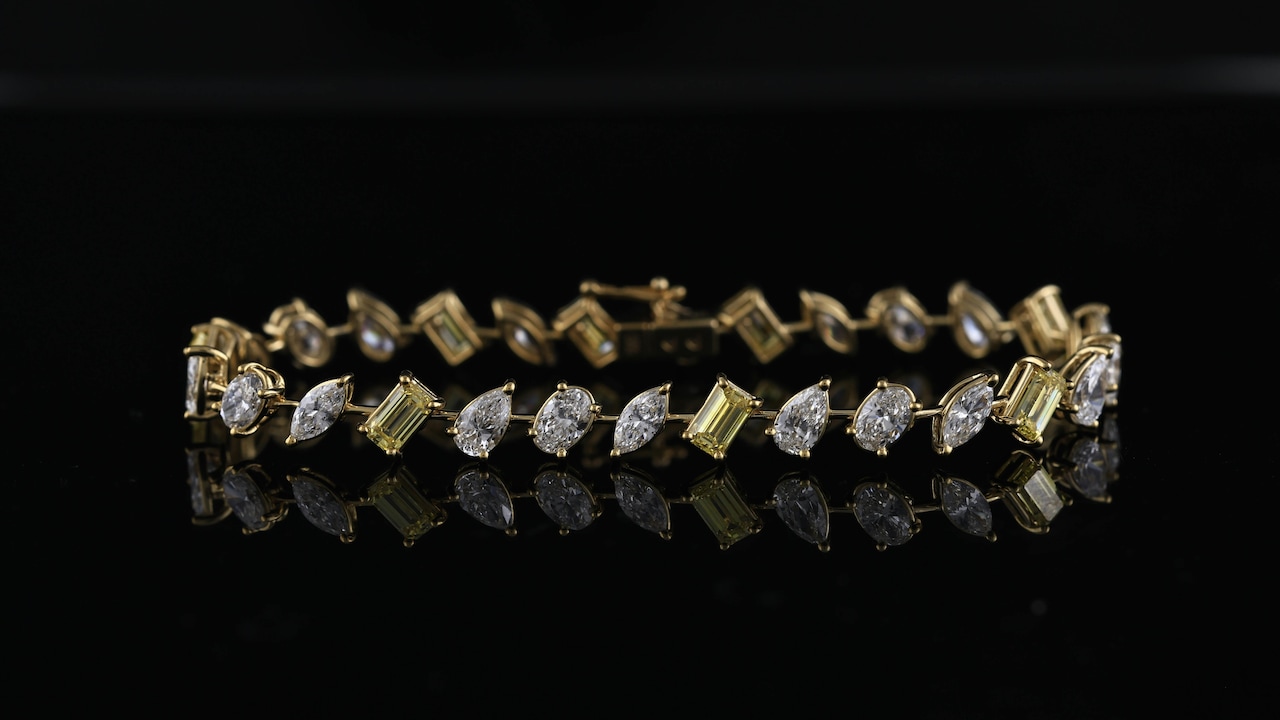
Bracelet Spinning on Your Wrist? Simple Fixes That Actually Work; Photo Credit: Pexels
Common Causes of Spinning Bracelets and Simple Fixes
1. Understand Why Bracelets Spin in the First Place
Bracelets spin because gravity and movement work together. The wrist narrows near the hand and widens towards the arm. When a bracelet sits in the wrong spot, it slides down and rotates. Lightweight designs spin faster, while heavy charms pull the bracelet out of place.
Sweat and smooth skin add to the issue, especially in warmer months. A polished metal bangle on a humid afternoon never stands a chance. Daily tasks also play a role. Typing, driving, or carrying bags push bracelets into motion again and again.
Understanding the cause helps identify the right solution. A spinning bracelet rarely means poor quality. It usually signals a mismatch between design and wrist shape. Once that mismatch becomes clear, the fix feels straightforward. Instead of blaming the bracelet, it helps to look at how it interacts with the wrist throughout the day.
2. Get the Wrist Measurement Right
Many bracelets spin because the size feels close enough, not correct. A bracelet that measures even half an inch larger than needed will move constantly. Wrist measurement sounds simple, yet many skip it.
A flexible measuring tape works best. Wrap it snugly around the wrist bone, not too tight and not too loose. Add just enough room for comfort, usually one to two centimetres. This small margin allows movement without inviting chaos.
For rigid bangles, size matters even more. Sliding them over the hand requires extra space, but too much space leads to endless spinning. Adjustable bracelets solve this issue well, especially for gifting. When buying online, checking size charts saves future frustration. Spending five extra minutes measuring beats spending ₹2,000 on a bracelet that lives in a drawer.
Also Read: 5 Best Lightweight Bracelets You Can Wear While Typing And Working
3. Choose Designs That Balance Weight
Design plays a huge role in how a bracelet behaves. Chunky charms, uneven beads, or dangling elements pull the bracelet downward. Once gravity takes over, spinning becomes inevitable.
Balanced designs distribute weight evenly around the wrist. Tennis bracelets, evenly spaced beads, and flat cuffs stay in place better. When charms matter for sentimental reasons, choosing smaller ones helps maintain balance.
Layering multiple lightweight bracelets can also reduce spinning. Together, they create gentle friction and support each other. A single heavy bracelet often misbehaves, while a thoughtful stack behaves better. Style and comfort meet nicely here. The wrist looks fuller, and the bracelets stop racing around.
4. Adjust the Clasp for Better Control
Clasps rarely get attention, yet they matter. A poorly placed clasp acts like a weight, pulling the bracelet down. This causes rotation within minutes.
Many bracelets allow minor clasp adjustments. Moving the clasp slightly off-centre can counterbalance charms or heavier sections. Some clasps come with extender chains. Removing extra links tightens the fit and reduces movement.
Magnetic clasps add convenience but often increase spinning due to uneven weight. Switching to a lobster clasp or box clasp improves stability. A local jeweller can make these changes quickly, often for under ₹300. Small tweaks like these extend the bracelet's life and comfort.
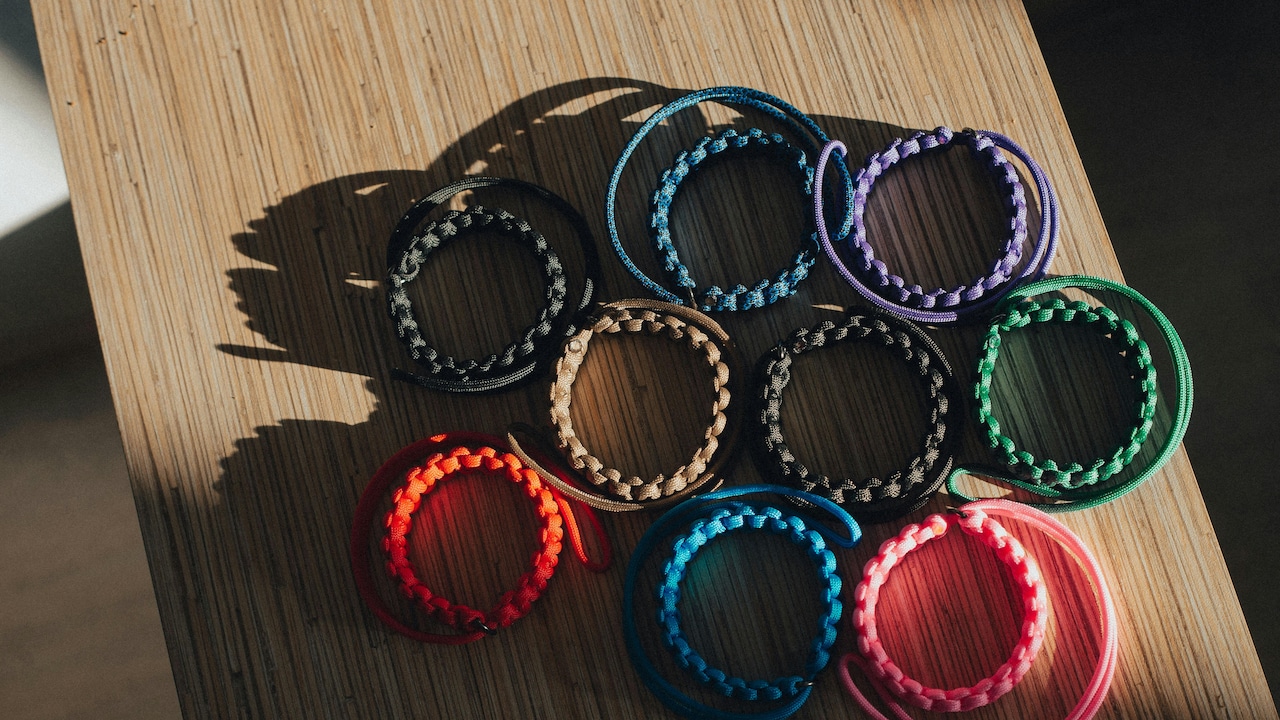
Bracelet Spinning on Your Wrist? Simple Fixes That Actually Work; Photo Credit: Pexels
5. Use Silicone or Fabric Inserts
Invisible helpers work wonders. Silicone bracelet adjusters, often used for watches, grip the skin gently and prevent sliding. These inserts stay hidden and feel comfortable throughout the day.
Fabric liners offer another option. Thin velvet or cotton strips stitched inside bangles add friction. This trick works especially well for heirloom pieces that cannot be altered permanently. The bracelet stays put without affecting its appearance.
These solutions suit special occasions too. Weddings, festivals, or long workdays demand comfort. Nobody wants to adjust jewellery every five minutes while greeting guests or juggling tasks. A small insert ensures the bracelet behaves from morning to night.
6. Stack Smartly, Not Randomly
Stacking bracelets looks effortless, but it needs thought. Mixing textures, widths, and materials creates stability. A leather band next to a metal bangle reduces slipping. A watch paired with a bracelet anchors the entire stack.
The order matters as well. Place heavier pieces closer to the wrist bone. Lighter ones can sit closer to the hand. This arrangement reduces movement and keeps everything aligned.
Overstacking causes noise and discomfort, so moderation helps. Three to five bracelets usually strike the right balance. The wrist feels styled, not cluttered. When done right, stacking transforms spinning chaos into controlled elegance.
7. Match Bracelets to Daily Activities
Bracelets behave differently depending on the day. A loose charm bracelet suits a relaxed evening out. The same bracelet feels annoying during office hours.
Choosing bracelets based on activities saves patience. Slim cuffs and snug chains work well for typing and commuting. Bangles suit social settings where movement remains limited. Sports and household chores call for no bracelets at all, no matter how tempting.
Rotating jewellery based on routine protects both wrists and accessories. It also keeps styles fresh. A bracelet enjoyed at the right time feels like a pleasure, not a burden.
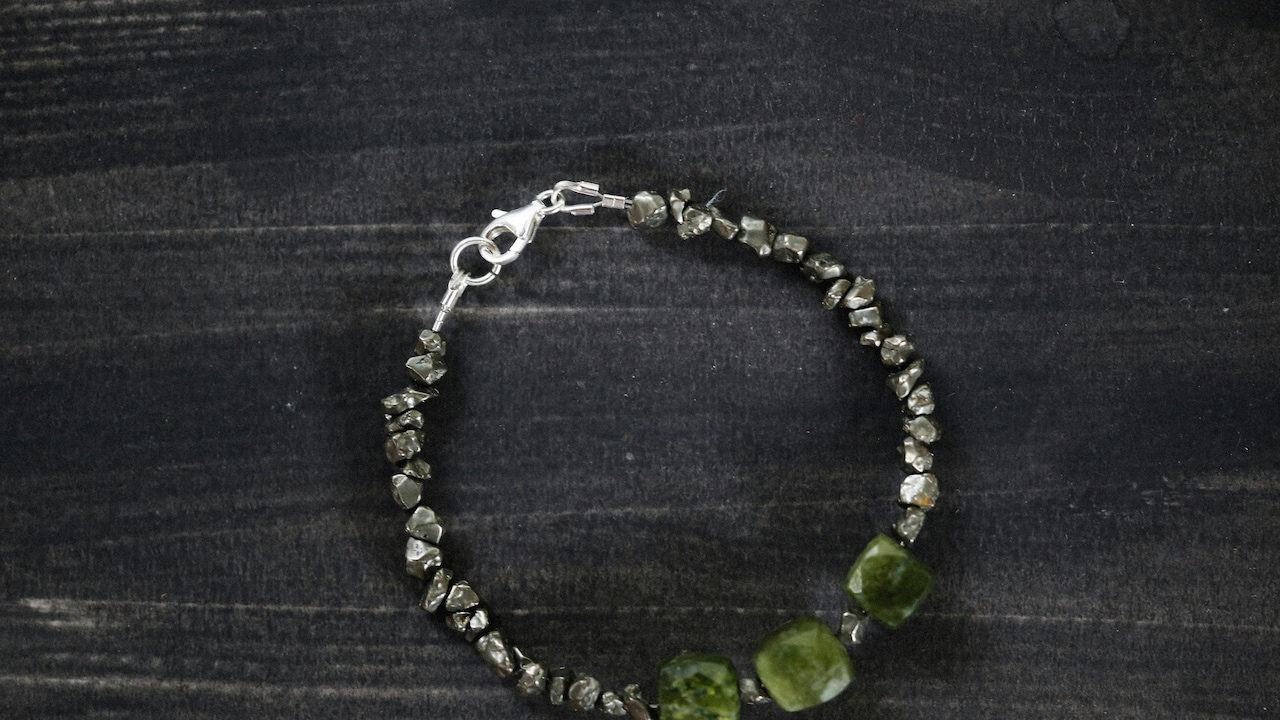
Bracelet Spinning on Your Wrist? Simple Fixes That Actually Work; Photo Credit: Pexels
8. Explore Adjustable and Custom Options
Adjustable bracelets solve many fit issues. Sliding knots, drawstrings, and flexible bands adapt easily. They suit changing wrist sizes due to weather, health, or time of day.
Custom-made bracelets offer the best fit. Many local jewellers provide bespoke services at reasonable prices. Spending ₹3,000 on a perfectly fitted bracelet often brings more satisfaction than buying multiple ill-fitting ones.
Custom options also allow design input. Choosing clasp placement, charm spacing, and length ensures comfort. The bracelet feels personal and practical. Once experienced, a custom fit becomes hard to ignore.
9. Maintain the Bracelet Regularly
Wear and tear affect fit. Chains stretch slightly over time. Clasps loosen. Beads shift. Regular checks keep these issues under control.
Inspect bracelets every few months. Look for stretched links or worn clasps. Early repairs cost less and prevent accidents. Losing a cherished bracelet hurts far more than spending ₹500 on maintenance.
Cleaning also helps. Dirt and sweat reduce friction, making spinning worse. Gentle cleaning restores grip and shine. A clean bracelet not only looks better but behaves better, too.
10. Accept That Some Movement Is Normal
Perfection remains unrealistic. Bracelets will move a little. Expecting them to stay frozen sets up disappointment. The goal is comfort, not rigidity.
Allowing slight movement keeps the accessory feeling natural. Jewellery should enhance life, not interrupt it. When a bracelet feels comfortable most of the time, it has done its job well.
Choosing peace over perfection brings joy back into wearing jewellery. A bracelet that moves gently, without spinning wildly, becomes part of the daily rhythm. That balance matters more than complete stillness.
Products Related To This Article
1. SZN Women Antique Gold-Plated Bangle-Style Bracelet
2. Zaveri Pearls Women Set Of 2 Rose Gold & White Rose Gold-Plated Kada Bracelet
3. Jewels Galaxy Women Gold-plated Set Of 4 Wraparound Bracelet
4. Designs & You Gold-Plated Stainless Steel Anti Tarnish heart Theme Link
5. Zaveri Pearls Set Of 2 Gold-Plated AD-Studded & Beaded Link Bracelets
Bracelets spin for many reasons, but none remain unsolvable. Fit, design, weight, and daily habits all play a role. Small adjustments make a big difference. Measuring the wrist properly, choosing balanced designs, and using clever inserts transform frustrating accessories into comfortable companions.
Jewellery should feel effortless. A bracelet should add charm, not demand attention. With the right approach, spinning stops being a problem and starts becoming a memory. The wrist feels free, the style feels confident, and the bracelet finally stays where it belongs.
(Disclaimer: This article may include references to or features of products and services made available through affiliate marketing campaigns. NDTV Convergence Limited (“NDTV”) strives to maintain editorial independence while participating in such campaigns. NDTV does not assume responsibility for the performance or claims of any featured products or services.)