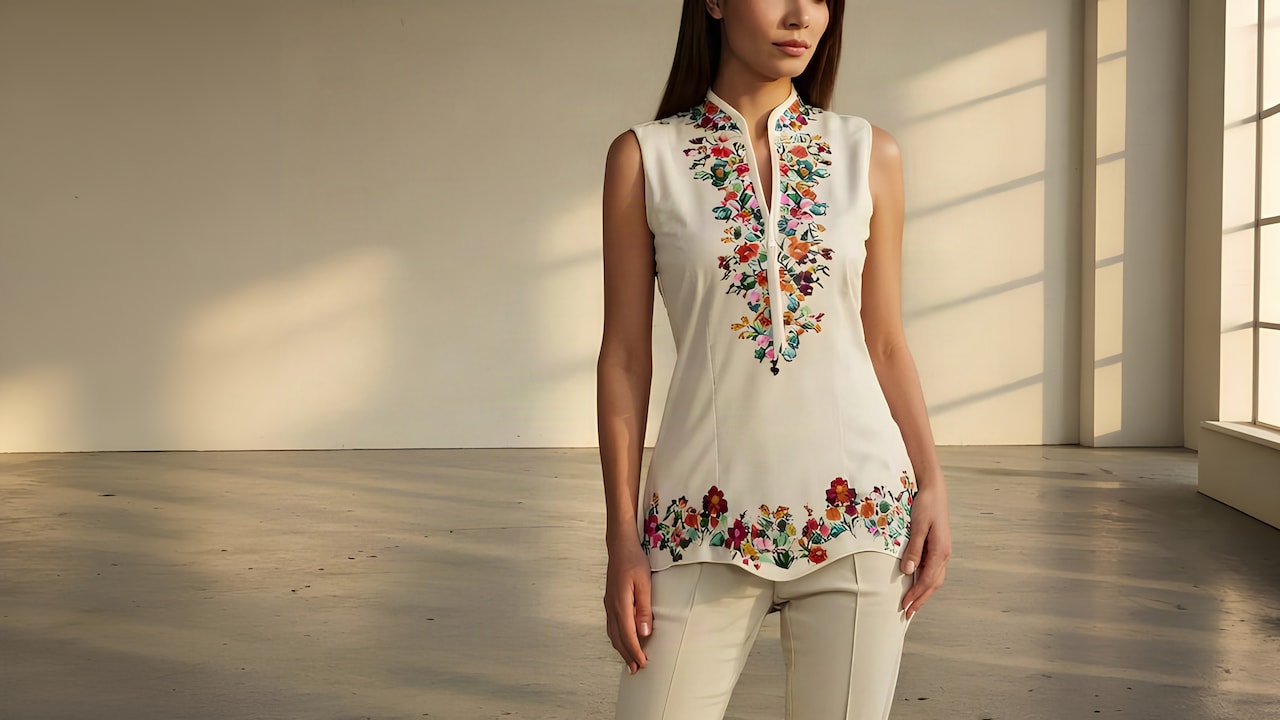
Chaniya Choli Vs Sharara: Which Is The Better Garba Look
Select between Chaniya Choli and Sharara for Garba by comparing comfort, movement, styling, fabrics and festive appeal to find the right Navratri outfit.
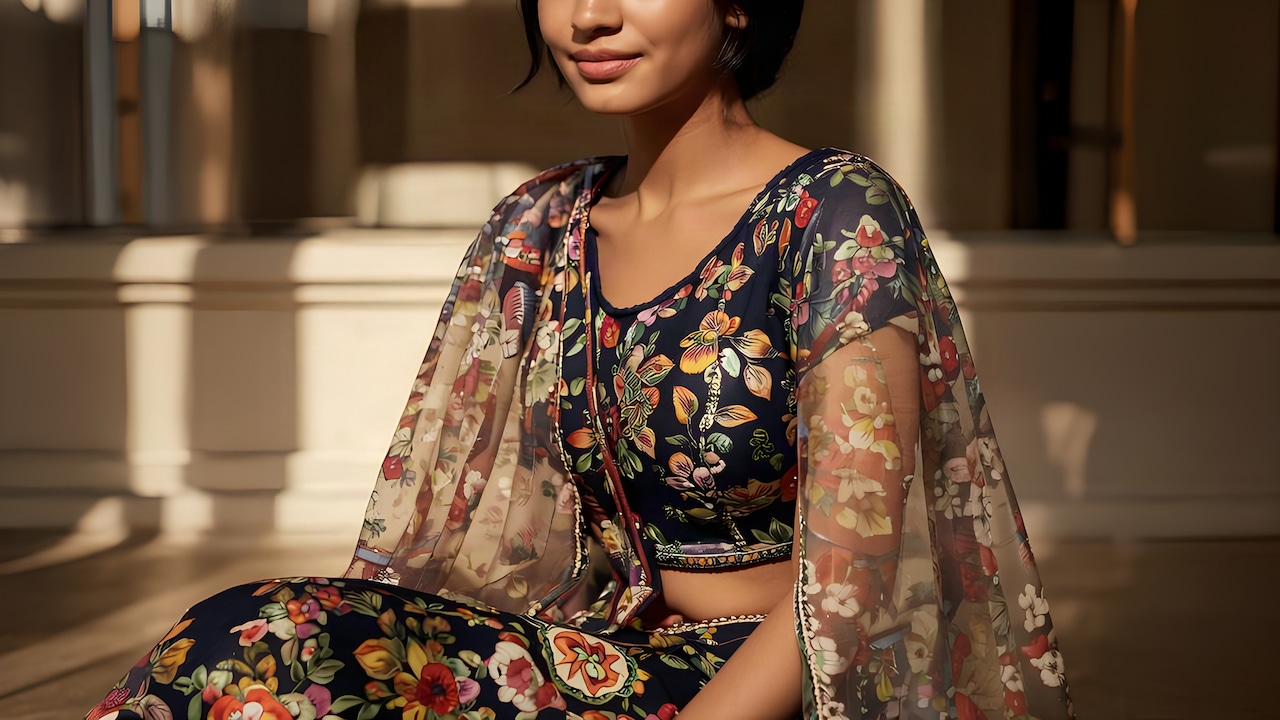
Chaniya Choli Vs Sharara: Which Is The Better Garba Look
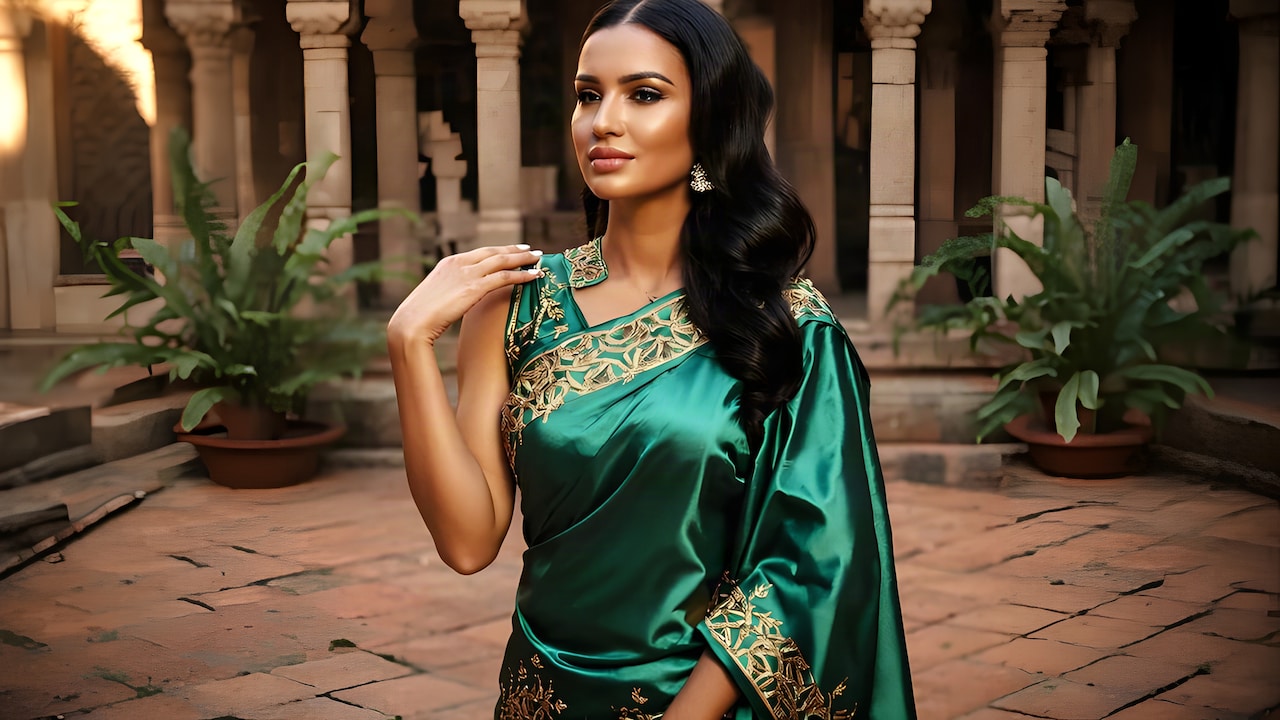
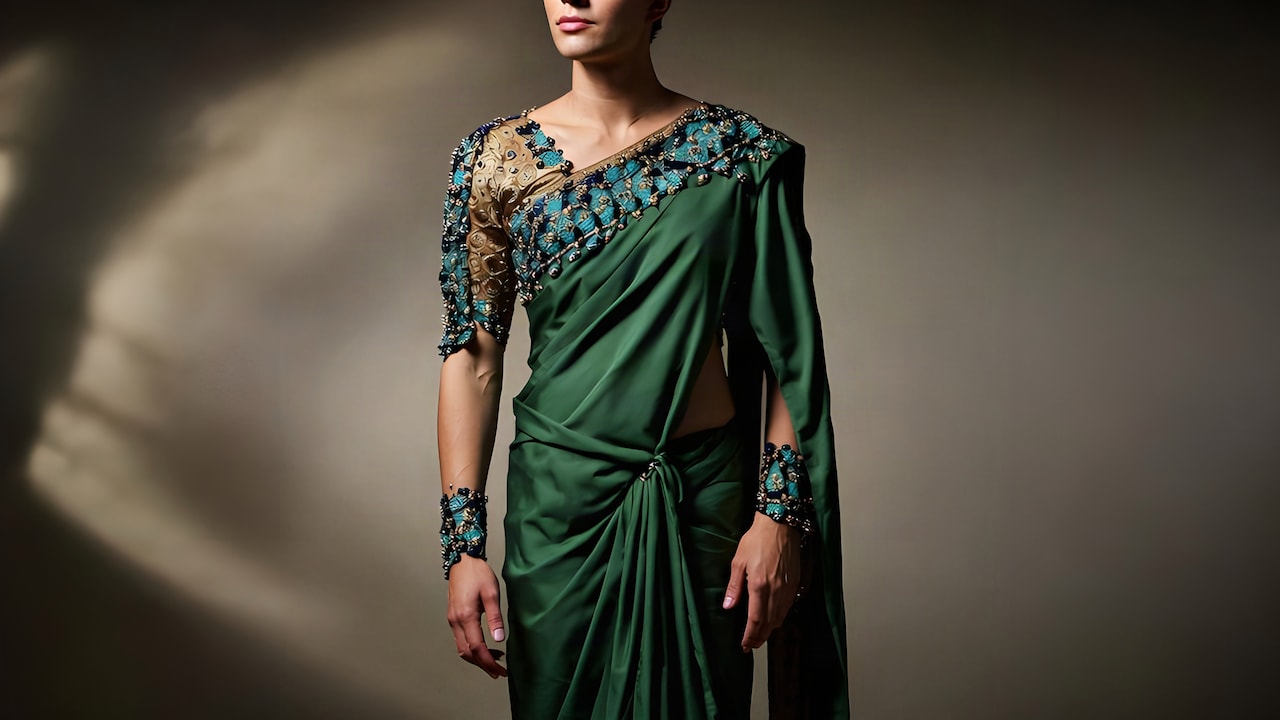
Garba dressing is all about colour, movement and festive energy, but the outfit also needs to work through hours of dancing, and the traditional chaniya choli remains closely associated with Garba, with its flared skirt, fitted choli and dupatta creating the familiar twirling silhouette. Sharara sets offer another festive option, combining wide-legged trousers with a shorter or longer kurta and dupatta.
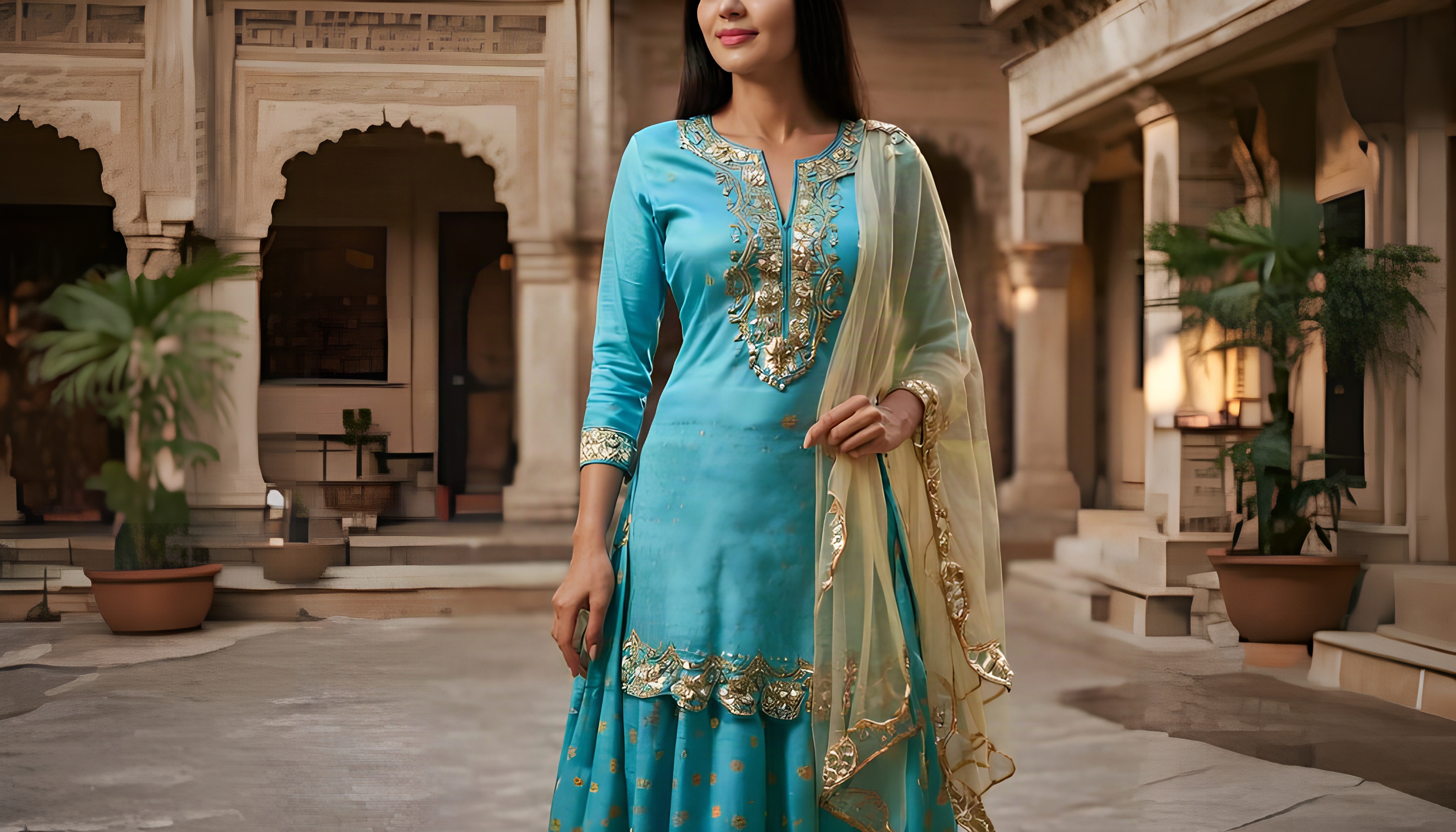
How Do Chaniya Choli And Sharara Styles Differ?
Photo Credit: iStock
The choice between the two depends on more than appearance, and a skirt with a dramatic flare can create beautiful movement during spins, while wide-legged sharara bottoms can provide freedom around the legs and a slightly more contemporary feel. Fabric, waist fit, hem length, embellishment and dupatta placement can all affect comfort. Since Garba can involve hours of continuous movement, a stylish outfit that stays secure and breathable can be more practical than one chosen only for photographs.
How Do Chaniya Choli And Sharara Styles Differ?
1: Chaniya Choli Creates The Classic Garba Silhouette
A chaniya choli usually consists of a flared skirt, blouse and dupatta or odhni. When dancing, the skirt makes a strong circular movement. Also, the design makes it particularly well-suited for the turns and rhythmic steps of Garba.
2: Sharara Offers a Wide-Legged Alternative
The sharara is a wide-legged bottom that allows movement but not the full circular volume of the traditional chaniya, and it can be paired with a short kurta, peplum-style top or festive blouse and dupatta.
3: The Fabric Can Change The Comfort Level
But comfort is more than simply the silhouette, and lightweight cotton, georgette, rayon and similar breathable fabrics can be useful for long Garba sessions. Especially if the venue is crowded or warm.
How Should You Compare Chaniya Choli And Sharara For Garba?
Step 1: Compare Movement And Twirl
Chaniya choli has a natural advantage for a dramatic twirl. Mostly, when the wearer turns, the flared skirt opens and gives the flowing movement that is traditionally associated with Garba, so it's great for photos and high-energy dance scenes.
Step 2: Consider Comfort During Long Dance Sessions
For several hours of dancing, overall weight matters, and a heavily embellished chaniya choli can become tiring if the skirt, blouse and dupatta are all densely decorated.
Step 3: Look At Traditional And Contemporary Appeal
Chaniya choli remains the most recognisable traditional Garba outfit. Mirror work, Kutchi-inspired embroidery, Bandhani patterns, tassels and colourful borders can immediately establish a Gujarati festive aesthetic.
Step 4: Check Dupatta and Footwear Practicality
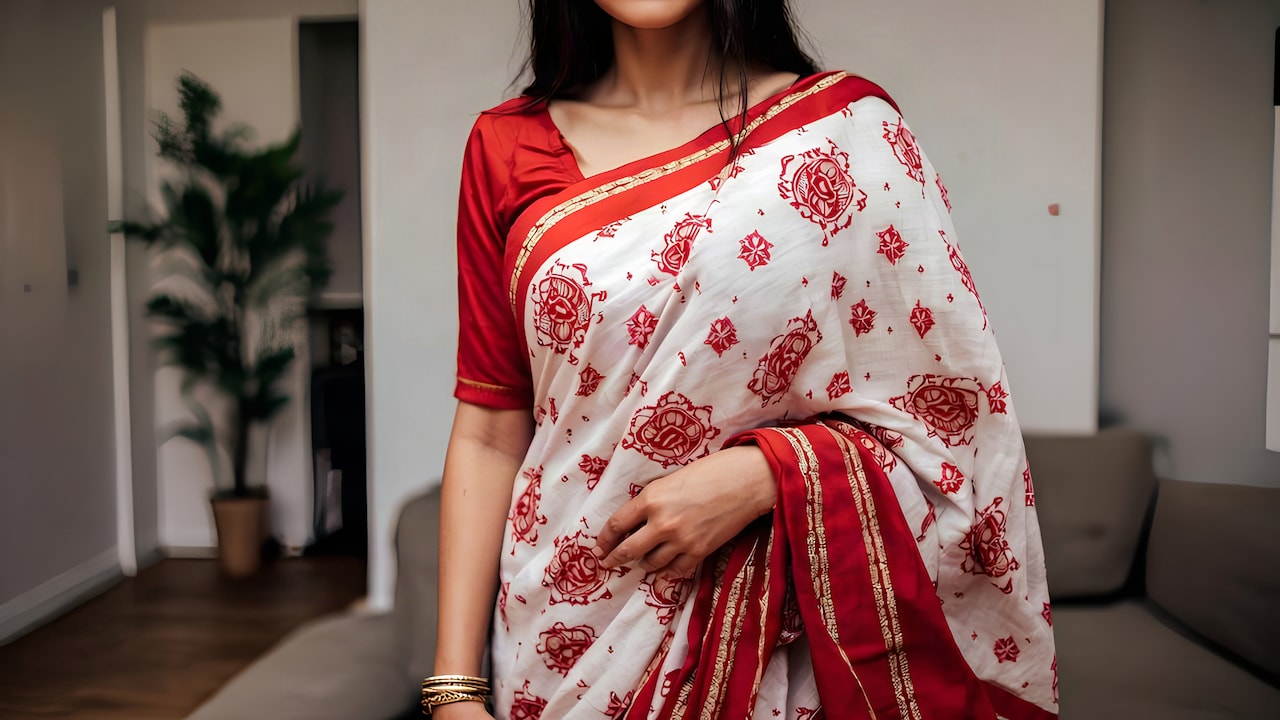
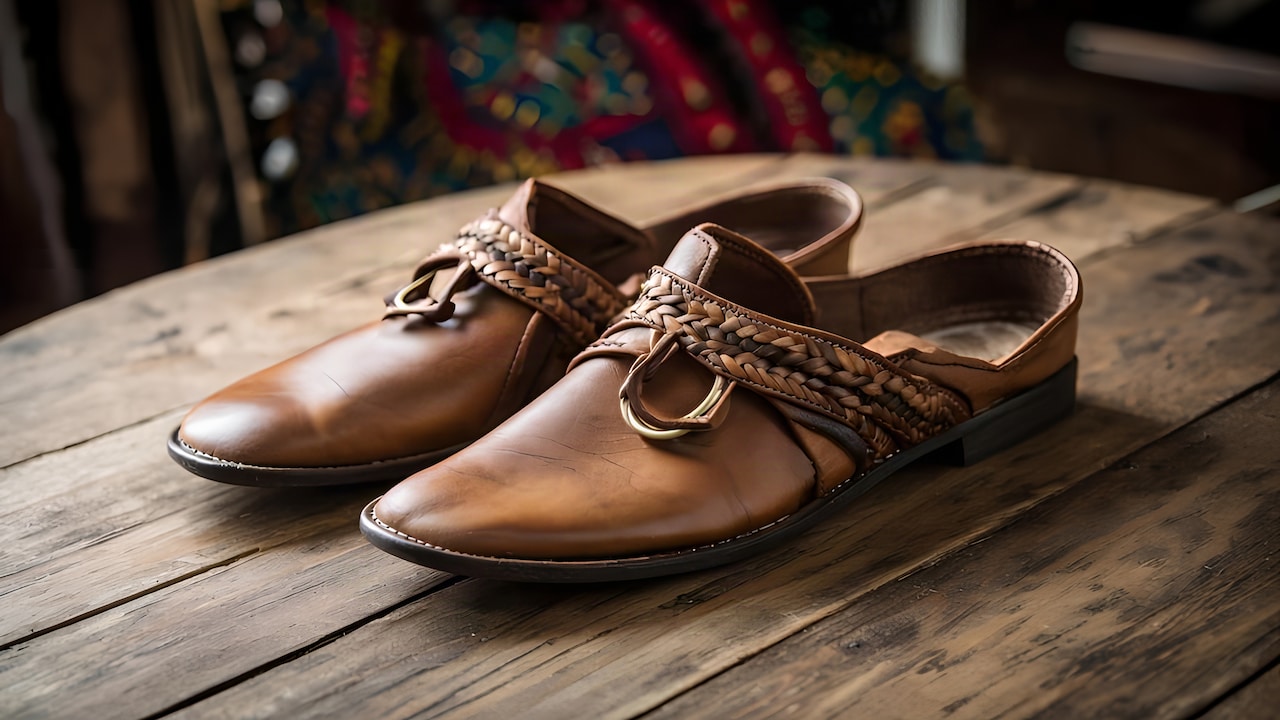
The dupatta needs particular attention because Garba involves constant arm and body movement, and a loose drape can require repeated adjustment. So a secure shoulder placement or practical draping technique can make the outfit easier to wear.
What Are The Benefits Of Choosing A Chaniya Choli?
1. Strong Traditional Garba Appeal
A chaniya choli immediately connects the outfit with the traditional visual language of Navratri and Garba, and its combination of a flared skirt, choli and dupatta provides a recognisable festive silhouette without requiring extensive styling.
2. Beautiful Movement During Twirls
The flared skirt is one of its biggest visual strengths, as the wearer turns, the skirt opens and creates movement that photographs particularly well, and a controlled flare can provide this effect without making the garment unnecessarily heavy.
3. Wide Styling Variety
Chaniya cholis are available in colourful prints, mirror work, embroidery, patchwork and contemporary blouse designs. This allows the outfit to range from traditional and colourful to modern and understated.
4. Works Well With Traditional Accessories
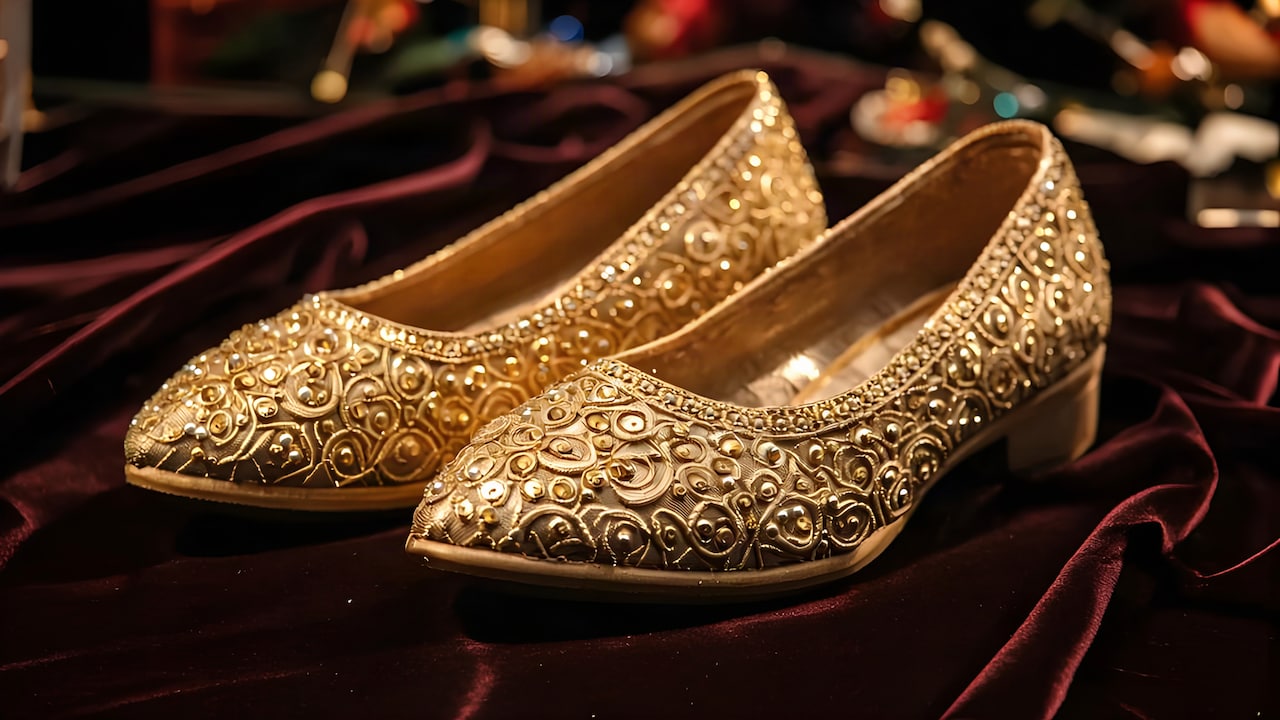
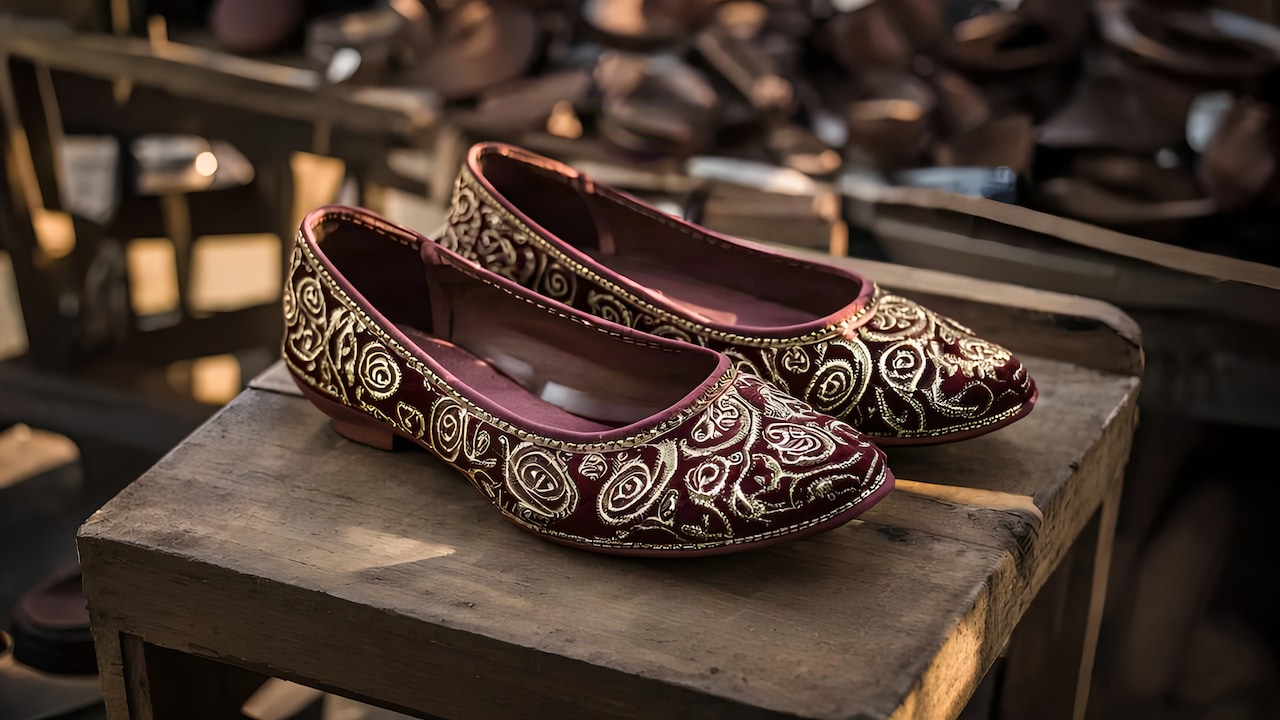
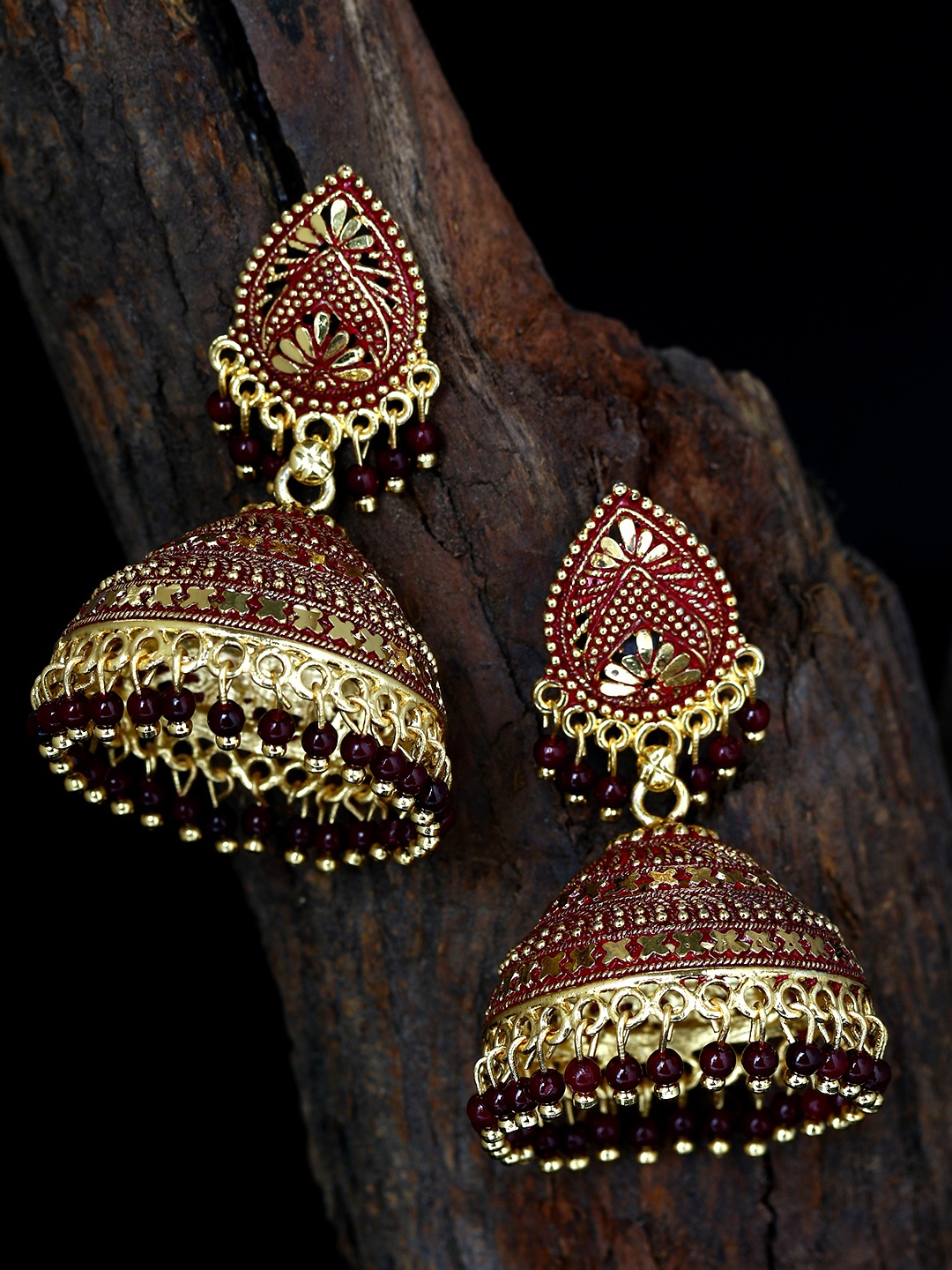
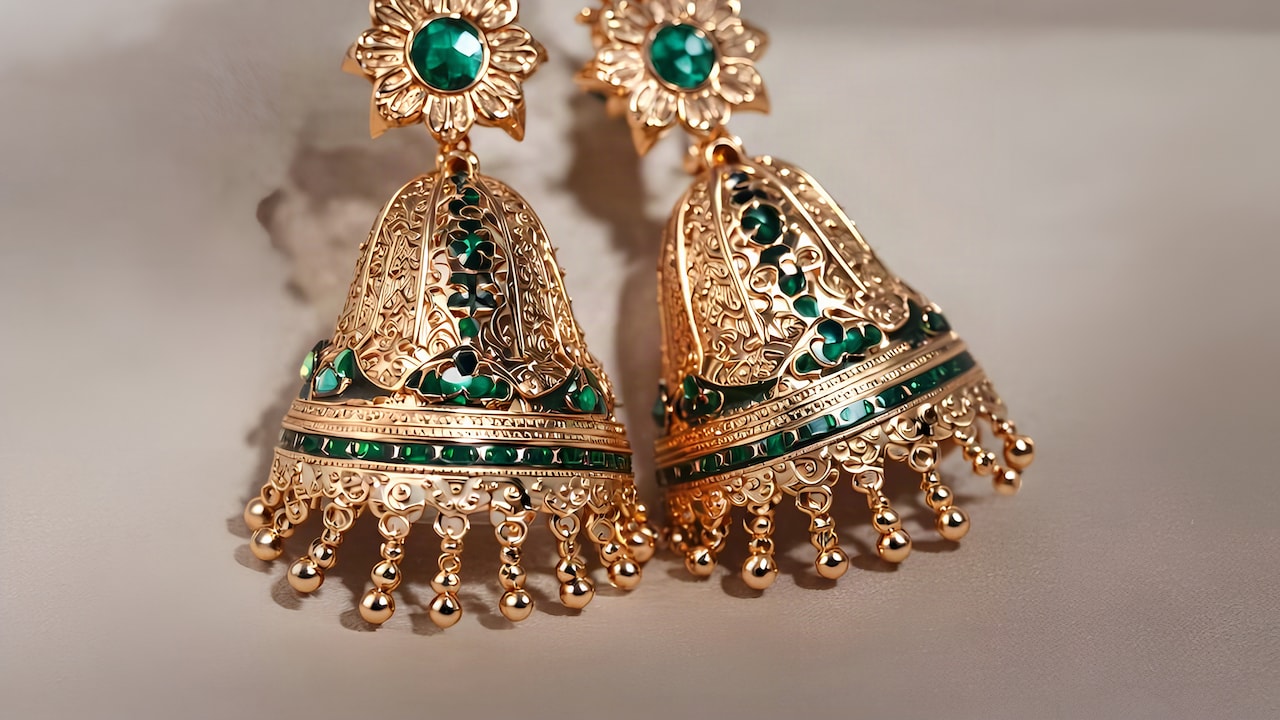
Oxidised earrings, bangles, kamarbandhs, juttis and embellished potlis can complement a chaniya choli naturally, and the outfit can therefore carry traditional accessories without appearing disconnected from the overall look.
What Mistakes Should You Avoid With Both Outfits?
1. Choosing Heavy Embellishment Over Comfort
A heavily decorated outfit may look impressive on a hanger but become difficult to wear. Especially during hours of dancing. Excess weight at the skirt hem can make movement tiring, while dense embroidery can trap additional heat, and Garba-specific styling guidance recommends lighter, breathable constructions for extended dance sessions.
2. Ignoring Fit And Movement
An outfit should be tested while walking, turning and raising the arms before Garba night. The waistband should stay secure, the hem should clear the footwear, and the dupatta should remain manageable. These practical details can matter more during dancing than the decorative elements alone.
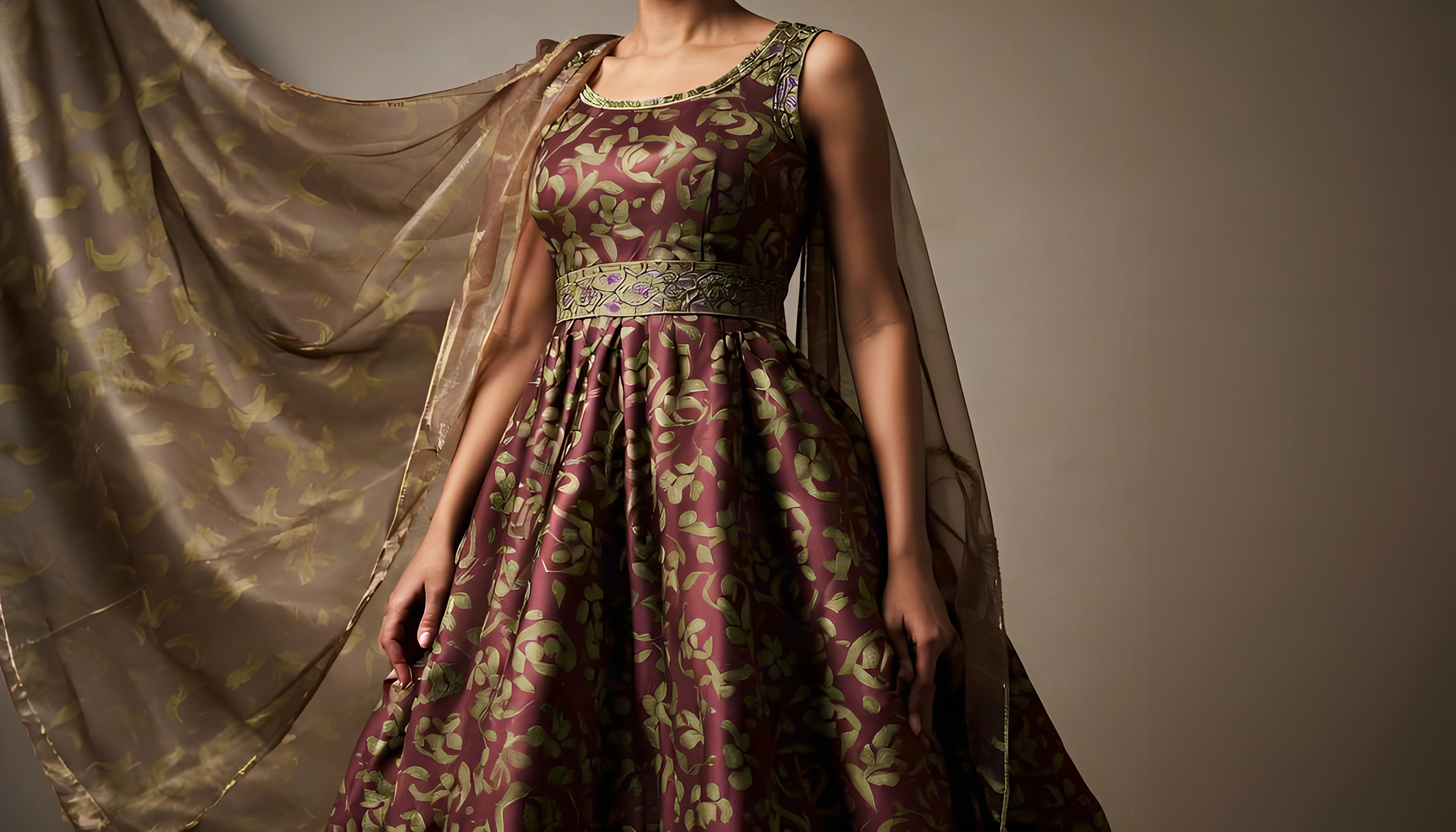
Products to Consider From
Photo Credit: iStock
Products to Consider From
1. RangSetu Women's Ethnic Kurti with Sharara & With Dupatta
2. LooksLink Women's Ethnic Kurta with Sharara & With Dupatta
3. DISHWA FASHION Sequinned Kurta with Sharara & Dupatta
4. Sangria Women's Regular Kurta with Sharara & With Dupatta
5. Khushal K Lehenga & Choli With Dupatta
6. BAESD Lehenga & Unstitched Blouse With Dupatta
7. PURVAJA Lehenga & Unstitched Blouse With Dupatta
8. HOUSE OF JAMOTI Lehenga Choli With Dupatta
When it comes to choosing between a chaniya choli and a sharara for Garba, the best pick depends on your personal style and comfort. A chaniya choli remains the classic choice, bringing vibrant colours, traditional flair, and the twirl-worthy appeal that Garba is known for. On the other hand, a sharara offers a modern and comfortable alternative while still looking festive and elegant. Whether you prefer a timeless ethnic look or a contemporary twist, both outfits can help you stand out on the dance floor. The key is to choose a style that allows you to move freely, feel confident, and enjoy every moment of the Garba celebrations.
Frequently Asked Questions (FAQs)
1. Is chaniya choli better than sharara for Garba?
Chaniya choli offers the more traditional Garba silhouette and stronger twirling effect, while sharara provides a modern wide-legged alternative; both can work well when the fabric and fit allow comfortable movement.
2. Can a sharara be worn for Garba?
Yes, the sharara sets are suitable for Garba when the trousers provide sufficient legroom. Also, the outfit remains secure during turns and dance movements.
3. What fabric is best for a Garba outfit?
Choose breathable, practical fabrics such as georgette, cotton and rayon to wear for long hours of dancing, while heavier or stiff fabrics might not feel as comfortable as the event goes on.
4. What jewellery works with a chaniya choli?
Oxidised earrings, jhumkas, bangles, maang tikka and kamarbandh-style accessories can complement traditional chaniya choli styling. Also, the jewellery should be comfortable enough for extended movement.
5. Can a simple chaniya choli look festive enough for Garba?
Yes. Statement earrings, a colourful dupatta, embellished footwear or a striking waist accessory can make a simple chaniya choli more fashionable, as mirror work or a vibrant colour combination can also add festive character. That too, without excessive embellishment. .
(Disclaimer: This article may include references to or features of products and services made available through affiliate marketing campaigns. NDTV Convergence Limited (“NDTV”) strives to maintain editorial independence while participating in such campaigns. NDTV does not assume responsibility for the performance or claims of any featured products or services.)