Chappals For Quick Errands Versus Long Walks: Why Choosing The Right Pair Really Matters
Not all chappals are made for long walks. Learn the real difference between daily-errand pairs and walking-friendly ones, so your feet stay comfortable, supported, and blister-free.
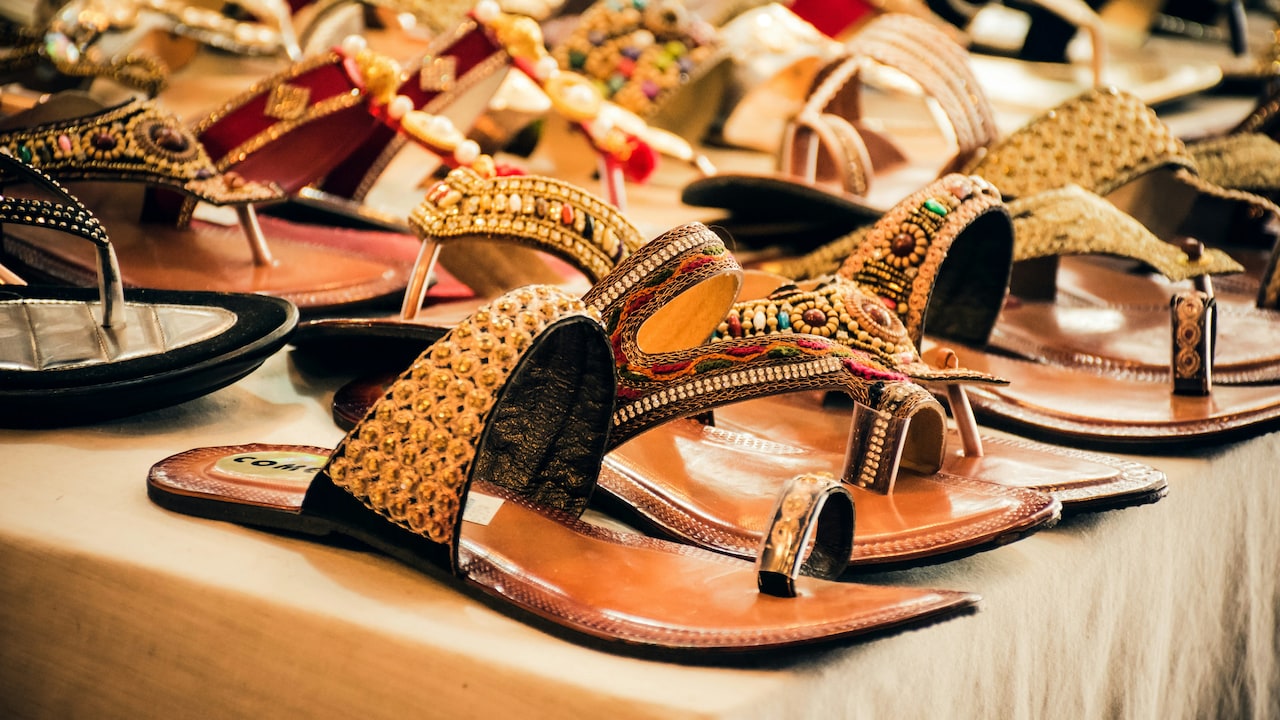
Chappals For Daily Use Vs Long Walks: Check Out The 10 Key Differences You Must Know.
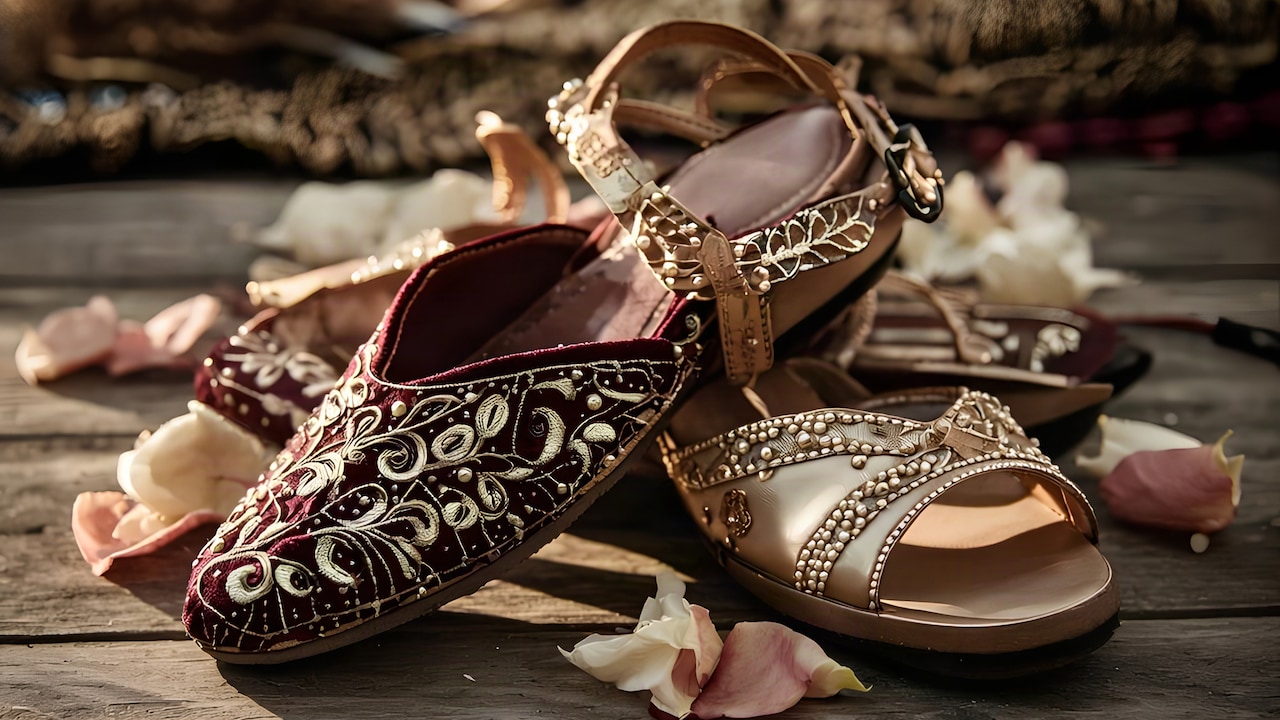
Chappals are a lifestyle, not just footwear. They sit by the door like loyal guards, always ready. Morning chai run? Chappals. Quick trip to the chemist? Chappals. A sudden plan to meet friends at the corner café? Chappals again.
But then comes that one ambitious day. A long walk. Maybe it's a fitness kick. Maybe it's a temple visit that turns into a full-day outing. Maybe it's one of those “let's explore the market properly” moods. And suddenly, the same chappals that behaved like angels during errands start acting like villains. Blisters appear. Soles feel too flat. The strap begins to rub like it has a personal grudge.
The truth is simple: chappals for daily errands and chappals for long walks are not the same. They may look similar at first glance, but their comfort, support, and build are completely different. And once that difference is understood, the feet stay happier, and the mood stays intact.
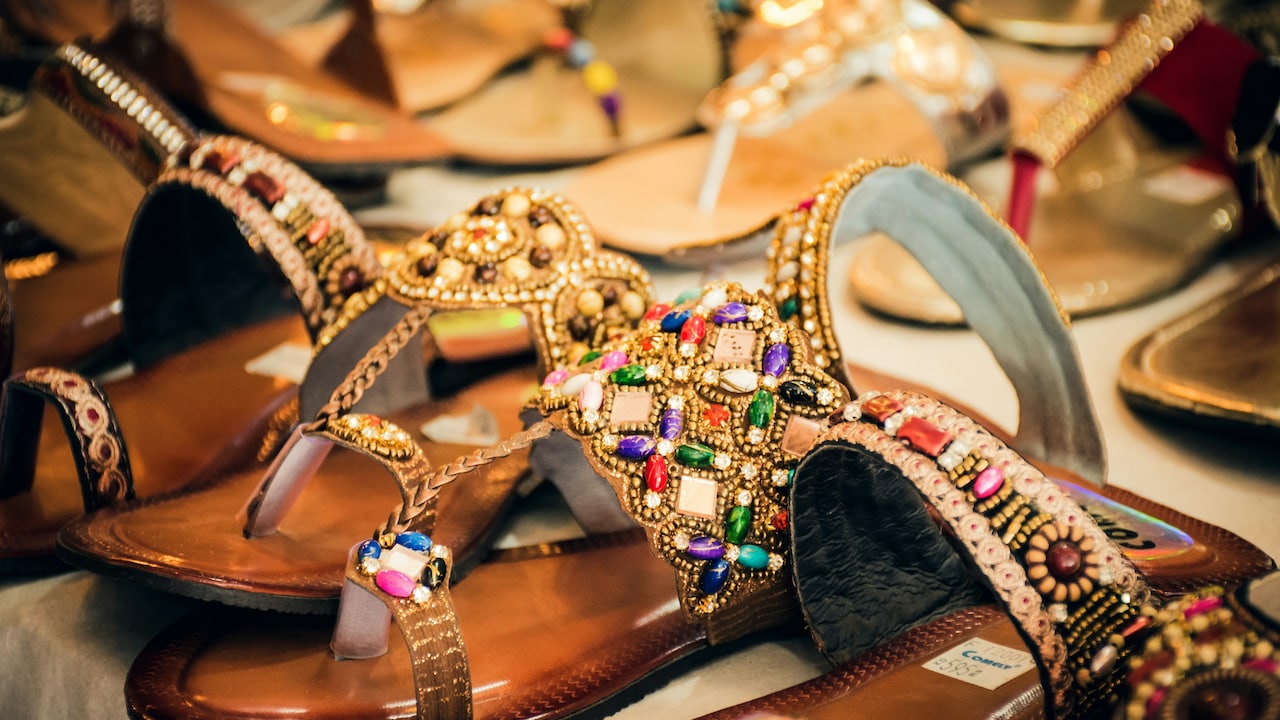
Chappals For Daily Errands vs Long Walks: The Difference
Photo Credit: Pexels
What Really Sets Errand Chappals Apart From Long-Walk Chappals
1) Purpose Comes First: Speed vs Distance
Daily-errand chappals are made for quick movement and short bursts. They're designed for the kind of life that happens in small pockets: stepping out for ₹40 coriander, dropping a parcel at the courier shop, or doing a quick ATM run. The focus is on convenience. Slip on, step out, come back, done.
Long-walk chappals have a different job. They're meant to carry the body for kilometres, not minutes. That changes everything. When the distance increases, the feet start demanding structure. The soles need better shock absorption. The straps need stability. The overall shape needs to support the arch and reduce fatigue.
This is why the “same chappal” logic fails. A pair that feels fine for ten minutes may feel awful at forty. It's not because the chappal suddenly became bad. It's because it was never meant for that purpose.
Choosing chappals becomes much easier once the purpose is clear. Errands need speed and ease. Long walks need support and endurance. Feet are not dramatic. They just want the right tool for the job.
2) Sole Thickness: The Road Shouldn't Feel Personal
A common sign of an errand chappal is a thinner sole. Thin soles keep the chappal light and flexible. They also make it easier to slip into them quickly without adjusting. For short distances, that's perfectly fine.
But thin soles on long walks can feel like walking on the city's entire mood. Every pebble, crack, and uneven tile introduces itself. The feet start absorbing the impact that the sole should have handled. That leads to soreness, especially in the heel and ball of the foot.
Long-walk chappals usually have thicker soles with cushioning layers. Some even have a slightly raised heel, which reduces strain on the Achilles tendon. The best ones don't feel bouncy like a toy. They feel steady and supportive.
There's also a quiet mental benefit. When the sole protects the feet properly, walking feels easier. The body stays relaxed. The face stays pleasant. Nobody wants to reach a destination looking like they fought a footpath and lost.
3) Cushioning and Shock Absorption: Comfort Is Not Softness
Many people assume comfort means softness. That's where things get tricky. Some errand chappals feel soft at first because the foam is squishy. But on longer walks, that softness collapses. The feet sink in unevenly, which creates strain.
Errand chappals often use basic EVA foam or rubber. It's affordable, lightweight, and fine for quick use. But long walks need something more resilient, cushioning that springs back instead of flattening.
A good long-walk chappal cushions without losing shape. It spreads pressure evenly across the foot. It reduces the “thud” feeling when the heel hits the ground. That matters a lot on hard surfaces like concrete, mall floors, and those shiny temple pathways that look smooth but feel brutal after an hour.
The best test is simple: after a long walk, the feet should feel tired, not punished. If the feet feel like they've been scolded, the cushioning wasn't doing its job.
4) Arch Support: The Feature Most Chappals Ignore
Arch support is the difference between “this feels okay” and “this feels like a blessing.” Errand chappals often have flat footbeds. Flat works fine for short distances, especially for people who don't have arch issues.
But on long walks, the arch does a lot of work. It acts like a natural spring. Without support, the arch gets overworked. That can lead to pain in the middle of the foot or even heel pain later.
Long-walk chappals usually have a contoured footbed. It hugs the foot slightly. It supports the arch and keeps the foot aligned. That alignment reduces fatigue in the ankles and knees, too. Yes, the knees also get involved in chappal drama.
There's a common belief that arch support is only for older people. Not true. Anyone who walks long distances benefits from it. The body loves support. It's not a luxury. It's basic respect for joints that carry the whole day.
5) Strap Design: The Great Rubbing vs Holding Debate
Errand chappals usually have simpler straps. Thin straps, minimal stitching, and basic attachment points. They're fine when walking is short and slow. The feet don't sweat much, and the straps don't move around too aggressively.
Long walks change the equation. Sweat increases. The foot expands slightly. Movement becomes repetitive. That's when straps start rubbing. And rubbing becomes a blister.
Long-walk chappals often use wider straps, softer lining, and better placement. Some have padded straps. Some have adjustable straps. That adjustment is a small miracle, especially for people with wider feet or high insteps.
Toe-loop styles can be comfortable for short use, but they can irritate the skin on longer walks. A good long-walk chappal holds the foot gently but firmly, like a supportive friend, not like an overenthusiastic relative who grips too tightly.
6) Grip and Outsole Pattern: Slipping Is Not a Personality Trait
Errand chappals often have basic grip patterns. They're meant for predictable surfaces: home floors, nearby lanes, local shops. That's usually enough.
But long walks expose chappals to more variety: wet tiles, polished floors, uneven pavements, dusty streets, and surprise puddles that appear out of nowhere like plot twists. Grip becomes important. Nobody wants to do an accidental dance step in public.
Long-walk chappals typically have deeper tread patterns and better rubber compounds. They provide stability on both smooth and rough surfaces. They also reduce the risk of ankle twists, especially on broken footpaths.
Another detail: the outsole should not wear down too quickly. Errand chappals can afford to be a little disposable. Long-walk chappals should last longer because they work harder.
Good grip doesn't make a chappal look aggressive. It simply makes it reliable. And reliability is underrated.
7) Weight and Flexibility: Light Is Great, Until It Isn't
Errand chappals are often super light. That's part of their charm. They feel effortless. They also make quick movements easier, like stepping aside for a scooter or rushing to catch the lift.
But ultra-light chappals sometimes sacrifice structure. On long walks, too much flexibility can be a problem. The sole bends in places where it shouldn't. That increases strain on the foot muscles.
Long-walk chappals strike a balance. They're not heavy like hiking shoes, but they're not flimsy either. They flex at the front where the toes need movement, but they stay stable in the middle where the arch needs support.
A good long-walk chappal feels like it's moving with the foot, not folding under it. The difference is subtle but huge. It's like the difference between a sturdy chair and a wobbly plastic stool. Both can hold weight, but only one feels trustworthy.
8) Breathability and Sweat Management: The Silent Trouble
Errand chappals don't need to manage sweat for long. A short walk means less moisture. Even if the foot sweats a bit, it's manageable.
Long walks are a different story. Heat, humidity, and continuous movement make the feet sweat more. Sweat makes the foot slippery. Slippery feet cause friction. Friction causes blisters. And blisters ruin the day with impressive speed.
Long-walk chappals often use materials that reduce sweating and dry faster. Some have textured footbeds that prevent the foot from sliding. Some use leather or better synthetic blends that feel less sticky.
This is where cheap glossy footbeds fail. They look nice in the shop. On a long walk, they behave like a skating rink.
A breathable chappal doesn't just feel cooler. It protects the skin. And skin protection is not dramatic. It's practical. Nobody wants to limp home while pretending everything is fine.
9) Durability and Build Quality: The Stitching Tells the Truth
Errand chappals can get away with being less durable. They're used for short trips. Even if the sole starts wearing out, it's not the end of the world. Many people replace them casually, like replacing a daily-use bottle.
Long-walk chappals need better build quality. The stitching, glue, and strap attachment points must handle repeated pressure. The sole should not separate halfway through a day out. That's not just inconvenient, it's embarrassing.
A well-built long-walk chappal usually costs more, but it pays back through comfort and longevity. It's the difference between buying something for ₹300 every few months and buying something for ₹1,200 that lasts much longer and feels better every day.
Durability also includes shape retention. A chappal that loses its form becomes uncomfortable even if it doesn't break. A good long-walk pair keeps its structure and continues supporting the foot.
Chappals For Daily Errands vs Long Walks: The Difference
Photo Credit: Pexels
10) Styling and Social Comfort: The Mood Matters Too
Daily-errand chappals are often chosen for practicality over looks. They may be old, faded, and slightly tilted from years of loyal service. And honestly, that's fine. Nobody is judging a person buying onions.
Long-walk chappals often need to work in more settings. A long walk can turn into an unplanned café stop, a friend's house visit, or a sudden “let's go to the mall” moment. The chappal needs to look presentable enough to match that shift.
That doesn't mean fancy. It means clean lines, decent finish, and a design that doesn't scream “bathroom slipper.” A good long-walk chappal can look smart while still being comfortable.
There's also psychological comfort. When footwear looks good, posture improves. Confidence increases. And the walk feels smoother. It's not vanity. It's human nature.
The best long-walk chappals blend style and function. They don't demand attention. They quietly support the day.
Products Related To This Article
1. CALIBREL Men Slippers
2. FLITE Women Slippers
3. CALIBREL Men Slippers
4. FLITE Women Slippers
5. Bata Men Slippers
Chappals are simple, but the feet are not. A pair meant for quick errands prioritises ease, lightness, and convenience. A pair meant for long walks prioritises cushioning, arch support, grip, and durability. Both have a place. Both can be excellent. But swapping one for the other usually ends in sore feet and regret.
The real trick is keeping two types in the wardrobe: the quick-slip pair for daily runs and the supportive pair for long outings. That small change upgrades everyday comfort more than most people expect. It also prevents the classic mistake of walking five kilometres in a chappal designed for a two-minute trip.
Feet carry the whole day. They deserve better than a one-size-fits-all approach. And once the right chappals are chosen for the right purpose, walking feels less like a struggle and more like a smooth, steady rhythm, exactly how it should be.
(Disclaimer: This article may include references to or features of products and services made available through affiliate marketing campaigns. NDTV Convergence Limited (“NDTV”) strives to maintain editorial independence while participating in such campaigns. NDTV does not assume responsibility for the performance or claims of any featured products or services.)