Clutches That Don't Close Properly: Closure Types You Should Avoid
A stylish clutch means little if it won’t stay shut. Discover closure types that fail in real-life use and learn which ones to avoid for a fuss-free, secure carry.

10 Clutch Closure Types to Avoid for a Secure and Stylish Carry
A clutch bag often carries more than essentials. It carries confidence, a sense of occasion, and sometimes even a bit of drama. Whether stepping out for a wedding function, a dinner at a rooftop café, or a festive gathering, the right clutch completes the look. Yet, nothing disrupts the moment faster than a clutch that refuses to stay shut or demands constant attention.
Picture standing in a crowded lift, adjusting an outfit, only to realise the clutch has popped open again. Lipstick rolls out, phone slides halfway, and suddenly, elegance takes a back seat. It is in these tiny but frustrating moments that the importance of a good closure becomes clear.
Not every clutch is designed with practicality in mind. Some prioritise aesthetics over function, while others rely on outdated or poorly executed mechanisms. The result is a bag that looks beautiful but behaves unpredictably.
Understanding which closure types to avoid can save time, money, and unnecessary embarrassment. This guide walks through the most common offenders, explaining why they fail and what makes them impractical for everyday use or special occasions.
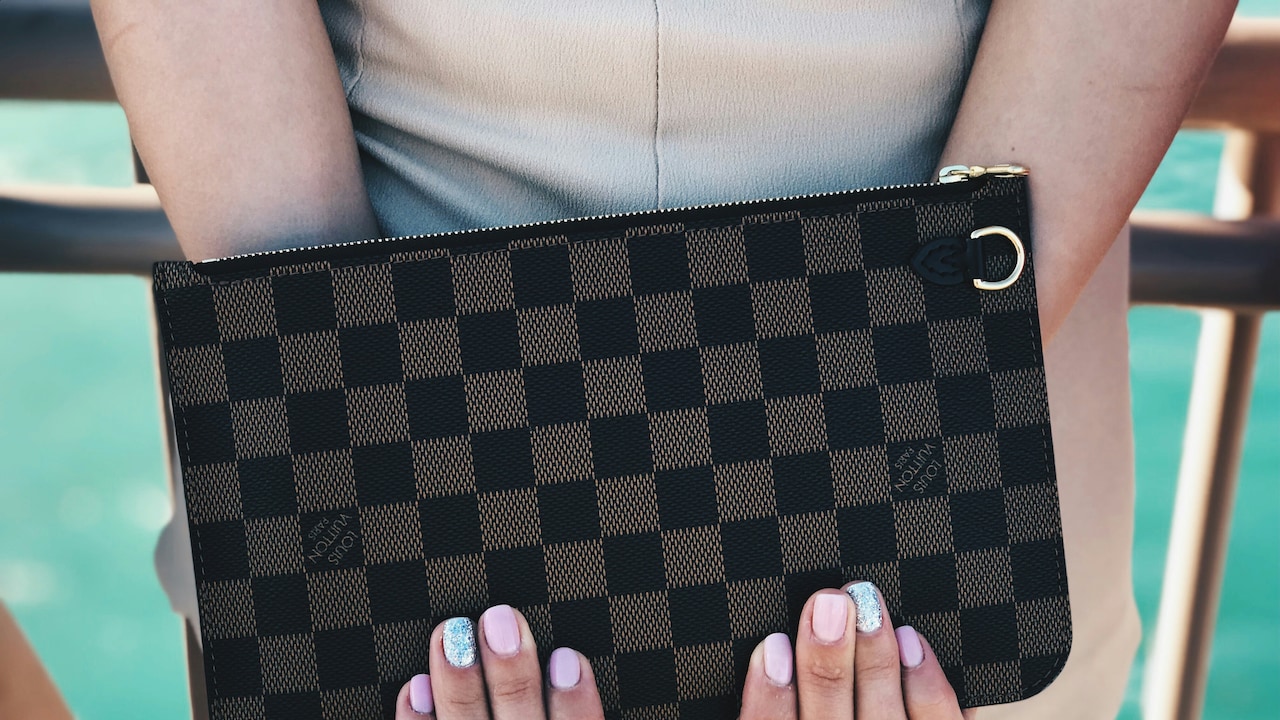
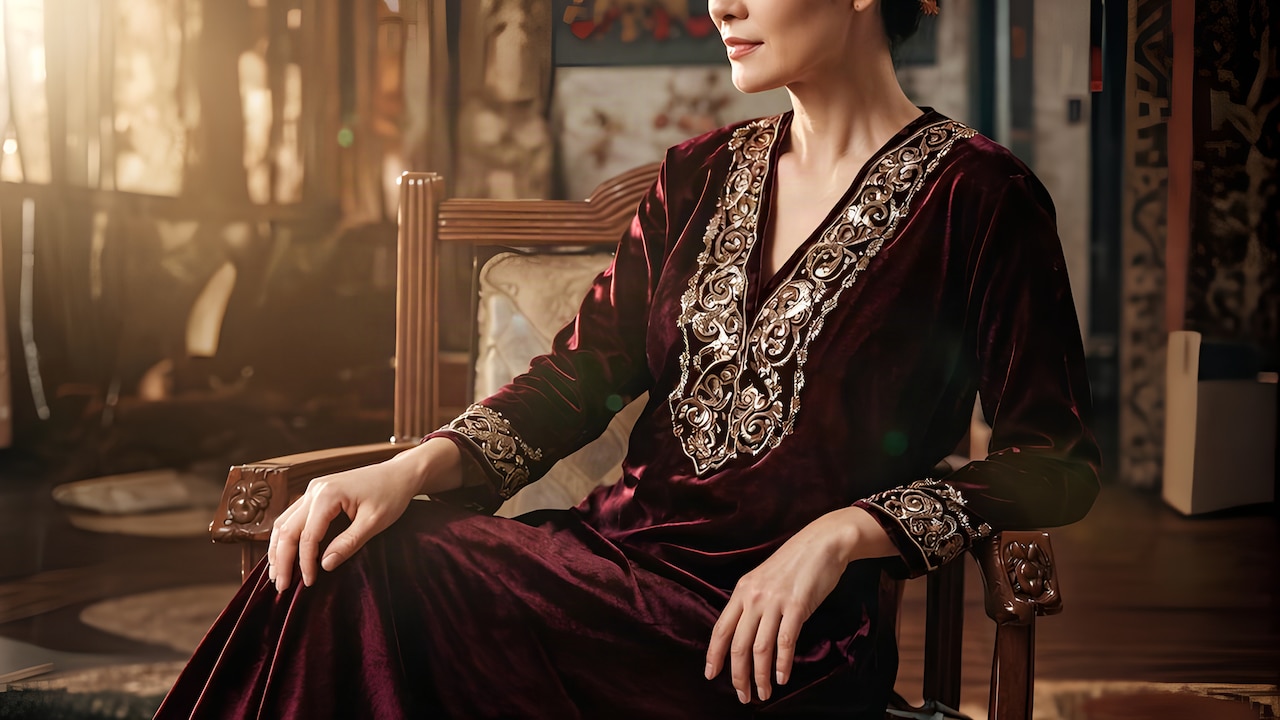
10 Clutch Closure Types to Avoid for a Secure and Stylish Carry; Photo Credit: Pexels
Common Clutch Closure Types That Often Cause Trouble
Weak Magnetic Snaps
Magnetic snaps often promise convenience. A quick click and the clutch is shut, or so it seems. In reality, weaker magnets barely hold the flap in place. A slight tilt or a crowded setting can cause the clutch to open unexpectedly.
These closures struggle most when the bag carries more than a few lightweight items. Add a phone, a compact, and keys, and the magnet starts to lose its grip. Over time, wear and tear further reduce its strength, turning a once-functional clutch into a constant worry.
Another issue lies in alignment. If the magnets do not sit perfectly, the closure feels unreliable from the start. It becomes a guessing game: Did it close properly or not? That uncertainty can be frustrating, especially during busy events.
For anyone who prefers fuss-free accessories, weak magnetic snaps rarely deliver. They may look sleek and modern, but practicality often takes a hit.
Loose Frame Clasps
Frame clasps bring a vintage charm that many find irresistible. The click sound, the structured silhouette, and the old-world elegance all add to their appeal. However, loose frame clasps quickly lose that charm.
A poorly constructed clasp does not hold tension well. Instead of a firm shut, it offers a soft, uncertain closure. With repeated use, the looseness worsens, making the clutch prone to opening at the slightest movement.
This becomes particularly problematic in crowded settings like weddings or markets. A slight bump can cause the clasp to release, risking the safety of belongings.
Moreover, repairing such clasps often costs nearly as much as the clutch itself, especially if the frame is delicate. Spending ₹1,500 on a clutch only to spend another ₹800 fixing it feels far from ideal.
Style matters, but not at the cost of functionality. Loose frame clasps may look elegant, yet they rarely stand the test of time.
Also Read: Your Wedding Style Guide: Top Clutch Bags For Every Function, From Mehendi to Reception
Faulty Zippers
Zippers are usually seen as reliable. However, faulty ones can be worse than no closure at all. A zipper that snags, splits, or refuses to glide smoothly can test patience in seconds.
One common issue is misalignment. When the teeth do not meet properly, the zipper either gets stuck or opens midway. This can be especially annoying when in a hurry.
Cheap zippers also tend to lose their grip over time. The slider loosens, and the closure no longer seals the bag securely. Items inside become vulnerable, defeating the purpose of the clutch.
Another overlooked problem is noise. Some zippers produce an irritating sound that disrupts quiet settings like formal dinners or performances.
A good zipper should feel effortless. Anything less turns a simple action into a repeated struggle, making faulty zippers a closure type best avoided.
Overly Tight Snap Buttons
While weak closures pose one problem, overly tight snap buttons create another. These closures demand force, often requiring both hands and a bit of patience.
Imagine trying to open a clutch during a quick checkout or while juggling multiple tasks. A stubborn snap button slows everything down, turning a small action into a noticeable inconvenience.
Frequent forceful opening can also damage the material around the button. Fabric stretches, leather weakens, and eventually, the closure loses its integrity altogether.
There is also the risk of sudden release. When the button finally gives in, it can jerk the clutch open abruptly, sometimes causing items to spill.
Balance is key. A closure should feel secure but not resistant. Overly tight snap buttons miss that balance, making them impractical despite their durability.
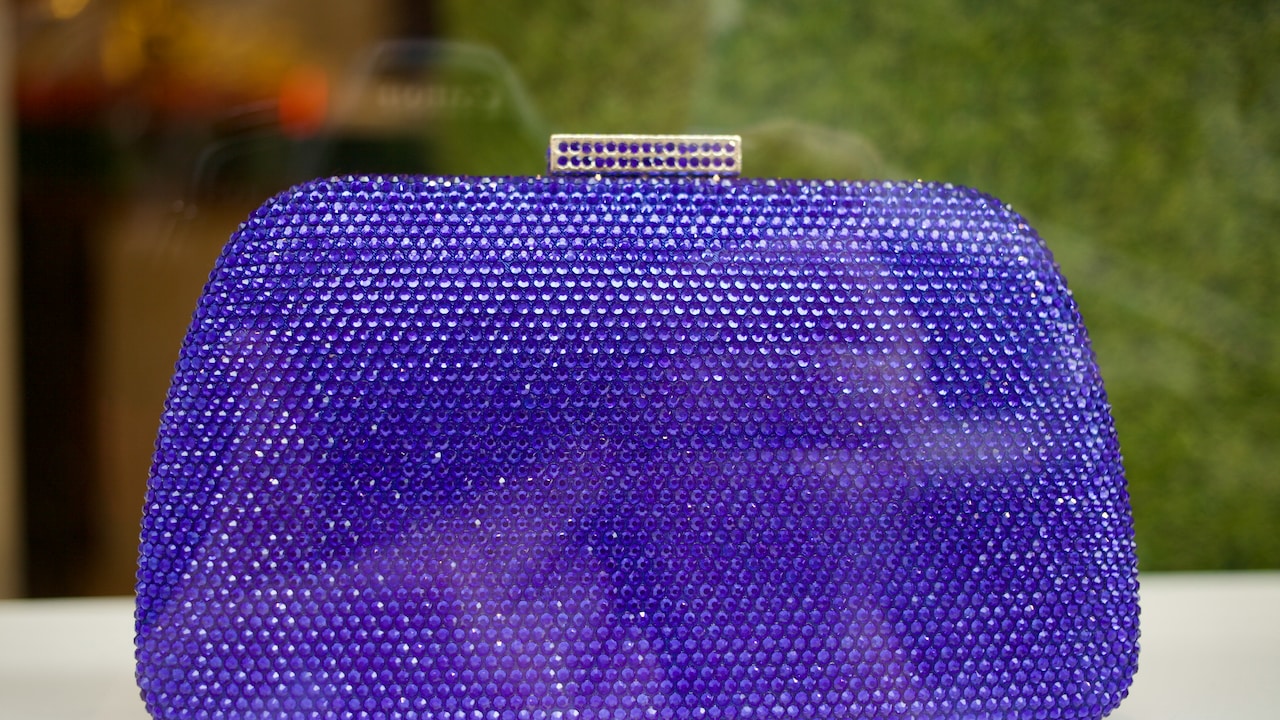
10 Clutch Closure Types to Avoid for a Secure and Stylish Carry; Photo Credit: Pexels
Flimsy Twist Locks
Twist locks often appear on designer-inspired clutches, adding a polished finish. However, flimsy versions fail to deliver reliability.
A poorly made twist lock does not align properly. It may require multiple attempts to secure, or worse, appear locked while remaining loose. This creates a false sense of security.
Over time, the mechanism can wear down, making the twist either too loose or completely ineffective. The lock may rotate freely without actually securing the flap.
This type of closure also demands attention. Unlike simpler mechanisms, it requires precision. In fast-paced situations, that extra effort feels unnecessary.
For those investing ₹2,000 or more in a clutch, such inconsistency feels disappointing. Flimsy twist locks may look sophisticated, but they often lack the sturdiness needed for regular use.
Velcro Closures That Wear Out Quickly
Velcro may seem like a practical choice, but it rarely suits clutches meant for outings or events. Initially, it offers a strong hold, but this strength fades quickly.
Dust, lint, and regular use reduce its grip. Soon, the closure barely sticks, leaving the clutch vulnerable to opening at any moment.
Another drawback is the sound. Velcro produces a loud ripping noise when opened, which feels out of place in formal or quiet environments.
The texture also affects aesthetics. Velcro strips can look out of place on an otherwise elegant design, diminishing the overall appeal.
While it works well for casual bags, Velcro struggles to meet the demands of a refined clutch. Its short lifespan and noisy nature make it an option worth skipping.
Hidden Closures That Misalign Easily
Hidden closures aim to maintain a seamless look. However, their design often sacrifices usability.
These closures rely on precise alignment. Even a slight shift can prevent them from locking properly. This leads to repeated attempts to close the clutch, which can feel frustrating.
In dim lighting, such as evening events, locating and aligning a hidden closure becomes even more challenging. It disrupts the flow of the moment, drawing attention to what should be a simple action.
Additionally, hidden mechanisms tend to wear out faster due to their delicate construction. Repairs are not always straightforward, adding to the inconvenience.
While the clean aesthetic appeals to many, the lack of practicality makes hidden closures a risky choice for everyday use.
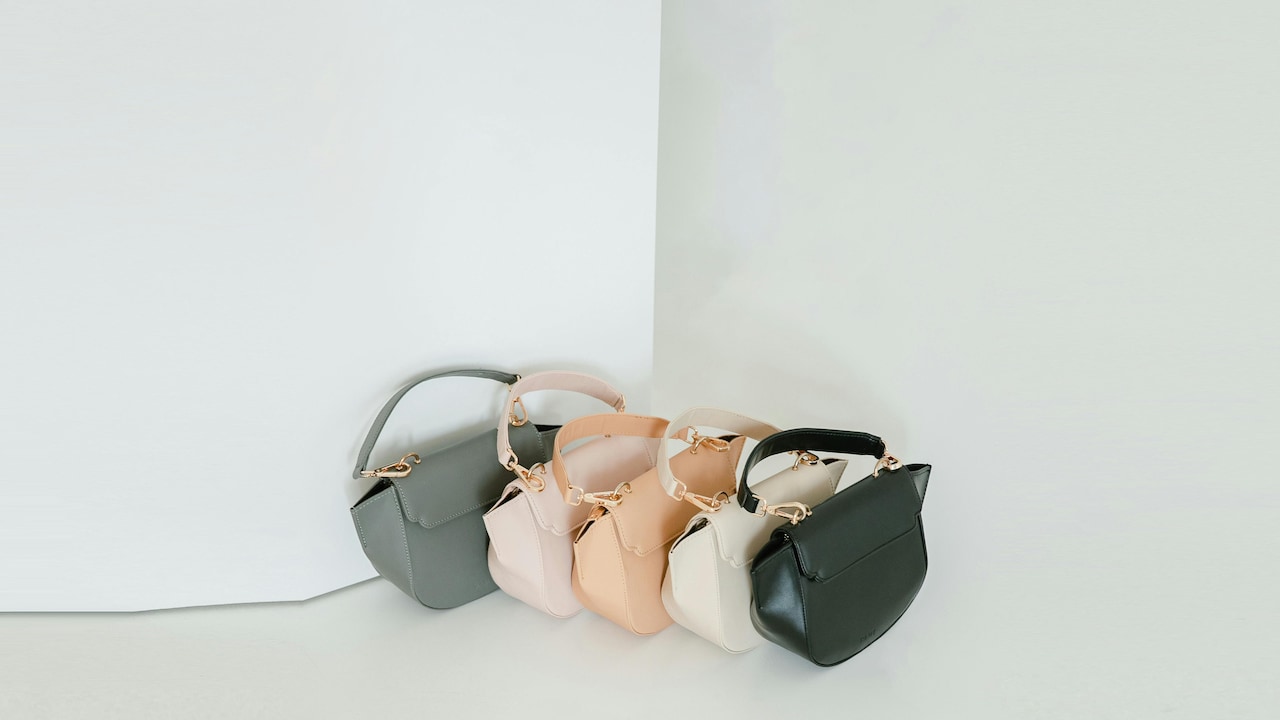
10 Clutch Closure Types to Avoid for a Secure and Stylish Carry; Photo Credit: Pexels
Elastic Closures That Stretch Over Time
Elastic closures offer flexibility, but that flexibility comes at a cost. With repeated use, the elastic loses its tension, becoming loose and ineffective.
Initially, the closure may feel secure. However, within a few months, it begins to sag, failing to hold the clutch shut properly.
This gradual decline often goes unnoticed until the clutch starts opening on its own. By then, the damage is already done.
Elastic also struggles with weight. Heavier items stretch it further, accelerating wear and reducing its lifespan.
For those who value durability, elastic closures fall short. They may work as a temporary solution, but they rarely provide long-term reliability.
Decorative Clasps Without Functionality
Some clutches feature decorative clasps that prioritise design over function. These closures often look intricate but fail to secure the bag effectively.
They may require specific angles or pressure to close, making them impractical for quick use. In some cases, they do not lock at all, serving more as an ornament than a closure.
This creates a mismatch between expectation and reality. A clutch priced at ₹3,000 should offer both style and reliability, not just visual appeal.
Decorative clasps also tend to be fragile. Delicate components can break easily, leaving the clutch unusable.
Fashion should enhance convenience, not complicate it. Decorative clasps without proper functionality often do the opposite.
Press Studs That Lose Grip Quickly
Press studs are common in many clutches, but low-quality ones lose their grip over time. What starts as a firm closure gradually becomes loose and unreliable.
Frequent use weakens the mechanism, making it easier for the stud to pop open unintentionally. This becomes particularly problematic during travel or crowded events.
Another issue is inconsistency. Some studs may hold well, while others feel loose from the beginning, creating uneven performance.
Replacing press studs is possible, but it requires effort and additional cost. For a clutch meant to be convenient, this becomes an unnecessary hassle.
A reliable closure should maintain its strength over time. Press studs that fail to do so often disappoint, making them a closure type best avoided.
Products Related To This Article
1. Mochi Textured Box Clutch
2. THE TAN CLAN Mughal Embroidered Box Clutch
3. Qiroko Embroidered Potli Clutch
4. CRUSSET Embellished Box Clutch
5. ARTKLIM Printed Box Clutch
A clutch may be small, but its impact on an outfit and overall experience is significant. While colour, texture, and design often take centre stage, the closure quietly determines how functional the bag truly is.
Choosing the wrong closure can lead to repeated frustration, unexpected mishaps, and even the loss of valuable items. From weak magnets to unreliable clasps, each problematic type highlights the importance of thoughtful design.
A well-made clutch should feel effortless to use. It should open and close smoothly, hold belongings securely, and complement the occasion without demanding constant attention.
Next time a clutch catches the eye, it helps to look beyond its appearance. A quick check of the closure can make all the difference between a stylish accessory and a daily inconvenience. After all, true elegance lies not just in how something looks, but in how well it works.
(Disclaimer: This article may include references to or features of products and services made available through affiliate marketing campaigns. NDTV Convergence Limited (“NDTV”) strives to maintain editorial independence while participating in such campaigns. NDTV does not assume responsibility for the performance or claims of any featured products or services.)