Heels That Don't Kill Your Feet: What Block, Kitten And Wedge Actually Mean
Not all heels are painful. From block to kitten to wedge, understanding these styles can help you choose pairs that look stylish and feel comfortable enough to wear all day without regret.
Heels That Don't Kill Your Feet: What Block', Kitten' And Wedge' Actually Mean
Every wardrobe seems to include at least one pair of heels bought with optimism and worn with regret. The story feels familiar: a wedding, a festive dinner, or a work event calls for something stylish. The heels go on, confidence rises, and then, within hours, the discomfort begins. Blisters, aching arches, and that desperate search for a place to sit quickly follow.
But heels do not have to be the villains of fashion. The secret lies in understanding the different types available and how they support the foot. Terms like block, kitten, and wedge often appear in store descriptions, yet their meaning rarely gets the attention it deserves. These styles are not just aesthetic choices; they directly impact comfort, balance, and long-term foot health.
Heels That Don't Kill Your Feet: What Block', Kitten' And Wedge' Actually Mean
Photo Credit: Unsplash
With rising awareness around practical fashion, more people now seek heels that can survive a full day, whether navigating busy markets, standing through ceremonies, or commuting across the city. The right pair can make all the difference, turning a painful experience into one that feels surprisingly manageable.
Also Read: Amazon Serve Sale: Grab Top 10 Heels At Minimum 50% Off From Your Favourite Brands
Decoding Heel Styles That Balance Comfort And Style
Block Heels: The Everyday Powerhouse
Block heels have quietly become a staple in modern wardrobes. Unlike thin stilettos, they feature a wide, square base that distributes body weight evenly. This simple structural difference changes everything. Instead of placing pressure on one small point, block heels spread it across a larger area, making them far easier to walk in.
These heels suit long days, from office hours to evening outings. A pair costing around ₹1,500 to ₹3,000 often delivers both durability and style. Their versatility shines through as they pair effortlessly with kurtas, dresses, and even tailored trousers. The added stability makes them ideal for uneven pavements or crowded spaces.
Beyond practicality, block heels offer a confident stride. There is less wobbling, fewer slips, and a noticeable reduction in foot fatigue. For anyone transitioning from flats to heels, this style serves as a gentle introduction. They may not scream glamour in the way stilettos do, but they whisper comfort, and that tends to win in the long run.
Kitten Heels: Subtle Height, Serious Comfort
Kitten heels bring a quiet elegance that often goes unnoticed until worn. Typically measuring between 1.5 to 2 inches, they provide just enough lift without straining the foot. The low height keeps the foot in a more natural position, reducing pressure on the toes and arch.
These heels work beautifully for formal settings. Think office meetings, family gatherings, or daytime celebrations where standing for hours becomes inevitable. Priced anywhere between ₹1,000 and ₹2,500, they offer a balance between sophistication and practicality.
There is also a nostalgic charm attached to kitten heels. They evoke a vintage aesthetic, yet feel perfectly suited for contemporary wardrobes. Unlike towering heels that demand attention, kitten styles blend in gracefully. They allow movement without hesitation, making them ideal for those who prefer comfort without sacrificing style.
Walking in them feels intuitive. There is no need to adjust posture dramatically or take cautious steps. Instead, the experience feels natural, almost like wearing slightly elevated flats. That subtle difference often proves to be a game-changer.
Wedge Heels: Height Without The Hurt
Wedges stand apart from other heels due to their unique design. Instead of a separate heel, the sole runs continuously from front to back. This creates a solid base that supports the entire foot. The result feels surprisingly stable, even at greater heights.
These heels are particularly popular during festive seasons and vacations. They pair well with flowing outfits, offering both comfort and a touch of drama. Prices typically range from ₹1,200 to ₹3,500, depending on material and brand.
One of the biggest advantages of wedges lies in their ability to handle longer wear. The even weight distribution reduces strain on the ball of the foot. Walking feels smoother, and balance improves significantly.
They also adapt well to outdoor settings. Whether walking on grass at a wedding or navigating uneven surfaces, wedges provide a sense of security. While they may feel slightly bulky compared to other styles, the comfort they offer often outweighs any aesthetic concerns.
Platform Heels: Hidden Support Beneath The Surface
Platform heels often get mistaken for purely dramatic footwear, but their design hides a practical benefit. The raised front sole reduces the angle between the heel and the toes. This means less pressure on the forefoot compared to standard high heels.
Available across styles, from sandals to pumps, platform heels can range from ₹1,500 to ₹4,000. Their bold appearance makes them a favourite for parties and festive occasions. Yet beneath that boldness lies thoughtful engineering.
The cushioning effect of the platform adds an extra layer of comfort. Walking feels less steep, and the foot remains more evenly supported. For those who enjoy height but struggle with traditional heels, platforms provide a middle ground.
However, they do require a bit of practice. The thicker sole can feel unfamiliar at first. Once adjusted, though, they become surprisingly wearable. The added height comes without the usual discomfort, making them a practical yet stylish choice.
Stilettos: The Beauty And The Burden
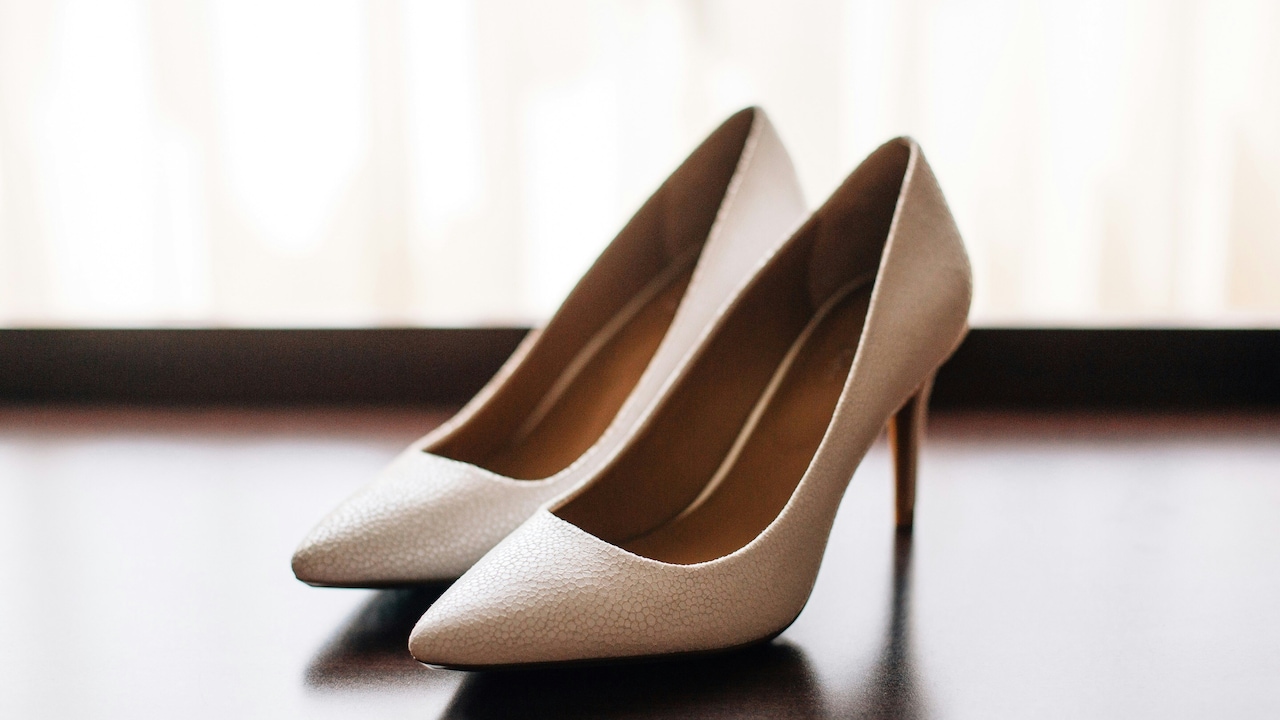
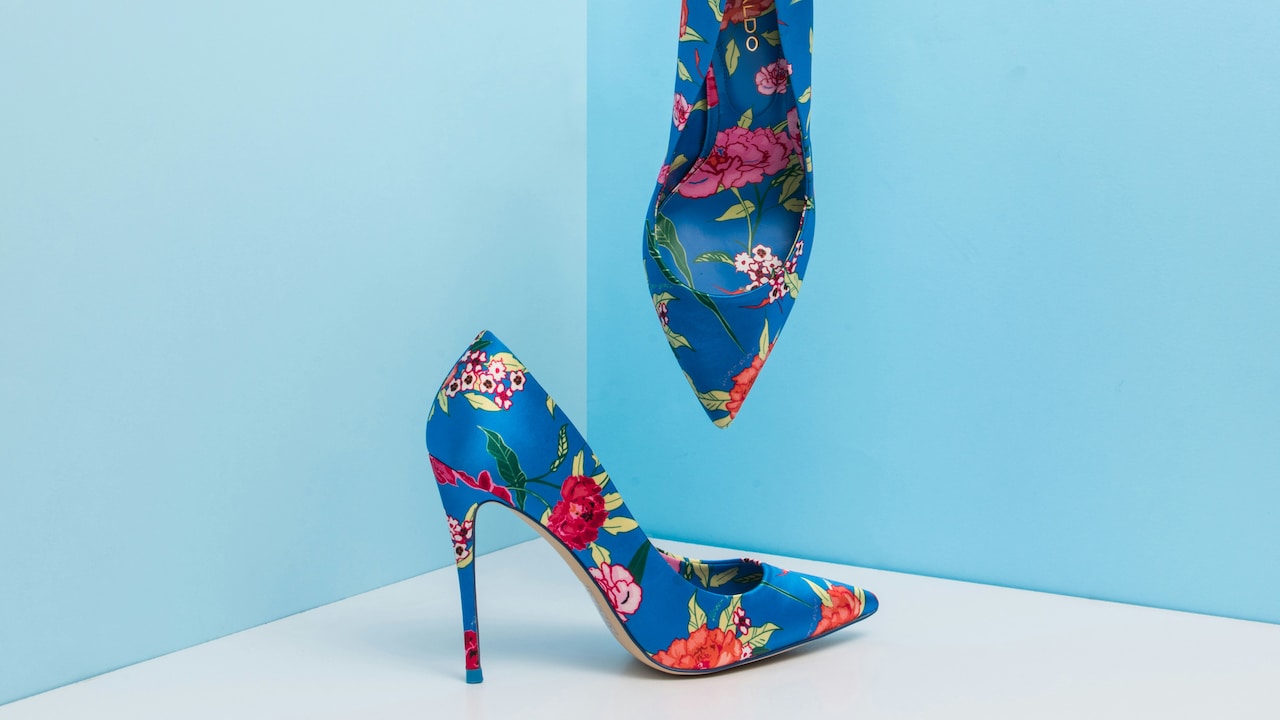
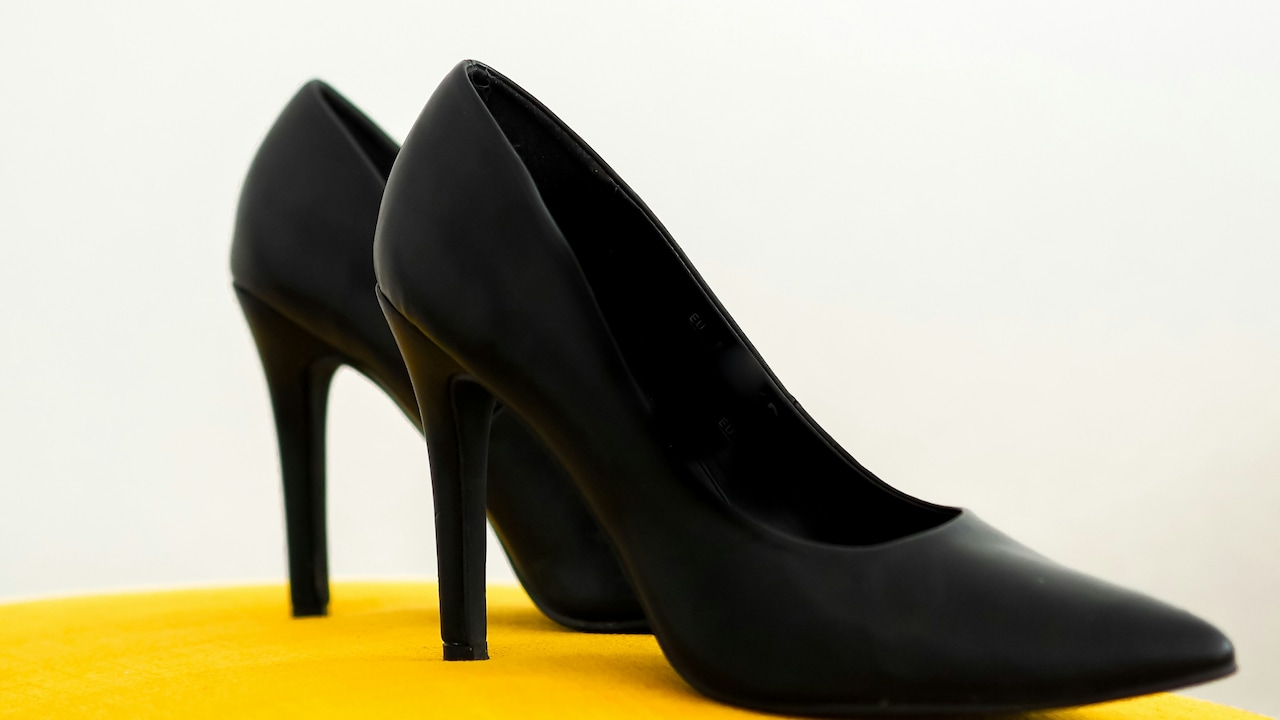
Stilettos often symbolise elegance, but they come with a clear trade-off. Their thin, pointed heel concentrates weight onto a small area, making balance a constant challenge. While they can elevate any outfit instantly, they are not designed for extended wear.
A pair can cost anywhere from ₹2,000 to ₹6,000, depending on craftsmanship and brand. Despite their appeal, they demand careful use. Short events, indoor settings, and occasions with minimal walking suit them best.
The posture required for stilettos places strain on the arch and toes. Over time, this can lead to discomfort or even long-term issues. They work well as statement pieces but rarely as everyday footwear.
That said, stilettos continue to hold a place in fashion. Their sleek design creates a polished look that few other styles can replicate. The key lies in knowing when to wear them, and when to opt for something kinder to the feet.
Heels That Don't Kill Your Feet: What Block', Kitten' And Wedge' Actually Mean
Photo Credit: Pexels
Heel Height Matters More Than Style
Beyond design, heel height plays a crucial role in comfort. A well-constructed 2-inch heel often feels far better than a poorly designed 4-inch one. The angle at which the foot sits determines how pressure distributes across it.
Lower heels keep the foot closer to its natural position. This reduces strain on the arch and prevents excessive pressure on the toes. Even within styles like block or wedge, height variations can change the experience entirely.
Choosing heels between 1.5 and 3 inches often strikes the best balance. They provide elevation without compromising comfort. Prices vary widely, but even budget-friendly options around ₹1,000 can deliver good support if designed well.
Understanding this factor helps avoid impulse purchases driven purely by appearance. A beautiful heel that cannot be worn comfortably rarely leaves the wardrobe. Prioritising height alongside style ensures better value and a more enjoyable experience.
Material Makes Or Breaks Comfort
The material of a heel often determines how it feels after hours of wear. Soft leather, cushioned insoles, and breathable fabrics make a noticeable difference. On the other hand, stiff materials can cause friction and blisters.
Investing in quality materials, even at slightly higher prices like ₹2,000 or more, often pays off. The shoes last longer and feel better with each wear. Synthetic options have improved over time, but not all offer the same comfort.
The inner lining matters just as much as the outer design. Padding around the arch and heel reduces impact, especially during long days. Flexible soles also allow natural movement, preventing stiffness.
Ignoring material often leads to regret. A visually appealing pair can quickly become unwearable if it causes discomfort. Paying attention to texture, flexibility, and cushioning ensures that style does not come at the cost of comfort.
Fit And Foot Shape: The Unsung Heroes
No matter how well-designed a heel is, the wrong fit ruins everything. Foot shape varies widely, and a style that suits one person may not work for another. Narrow, wide, or high-arched feet all require different considerations.
Trying on heels at the end of the day often provides a more accurate fit. Feet tend to swell slightly, and this ensures the shoes remain comfortable throughout wear. Spending ₹1,500 to ₹3,000 on the right fit proves far more worthwhile than saving money on an uncomfortable pair.
Straps, toe shapes, and heel placement all influence how a shoe fits. Open-toe designs offer more flexibility, while closed styles require precise sizing. Ignoring these factors leads to discomfort that no design can fix.
A good fit feels secure without being tight. There should be no pinching or slipping. When this balance is achieved, even slightly higher heels become far more manageable.
When To Choose Which Heel
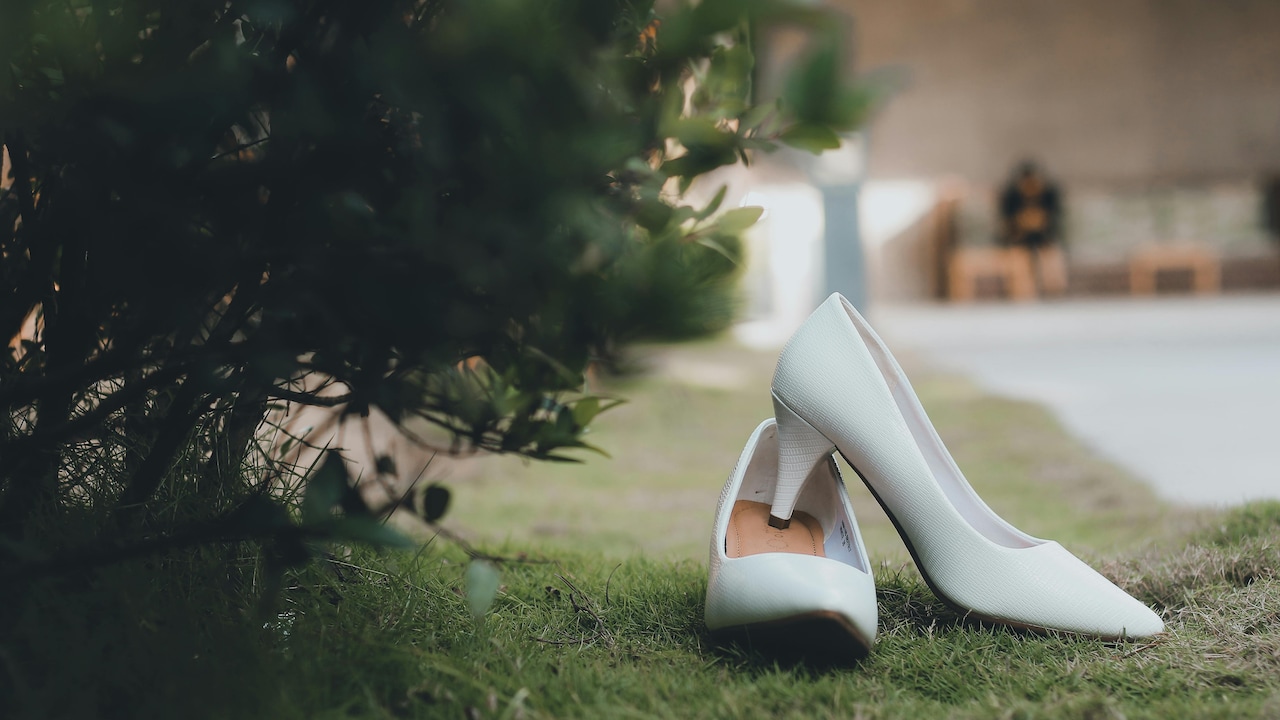
Different occasions call for different heels, and recognising this makes dressing far easier. Block heels work well for daily wear and long hours. Kitten heels suit formal settings where subtle elegance matters. Wedges shine during festive events and outdoor gatherings.
Matching the heel type to the event prevents unnecessary discomfort. Spending ₹2,000 on a versatile pair that fits multiple occasions often proves smarter than owning several impractical ones.
Weather and location also play a role. Rainy days favour stable designs, while indoor events allow for more delicate styles. Considering these factors ensures both comfort and confidence.
Fashion often celebrates bold choices, but practicality quietly shapes better decisions. Choosing the right heel for the moment creates a seamless experience, where style enhances rather than hinders movement.
Best Comfortable Heels Guide: Block vs Kitten vs Wedge | What To Choose
Photo Credit: Pexels
Products Related To This Article
1. Lavie Women Backstrap Pointed Toe Kitten Pumps
2. madam glorious Women Embellished Wedge Heels Sandals With Western - Embellished
3. Roadster The Lifestyle Co. Women Platform Heel Sandal
4. DressBerry PU Kitten Pumps with Buckles
5. Try Me Suede Wedge Sandals
6. Shezone Women Platform Heel Sandals
7. Mochi Textured Round Toe Wedge Heeled Pumps
Heels no longer need to be synonymous with discomfort. Understanding the differences between block, kitten, and wedge styles opens the door to smarter choices. Each design offers its own blend of support, height, and aesthetic appeal.
Comfort in footwear does not mean compromising on style. It simply requires awareness of structure, material, fit, and occasion. A well-chosen pair can carry someone through long days and lively evenings without the usual aches.
Fashion continues to evolve, and so does the demand for practicality. Heels that once prioritised appearance alone now compete on comfort as well. This shift reflects a broader change in how style is perceived, not just as something to admire, but something to live in.
With the right knowledge, selecting heels becomes less about trial and error and more about confidence. The result feels simple yet powerful: stepping out in style, without counting the minutes until the shoes come off.
(Disclaimer: This article may include references to or features of products and services made available through affiliate marketing campaigns. NDTV Convergence Limited (“NDTV”) strives to maintain editorial independence while participating in such campaigns. NDTV does not assume responsibility for the performance or claims of any featured products or services.)