Cotton Vs Silk Kurta: Which Is Better To Stay Comfortable For Long Festive Days
Thinking of choosing between cotton and silk kurta for festive days? Compare comfort, style, and durability to find the perfect fabric for the festive season.
Cotton Vs Silk Kurta: Which Is Better For Long Festive Days
Festive days in India are long, layered, and rarely predictable. You might attend a morning puja, sit through a family lunch, and end the evening at a reception, all in the same outfit. In that kind of marathon, the fabric of your kurta matters far more than its embroidery or cut. Two options dominate every festive wardrobe conversation: cotton and silk. Both have loyal supporters, and both come with genuine trade-offs. Before you reach for either, it helps to understand exactly what each fabric does across a full day of celebrations. Here are a few options from Amazon for you to consider.
What Makes Each Fabric Suited For Festive Wear?
Photo Credit: iStock
Cotton kurtas are known for breathability and ease, while silk kurtas carry a certain richness that feels occasion-appropriate. But which one actually holds up through hours of rituals, meals, photographs, and dancing? The answer depends on the season, the setting, and how much you're willing to sacrifice comfort for appearance, or the other way around.
What Makes Each Fabric Suited For Festive Wear?
1. The Case For Cotton Kurtas
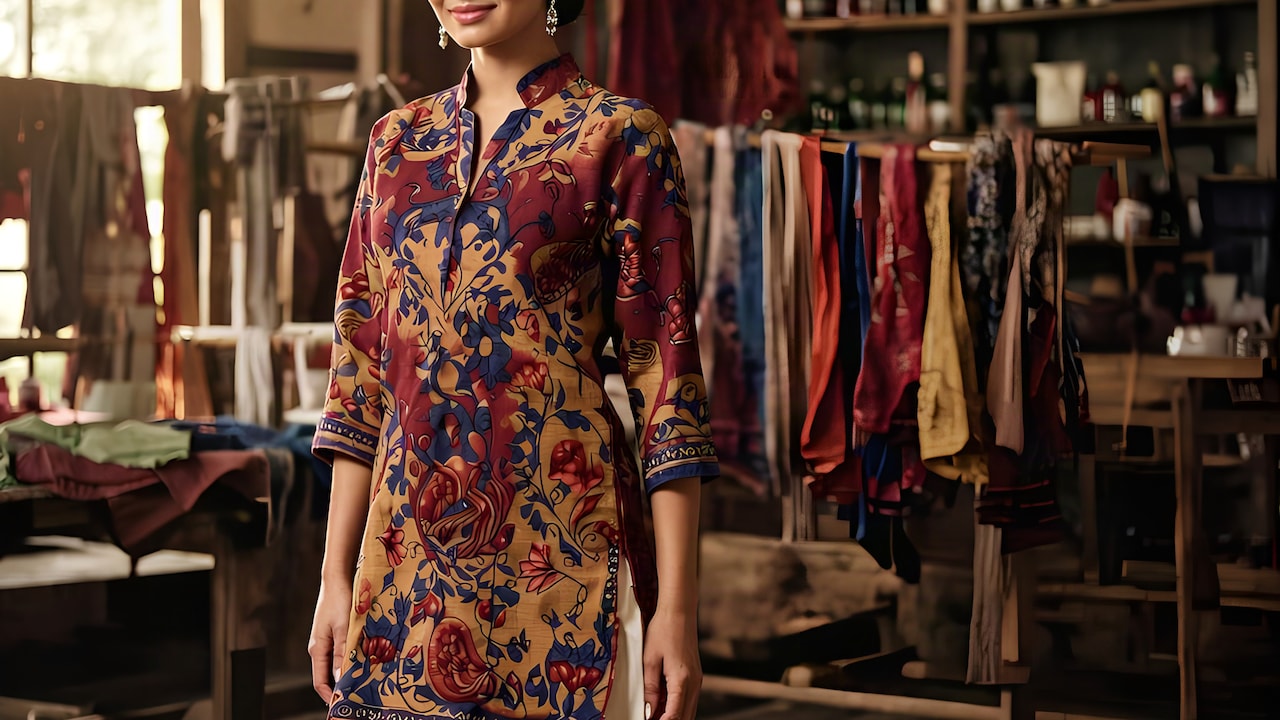
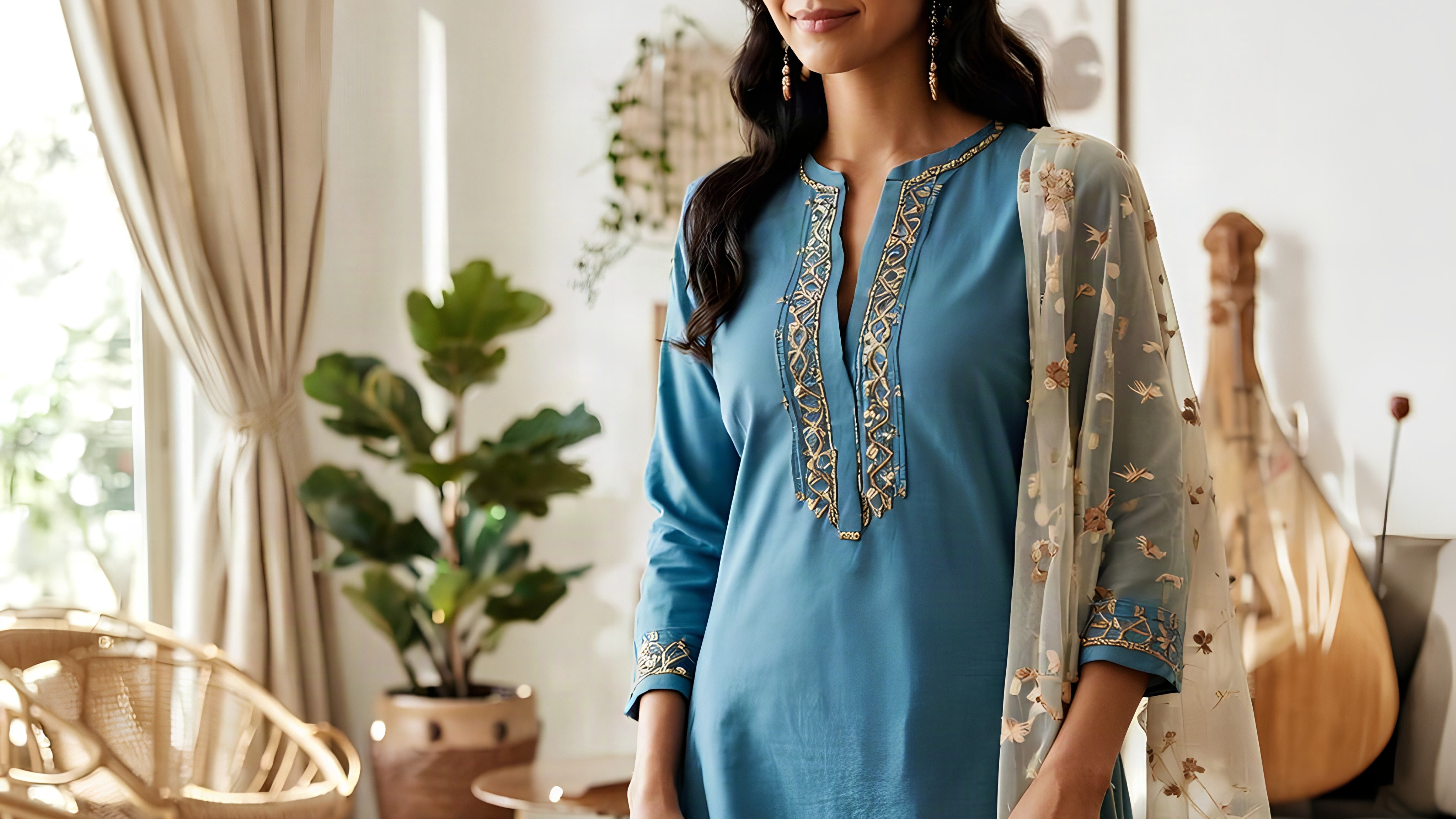
Cotton has earned its reputation as the most practical everyday fabric, and that practicality doesn't disappear when you dress it up. Festive-grade cotton — chanderi, mul cotton, or cotton-silk blends, sits quite differently from basic daily wear. These variants hold printed or block-work detailing well, drape neatly across the body, and rarely crease beyond recovery. For morning or afternoon events, especially in warmer months, a well-chosen cotton kurta keeps you comfortable without making you look underdressed. The fabric breathes consistently, which matters enormously when you're moving between outdoor spaces and air-conditioned halls.
2. The Case For Silk Kurtas
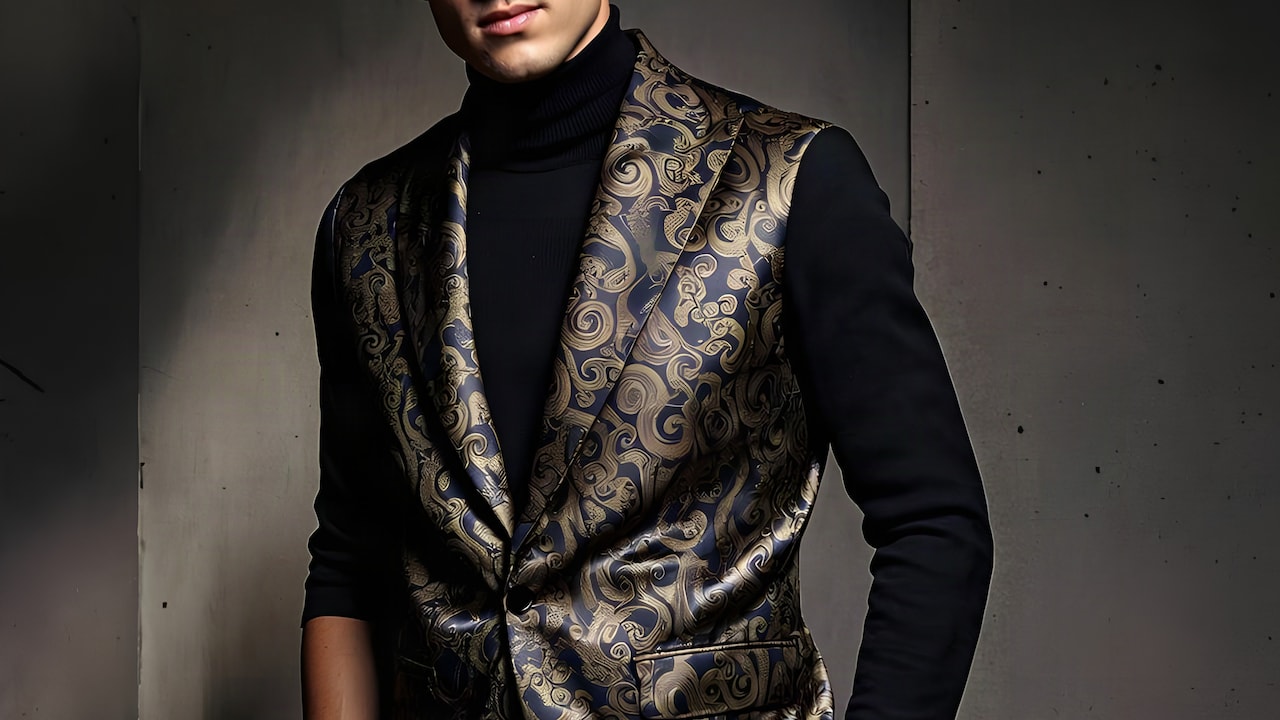
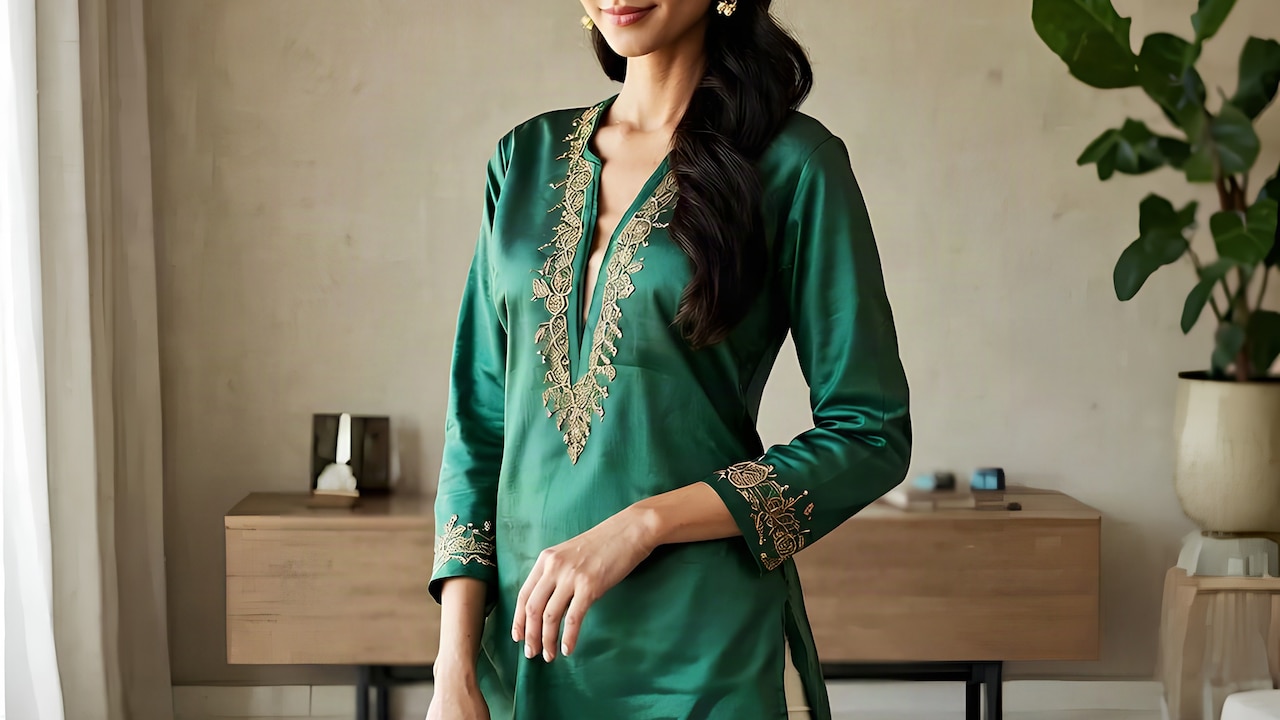
Silk, by contrast, brings an immediate visual weight that cotton simply cannot replicate. Banarasi, Kanjeevaram-inspired silk kurtas, and raw silk options carry a lustre that reads well in photographs and holds up under decorative lighting at evening events. The fabric has natural temperature-regulating properties, though it performs best in cooler months. For winters and late-autumn celebrations, silk retains warmth subtly, without the bulk of a shawl. If the event is formal — a wedding reception, an engagement ceremony, or a religious gathering with traditional dress codes — silk signals the right level of formality without any additional effort.
How Does Each Fabric Perform Across A Full Festive Day?
1. Comfort and Breathability Through Long Hours
This category is where cotton pulls ahead with little debate. Festive days routinely stretch eight to twelve hours, often across multiple settings. Cotton absorbs moisture, allows air circulation, and does not cling to the skin as temperatures shift. Silk, particularly heavier variants, can feel restrictive in humid conditions. Lighter silk options hold up reasonably, but on a summer festival day, cotton is the more forgiving choice. If you tend to feel warm quickly or know the venue will be crowded, cotton is simply the smarter pick.
2. Appearance And Visual Impact Over Time
Silk holds its visual appeal longer throughout the day with minimal intervention. The fabric does not wrinkle in the same way cotton does after hours of sitting, and its natural sheen remains intact even by the evening. Cotton, particularly lighter weights, can show creasing around the waist and arms after prolonged wear. That said, structured cotton kurtas with stiffer weaves — like chanderi — retain their shape better than softer varieties. If appearance is the priority and you expect to be in photographs throughout the day, silk offers more consistent results.
Also Read: Ganesh Chaturthi 2026: Top 5 Kurtis That You Can Grab Under ₹1000
Which Fabric Works Best For Different Seasons?
1. Festive Dressing In Summer And Monsoon Months
Summer festivals — Navratri, Eid, Onam, and Teej — often fall during months when heat and humidity are already difficult to manage. In these conditions, cotton kurtas are the practical and sensible choice. Lightweight mul cotton or chanderi keeps the body cool, dries quickly if you perspire, and stays comfortable even after several hours. Silk in peak summer can feel heavy and slightly uncomfortable by midday. If you're celebrating outdoors or in venues without strong air conditioning, cotton is not just a preference — it's the wiser option.
2. Festive Dressing In Winter And Cooler Months
Diwali, wedding season, and winter festivals shift the equation considerably. When temperatures drop, silk kurtas come into their own. The fabric provides just enough warmth to make layering optional, which is particularly useful when you want to maintain a clean, uncluttered silhouette. Heavy silk kurtas pair naturally with stoles or light dupattas rather than bulky outerwear. Cotton in winter can feel thin and slightly inadequate unless layered heavily, which often takes away from the festive look. For October through February celebrations, silk is the more appropriate and comfortable choice.
Care, Practicality, And Long-Term Value
1. How Easy Are They To Maintain?
Cotton kurtas are significantly easier to care for. Most can be machine-washed, dried without fuss, and ironed quickly. This matters if you wear festive kurtas regularly through a celebration season that spans weeks. Silk demands more attention — hand-washing or dry-cleaning, careful storage away from direct sunlight, and gentle ironing at low heat. For someone building a versatile festive wardrobe on a practical budget, cotton offers far better value per wear. Silk pieces reserved for the most formal occasions, if you own two or three, last longer simply because they're handled less often.
2. Which Gives Better Value Over Multiple Festive Seasons?
Both fabrics, when purchased at a reasonable quality level, last multiple years with proper care. Cotton is far more forgiving of repeated wear and washing, which means it stays in rotation longer without showing obvious signs of age. Silk can fade, snag, or develop pulling along seams if worn frequently and carelessly stored. For investment pieces — silk kurtas with handwoven textures — the cost per wear is justified if the occasions warrant it. For everyday festive dressing across a long season, cotton has been more cost-effective and durable option.
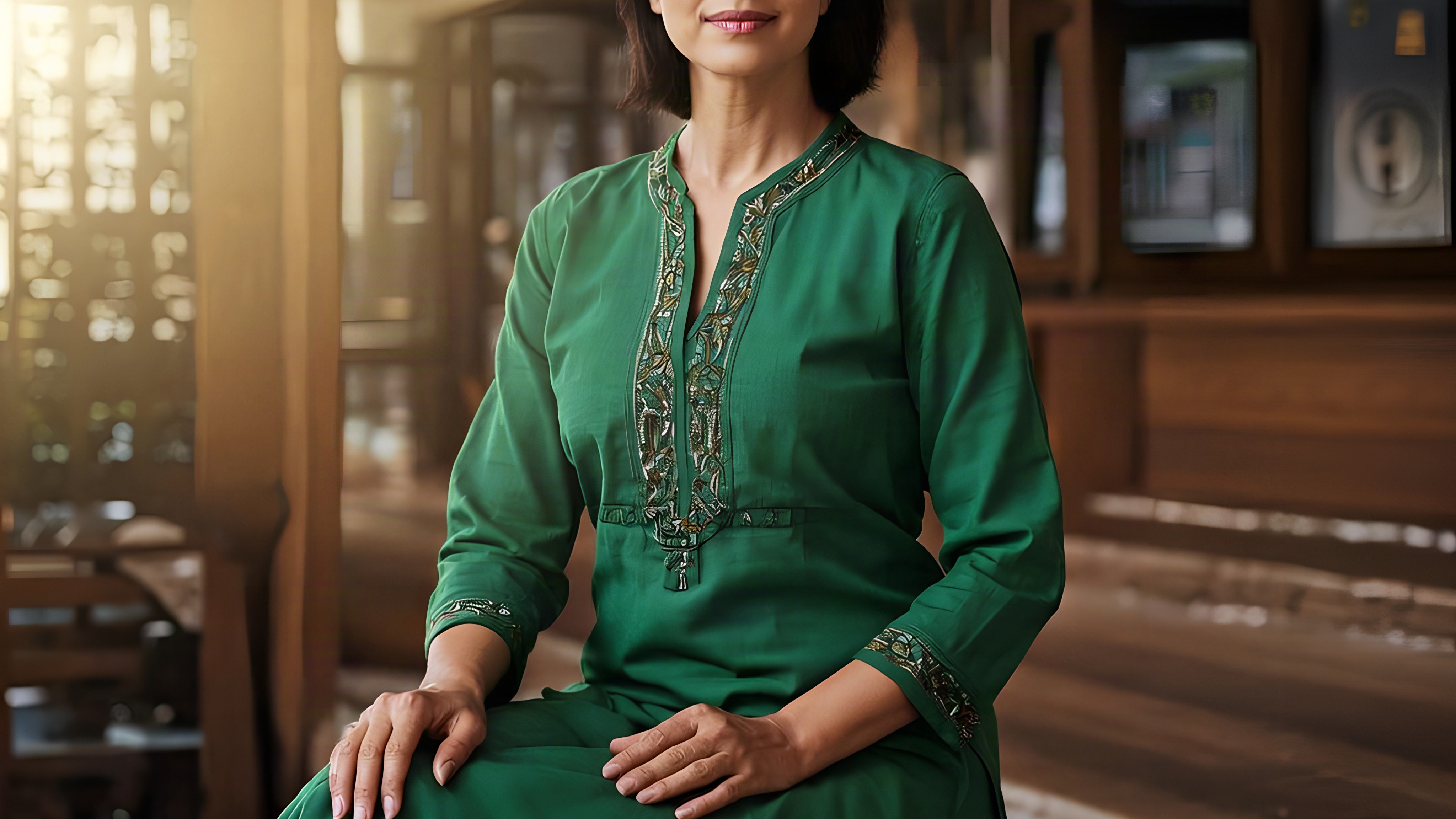
Some Kurta Options You May Like
Photo Credit: iStock
Some Kurta Options You May Like
1. SARDI Overseas House Women's Cotton Floral Printed Straight Kurti
2. Amazon Brand - Tavasya Womens Floral Printed Pure Cotton Kurta
3. Amazon Brand – Myx Women's Cotton Regular Fit Kurta
4. Seva Chikan Cotton Chikankari Kurta for Women
5. KYH Women's Pure Silk Straight Kurta
6. PAMPA CRAFT Women's Viscose Silk Heavy Embroidered Straight Kurta
7. Monjolika Fashion Women's Chanderi Silk Embroidered Work Kurta
8. Klosia Women's Embroidery Solid Straight Kurta
To wrap up, both cotton and silk kurtas have their own advantages, and the right choice depends on the type of celebration you are attending. Cotton kurtas are a practical option for long festive days thanks to their lightweight feel, breathability, and all-day comfort. Silk kurtas, on the other hand, bring a rich and elegant appearance that perfectly matches grand festive and traditional occasions. If comfort is your top priority, cotton is hard to beat, while silk is ideal when you want a more refined and festive look. By considering the weather, event, and duration of wear, you can pick a kurta fabric that helps you stay comfortable, confident, and celebration-ready throughout the day.
Frequently Asked Questions (FAQs)
1. Which is better for a full-day festive event — cotton or silk?
Cotton is generally more comfortable for all-day wear, particularly in warm or humid conditions. It breathes better, absorbs moisture, and holds up through long hours without causing discomfort.
2. Can a silk kurta be worn in summer?
Lighter silk varieties can work in mild summer conditions, but heavyweight silk tends to feel restrictive in heat and humidity. Cotton or cotton-silk blends are more practical for summer festivals.
3. Are cotton kurtas appropriate for formal festive occasions?
Yes, festive-grade cotton, such as chanderi or mul cotton, with embroidery or block-print detailing, is entirely appropriate for formal occasions. The finish and design of the kurta matter more than the fabric alone.
4. How should I store silk kurtas between festive seasons?
Silk kurtas should be stored in muslin or cotton cloth bags, away from direct sunlight. Avoid plastic storage, as it can trap moisture and cause fabric damage over time.
5. Which fabric photographs better at festive events?
Silk kurtas tend to photograph better due to their natural sheen and the way they hold their shape. Cotton kurtas can show creasing under harsh lighting, though structured weaves like chanderi perform noticeably better.
(Disclaimer: This article may include references to or features of products and services made available through affiliate marketing campaigns. NDTV Convergence Limited (“NDTV”) strives to maintain editorial independence while participating in such campaigns. NDTV does not assume responsibility for the performance or claims of any featured products or services.)