Chambray Shirts vs Denim Shirts: Which One Actually Feels Lighter?
Chambray and denim may look alike, but they feel very different. This guide breaks down which fabric is truly lighter, more breathable, and better suited for everyday comfort.
Chambray Shirts vs Denim Shirts: Which One Actually Feels Lighter?
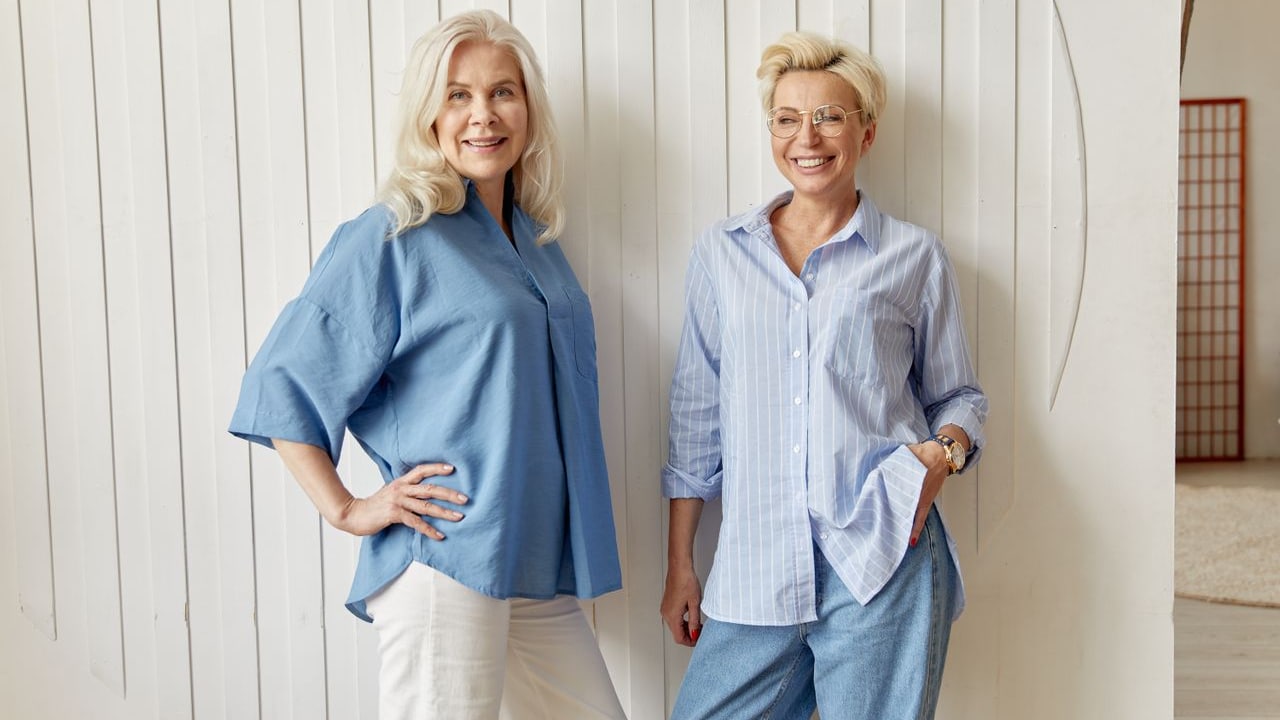
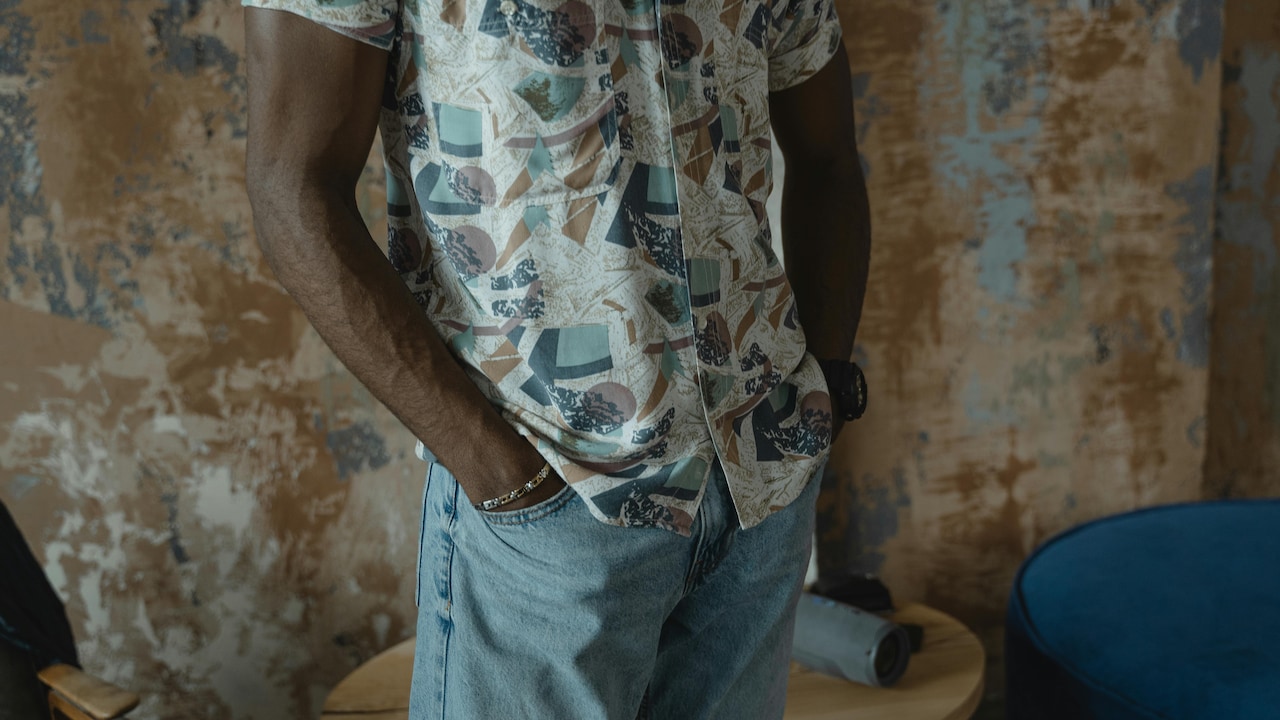
There's something quietly reassuring about a good blue shirt. It fits into almost every wardrobe without much thought, pairs well with nearly everything, and somehow manages to feel both relaxed and polished. Yet, not all blue shirts are built the same. Chambray and denim often sit side by side in shops, looking deceptively similar, but wearing them tells a very different story.
The confusion is understandable. Both fabrics share a similar visual texture, a slightly rugged charm, and that unmistakable blue hue that seems to get better with time. However, anyone who has spent a long day navigating crowded streets, humid weather, or even a packed local train knows that fabric weight can make or break comfort.
So, which one actually feels lighter? The answer goes beyond simple weight. It involves weaving techniques, fabric structure, breathability, and even how the cloth behaves after repeated washes. This article unpacks ten key aspects that influence how chambray and denim shirts feel in real life, helping make sense of what works best for everyday wear.

Chambray Shirts vs Denim Shirts: Which One Actually Feels Lighter?
Photo Credit: Pexels
Key Differences That Define How Chambray And Denim Feel
The Weave Makes All The Difference
At first glance, chambray and denim appear almost identical. Both use dyed and undyed threads to create that familiar blue-and-white texture. However, the way these threads interlace changes everything. Chambray uses a plain weave, which means threads cross over and under each other evenly. This creates a smooth, flat surface that feels light and airy against the skin.
Denim, on the other hand, relies on a twill weave. This produces diagonal lines across the fabric, giving it a thicker and more textured feel. While this structure adds durability, it also traps more heat and makes the fabric heavier.
Think of it like comparing a thin cotton bedsheet to a sturdy canvas bag. Both are useful, but they serve very different purposes. Chambray allows more airflow, making it ideal for long, humid days when comfort matters most. Denim, with its tighter weave, leans more towards resilience than breathability.
Weight On Paper vs Weight On Skin
Fabric weight often gets measured in ounces per square yard, but numbers don't always tell the full story. Chambray typically falls between 3 and 5 oz, making it noticeably lighter. Denim shirts, even the softer varieties, usually start at 6 oz and can go much higher.
However, the real test happens when the shirt meets skin. Chambray drapes easily and doesn't cling, which creates a sensation of lightness even after hours of wear. Denim, by contrast, can feel structured and slightly stiff, especially when new.
Picture stepping out on a warm afternoon wearing each fabric. Chambray barely registers, almost like wearing air. Denim, while not unbearable, feels more present, like a constant reminder of its weight.
This difference becomes even more noticeable during movement. Walking, commuting, or simply sitting through a long day, chambray adapts effortlessly, while denim maintains its rigid personality.
Breathability And Everyday Comfort
Breathability plays a huge role in how light a shirt feels. Chambray excels here. Its plain weave allows air to circulate freely, which helps regulate body temperature. Even during peak summer afternoons, it remains relatively comfortable.
Denim, due to its tighter weave, holds onto heat. While it protects against cooler breezes, it can feel stifling when temperatures rise. This makes denim shirts more suitable for evenings or air-conditioned environments.
Consider a typical day involving outdoor errands, traffic, and sudden bursts of heat. Chambray manages sweat better and dries faster, preventing that sticky discomfort. Denim, in comparison, tends to absorb moisture and hold onto it longer.
The result is clear. Chambray feels lighter not just because of its weight, but because it keeps the body cooler and fresher throughout the day.
Softness Over Time
Chambray starts off soft and becomes even more comfortable with each wash. Its fibres relax quickly, giving it a lived-in feel almost immediately. This contributes to its lightweight sensation, as the fabric moulds easily to the body.
Denim, however, follows a slower journey. New denim shirts often feel stiff and require several washes before they soften. Even then, they retain a certain thickness that chambray simply doesn't have.
There's a charm to breaking in denim, much like a good pair of jeans. Yet, when it comes to feeling light, chambray wins from the very beginning. It doesn't demand patience or effort; it delivers comfort straight away.
Style Illusion vs Actual Feel
Visually, both fabrics can look equally light or heavy depending on colour and finish. A faded denim shirt might appear airy, while a darker chambray piece can seem denser. However, appearances can be misleading.
Chambray consistently feels lighter regardless of its shade. Denim, even when treated to look softer, retains its inherent density. This creates an interesting contrast where the eye might expect one thing, but the body experiences another.
It's a bit like ordering a dish that looks light but turns out surprisingly filling. Chambray aligns visual expectation with physical experience, while denim often tricks the senses.
Climate Compatibility
Warm climates demand fabrics that breathe and move easily. Chambray fits perfectly into this setting. It handles heat, humidity, and long hours outdoors without much fuss.
Denim, while versatile, leans towards cooler weather. It provides structure and durability, which can feel comforting during breezy evenings or mild winters. However, in intense heat, it can quickly become uncomfortable.
Imagine a weekend outing under a bright sun, followed by a crowded evening market visit. Chambray remains comfortable throughout, while denim might start to feel heavy and restrictive as the day progresses.
Chambray Shirts vs Denim Shirts: Which One Actually Feels Lighter?
Photo Credit: Pexels
Maintenance And Wearability
Chambray shirts are relatively easy to maintain. They wash well, dry quickly, and rarely feel cumbersome after cleaning. Their lightweight nature makes them ideal for frequent use.
Denim shirts require a bit more care. They can take longer to dry and may feel heavier when wet. Over time, they develop character, but the process demands patience.
For those managing busy schedules, chambray offers convenience. It slips into daily routines without adding extra effort, reinforcing its reputation as the lighter, more practical choice.
Movement And Flexibility
Freedom of movement often defines how light a garment feels. Chambray allows easy bending, stretching, and reaching without resistance. It flows naturally with the body.
Denim, due to its structure, can feel restrictive during certain movements. While modern blends have improved flexibility, traditional denim still carries a sense of stiffness.
Whether navigating crowded spaces or simply lounging at home, chambray provides a level of ease that denim struggles to match. This flexibility enhances the perception of lightness.
Versatility In Daily Life
Chambray adapts effortlessly to various settings. It works well for casual outings, office wear, and even semi-formal occasions. Its lightness makes it suitable for layering without adding bulk.
Denim leans more towards casual styling. While it can be dressed up, it often retains a rugged edge that doesn't always suit every setting.
For everyday wear that transitions smoothly from morning errands to evening gatherings, chambray stands out. Its lightweight feel complements its versatile nature, making it a reliable choice.
Price And Perceived Value
Chambray shirts often come at a reasonable price, typically ranging from ₹1,200 to ₹3,000, depending on the brand. Denim shirts can cost slightly more, especially premium varieties, ranging from ₹2,000 to ₹5,000 or higher.
Interestingly, heavier fabrics sometimes create an illusion of better value. Denim's thickness might feel more substantial, but that doesn't necessarily translate to comfort.
Chambray offers a balance of affordability and wearability. Its lightweight nature ensures frequent use, which often justifies its cost more effectively than heavier alternatives.
Emotional Comfort And Everyday Feel
Clothing isn't just about function; it's also about how it feels emotionally. Chambray carries a relaxed, easygoing vibe. It feels approachable, almost like a familiar companion.
Denim, while stylish, can feel more structured and deliberate. It demands a bit more attention, both in styling and comfort.
On days that call for simplicity and ease, chambray fits effortlessly into the mood. It doesn't overwhelm or demand adjustments, reinforcing its reputation as the lighter, more comfortable option.

Chambray Shirts vs Denim Shirts: Which One Actually Feels Lighter?
Photo Credit: Pexels
Products Related To This Article
1. Carbonn Cloth Men Regular Fit Washed Cut Away Collar Casual Shirt
2. Clubble Men Regular Fit Solid Spread Collar Casual Shirt
3. Carbonn Cloth Men Regular Fit Washed Cut Away Collar Casual Shirt
4. D Finish Men Slim Fit Solid Spread Collar Formal Shirt
5. Denimod Men Regular Fit Solid Casual Shirt
Chambray and denim may look alike, but their personalities couldn't be more different. Chambray wins the race when it comes to feeling lighter, thanks to its plain weave, breathable structure, and effortless softness. It adapts to daily life with ease, offering comfort without compromise.
Denim, while durable and stylish, leans towards a heavier, more structured experience. It shines in cooler settings and adds a rugged charm, but it doesn't quite match chambray's lightness.
Choosing between the two ultimately depends on lifestyle and preference. For those seeking ease, breathability, and everyday comfort, chambray proves to be the clear winner. For those who value structure and durability, denim still holds its ground.
Yet, when the question is simple, “Which one actually feels lighter?”, the answer is unmistakable. Chambray doesn't just look light; it truly feels it.
(Disclaimer: This article may include references to or features of products and services made available through affiliate marketing campaigns. NDTV Convergence Limited (“NDTV”) strives to maintain editorial independence while participating in such campaigns. NDTV does not assume responsibility for the performance or claims of any featured products or services.)