Cargo Pants Making You Look Bulkier? Pocket Placement Matters More Than You Think
Cargo pants aren’t the problem; poor pocket placement is. The right design can slim your look, while the wrong one adds bulk instantly. Here’s how to choose smarter and wear them better.
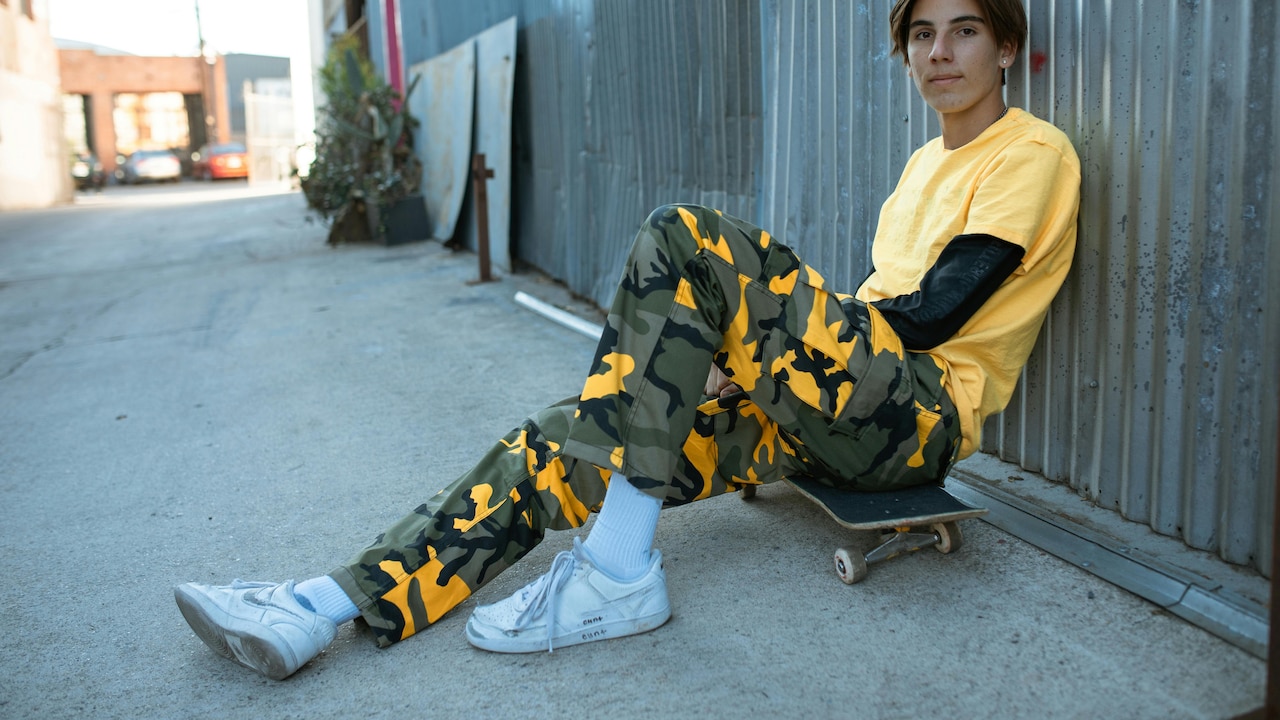
Easy styling tips to make cargo pants look flattering
Cargo pants have lived many lives. From military roots to streetwear staples, they have travelled across decades and wardrobes with ease. Yet, despite their versatility, one complaint refuses to fade: they make the wearer look bulkier than expected.
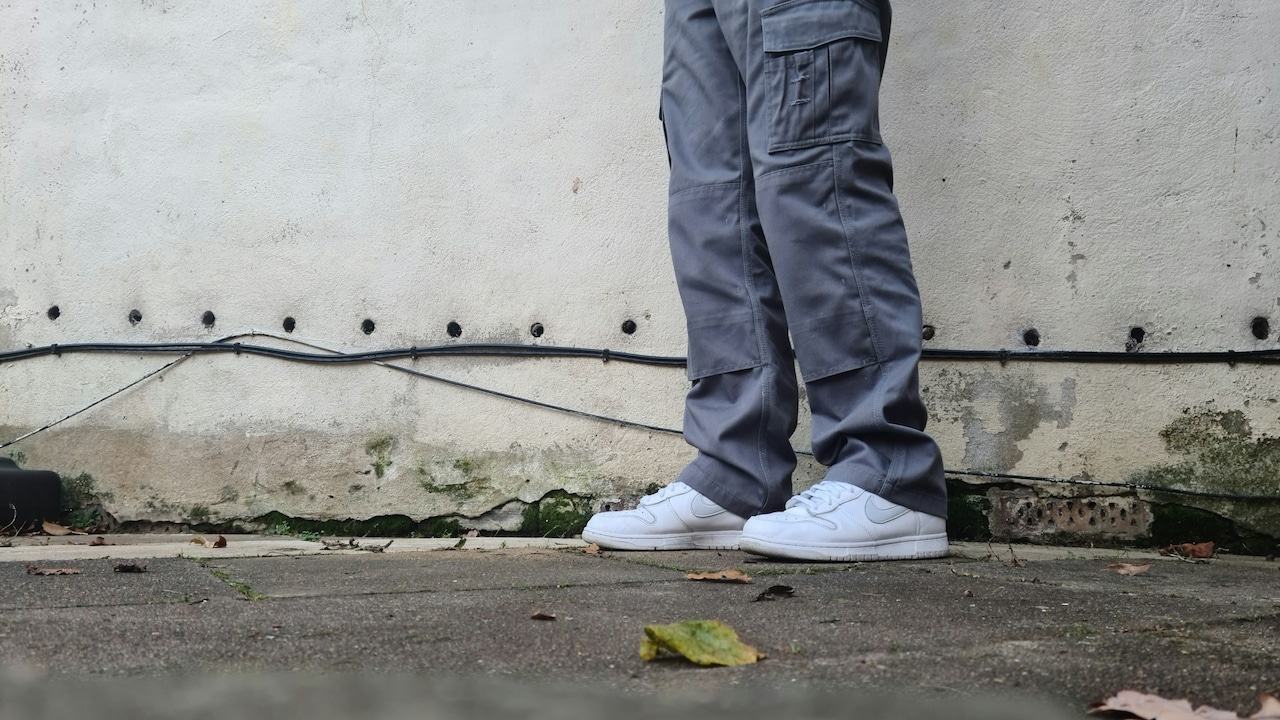
How to style cargo pants so they don't look bulky; Photo Credit: Unsplash
That concern often sends people running back to jeans or chinos, leaving cargo pants hanging untouched. But here lies a quiet truth: bulkiness is not built into cargo pants. It is designed into them.
Pocket placement, size, and structure carry more influence than most realise. A pair that looks sharp on one person may appear oversized on another, even if both share similar builds. The difference often lies in subtle design choices.
Understanding these nuances does not require a fashion degree. It simply calls for a closer look at how clothes interact with body proportions. Once that connection becomes clear, cargo pants stop being tricky and start becoming one of the most adaptable pieces in a wardrobe.
Also Read: Top 10 Men's Cargos: Winning Styles You Must Have In Your Wardrobe
The Science Behind Cargo Pants And Visual Bulk
The Illusion Of Width: Why Pockets Change Everything
Cargo pants create visual stories through structure. Large pockets positioned at the widest part of the thigh can exaggerate that width. The human eye naturally notices protrusions first, and bulky pockets act like visual markers that expand perceived size.
This effect becomes stronger when the fabric is stiff or heavily stitched. A flat pocket blends into the garment, but a structured one stands out, almost like an extension of the body. That extension adds dimension, and not always in a flattering way.
Interestingly, the issue is not the number of pockets but their prominence. Two well-placed pockets can look sleek, while a single oversized one can throw off the entire silhouette. The placement determines whether the trousers follow the body's natural line or interrupt it.
Choosing designs where pockets sit slightly higher or closer to the side seam often helps maintain balance. These placements guide the eye vertically rather than horizontally, creating a leaner appearance without sacrificing the cargo aesthetic.
Mid-Thigh Pockets: The Most Common Mistake
Many cargo pants feature pockets placed directly at the mid-thigh level. While this placement feels practical, it tends to be the least forgiving visually. Mid-thigh is often the widest part of the leg, so adding volume here amplifies bulk instantly.
When pockets sit in this zone, they draw attention away from the overall silhouette and focus it on a single area. Even a slim individual can appear broader simply because the eye stops at that point. It disrupts the natural flow from waist to ankle.
A better approach involves shifting pockets slightly upward or downward. Higher pockets align closer to the hip, blending with the body's natural structure. Lower pockets, when kept minimal, avoid adding width where it matters most.
Brands have started experimenting with these placements, but many still stick to traditional designs. Trying on different styles reveals how dramatically this small adjustment changes the look. A mirror often tells the story faster than any size label.
Slim Vs Bulky Pockets: Structure Matters More Than Size
It is easy to assume that smaller pockets solve the problem. However, size alone does not determine how bulky cargo pants appear. Structure plays a bigger role than most expect.
Bulky pockets often feature thick flaps, multiple layers, or rigid stitching. These elements prevent the fabric from sitting flat. Instead, they create a three-dimensional shape that adds volume even when empty.
Slim pockets, on the other hand, lie closer to the leg. They use softer fabric and minimal layering, allowing them to blend into the trousers. This creates a cleaner, sharper silhouette without removing functionality.
The difference becomes clear when walking or sitting. Structured pockets maintain their shape and stick out, while softer ones move naturally with the body. This movement reduces visual heaviness and keeps the overall look balanced.
Choosing cargo pants with streamlined pocket construction can make them feel lighter and appear more refined, even if the overall design remains rugged.
Fabric Choice: The Silent Influencer Of Bulk
Fabric often escapes attention when discussing cargo pants, yet it quietly shapes how pockets behave. Heavy materials like thick cotton or canvas hold structure firmly, making pockets appear more prominent.
Lighter fabrics, such as twill blends, drape better. They allow pockets to sit closer to the leg, reducing visual bulk. This difference becomes especially noticeable in warmer climates where breathable materials are preferred.
Stiff fabric combined with large pockets creates a double effect. The pocket not only exists but also refuses to settle, constantly projecting outward. Softer fabric reduces this projection, making even larger pockets look less intrusive.
Texture also plays a role. Smooth fabrics reflect light evenly, while rough textures create shadows that emphasise depth. Those shadows can make pockets appear deeper and more pronounced.
Understanding fabric helps in making smarter choices. A well-designed pair in the right material can offer both comfort and style without the unwanted bulk.
Pocket Angles: A Detail That Changes The Game
Straight pockets are the most common design choice, but angled pockets often create a more flattering effect. Angles guide the eye along the body's natural lines rather than cutting across them.
When pockets tilt slightly forward or backward, they create movement within the design. This movement softens the visual impact and reduces the sense of heaviness. Straight pockets, by contrast, can appear rigid and block-like.
Angled pockets also work well with slimmer fits. They complement the taper of the leg, creating a cohesive look from waist to ankle. This subtle alignment enhances the overall silhouette without drawing attention to the pockets themselves.
Designers often use angles in formal wear to create sharp lines. Applying the same concept to cargo pants brings a refined touch to an otherwise casual garment. It proves that small details can carry significant impact.
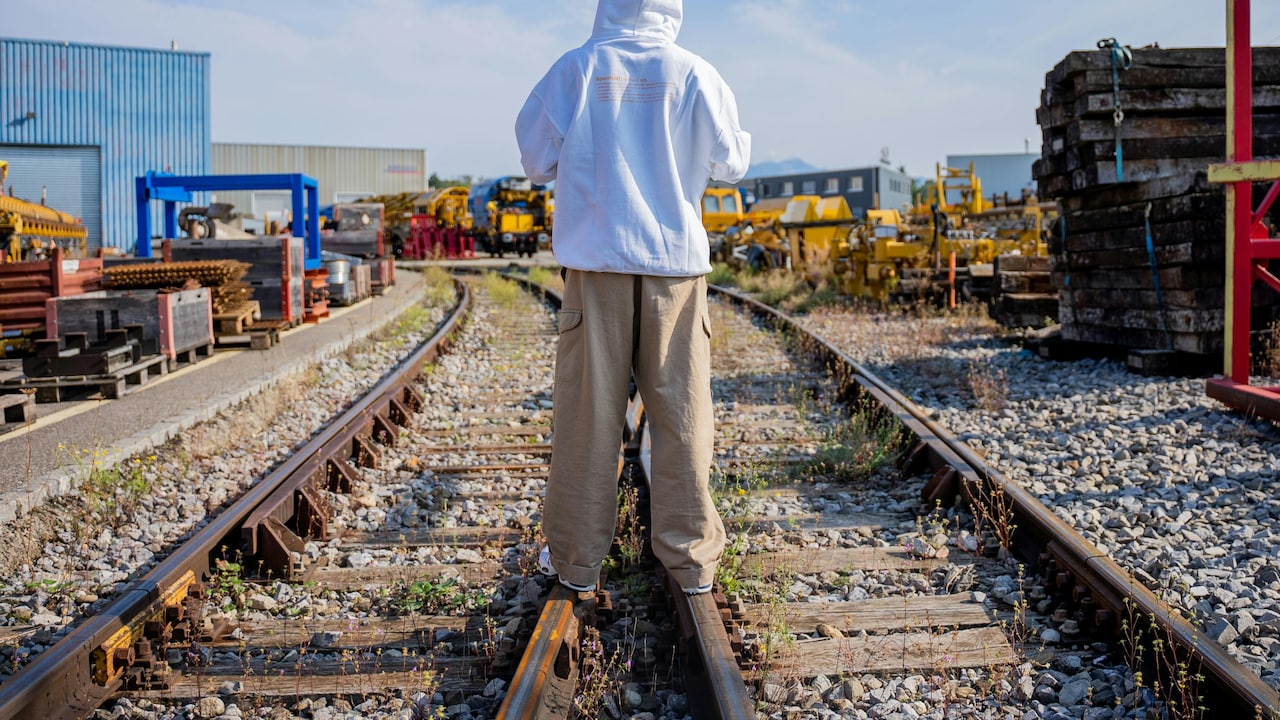
Consider the pocket alignment when choosing a cargo pant for men; Photo Credit: Pexels
The Role Of Fit: Loose Does Not Always Mean Bulky
Cargo pants often come with a reputation for being loose and oversized. While this style suits certain looks, it can easily tip into bulkiness if not balanced properly.
A well-fitted pair does not cling but follows the body's shape. It leaves enough room for comfort without creating excess fabric around the thighs. This balance prevents pockets from appearing exaggerated.
Oversized fits, especially when combined with large pockets, amplify volume. The fabric already adds width, and the pockets push it further. This combination can overwhelm the frame, particularly for those with a lean build.
Tapered fits offer a middle ground. They maintain comfort at the top while narrowing slightly towards the ankle. This shape keeps the overall look structured and prevents the pants from appearing too heavy.
Fit and pocket placement work together. Even perfectly placed pockets can look bulky if the fit is off, while a good fit can soften less ideal designs.
Colour And Contrast: Visual Tricks That Influence Perception
Colour plays a subtle but powerful role in how cargo pants appear. Dark shades tend to minimise bulk, while lighter colours can highlight every detail, including pockets.
Contrast adds another layer. Pockets in a different shade or with visible stitching stand out more. This attention can make them appear larger than they are. Matching pocket colour with the rest of the pants creates a seamless look that reduces visual clutter.
Patterns also affect perception. Camouflage prints, for example, break up the outline of pockets, making them less noticeable. Solid colours, especially light ones, do the opposite by emphasising structure.
Choosing the right colour depends on the desired look. For a cleaner appearance, darker tones and minimal contrast work best. For a bold style, contrast can add character, though it may increase perceived bulk.
Understanding these visual tricks allows for smarter styling choices without changing the garment itself.
Styling Choices: What Goes Above Matters Too
Cargo pants rarely exist in isolation. The way they are styled with tops and footwear influences how bulky they appear.
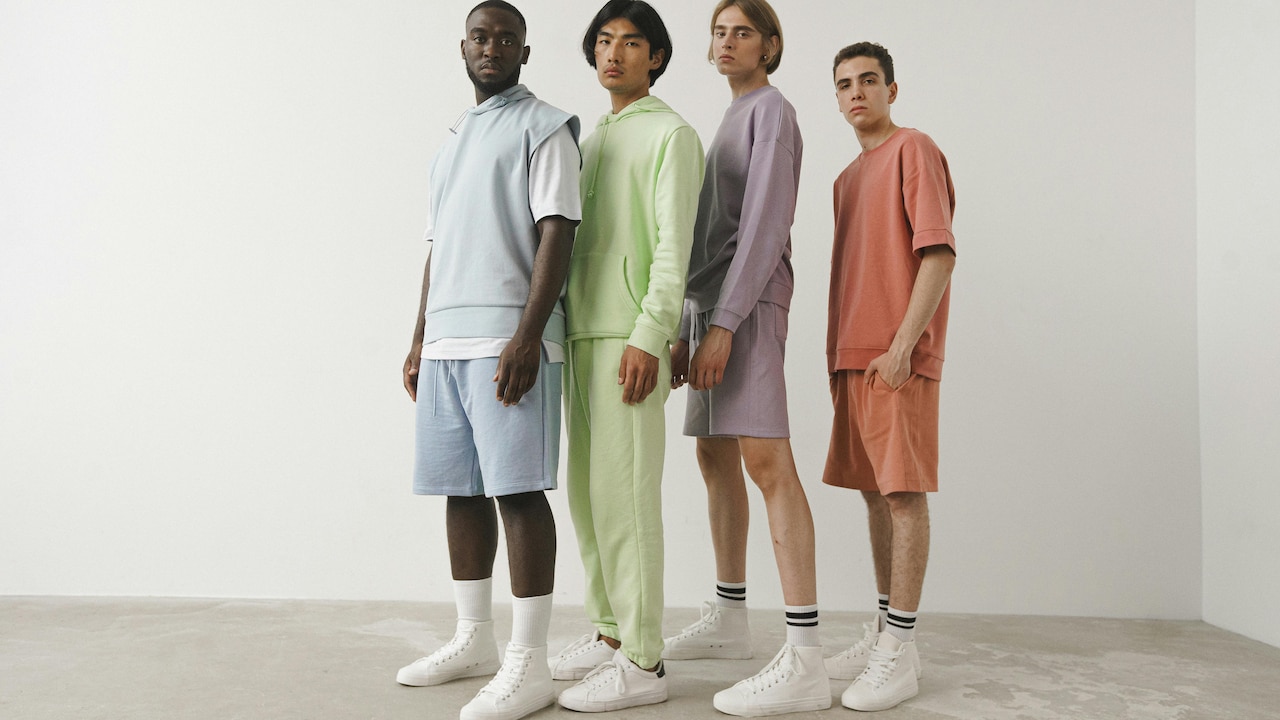
A well-fitted shirt or t-shirt balances the volume of cargo pants. Oversized tops combined with bulky pants can create an overall heavy look. Keeping at least one element structured helps maintain proportion.
Layering adds another dimension. Lightweight jackets or shirts worn open can create vertical lines that offset the width of the pants. These lines guide the eye up and down, reducing focus on the pockets.
Footwear also contributes. Sleeker shoes create contrast against the pants, preventing the outfit from feeling too heavy. Chunky footwear, while trendy, can sometimes exaggerate the bulkiness of cargo pants.
Styling acts as a finishing touch. Even a slightly bulky pair can look balanced when paired thoughtfully with the right elements.
Function Vs Fashion: Finding The Sweet Spot
Cargo pants were originally designed for utility. Large pockets served a purpose, allowing easy access to essentials. Modern versions often blend this functionality with style.
Striking the right balance between function and fashion requires compromise. Oversized pockets may offer convenience but can affect appearance. Smaller, well-placed pockets maintain utility without overwhelming the design.
Urban lifestyles rarely demand carrying multiple items in trouser pockets. Bags and backpacks have taken over that role. This shift allows cargo pants to evolve into more style-focused pieces.
Choosing designs that prioritise both practicality and aesthetics ensures versatility. A pair that looks good and functions well becomes a reliable wardrobe staple rather than a one-time experiment.
Understanding this balance helps in selecting cargo pants that fit modern needs without sacrificing comfort or style.
Why Trying Before Buying Still Matters
Online shopping offers convenience, but cargo pants often require a more hands-on approach. The way pockets sit, the way fabric moves, and the way the fit feels cannot always be judged through images.
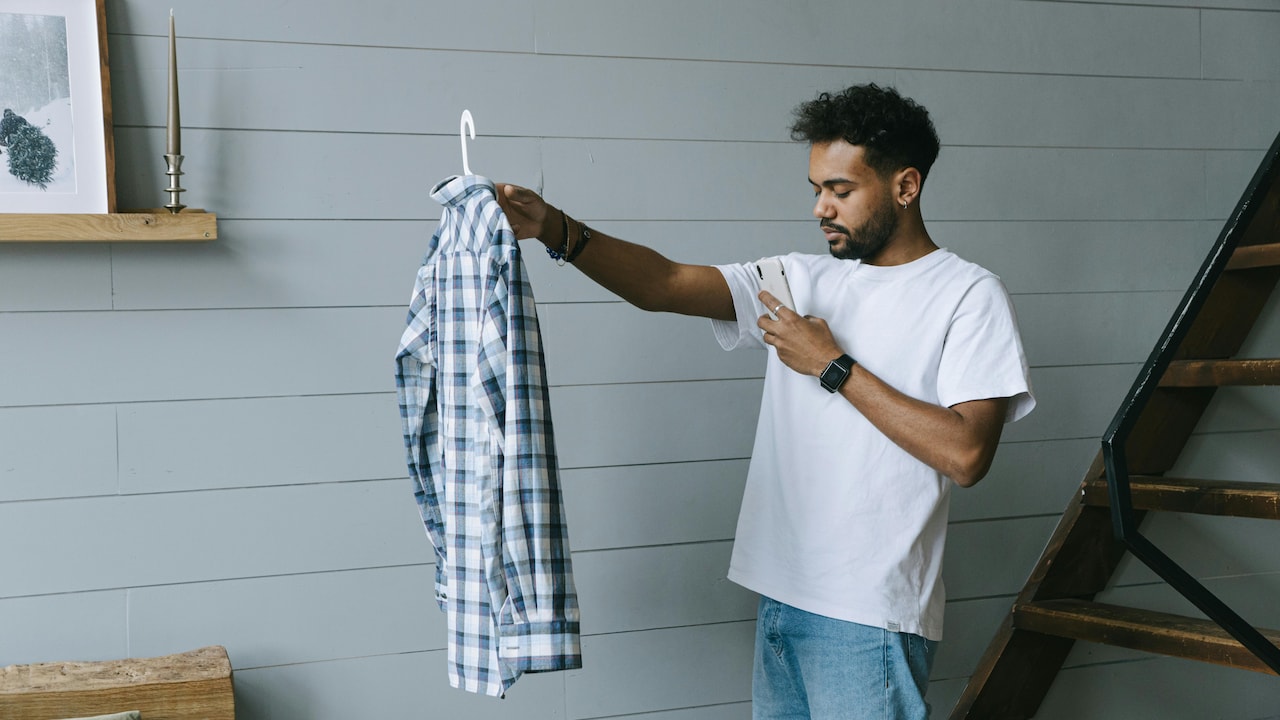
Trying on different styles reveals how subtle differences affect appearance. A pair that looks bulky on a hanger may appear perfectly balanced when worn. Similarly, a sleek-looking design might not suit every body type.
Mirrors provide immediate feedback. Walking, sitting, and moving around in the pants gives a clearer idea of how they behave in real life. These small tests often highlight details that product descriptions overlook.
Investing time in trying different options saves money in the long run. Instead of spending ₹2,500 on a pair that remains unused, choosing the right one ensures value and satisfaction.
Shopping becomes less about trends and more about understanding what works best for individual preferences.
Products Related To This Article
1. JexPuti Men Cargos
2. SDE Men Cargos
3. Plus91 Men Cargos
4. INDICLUB Men Cargos
5. WINSKART CREATION Men Cargos
Cargo pants do not deserve their reputation for making people look bulkier. The real story lies in the details, pocket placement, structure, fabric, and fit. Each element plays a role in shaping how the garment interacts with the body.
Understanding these factors transforms cargo pants from a risky choice into a reliable one. They can look sharp, comfortable, and stylish when designed thoughtfully.
Fashion often feels complicated, but sometimes the answer is simple. A slight shift in pocket placement can change everything. And once that shift becomes noticeable, choosing the right pair becomes far easier.
Cargo pants, when chosen well, offer more than just extra pockets. They bring versatility, comfort, and a touch of effortless style that fits seamlessly into everyday life.
(Disclaimer: This article may include references to or features of products and services made available through affiliate marketing campaigns. NDTV Convergence Limited (“NDTV”) strives to maintain editorial independence while participating in such campaigns. NDTV does not assume responsibility for the performance or claims of any featured products or services.)