Mesh Shoes That Don’t Tear Easily: Durability Myths Around Breathable Footwear
Mesh shoes aren’t as fragile as many believe. Modern materials and design have made them durable for everyday wear. This article breaks common myths and explains what truly affects their lifespan.
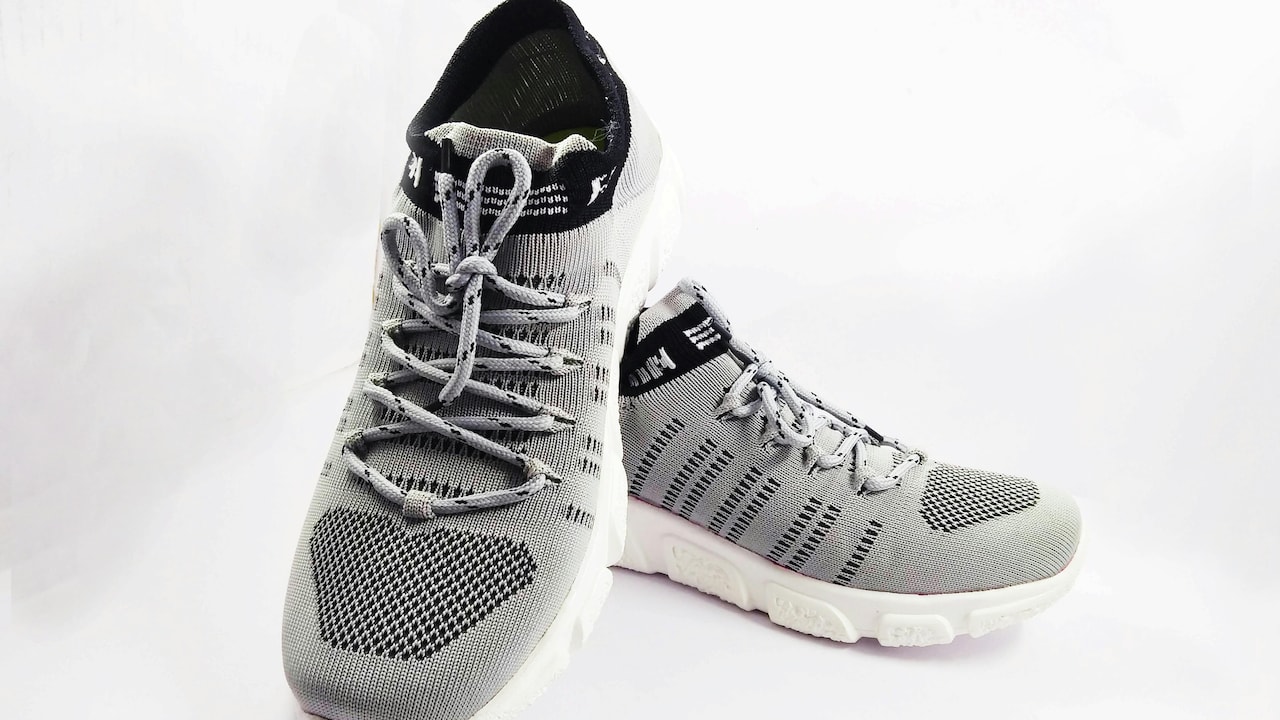
Interesting features of mesh shoes and what makes them a durable choice
Step into any shoe store on a humid afternoon, and mesh shoes almost seem to call out from the shelves. Lightweight, airy, and easy on the feet, they promise relief from sweaty commutes and long days outdoors. Yet, many shoppers hesitate. A familiar concern pops up: “Won't these tear too easily?”
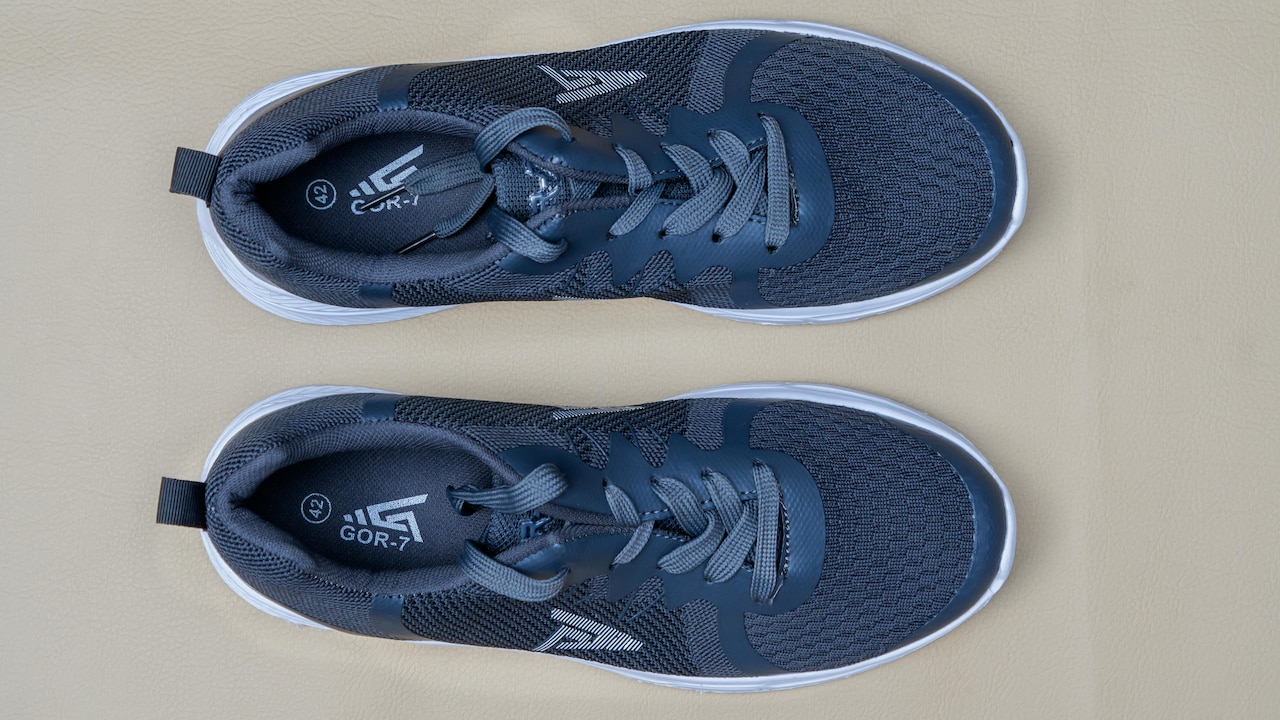
Read everything about mesh shoes and how durable they are for everyday use; Photo Credit: Pexels
This hesitation isn't unfounded. Early versions of mesh footwear did struggle with durability. A stray stone, a rough surface, or even daily wear could leave visible damage. Over time, that perception stuck, almost like an old rumour that refuses to fade.
But footwear has evolved. Materials have improved, designs have become more thoughtful, and lifestyles have changed. Today's mesh shoes are no longer the delicate options they once were. The real story lies somewhere between myth and modern engineering.
Let's unravel ten common misconceptions and uncover what truly defines the durability of mesh shoes.
Also Read: Top Mesh Running Shoes With Breathable Upper For Summer Under ₹1500
Understanding The Truth Behind Mesh Shoe Durability
The Myth That Breathability Equals Weakness
Breathability often gets mistaken for fragility. The logic feels simple: if air can pass through, then surely the material must be thin and weak. But this assumption overlooks how mesh is engineered today.
Modern mesh fabrics combine flexibility with strength. Manufacturers use tightly woven synthetic fibres that allow airflow without compromising structural integrity. Some designs even layer different types of mesh to balance comfort and durability. It's not just about holes in the fabric; it's about how those fibres interact under stress.
Think of it like a well-made cricket net. It looks open and airy, yet it withstands repeated impact. Mesh shoes follow a similar principle. They stretch when needed, resist tearing, and bounce back into shape.
The idea that breathable footwear cannot be strong belongs to an older era. Today's mesh shoes prove that airflow and durability can coexist quite comfortably.
Older Mesh Designs Still Shape Today's Perceptions
Many people judge mesh shoes based on experiences from years ago. Perhaps there was that one pair bought for ₹1,200 at a roadside stall that barely survived a monsoon. Or a gym shoe that gave up after a few months of treadmill sessions.
Those early designs lacked reinforcement. The mesh used was often thin and unsupported, stitched directly onto soles without much thought for stress points. Naturally, they wore out quickly.
However, the industry didn't stand still. Brands invested in research, testing new fibres and improving construction techniques. Reinforced panels, hybrid uppers, and smarter stitching became the norm.
Yet, the memory of those older shoes lingers. It shapes expectations even when the product has evolved. It's a bit like judging today's smartphones based on models from a decade ago.
Understanding this gap between past and present helps clear up much of the confusion around mesh shoe durability.
Not All Mesh Is Created Equal
The term “mesh” covers a wide range of materials. Some are soft and stretchy, designed for casual wear. Others are tightly knit, built for running, training, or even trail use.
High-quality mesh uses synthetic fibres such as engineered polyester blends. These materials resist abrasion and maintain their shape over time. Cheaper versions, on the other hand, may use loosely woven threads that fray quickly.
The difference becomes obvious in daily use. A premium pair priced around ₹4,000 might handle months of regular wear without issues, while a budget pair could show signs of wear within weeks.
It's similar to buying clothing. Not all cotton shirts feel the same, even though they share the same label. The quality of weave, stitching, and finishing makes all the difference.
Understanding that “mesh” isn't a single standard helps set realistic expectations and avoid unfair generalisations.
Reinforcements Make All The Difference
Take a closer look at a well-designed mesh shoe, and subtle details stand out. There are overlays near the toe, extra support around the heel, and reinforced stitching along high-stress areas.
These reinforcements act like armour. They protect the mesh from direct impact and reduce strain during movement. Without them, even the strongest fabric would struggle.
Footwear designers study how the foot moves. They identify pressure points and strengthen those areas accordingly. This thoughtful design ensures that mesh isn't left exposed where it's most vulnerable.
It's a bit like tailoring. A well-stitched kurta lasts longer not because the fabric is thicker, but because the seams are reinforced where needed.
So, when durability becomes a concern, it's worth looking beyond the mesh itself and focusing on how the entire shoe is constructed.
Usage Matters More Than Material
A common misconception is that mesh shoes fail easily, regardless of how they're used. In reality, usage plays a huge role in determining lifespan.
Wearing lightweight mesh trainers for trekking on rocky trails will naturally lead to quicker wear. On the other hand, using them for city walks, gym sessions, or daily commutes keeps them in good condition for much longer.
Every shoe has a purpose. Mesh shoes excel in environments where breathability and flexibility are key. Expecting them to perform like heavy-duty hiking boots sets them up for failure.
It's similar to using a scooter for long highway trips. It might manage for a while, but it's not designed for that purpose.
Matching the shoe to the activity ensures better performance and longevity, regardless of whether it's mesh or leather.
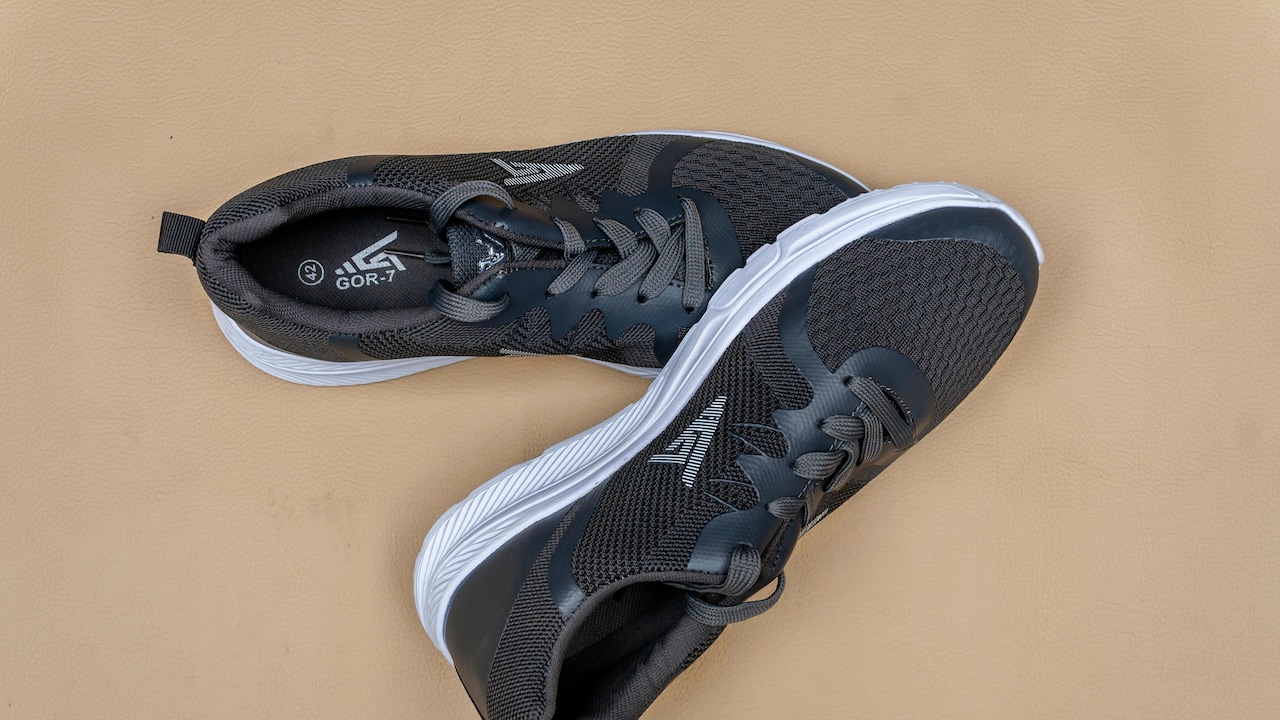
Using mesh shoes on rocky trails can wear them faster as compared to using them in gym; Photo Credit: Pexels
Care And Maintenance Often Get Ignored
Durability isn't just about how a shoe is made; it's also about how it's treated. Mesh shoes, like any other footwear, need basic care.
Dust, dirt, and moisture can weaken fibres over time. Regular cleaning helps maintain the structure and appearance of the mesh. A gentle wash and proper drying go a long way in extending lifespan.
Many people simply wear their shoes daily without giving them a break. Allowing shoes to air out between uses prevents odour and material fatigue.
Storage matters too. Leaving shoes in damp corners or under direct sunlight can affect both the mesh and the sole.
A little effort in maintenance can easily add months to a pair's life. It's not complicated, just often overlooked.
Price Doesn't Always Guarantee Durability
It's tempting to assume that higher price equals better durability. While premium shoes often use superior materials, price alone doesn't tell the full story.
Some expensive pairs focus more on style than function. Meanwhile, mid-range options around ₹2,500 to ₹3,500 may offer excellent durability with practical design features.
Brand reputation, material quality, and construction methods matter more than the price tag. Reading reviews and examining details helps make a smarter choice.
It's a bit like dining out. A fancy restaurant doesn't always guarantee the best meal. Sometimes, a modest place serves something far more satisfying.
Looking beyond price helps find mesh shoes that truly balance comfort, durability, and value.
Technology Has Changed The Game
Footwear technology has come a long way. Modern mesh shoes often feature engineered knit uppers, fused overlays, and advanced cushioning systems.
These innovations improve both comfort and durability. Engineered mesh adapts to foot movement while maintaining strength. Fused layers reduce stitching, which in turn lowers the chances of tearing.
Brands invest heavily in testing. Shoes undergo stress simulations, repeated bending, and abrasion checks before reaching the market.
This level of development ensures that today's mesh shoes can handle much more than their predecessors ever could.
It's a quiet revolution, one that many shoppers don't notice because the changes happen behind the scenes.
Climate And Environment Influence Longevity
Weather plays a significant role in how long shoes last. Hot, humid conditions can affect materials differently compared to dry climates.
Mesh shoes actually perform well in warm weather because they allow airflow. However, constant exposure to rain or muddy surfaces can accelerate wear if not cleaned properly.
Urban environments also matter. Smooth pavements are kinder to footwear than uneven roads or construction areas.
Understanding these factors helps set realistic expectations. A pair used daily during heavy monsoons may show wear sooner than one used primarily in dry conditions.
Adapting usage and care based on the environment ensures that mesh shoes remain reliable companions rather than short-lived purchases.
Style Versus Function: Finding The Balance
Mesh shoes often appeal because of their sleek, modern look. But style alone shouldn't drive the decision.
Some designs prioritise aesthetics over durability. Thin mesh panels and minimal reinforcement may look appealing, but may not hold up under regular use.
On the other hand, slightly more rugged designs offer better support and longevity without compromising comfort.
Finding the right balance is key. A shoe should match both lifestyle and usage needs.
It's similar to choosing clothing for different occasions. What works for a casual outing may not suit a long day of travel.
Being mindful of both style and function ensures that mesh shoes deliver on both fronts.
Products Related To This Article
1. Skechers Women BILLION - OVER THE TOP Lifestyle Slip On Shoe
2. BOLDFIT Men Mesh Lace-Ups Cricket Shoes
3. HRX by Hrithik Roshan Women Comfortable Running Shoes
4. DOCTOR EXTRA SOFT Men Mesh Lightweight Memory Foam Running Shoes
5. OFF LIMITS Women Mesh Running Non-Marking Shoes
6. YONEX Men V100I Non Marking Contagrip Lace-Up Badminton Shoes
7. Campus Women Mesh Walking Non-Marking Shoes
The idea that mesh shoes tear easily has lingered for far too long. While early designs may have struggled, modern footwear tells a very different story. Advances in materials, thoughtful construction, and better design have transformed mesh shoes into reliable, everyday companions.
Durability isn't dictated by breathability alone. It depends on quality, usage, care, and environment. Understanding these factors helps move beyond outdated myths and make informed choices.
Mesh shoes offer comfort that's hard to beat, especially in warm, busy settings. When chosen wisely and cared for properly, they can last just as long as many other types of footwear.
Perhaps it's time to retire the old assumption. Breathable doesn't mean breakable anymore.
(Disclaimer: This article may include references to or features of products and services made available through affiliate marketing campaigns. NDTV Convergence Limited (“NDTV”) strives to maintain editorial independence while participating in such campaigns. NDTV does not assume responsibility for the performance or claims of any featured products or services.)