Draped vs Pleated Saree: Which Is Easier For A Festive Party
Confused between draped or pleated saree for a festive party? Discover which style is easier to wear, manage all night, and still look elegant for the occasion.
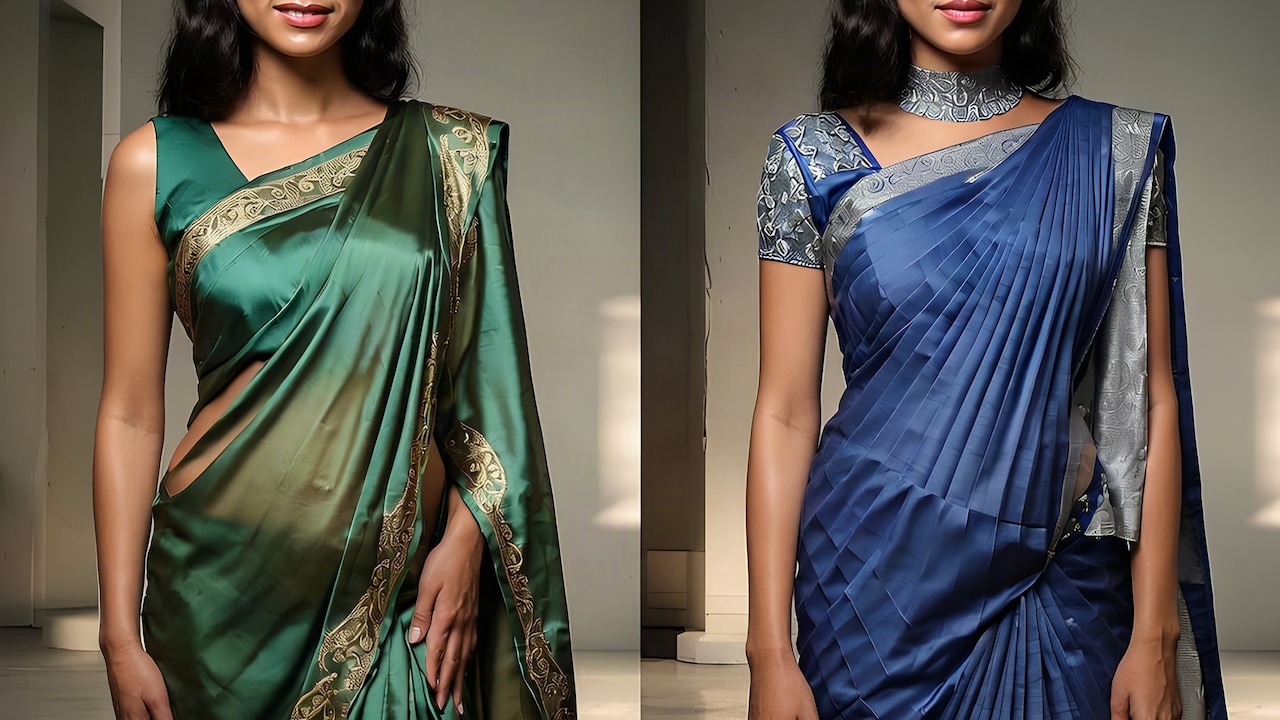
Draped vs Pleated Saree: Which Is Easier For A Festive Party
Sarees never need an introduction at a festive party. But the moment you decide to wear one, a very practical question follows: do you go with the traditional draped style or choose a pre-stitched pleated saree that promises less fuss? Both options have their loyal followers, and both look genuinely beautiful. The difference, however, shows up not just in appearance but in how comfortable you feel through the evening, how quickly you can get festive-dressed, and whether you can actually dance without worrying about a pin coming loose mid-song. Myntra has various options for you. It's not just about looks if you are choosing between a draped or pleated saree. The event's formality, your comfort, and the time you have before guests arrive all matter. Let's look more closely at each style so you can decide which one works best for you.
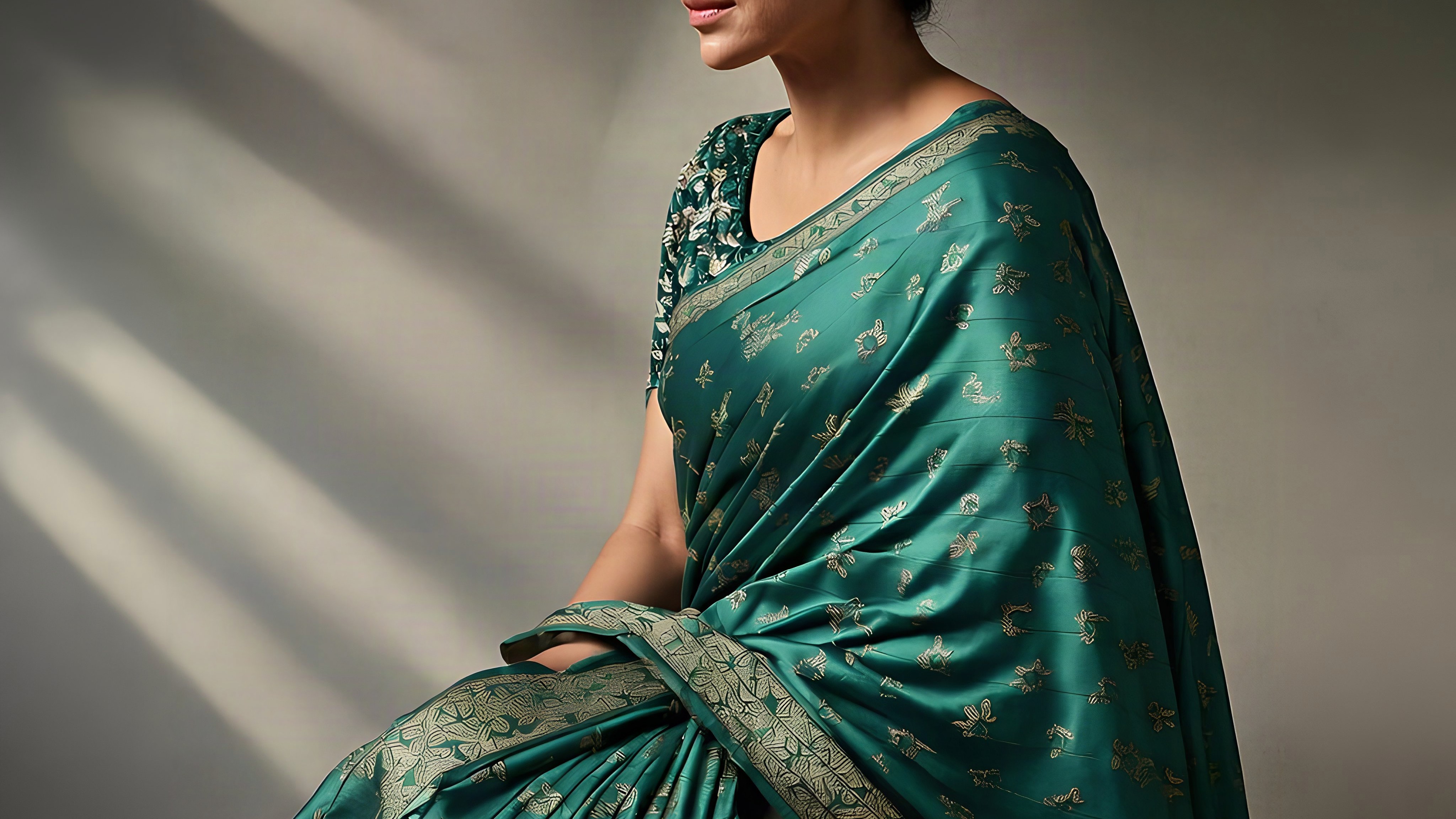
Draped Saree vs Pleated Saree: What Is The Actual Difference?; Photo Credit: iStock
Draped Saree vs Pleated Saree: What Is The Actual Difference?
1. What Is A Traditionally Draped Saree?
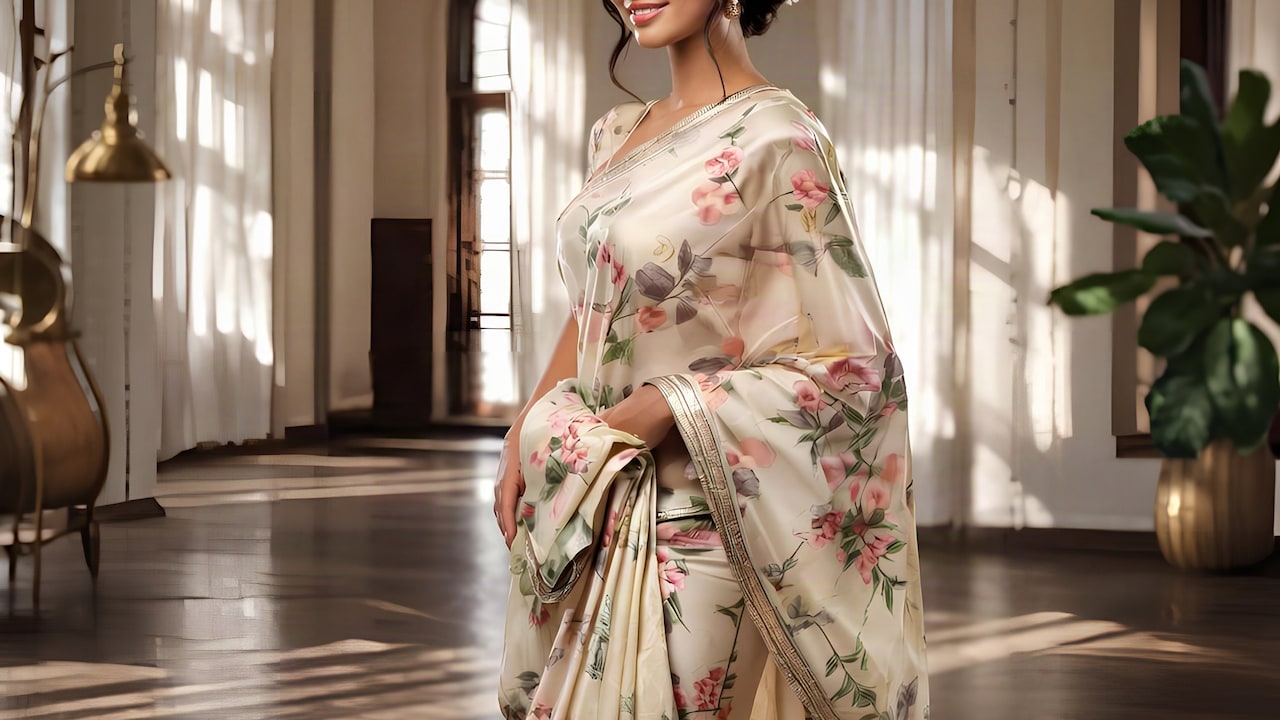
A traditionally draped saree is worn by wrapping the fabric around the waist, tucking the pleats into the petticoat, and then draping the pallu over one shoulder. This style has regional variations across India, with the Nivi drape from Andhra Pradesh being probably the most recognisable. It takes some practice to get the pleats even and the pallu positioned correctly, but after a few attempts, it becomes much easier. The finish looks polished, graceful, and deeply traditional.
2. What Is A Pleated Or Pre-Stitched Saree?
A pleated saree, often called a pre-stitched or ready-to-wear saree, comes with the pleats already sewn in. You step into it like a skirt, fasten it at the waist, and drape the pallu over your shoulder with minimal effort. Some versions attach the pallu to the blouse with a hook or safety pin so it stays in place throughout the evening. The look is neat, symmetrical, and surprisingly similar to a traditionally draped saree at first glance.
How Easy Is Each Style To Wear For A Festive Party?
Step 1: Getting Ready In Less Time
If you are short on time before the party, a pleated saree is the clear winner. It takes roughly five to ten minutes to put on, even if you have never worn one before. A traditionally draped saree can take anywhere from fifteen to thirty minutes depending on your experience with pleating and positioning. For a festive occasion where you also need time for hair and makeup, that difference matters quite a bit.
Step 2: Staying Comfortable Through The Evening
Comfort during a festive event depends heavily on how secure your saree feels. A traditionally draped saree relies on pins and the petticoat's grip to hold the pleats in place. If you move around a lot, the pleats can loosen and the pallu can slip. A pleated saree stays fixed because the pleats are stitched, which means you can eat, greet guests, and even hit the dance floor without constantly adjusting your outfit. That security alone is a big advantage.
Step 3: Managing The Pallu During The Party
The pallu is often the trickiest part of wearing any saree. In a traditionally draped style, you can pin it to the blouse for extra hold, but it still needs occasional adjustments. In a pre-stitched version, the pallu is usually attached at the shoulder, which means you don't have to worry about it as much. For an active party with dancing or mingling across different rooms, this small detail makes a noticeable difference to how relaxed you feel.
Which Style Looks Better At A Festive Party?
1. Fabric And Drape: Does It Show On Camera?
Festive parties almost always mean photographs. A traditionally draped saree tends to have a more fluid, natural fall — especially in silks, chiffons, or georgettes — which photographs beautifully. The soft folds and the way the pallu moves give it an organic elegance that is hard to replicate. A pleated saree looks sharp and symmetrical in photos because the stitching keeps everything uniformly in place. Both can look stunning; the difference is fluid versus structured, and which one appeals to you is a matter of personal taste.
2. Styling Options: Blouses, Jewellery, And Footwear
Both draping styles pair well with a wide range of blouses, from backless designs to high-neck embroidered options. Statement jewellery — a heavy necklace, chandelier earrings, or a maang tikka — works with either look and often sets the festive tone more than the saree style itself does. For footwear, heels tend to elevate the overall silhouette. Block heels or kitten heels are the more comfortable choice for long evenings, and they complement both draped and pleated sarees without effort.
Which Saree Style Should A Beginner Choose For A Festive Party?
1. For First-Timers: The Case For A Pleated Saree
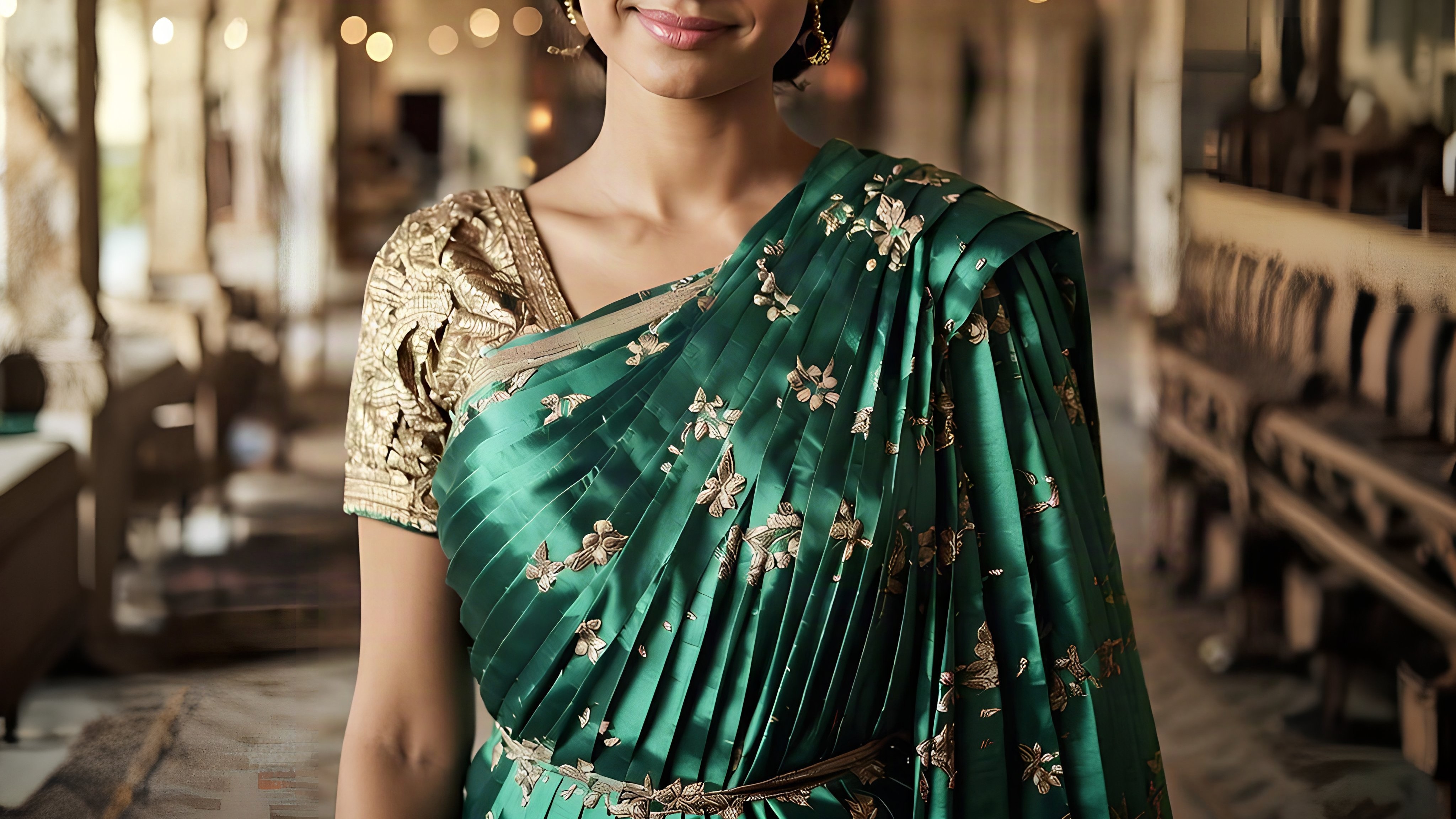
If you are new to wearing a saree or have little experience, then a pleated saree is the safe and practical option. No worries about pleats coming undone during the course of the event, no constant re-pinning of the pallu and no worries about whether it all looks right from the back. You can concentrate on having a good time at the party and not worry about your outfit. Many women who begin with pre-stitched sarees slowly gain the confidence to choose the traditional draped styles over time.
One quick tip: whichever style you choose, do a full trial run at home a day before the party. Walk around, sit down, and move your arms freely. Any adjustments — extra pins, a tighter petticoat, or a repositioned pallu — are far easier to sort out at home than in a venue bathroom twenty minutes before the festivities begin.
Which Saree Style Should A Beginner Choose For A Festive Party?; Photo Credit: iStock
Some Products You May Like
1. Libas Light Peach Georgette Pre-Draped Saree
2. TEEJH Women's Ravanya Pastel Pink Pre-Draped Saree
3. Instafab Plus Embellished Sequinned Pre-Draped Saree
4. Sayaanika Embellished Pre-Draped Saree
5. KALINI Pleated Saree With Blouse
6. Mitera Abstract Pleated Saree
7. HERE&NOW Bandhani Accordion Pleated Saree
8. QISSA Pleated-Block Imprint Pre-Draped Ready to Wear Saree
Draped and pleated sarees each offer unique charm — draped styles highlight fluid elegance, while pleats bring structure and tradition. Choosing between them depends on occasion, comfort, and personal flair. Both remain timeless, ensuring every woman can express individuality while embracing the enduring grace of saree fashion. Shop now on Myntra.
Frequently Asked Questions (FAQs)
1. Is a pleated saree suitable for traditional festive occasions?
Yes, a pleated saree works well for most festive occasions, including Diwali parties, weddings, and family celebrations. As long as the fabric and embellishments suit the occasion, the draping style makes little difference to how festive the overall look feels.
2. Can I wear a silk saree in a pre-stitched pleated format?
Yes, many pre-stitched sarees are available in silk, georgette, and chiffon. Heavy silks like Kanjeevaram are less commonly found in pre-stitched versions, but lighter silks and silk blends are available in ready-to-wear formats.
3. How do I keep the pleats of a traditionally draped saree in place during a party?
Use safety pins at the waistband and at the pallu on the shoulder. A well-fitted petticoat with a firm drawstring also helps keep the tucks secure. Some women add a thin fabric tape at the waist for extra hold on active evenings.
4. Are pre-stitched sarees considered less authentic?
Not at all. Pre-stitched sarees have gained wide acceptance across age groups and occasions. They make the saree more accessible to younger generations and to women who did not grow up learning to drape one, which is a positive development for keeping the tradition alive.
5. Which type of saree is better if I plan to dance at the party?
A pleated saree is better suited for dancing because the stitched pleats and a fixed pallu give you freedom of movement without the constant worry of something coming undone. If you prefer a traditionally draped saree, use extra pins and choose a lighter fabric like georgette or chiffon for greater ease of movement.
(Disclaimer: This article may include references to or features of products and services made available through affiliate marketing campaigns. NDTV Convergence Limited (“NDTV”) strives to maintain editorial independence while participating in such campaigns. NDTV does not assume responsibility for the performance or claims of any featured products or services.)