Draped vs Pleated Saree: Which Is Easier For A Pujo
Draped or pleated saree, which one is easier to manage on a pujo day? Fit, time, and comfort are compared so you can pick one and get going quite quickly.
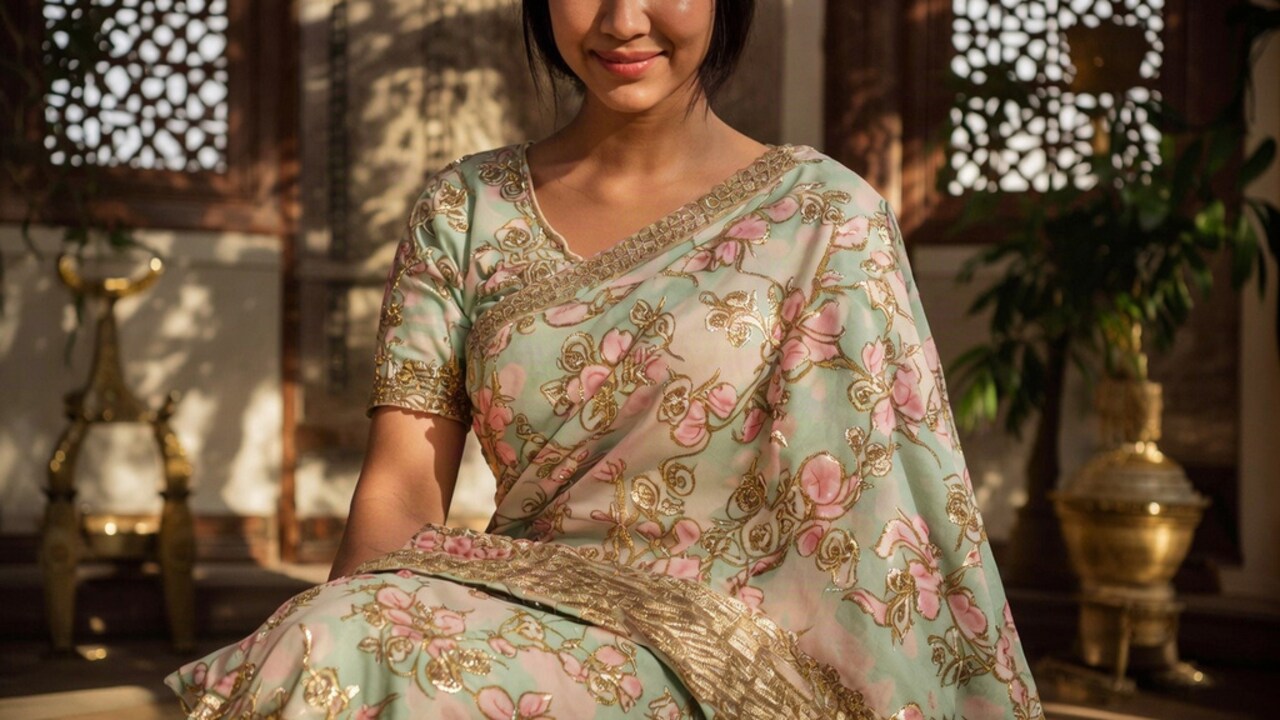
Which is a better choice for Pujo between draped vs pleated sarees
Pujo mornings are short. This indicates the outside dhaks have already started. The pandal wait is rising; the pujo vibe is calling you. But you're still at the mirror trying to get the pleats to sit just so. A saree looks beautiful on a hanger. Then the day is up, and it is a long work. By noon the pins are poking, the border has crept up, and you are adjusting it again. Colour hardly matters then. What matters is how the saree sits. The saree has to deliver from the first anjali to the last snap.
Begin With How Your Pujo Day Will Go
Photo Credit: iStock
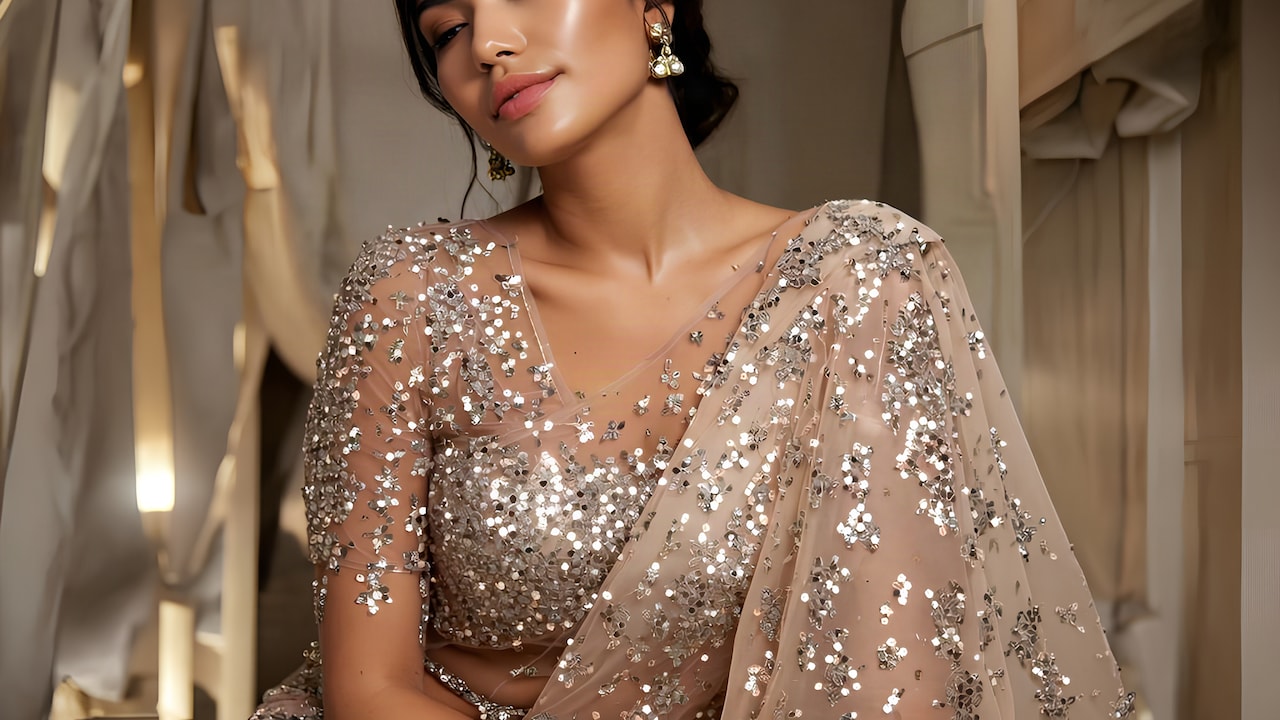
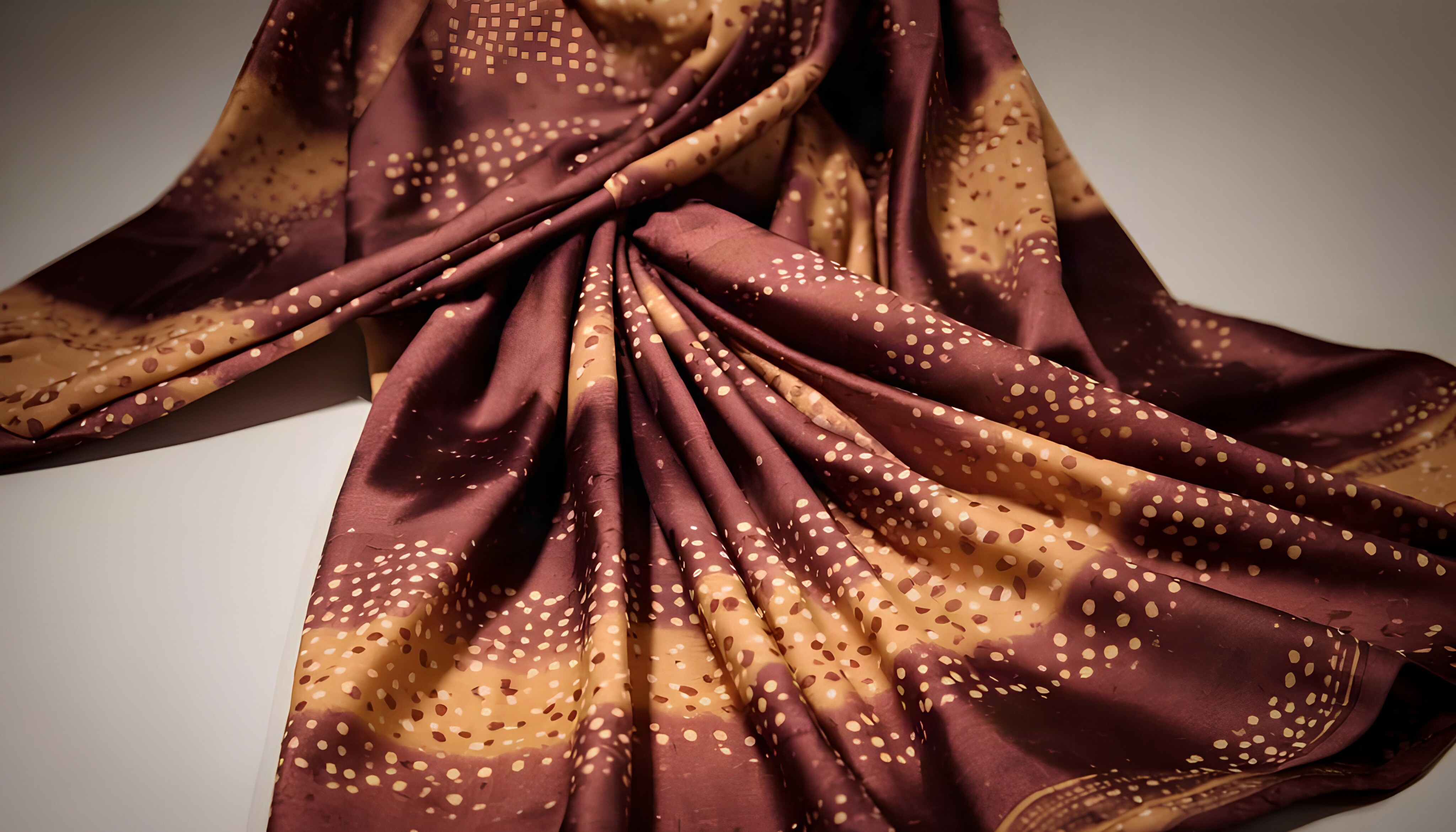
Neither one is incorrect. A hand-draped saree gives you control over the drape. A pleated one is ready-to-wear. It saves time on a busy morning. Both can be easily found on Myntra. Before you order your saree for Ashtami or Navami, think of a few simple things. They will help you reach a quick conclusion. Finally, Myntra has 8 alternatives. The two styles are kept next to each other below.
Also Read: Best Ethnic Mojaris For Men For The Pujo Under ₹1,200
Begin With How Your Pujo Day Will Go
Pretty and easy are not always the same saree. Start with your day, not the rack. Standing where? And for how long? Two pandals or five?
1. Think Of The Pandal Queue
On a pujo day, there are lineups outside the pandal. You fight your way through people, you walk up stairs, and you have a plate of flowers. A saree that you have to correct every few minutes gets irritating fast. A well-placed pleated saree holds its place amid a crowd. A draped one can hold up as well. Wrap it slowly the first time. Three good pins, not one.
2. Count The Hours You'll Be Dressed
A visit to the pandal for an hour in the evening? Any sari will do. The gap shows when you are dressed from morning anjali till late at night. After many hours, sarees draped in the usual way tend to loosen about the waist. A ready-to-wear one will tend to keep its shape longer. But it feels less flexible if you want to modify the fit. Every crease shows in the late shots.
How Each Saree Is Worn
The two significant differences are time and comfort. You see the real gap when you need to carry a saree for long hours.
1. Count The Minutes Each One Takes
Hand draping a saree takes a few minutes of meticulous work. You tuck the first round, pleat it, and fix the pallu. If you enjoy it, the time doesn't matter. A ready-to-wear saree with pleats is quicker because the pleats are already made. That is a tremendous relief on a busy morning. Everyone is by the door by then, shoes on, asking if you are ready.
2. Test The Pleats
With a draped one, every pleat is yours. Thin, wide, deep, shallow. Height decides it. If you have time, lovely. In a pleated one, the pleats are fixed. They are visible even from the beginning. First, read the sizes, as the waist or length may not be right for you. Even pleats look lovely in photographs. Please check the pleat width on the product photos before purchase.
Match Your Pujo Schedule With The Saree
No two pujo days are the same. Some sit for hours at one pandal. Others go to three or four in a single evening. Your plan determines the correct saree.
1. Anjali and sit on the floor plan
You can stand for a certain period of time and then sit on the mat during anjali. In this case, a saree that is not tight at the waist is useful. That's true for either style. Drape one very tightly, tucking the pleats in. Have a backup pin at hand. A ready-made one might be easier to get in. Just be sure that the waistband is comfy enough. Loose pleats are a breeze to kneel in.
2. Keep Pandal Hopping In Mind
It's tiring to go from one pandal to another. You get in and out of cars. You walk over uneven roads and stand in huge queues. A saree with a steady fall spares you from halting repeatedly. And comfortable shoes. Keep a little bag of pins in your handbag. This is where the pleated ones come to the rescue. You put them on quickly and get on with it. A draped saree does too. It may need a little tweaking in between visits.
Pick Your Fabric First
Style is important. After a few hours, the fabric chooses how you feel. In hot heat and tight crowds, a heavy material gets tiresome. Look at what it is made of before paying.
1. Choose Cloth That Handles Heat
Cotton, or a cotton mix, is easier in the pujo heat. Your skin gets some air. The fall stays tidy, no loud shine. The dense weave traps heat. Poly silk or chiffon can seem lush in evening pictures. But they might feel hotter. Choose one, and a ready-to-wear style reduces the time you spend fixing it.
2. Check If You Need A Quick Change
Many folks wear the same saree for the morning aarti. They change again to go to the nighttime pandal. The second change is a ready-to-wear look, and this saves a lot of time. A plain draped cotton saree is perfect for the morning. A festive pleated one works great with it at night. Comfort first, speed second. You are not overweight.
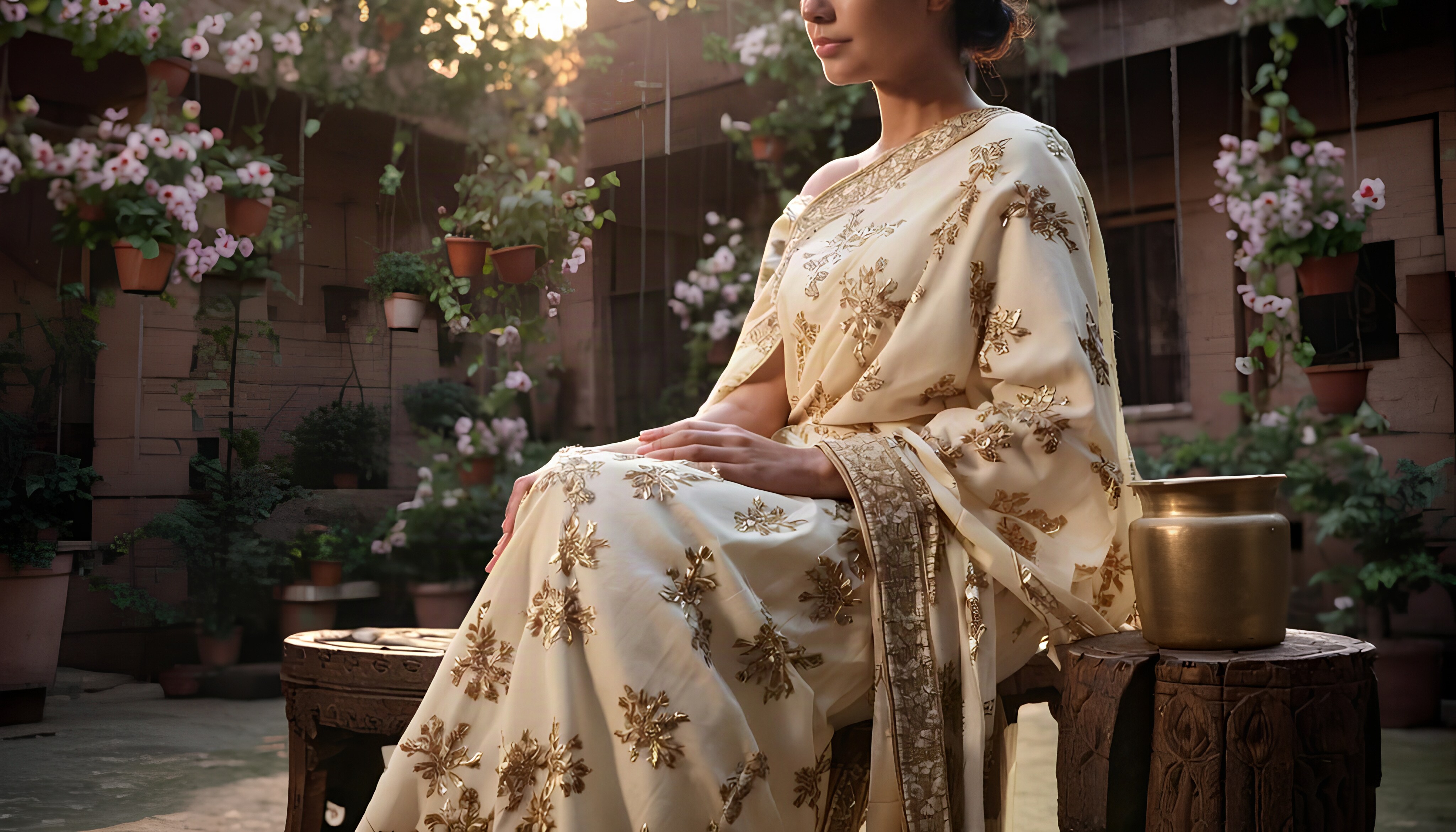
Some Sarees You May Like
Photo Credit: iStock
Some Sarees You May Like
1. Silk Land Floral Zari Cotton Jamdani Saree
2. Anouk Pure Cotton Saree
3. Moda Rapido Ethnic Motifs Pure Cotton Ikat Saree
4. DESH BIDESH Paisley Pure Cotton Jamdani Saree
5. RACHNA Blue Colour Ombre Dyed Poly Silk Ready-To-Wear Saree
6. Sangria Bandhani Printed Pure Crepe Ready-To-Wear Saree With Unstitched Blouse
7. Tikhi Imli Poly Chiffon Saree
8. Mitera Printed Ready-to-Wear Pure Cotton Saree
FAQs
1. Which is easier for a pujo, draped or folded?
It is easier to wear a ready-made pleated saree, as the pleats are all fixed and will remain in place. The draped saree is better, but it requires more time and practice.
2. Can I wear a draped saree for pandal visits the whole day?
Yes, provided you tuck the pleats tightly and use sturdy pins. Keep two spare pins in your bag for fast fixes between pandals.
3. Is the pleated saree less traditional?
Not much. Once the pallu is fixed, images are pretty much the same. It's the fabric, border, and colour that matter more than the pleats.
4. What fabric is best for pujo on a hot day?
The finest choice is cotton, since it is light and breathable. A mild blend is also fine, as long as it's neither thick nor extensively embroidered.
5. Should I try wearing a pleated saree at home first?
Yes, wear it for one hour. Sit, stand, and climb a few steps to make sure the waist and length feel right.
(Disclaimer: This article may include references to or features of products and services made available through affiliate marketing campaigns. NDTV Convergence Limited (“NDTV”) strives to maintain editorial independence while participating in such campaigns. NDTV does not assume responsibility for the performance or claims of any featured products or services.)